In This Article
What This Means
- Quantum Computing’s Impending Impact Demands Strategic Enterprise Action
- Navigating Standards and Cryptographic Agility
- How QuantumGenie Supports a Strategic PQC Journey
Quantum Computing’s Impending Impact Demands Strategic Enterprise Action
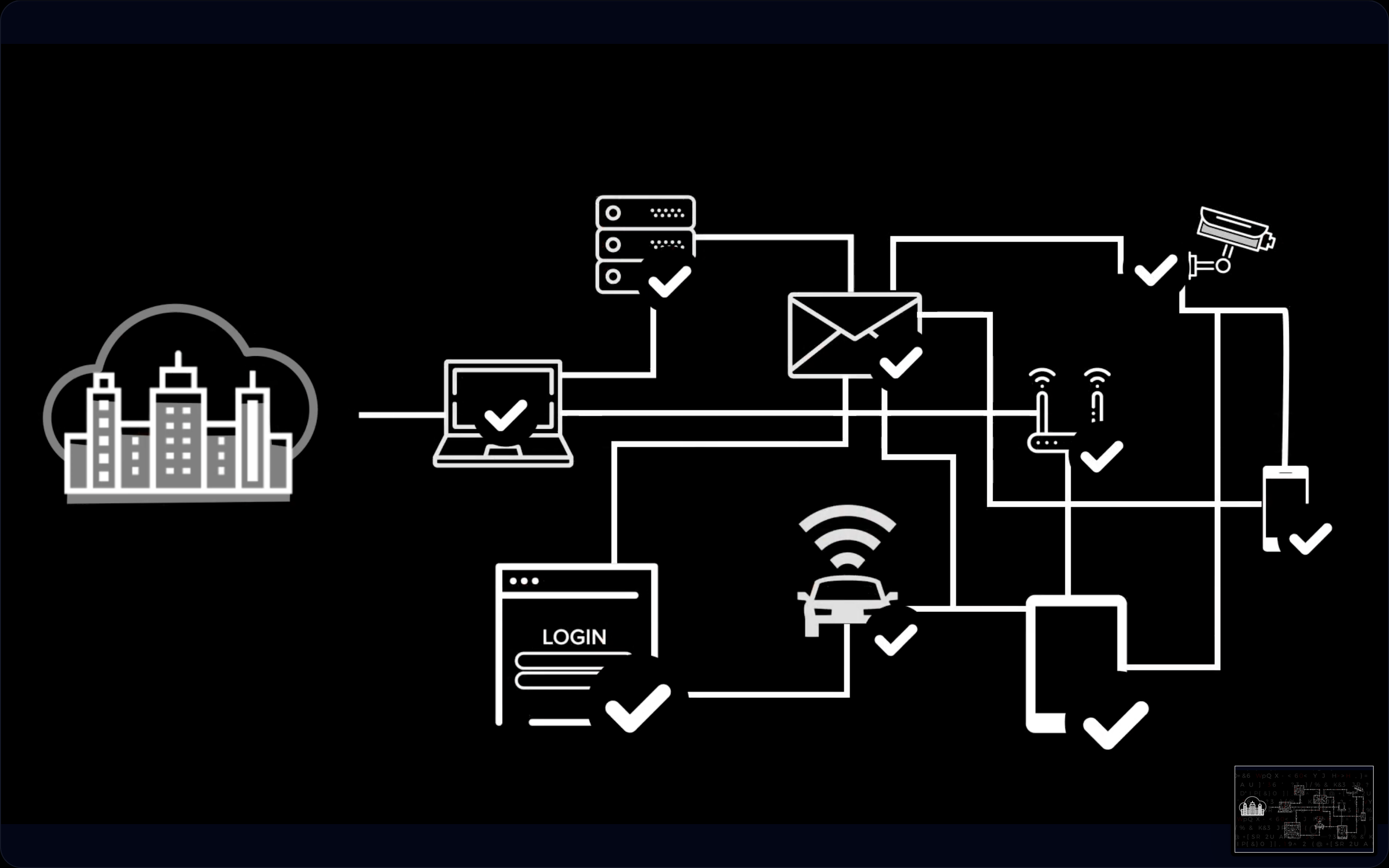
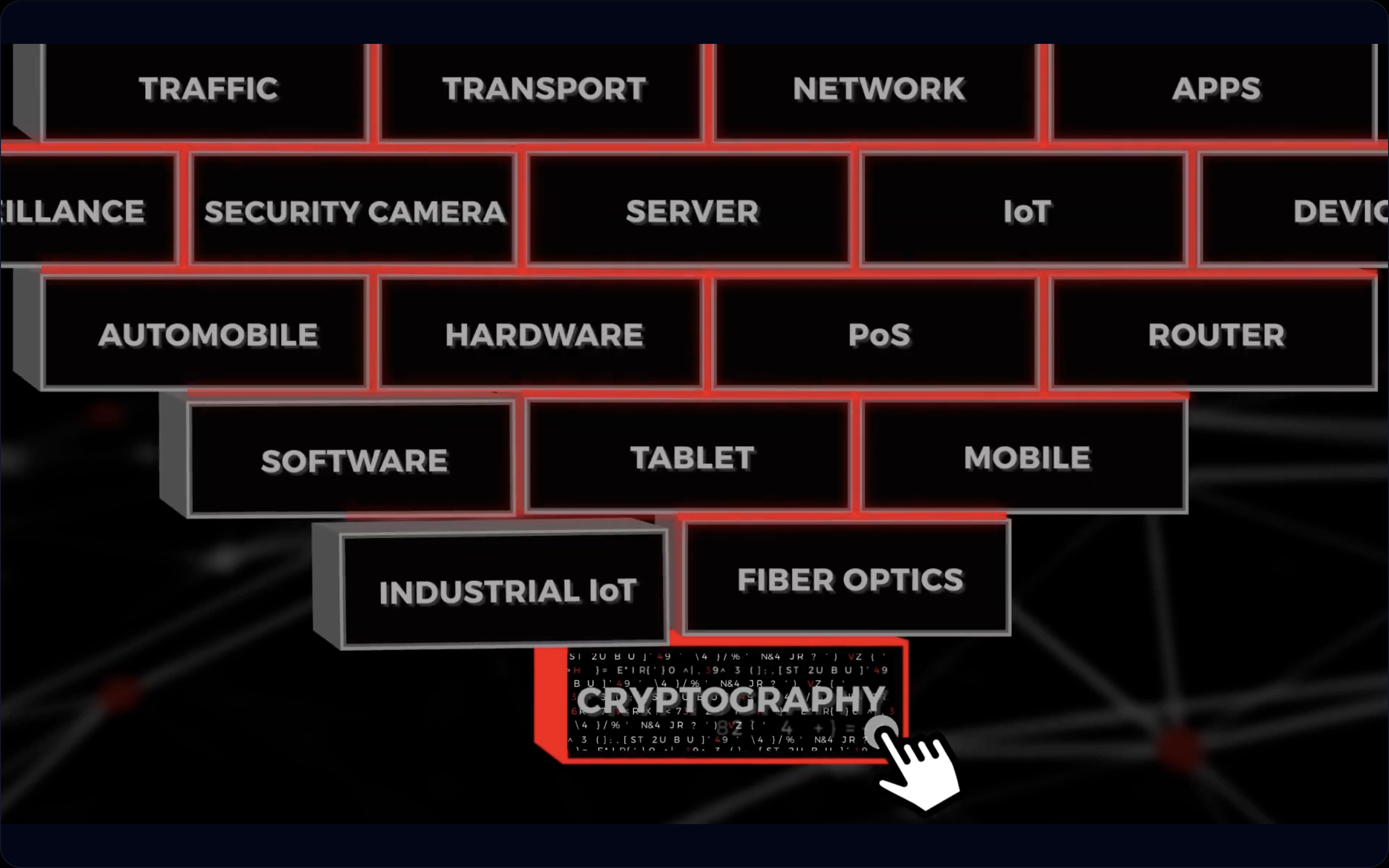
Quantum computing is transitioning from theoretical promise to an imminent operational reality, threatening to undermine current cryptographic protections. Enterprise cyber defenses that rely on classical encryption algorithms risk future compromise by sufficiently advanced quantum attacks. The recent strategic advisory from Dell Technologies underscores that defending against this looming threat is not merely a technical upgrade but a core element of business resilience and continuity planning.
Enterprises can no longer afford to defer post-quantum cryptography (PQC) initiatives. Early-stage awareness must evolve into concrete risk assessments, cryptographic inventorying, and migration planning. This ensures organizations are not caught scrambling to comply with regulatory mandates or mitigate harvest-now-decrypt-later exposures once quantum capabilities fully materialize. The Dell report serves as a clarion call for CIOs and CISOs to embed PQC considerations at the highest levels of their cybersecurity strategy.
Navigating Standards and Cryptographic Agility
Getting ahead means understanding and preparing for new industry standards. Complementing Dell’s strategic guidance, the National Institute of Standards and Technology (NIST) recently approved Federal Information Processing Standards for post-quantum key establishment and digital signature algorithms. This foundational move concretizes the cryptographic transition roadmap enterprises must follow for compliance and security.
Moreover, embracing cryptographic agility is essential. The concept of software-defined cryptography, explored in recent research, offers a blueprint for dynamically managing cryptographic policies and algorithms through centralized governance. This agility is critical in the quantum era when cryptographic requirements will evolve rapidly and must be enforced consistently across distributed enterprise environments. Enterprises that cultivate agility will balance security, compliance, and operational efficiency in their quantum migration efforts.
Key Considerations for Enterprise Post-Quantum Cryptography Readiness
| Consideration | Description | QuantumGenie Role |
|---|---|---|
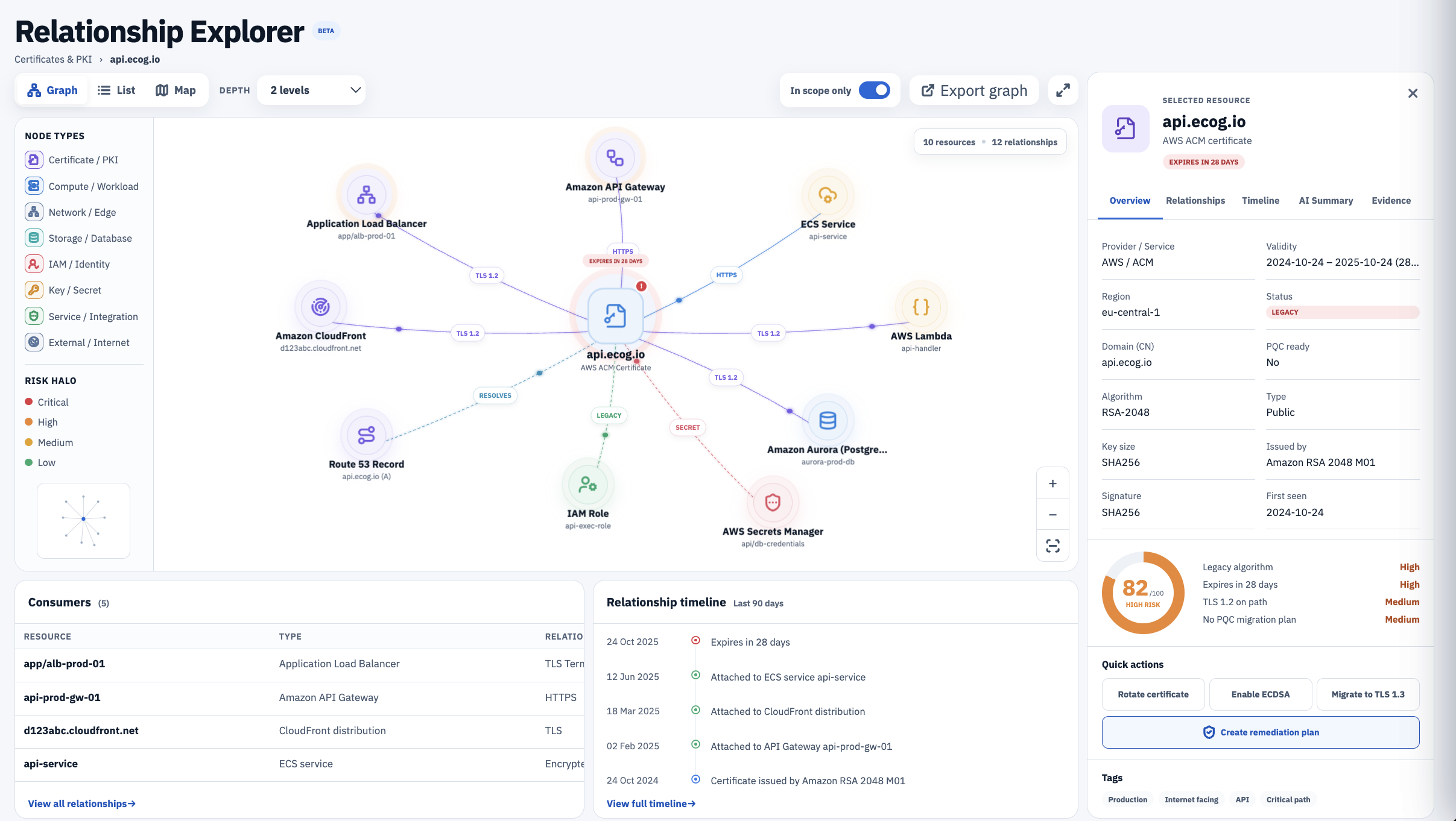
| Comprehensive Cryptographic Inventory | Cataloging all cryptographic deployments across complex IT environments | CipherScan enables automated discovery and inventory generation |
| Risk Prioritization | Assessing exposure and identifying high-risk cryptographic assets for early remediation | Risk scoring built into QuantumGenie platform aids prioritization |
| Cryptographic Agility | Ability to adapt cryptographic algorithms and policies rapidly and broadly | Supports policy enforcement and dynamic workflow orchestration via CipherNova |
| Regulatory Compliance | Meeting evolving standards including NIST-approved PQC algorithms | Automates compliance documentation and reporting |
How QuantumGenie Supports a Strategic PQC Journey
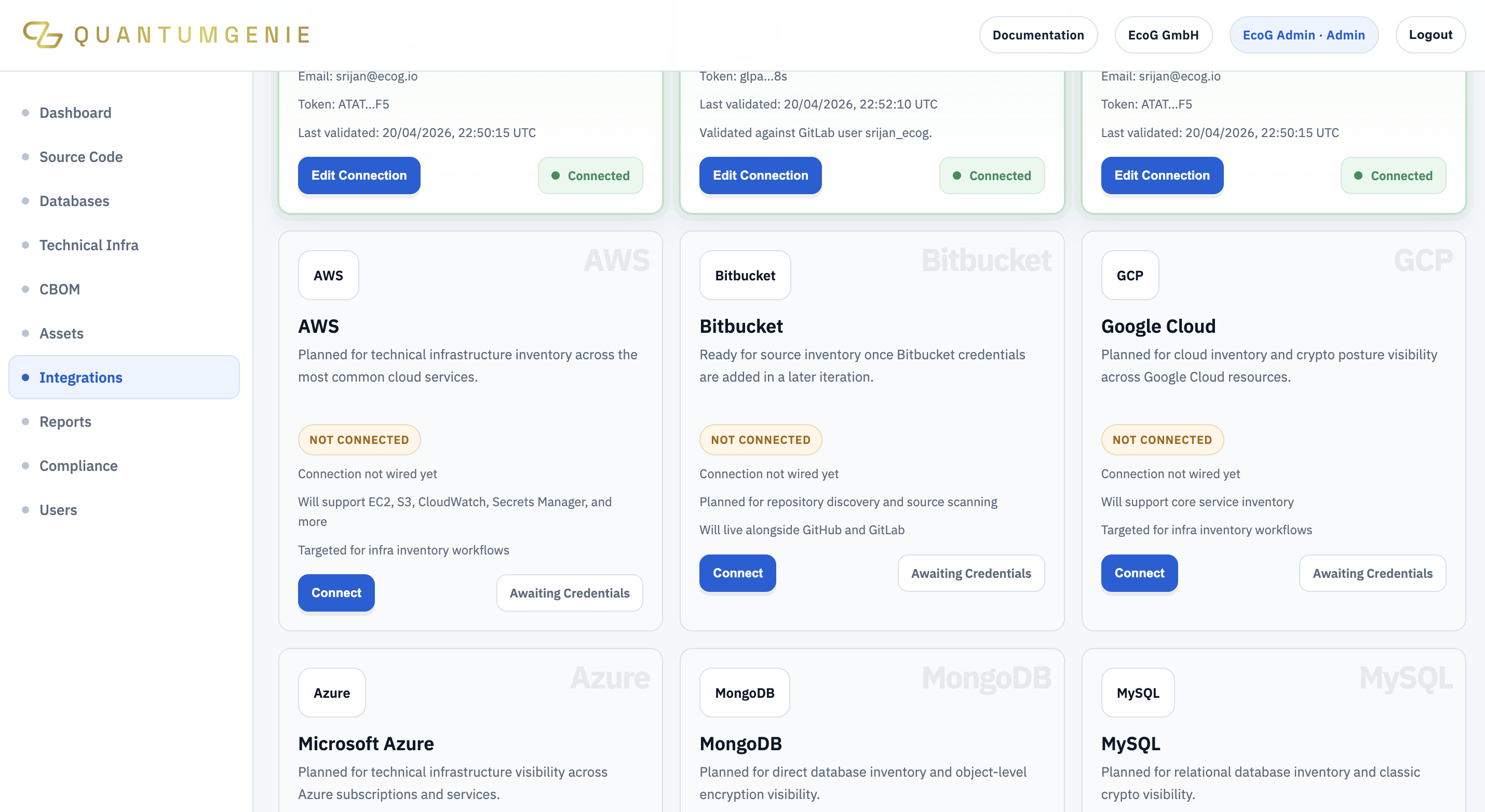
QuantumGenie aligns inherently with the strategic imperatives outlined by industry leaders and standards bodies. By delivering comprehensive discovery, inventory, and risk prioritization across an enterprise’s cryptographic landscape (through CipherScan), QuantumGenie equips organizations with the visibility foundational to rational PQC planning. This addresses the often-overlooked task of identifying all points of cryptographic exposure—across websites, source code, infrastructure, databases, and more.
Beyond discovery, QuantumGenie’s CipherNova orchestrates remediation workflows, enabling controlled, auditable, and policy-compliant cryptographic updates aligned with migration priorities. This operational capability transforms PQC strategy from abstract planning into actionable programs. For CISOs and enterprise architects, QuantumGenie provides the practical infrastructure to manage quantum readiness without disruption—mitigating risks, supporting compliance frameworks, and enabling secure, confident transitions to quantum-safe cryptography.
Frequently Asked Questions
Why should enterprises prioritize post-quantum cryptography now instead of later?
Quantum computing poses a future risk to current encryption standards, which could expose sensitive data to retrospective compromise. Early prioritization enables enterprises to inventory cryptographic assets, plan migrations, and avoid rushed remediation under regulatory or threat pressure.
How does cryptographic agility benefit enterprises facing quantum threats?
Cryptographic agility allows enterprises to quickly update or replace cryptographic algorithms in response to emerging quantum threats, compliance mandates, or discovered vulnerabilities, reducing risk and operational disruption during the PQC transition.
Watch The Quantum Threat
Sources And Further Reading
- Post-Quantum Cryptography: A Strategic Imperative for Enterprise Resilience Dell Technologies · Sep 30, 2024
- Post-Quantum Cryptography FIPS Approved NIST Computer Security Resource Center · Aug 13, 2024
- Software-Defined Cryptography: A Design Feature of Cryptographic Agility arXiv · Apr 2, 2024