In This Article
What This Means
- Why Continuous Cryptographic Change Management Matters Now
- Frameworks and Processes for Practical Migration
- How QuantumGenie Fits in the Continuous Crypto-Agility Landscape
Why Continuous Cryptographic Change Management Matters Now
With quantum computing capabilities edging closer to threatening traditional encryption, enterprises face mounting pressure to adopt post-quantum cryptography (PQC). But migrating to quantum-resistant algorithms is not a one-time event; it demands continuous cryptographic agility — the ability to update algorithms and keys seamlessly without disrupting operations.
PKWARE's recent announcement of a re-engineered key management system underscores this imperative. By enabling agent-based deployment of post-quantum algorithm updates, enterprises can execute continuous, iterative changes in cryptography. This model solves a critical challenge: existing infrastructures are often rigid, making rapid adaptation to new PQC standards cumbersome and risky. Integrating crypto-agility into foundational security controls is essential for future-proofing sensitive data and compliance posture.
Frameworks and Processes for Practical Migration
Complementing the vision of continuous crypto change, frameworks from the broader ecosystem highlight structured migration pathways. PQC Today’s seven-phase framework and Petronella Technology Group’s six-phase process both emphasize cryptographic inventorying, risk prioritization, gradual rollout, and compliance alignment with standards such as NIST FIPS and NSA CNSA.
These methodologies reinforce that migration is complex and requires clear visibility into cryptographic assets, understanding exposure risks, and carefully staged operational changes. Importantly, continuous crypto change management models align perfectly with these phased approaches by providing agility and control during rollout and post-deployment maintenance.
Comparing Post-Quantum Migration Approaches
| Aspect | PKWARE Continuous Crypto Change | PQC Today Framework |
|---|---|---|
| Migration Model | Agent-based continuous updates | Seven-phase structured migration |
| Key Focus | Seamless cryptographic updates | Crypto agility and system design |
| Enterprise Benefit | Rapid algorithm adaptation | Clear phased roadmap |
| Role in Migration | Execution layer for ongoing changes | Blueprint for migration strategy |
How QuantumGenie Fits in the Continuous Crypto-Agility Landscape
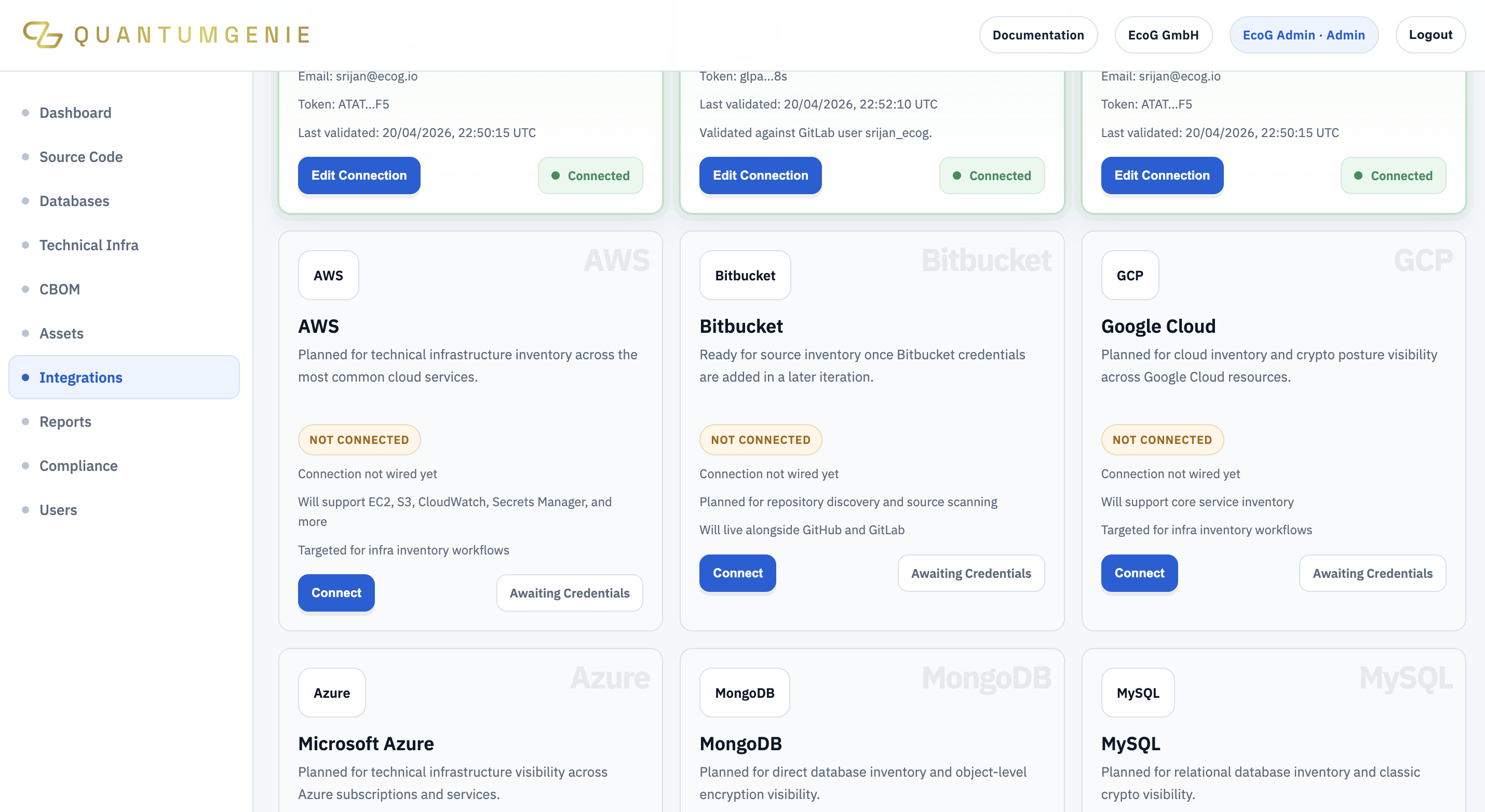
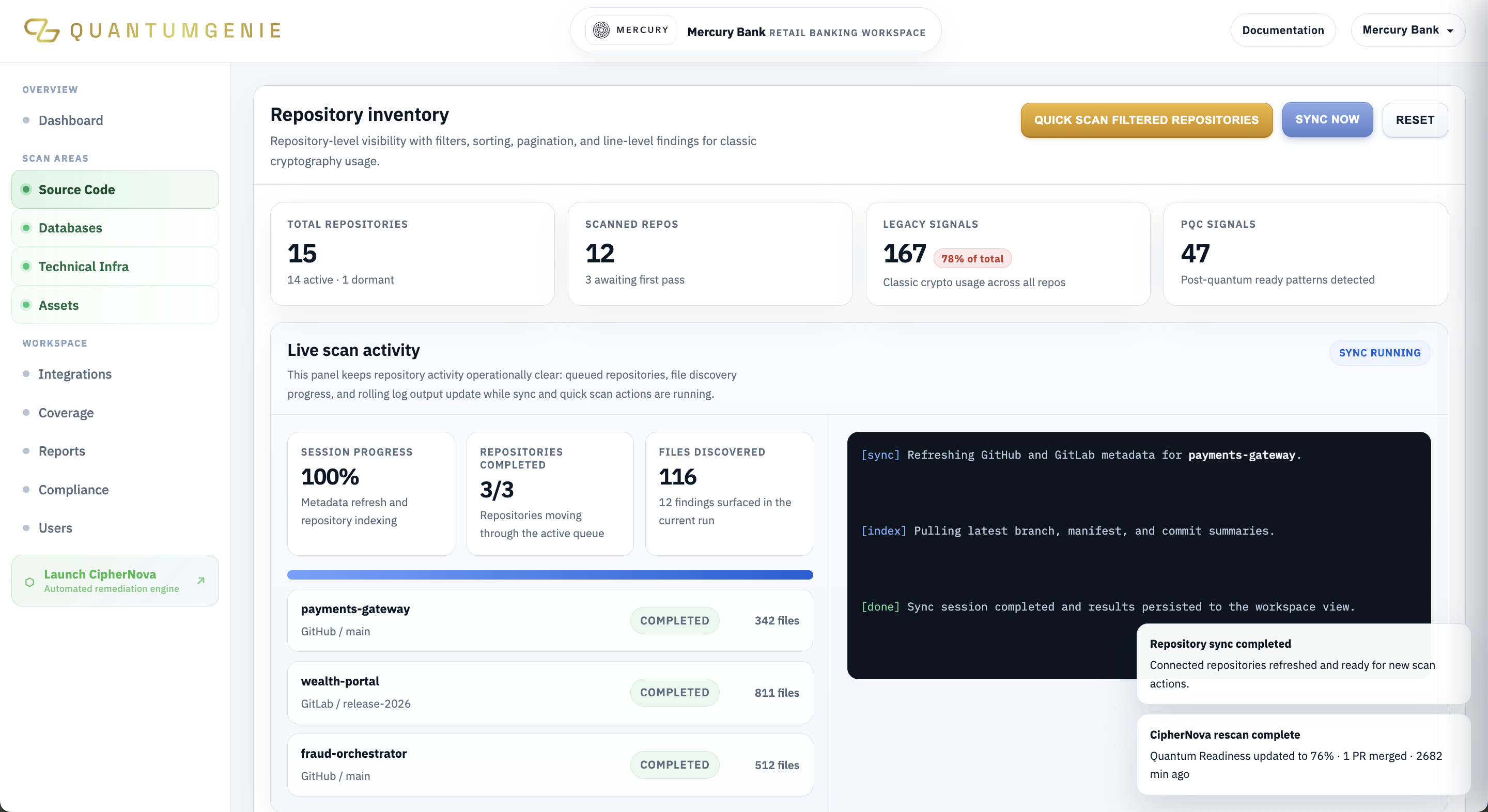
QuantumGenie offers enterprises a comprehensive platform designed precisely to enable operational excellence in post-quantum migration. Through its CipherScan discovery tool, organizations gain visibility across all cryptographic assets – from websites and certificates to source code and databases – building a detailed cryptographic inventory and cryptographic bill of materials (CBOM).
Building on that, CipherNova orchestrates remediation workflows, managing pull requests, policy exceptions, and verification steps to ensure that updates to post-quantum algorithms roll out smoothly and securely. This integrated approach empowers enterprises to prioritize remediation based on risk and compliance requirements while maintaining continuous operational crypto-agility.
Frequently Asked Questions
Why is continuous cryptographic change important for post-quantum migration?
Continuous cryptographic change allows enterprises to update cryptographic algorithms and keys seamlessly as new quantum-resistant standards evolve, reducing operational risk and ensuring long-term security.
How does QuantumGenie support crypto-agility in enterprises?
QuantumGenie provides comprehensive cryptographic discovery, risk prioritization, and remediation orchestration, enabling enterprises to implement crypto-agile migration plans efficiently and with operational visibility.
Watch The Quantum Threat
Sources And Further Reading
- PKWARE's Continuous Cryptographic Change Management PKWARE · Jun 1, 2026
- Framework for Crypto Agility in PQC Migration PQC Today · Jul 9, 2026
- Petronella's Six-Phase PQC Migration Process Petronella Technology Group · Jul 9, 2026