In This Article
What This Means
- The Challenge of Continuous Cryptographic Change
- Innovative Key Management Re-Engineering Unlocks Agility
- How QuantumGenie Empowers Crypto-Agility and Migration Execution
The Challenge of Continuous Cryptographic Change
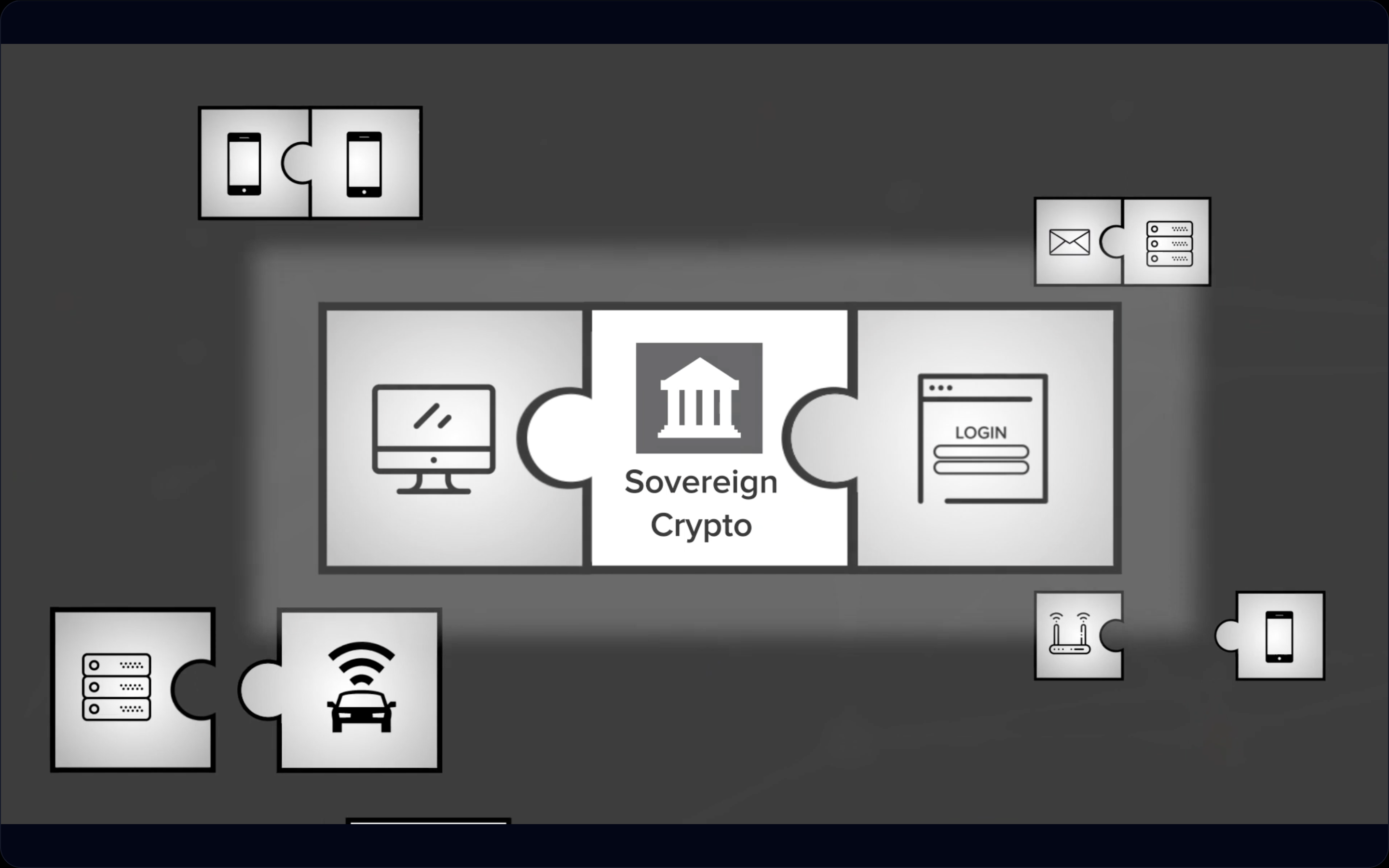
With quantum computing threats looming, enterprises must update cryptographic keys and algorithms rapidly to stay secure. Traditionally, migrating to post-quantum cryptography has involved protracted multi-quarter or even multi-year projects. This complexity stems from deep integration of cryptography across diverse systems, certificates, applications, and infrastructure. Replacing or upgrading keys piecewise risks compatibility issues and operational disruptions. Therefore, achieving true crypto-agility — the ability to adapt cryptographic protections dynamically and continuously — has been a pressing but elusive goal.
Innovative Key Management Re-Engineering Unlocks Agility
Recent advances showcased by PKWARE illustrate a paradigm shift. By redesigning key management to deploy post-quantum algorithm updates through agent-based mechanisms, enterprises can relocate from monolithic upgrades to incremental, seamless cryptographic changes. This approach eliminates the need for traditional massive migration waves by embedding continuous change capabilities directly into key lifecycle management. For CISOs and enterprise architects, this means aligning cryptographic strategy with fast-evolving standards without tying up resources in stalled migrate-or-die projects. Operationalizing this vision requires granular visibility into cryptographic assets and orchestrated workflows that span discovery, risk prioritization, and verification.
PQC Readiness Snapshot
| Area | Signal Today | Next Step |
|---|---|---|
| Discovery | More signals are becoming visible in public and vendor channels | Inventory exposed crypto across sites, code, and certificates |
| Prioritization | Not every asset carries the same migration urgency | Rank by business criticality and quantum exposure |
| Execution | Roadmaps only matter when teams own them | Assign timelines, owners, and a recurring review loop |
How QuantumGenie Empowers Crypto-Agility and Migration Execution
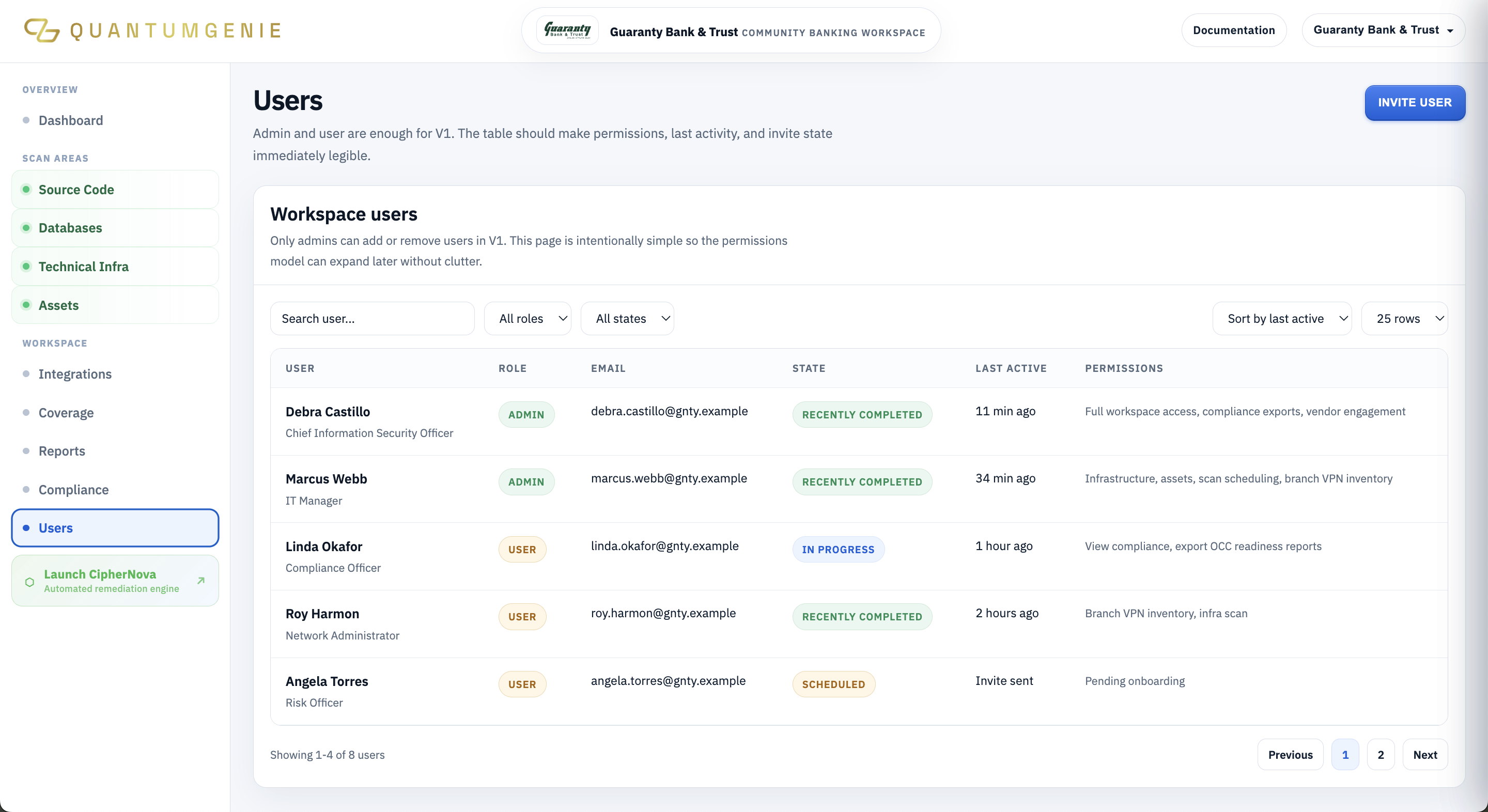
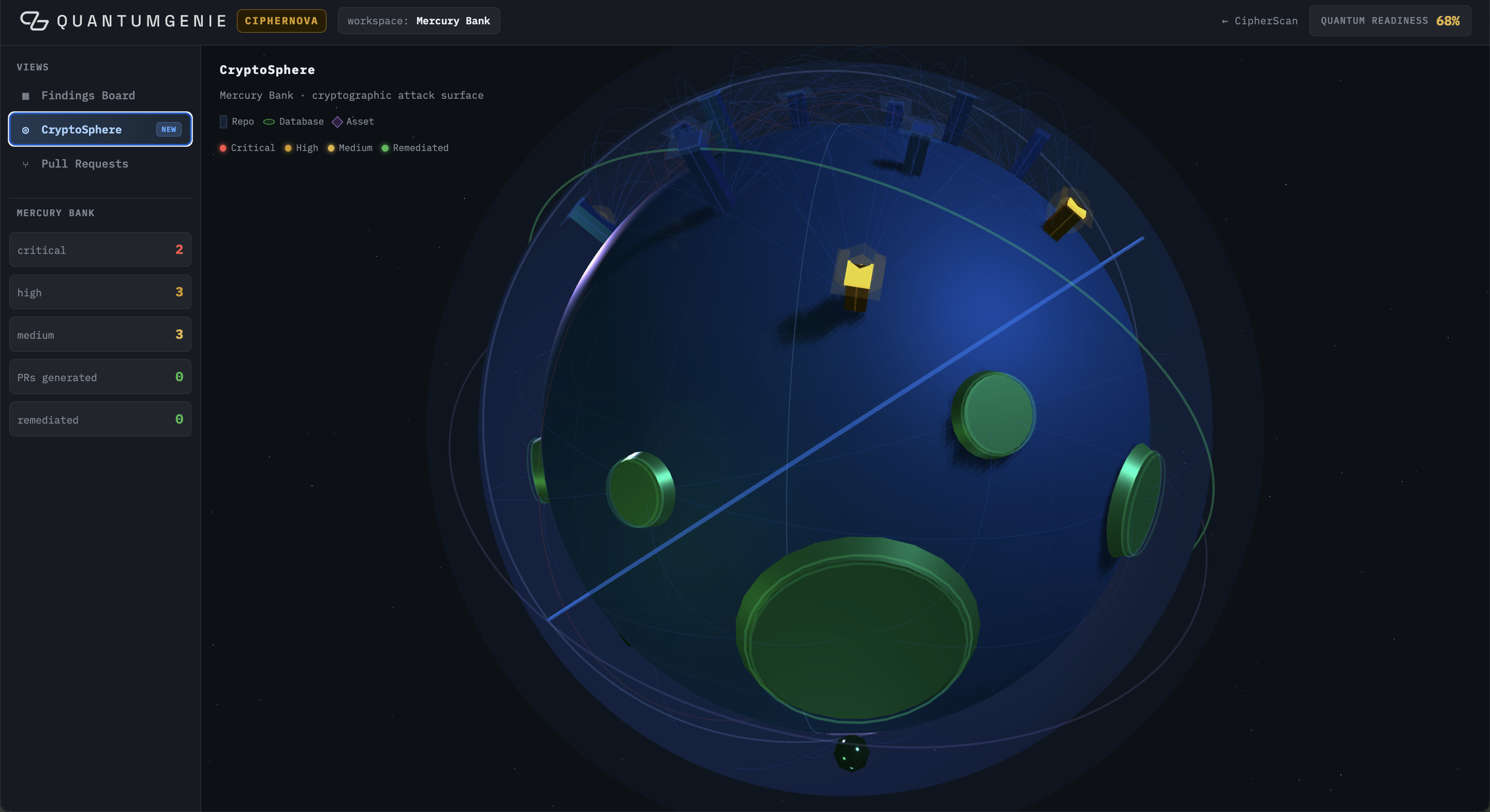
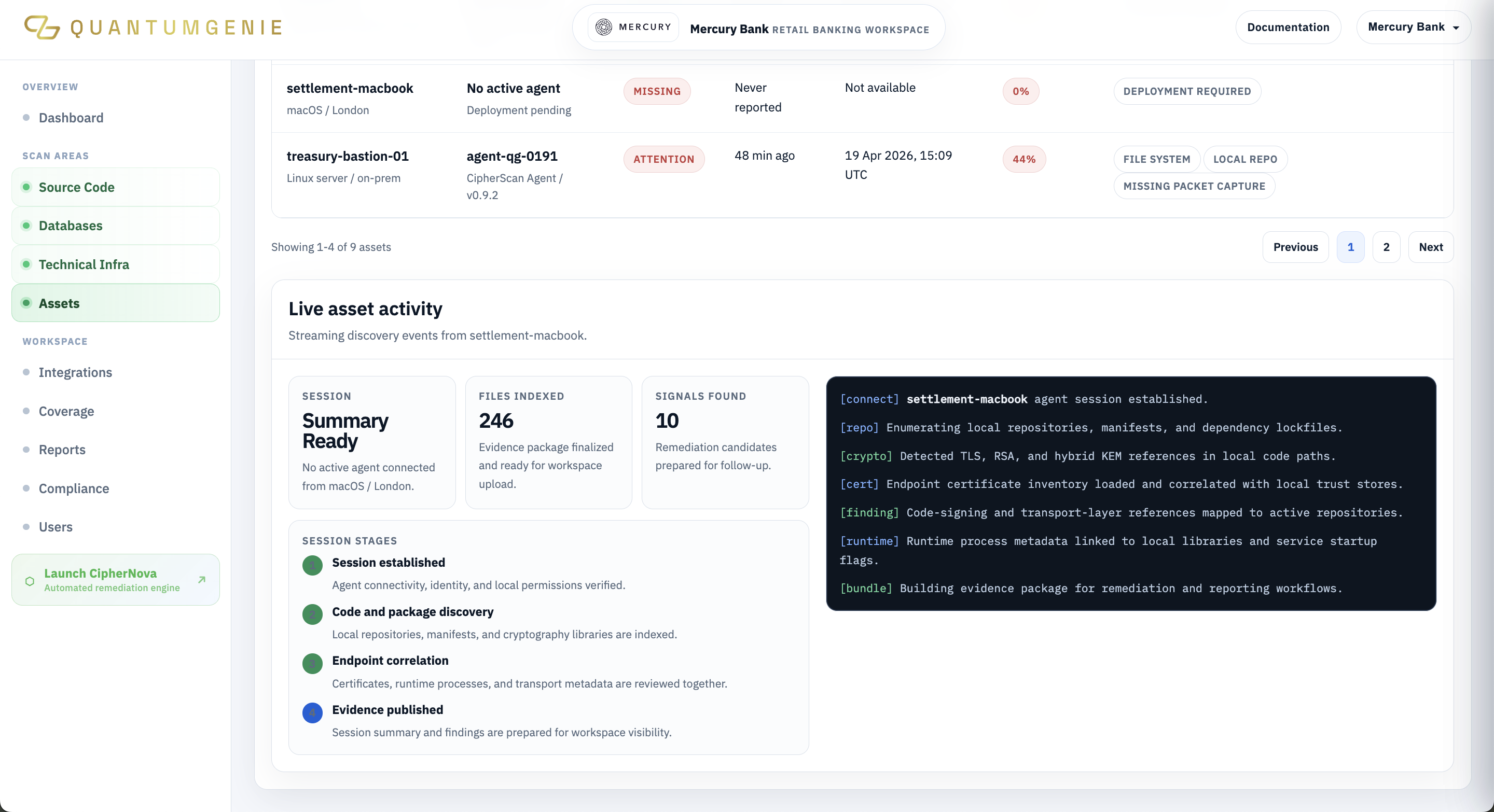
QuantumGenie's platform addresses the foundational need for cryptographic inventory and agile remediation surfaced by continuous key management innovations. Through CipherScan, organizations gain comprehensive visibility into cryptographic deployments across certificates, code, infrastructure, and integrations. CipherNova layers enable structured remediation workflows — from policy exception management to pull requests and change verification — streamlining the transition to updated, quantum-safe algorithms. As enterprises pursue continuous cryptographic change, QuantumGenie ensures that no cryptographic asset is overlooked and that migration activities are efficient, compliant, and auditable. This orchestration capability directly supports the practical adoption of next-generation key management approaches and protects critical systems against harvesting and reliance on legacy algorithms.
Frequently Asked Questions
Why is continuous cryptographic change important for enterprises?
Continuous cryptographic change enables organizations to rapidly adapt to emerging quantum-safe standards without disruptive, large-scale migration projects, ensuring ongoing protection against evolving quantum threats.
How does QuantumGenie support enterprises in adopting post-quantum cryptography?
QuantumGenie provides comprehensive discovery of cryptographic assets and orchestrates remediation workflows, helping enterprises prioritize risks, plan migrations efficiently, and maintain compliance during the transition to post-quantum algorithms.
Watch The Quantum Threat
Sources And Further Reading
- PKWARE Re-Engineers Key Management for Continuous Cryptographic Change PKWARE · Jun 1, 2026