In This Article
What This Means
- Why Traditional Cryptographic Migration Models Fall Short
- Adapting to a Dynamic Post-Quantum Environment
- How QuantumGenie Fits into Continuous Crypto-Agility
Why Traditional Cryptographic Migration Models Fall Short
The announcement from PKWARE about re-engineering its key management to enable continuous updates for post-quantum algorithms highlights a profound shift in enterprise cryptography practices. Historically, enterprises adopted cryptography on a fixed migration schedule, often spanning multiple quarters or even years, applying static updates only after significant planning and deployment delays. This model is increasingly untenable as post-quantum cryptography (PQC) standards evolve rapidly and adversaries adopt 'harvest-now-decrypt-later' tactics that threaten long-term data confidentiality.
Adapting to a Dynamic Post-Quantum Environment
This continuous crypto-agility approach enables organizations to deploy key updates and cryptographic algorithm swaps through lightweight agent-based mechanisms, reducing downtime and operational complexity. Enterprises gain the flexibility to stay current with evolving PQC standards and patches without large-scale overhaul cycles. Supporting this dynamic environment requires robust discovery to detect all cryptographic assets, prioritize risks, plan agile migrations, and implement continuous remediation workflows—areas where strategic tooling investment is essential.
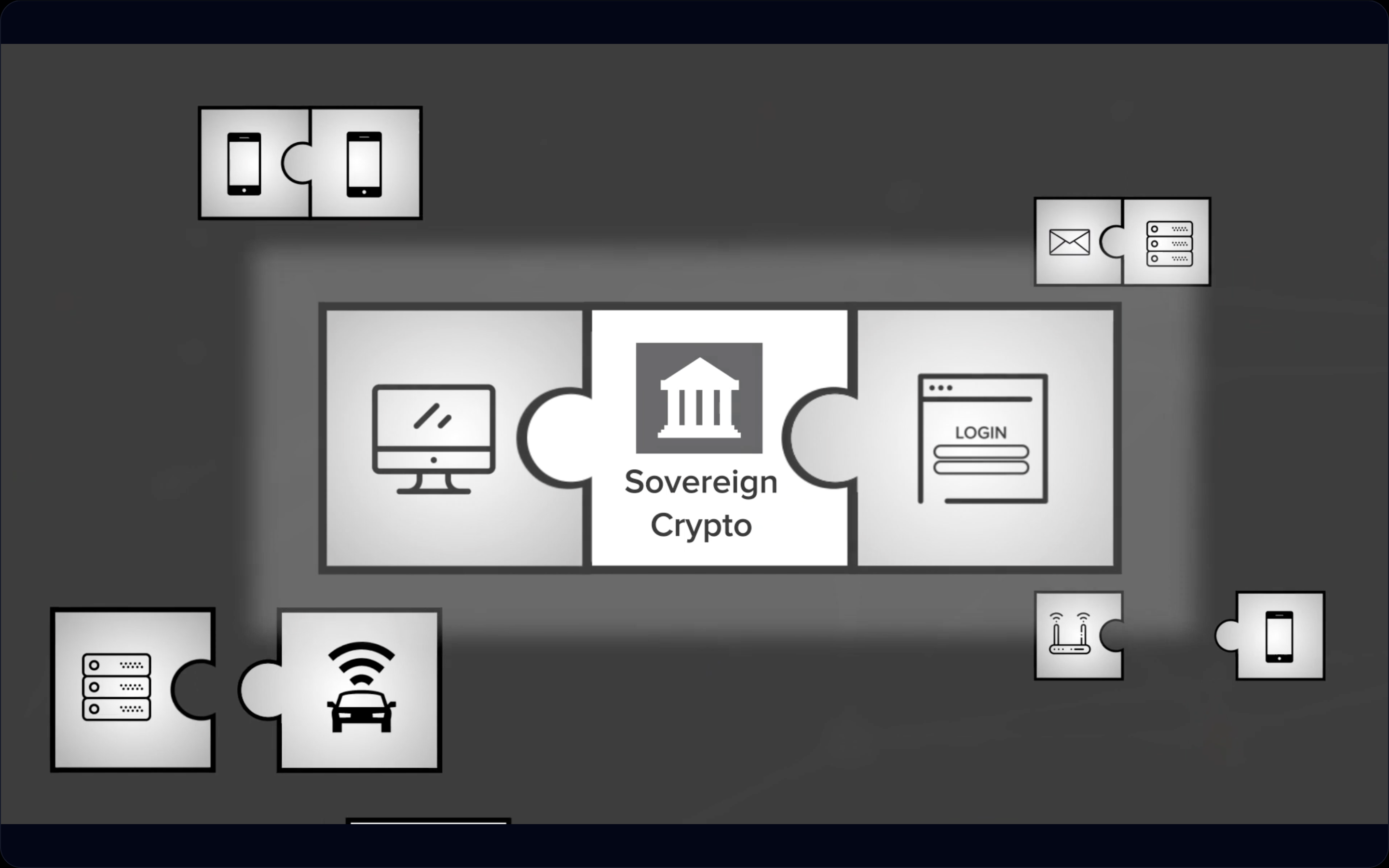
Key Differences Between Traditional vs Continuous Crypto-Agility Models
| Aspect | Traditional Cryptographic Migration | Continuous Crypto-Agility |
|---|---|---|
| Update Frequency | Periodic, often quarterly or longer cycles | Ongoing, real-time or near-real-time updates |
| Deployment Method | Large-scale batch rollouts | Agent-based incremental updates |
| Risk Adaptation | Slow to address new algorithms or vulnerabilities | Rapid adaptation to evolving standards |
| Operational Impact | High effort and downtime risk | Reduced disruption and faster remediation |
How QuantumGenie Fits into Continuous Crypto-Agility
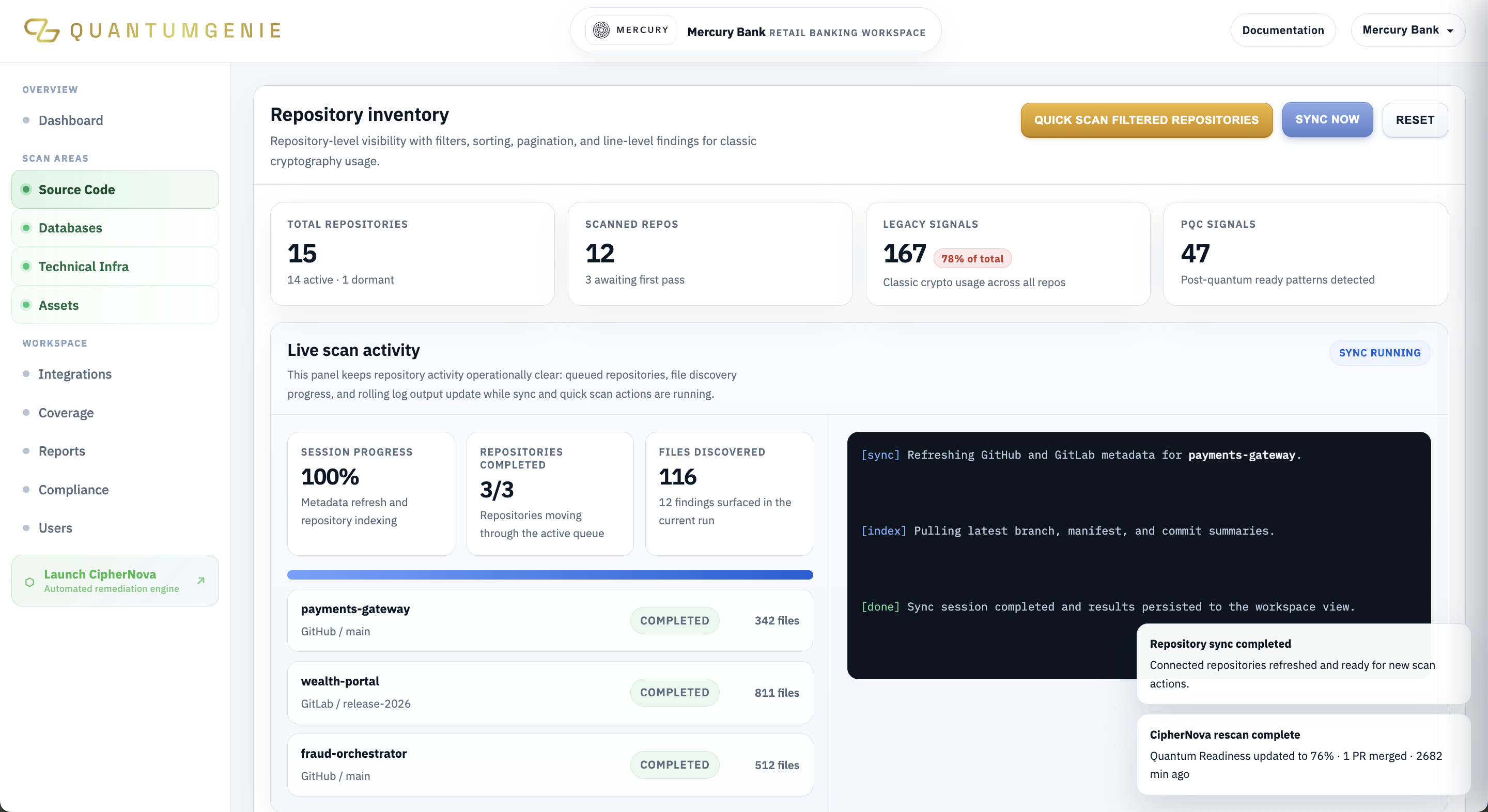
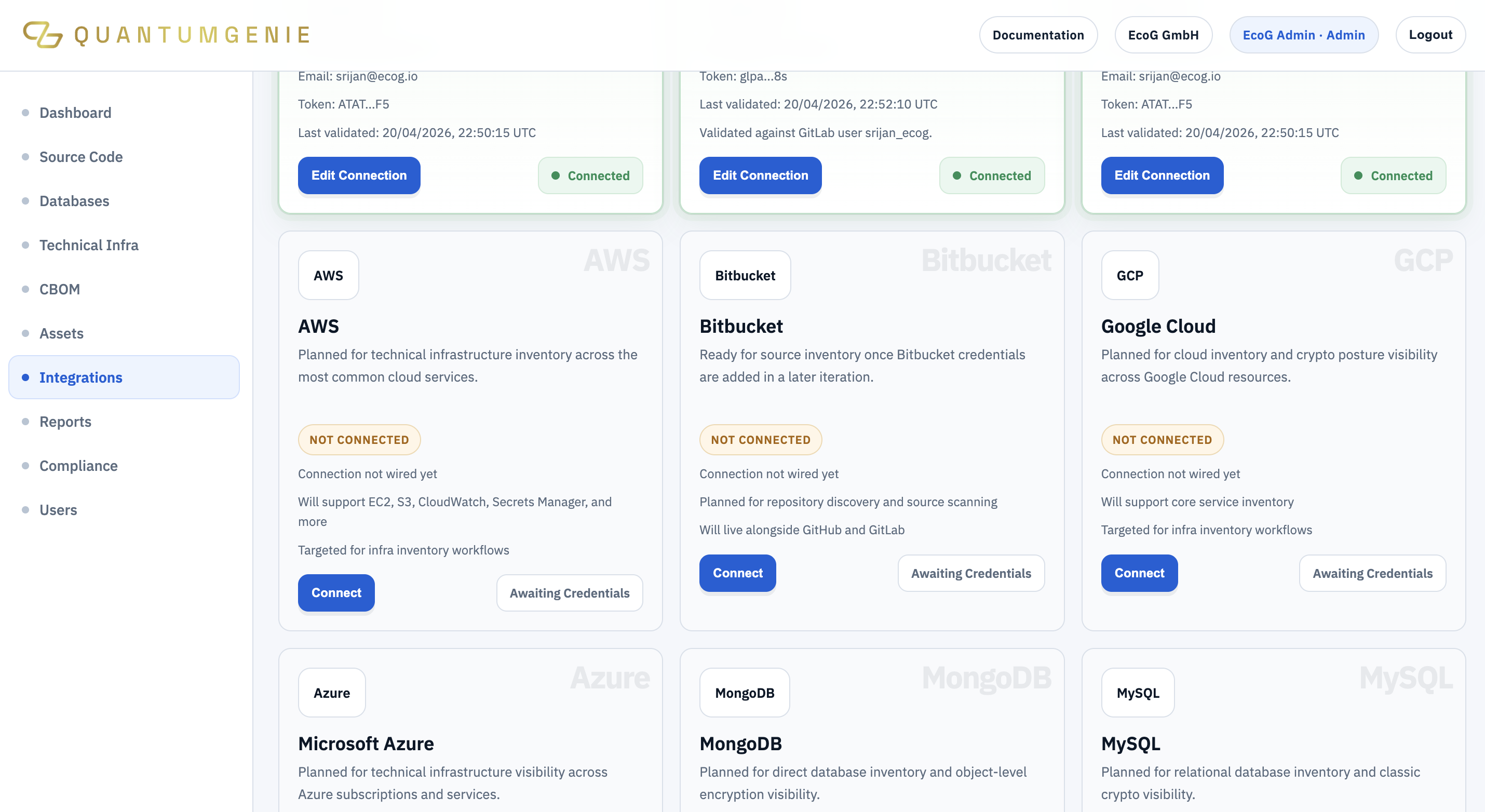
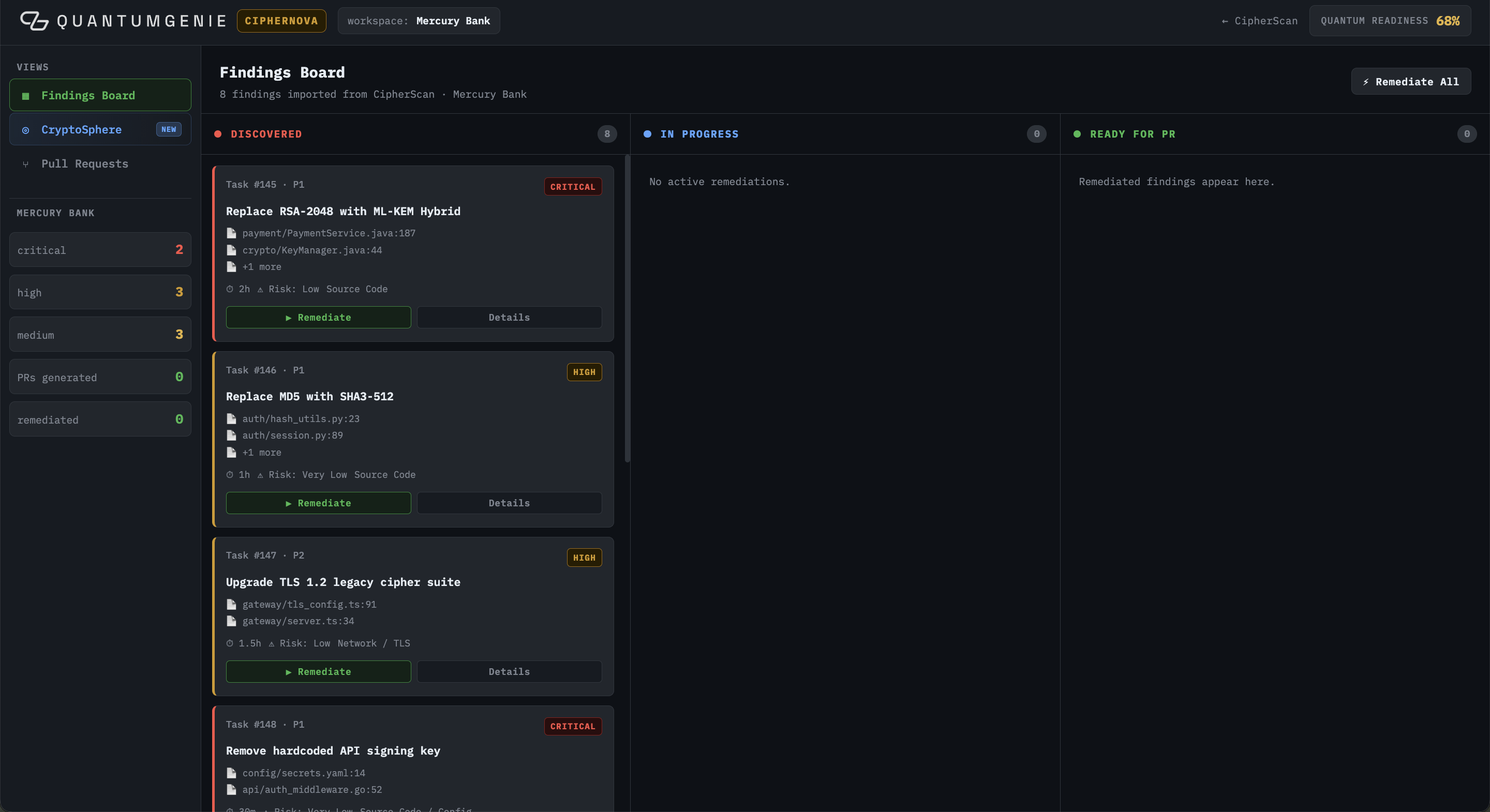
QuantumGenie provides the critical discovery and governance platform that underpins continuous post-quantum migration efforts like the one PKWARE models. By delivering a comprehensive cryptographic inventory and Change BOM (CBOM), QuantumGenie allows enterprises to visualize cryptographic exposures across distributed assets — including web infrastructure, certificates, source code, and applications—vital for managing continuous key updates. Its CipherScan layer uncovers crypto exposure while CipherNova orchestrates prioritized remediation, pull requests, and policy enforcement, ensuring that the transition to adaptive post-quantum security remains controlled, auditable, and operationally feasible for enterprise teams.
Frequently Asked Questions
Why is continuous crypto-agility critical for post-quantum readiness?
Because post-quantum cryptographic standards and threats evolve quickly, continuous crypto-agility ensures enterprises can apply updates and algorithm changes promptly to protect data against emerging risks without costly and disruptive migrations.
How does QuantumGenie assist in managing continuous cryptographic changes?
QuantumGenie offers automated cryptographic discovery, inventory management, risk prioritization, and remediation orchestration, enabling enterprises to operationalize ongoing updates and maintain compliance and security as cryptography evolves.
Watch The Quantum Threat
Sources And Further Reading
- PKWARE Re-Engineers Key Management for Continuous Cryptographic Change PR Newswire · Jun 1, 2026
- Post-Quantum Cryptography Migration: 2026 Roadmap LayerLogix · Jun 12, 2026