In This Article
What This Means
- Why Structured Migration Programs Are Critical Now
- Key Practical Steps in Migration: Inventory, Prioritization, Rollout
- How QuantumGenie Supports Structured PQC Migration Programs
Why Structured Migration Programs Are Critical Now
The transition from classical to post-quantum cryptography (PQC) is no longer a distant concept; it demands immediate, systematic attention from enterprises. Organizations must not only adopt new algorithms but also carefully inventory existing cryptographic assets, assess exposure to quantum threats, and plan multi-phase rollouts to ensure operational continuity and compliance. Recent frameworks, such as the six-phased approach described by Petronella Technology Group, offer a pragmatic roadmap centered on discovery, risk management, and incremental deployment.
Effective migration programs reduce the risk of cryptographic debt accumulation—hidden legacy vulnerabilities that quantum computers could exploit—and enable enterprises to meet evolving regulations and standards. Implementing such a structured plan empowers security teams to move beyond ad hoc fixes toward repeatable, auditable processes that align technical, compliance, and business priorities.
Key Practical Steps in Migration: Inventory, Prioritization, Rollout
A core pillar of migration success is establishing a detailed cryptographic inventory covering certificates, applications, infrastructure, and integration points. This inventory feeds risk prioritization efforts, distinguishing which assets pose the highest quantum risk and require urgent remediation. The phased rollout then strategically updates cryptographic materials and protocols, validated through testing and compliance checkpoints, minimizing disruption.
Supporting this approach, enterprise tools that offer continuous discovery and analysis of cryptographic posture—like those highlighted by Qinsight—help teams visualize risks and monitor progress. These solutions complement structured migration frameworks by automating visibility and providing actionable insights, significantly shortening the feedback loop for security operations.
Phases of a Structured Post-Quantum Cryptography Migration Program
| Phase | Description | Enterprise Value |
|---|---|---|
| Discovery and Inventory | Comprehensive cryptographic asset mapping across the enterprise | Foundation for risk assessment and migration planning |
| Risk Prioritization | Assess and rank cryptographic exposure to quantum vulnerability | Focus resources on highest-impact assets |
| Algorithm Selection and Testing | Select NIST-approved PQC algorithms and test interoperability | Reduce deployment risk and ensure compatibility |
| Incremental Rollout | Phased deployment of PQC-enabled components | Minimize operational disruption and validate progress |
How QuantumGenie Supports Structured PQC Migration Programs
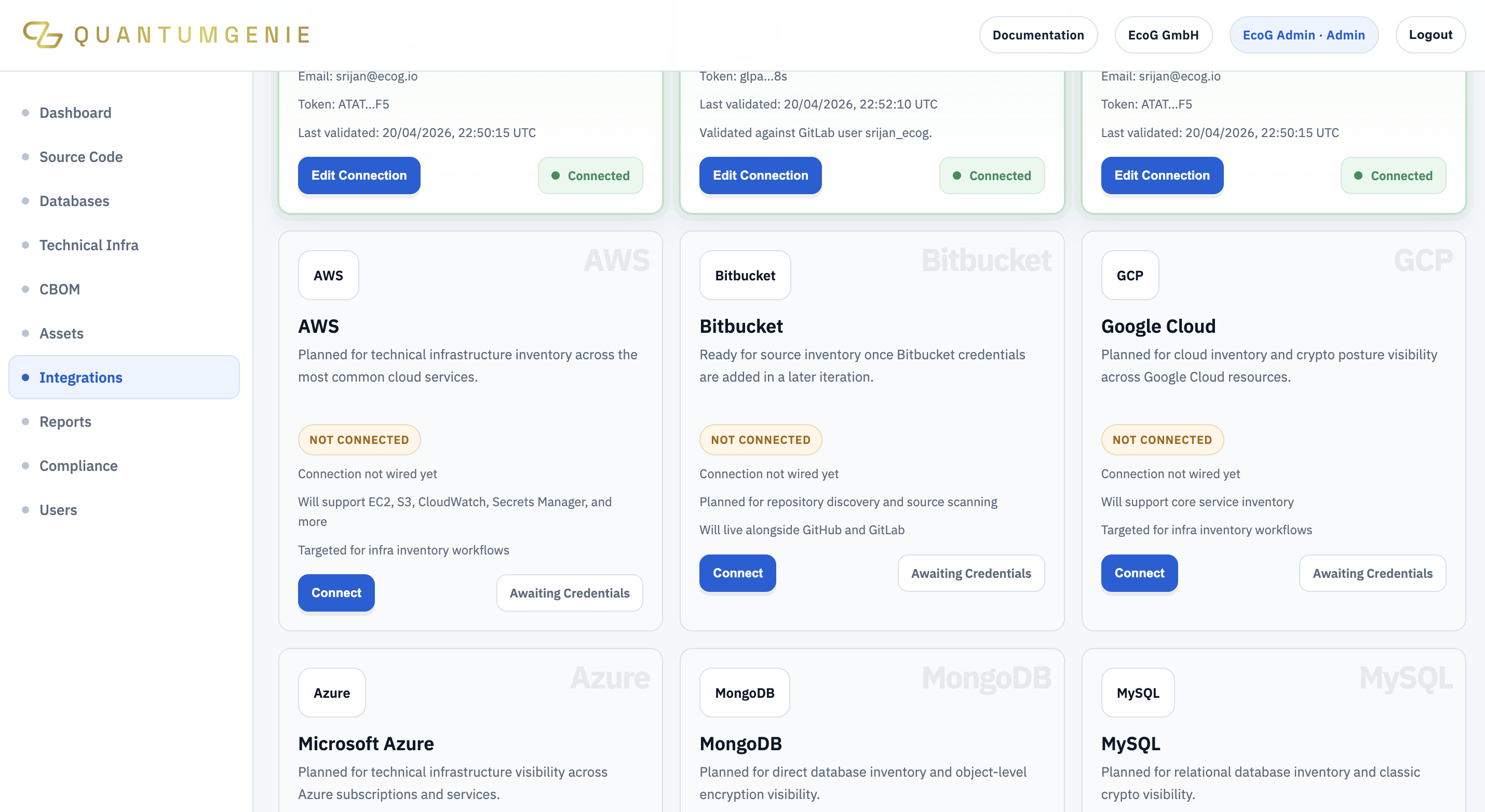
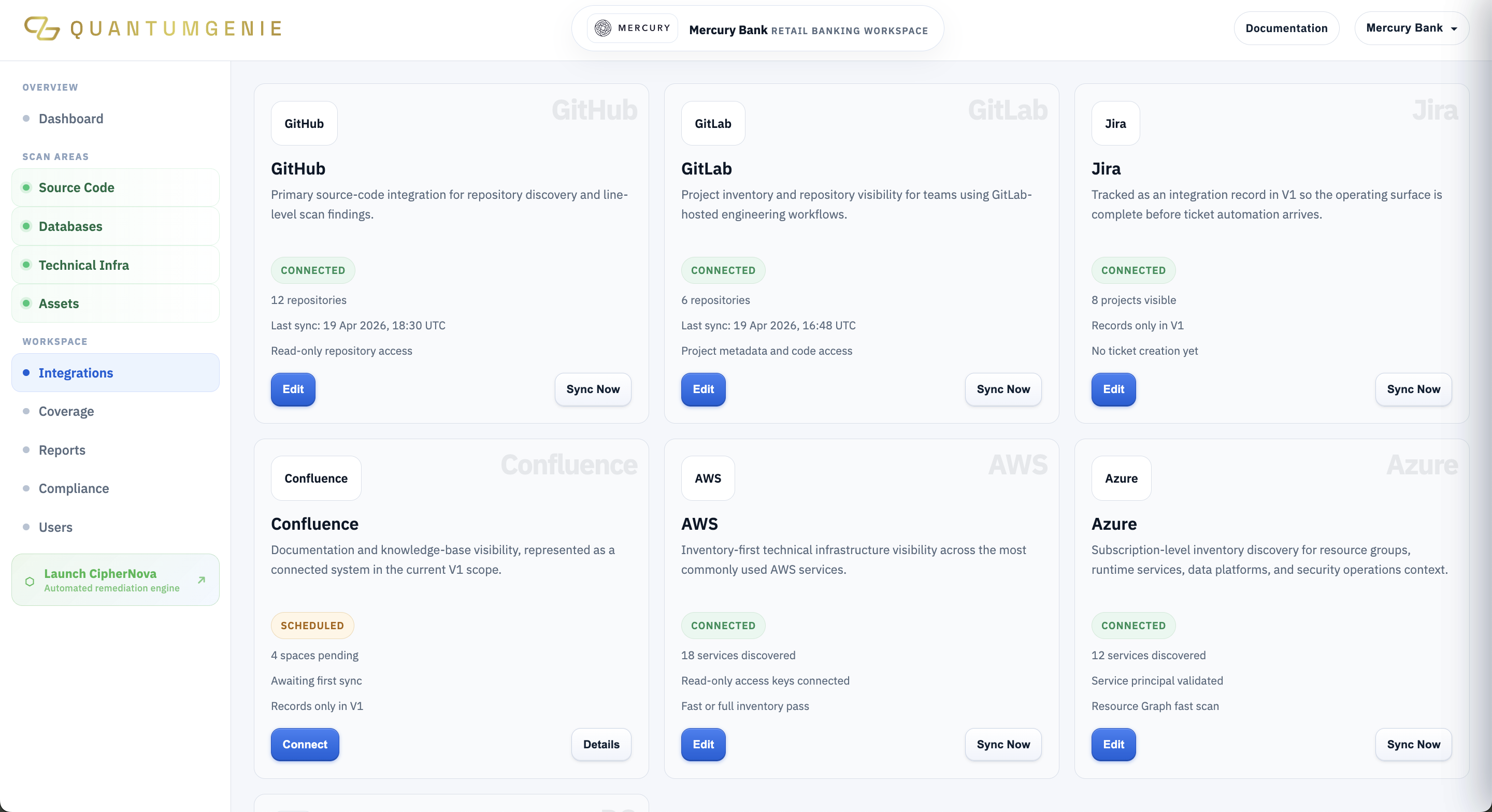
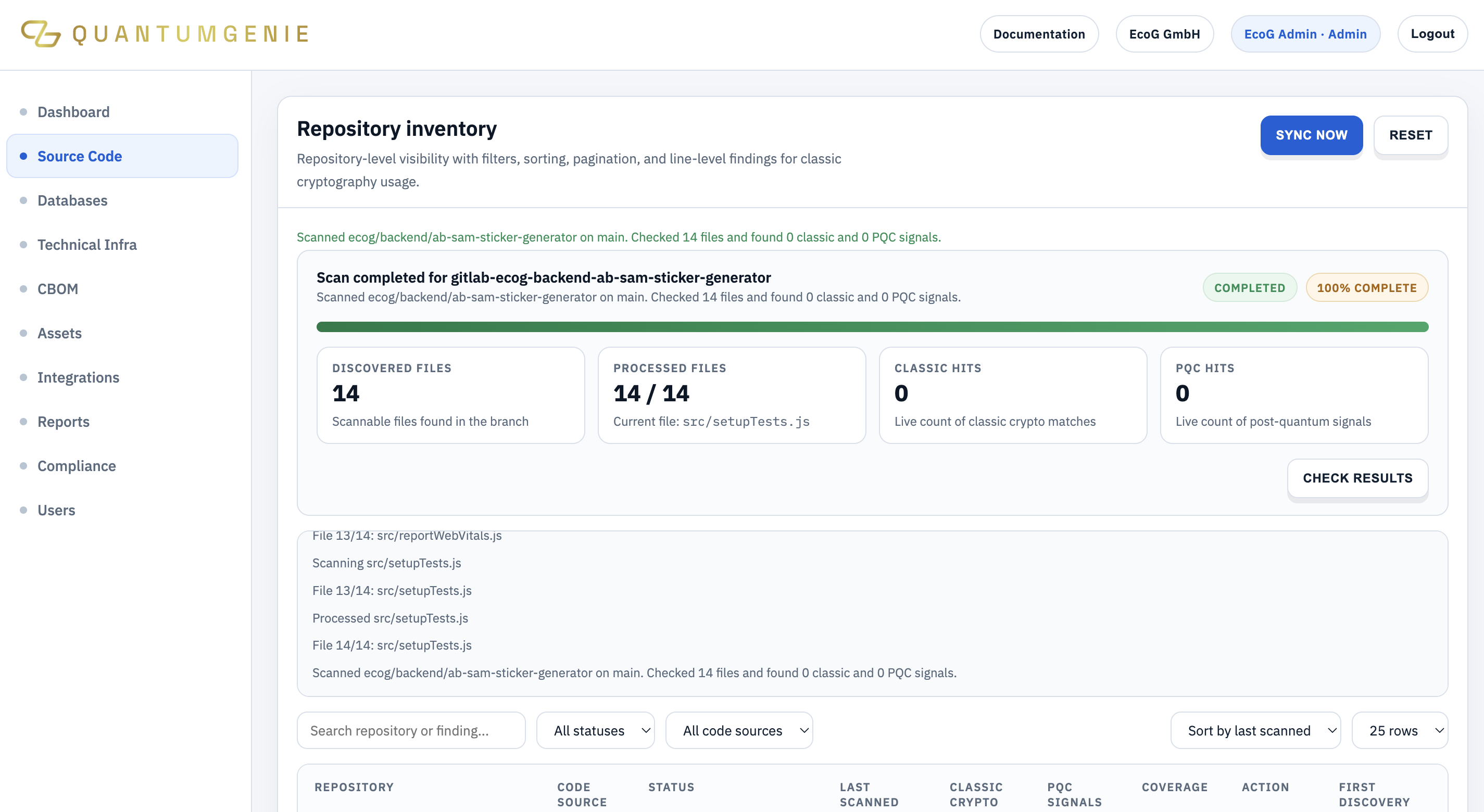
QuantumGenie addresses key phases of comprehensive PQC migration programs by providing continuous cryptographic asset discovery, creating detailed cryptographic bill of materials (CBOM), and enabling risk prioritization workflows. Its CipherScan module serves as an inventory and exposure discovery engine, while CipherNova orchestrates remediation tasks, policy exceptions, change controls, and verification steps essential for phased rollouts.
By integrating inventory, prioritization, and operational orchestration in one platform, QuantumGenie empowers enterprises to implement migration frameworks like Petronella’s with greater confidence and oversight. This structured approach ensures that migration efforts are coordinated, transparent, and compliant, helping CISOs and enterprise architects control complexity and accelerate readiness ahead of looming quantum threats.
Frequently Asked Questions
Why is a cryptographic inventory essential for PQC migration?
A detailed cryptographic inventory reveals all the points where classical cryptography is used, enabling organizations to assess quantum exposure accurately and plan their migration steps effectively.
How does phased rollout reduce risks in PQC migration?
Phased rollout allows enterprises to incrementally implement new post-quantum algorithms, test their impact, fix issues early, and ensure business continuity without overwhelming operational teams.
Watch The Quantum Threat
Sources And Further Reading
- Petronella Technology Group Offers Structured Post-Quantum Cryptography Migration Services Petronella Technology Group · Jun 28, 2026
- Qinsight's Cryptographic Posture Management Platform Enhances Quantum Readiness Qinsight · Jul 1, 2026