In This Article
What This Means
- The Rising Need for Structured Migration to Post-Quantum Cryptography
- Key Components of Effective Post-Quantum Migration Programs
- How QuantumGenie Fits into Post-Quantum Migration Strategies
The Rising Need for Structured Migration to Post-Quantum Cryptography
The accelerating pace of quantum computing advancements has placed enterprises on a critical timeline to safeguard their cryptographic infrastructure. Petronella Technology Group's recent introduction of a structured, phased methodology for migrating from classical to post-quantum cryptography illustrates a maturing market response to these pressures. Their approach emphasizes comprehensive cryptographic asset inventory, systematic risk assessment, and prioritization — key steps for organizations to understand what data and communications require urgent quantum-safe protections.
This shift from solely theoretical readiness to practical, actionable migration frameworks is vital. Businesses must move beyond awareness and towards concrete steps that minimize disruption while mitigating the profound risks posed by potential quantum-enabled attacks. The Post-Quantum threat is no longer remote; harvest-now-decrypt-later vulnerabilities demand immediate enterprise action.
Key Components of Effective Post-Quantum Migration Programs
Petronella's phased migration model underscores several essential elements vital to enterprise readiness: a detailed cryptographic inventory to locate all vulnerable assets; prioritization frameworks that classify risk based on exposure and business impact; and phased rollout plans that allow seamless transition without operational disruption. This structured approach aligns closely with guidance from standards bodies like NIST, ensuring that enterprises follow compliant and effective migration paths.
Supporting this perspective, CyberSeQ’s PostQ™ platform offers a system of record that helps identify and track cryptographic risk across complex environments, reinforcing how technology can underpin disciplined migration practices. Together, these developments indicate that robust tooling combined with methodical program design is becoming the best practice for post-quantum cryptographic migration.
Phased Post-Quantum Migration Elements
| Step | Focus Area | Enterprise Benefit |
|---|---|---|
| Cryptographic Inventory | Comprehensive discovery of cryptographic assets | Clear visibility to inform risk and remediation planning |
| Risk Prioritization | Assess quantum vulnerability and business impact | Prioritize limited resources towards highest risk assets |
| Phased Migration Plan | Gradual rollout of quantum-safe algorithms | Minimize operational disruption and ensure steady progress |
| Remediation Workflow | Manage pull requests, exceptions, and verification | Maintain auditability and coordination during migration |
How QuantumGenie Fits into Post-Quantum Migration Strategies
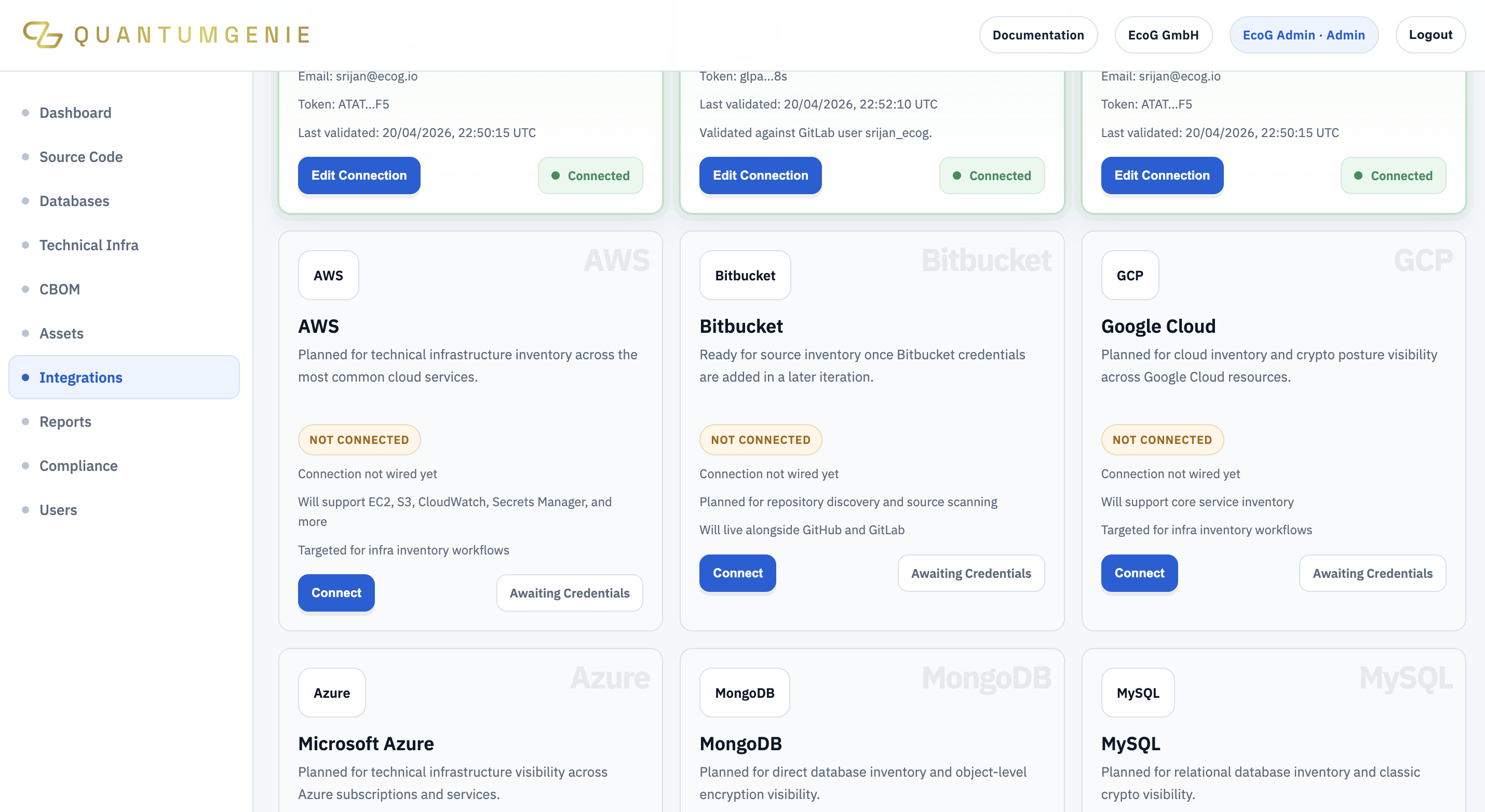
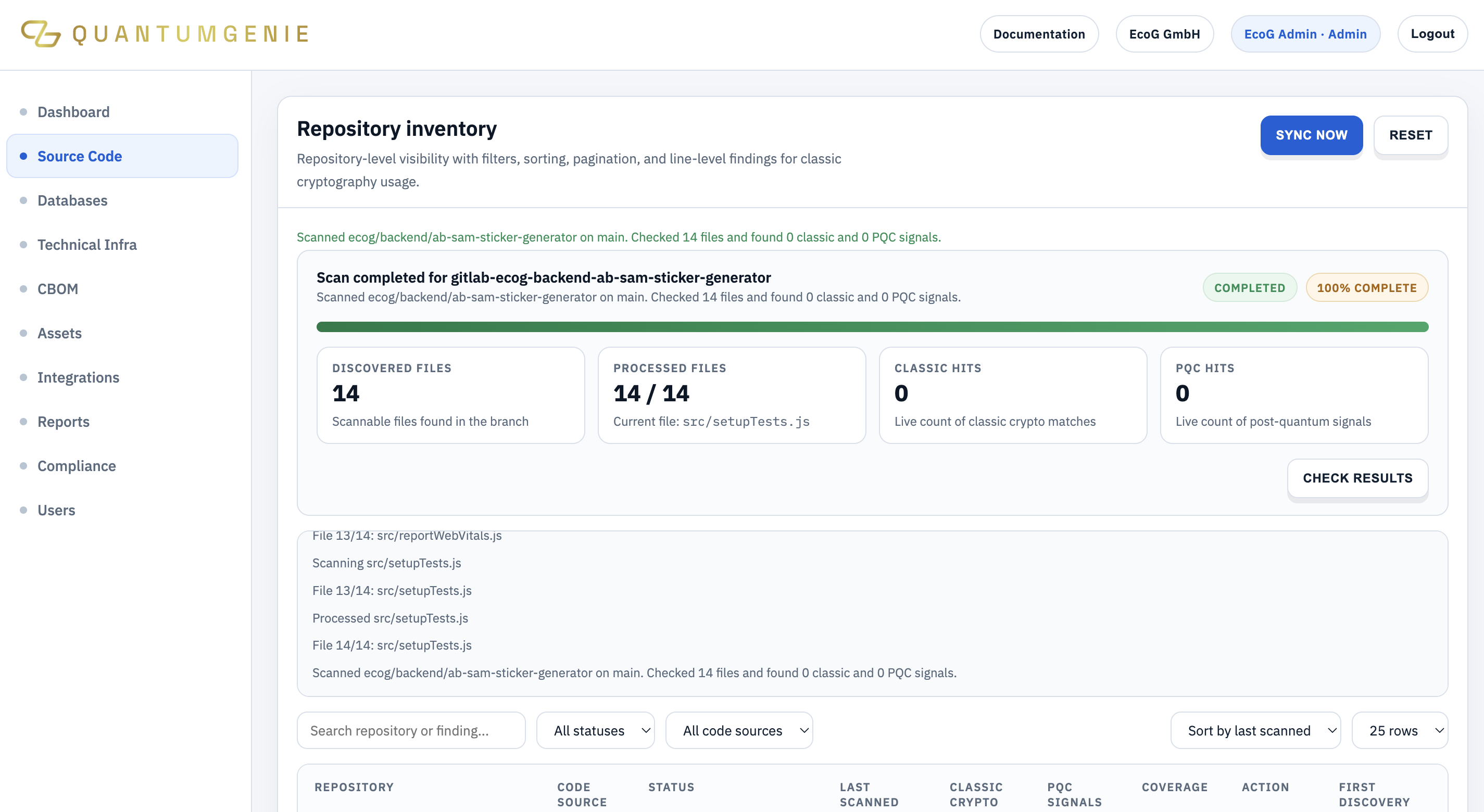
QuantumGenie plays a strategic role by addressing the foundational step of cryptographic discovery and risk prioritization through its CipherScan platform. By enabling enterprises to build an exhaustive cryptographic inventory and map their cryptographic bill of materials (CBOM), QuantumGenie sets the stage for effective migration planning and risk management. This inventory visibility is critical before any remediation or algorithm migration is attempted.
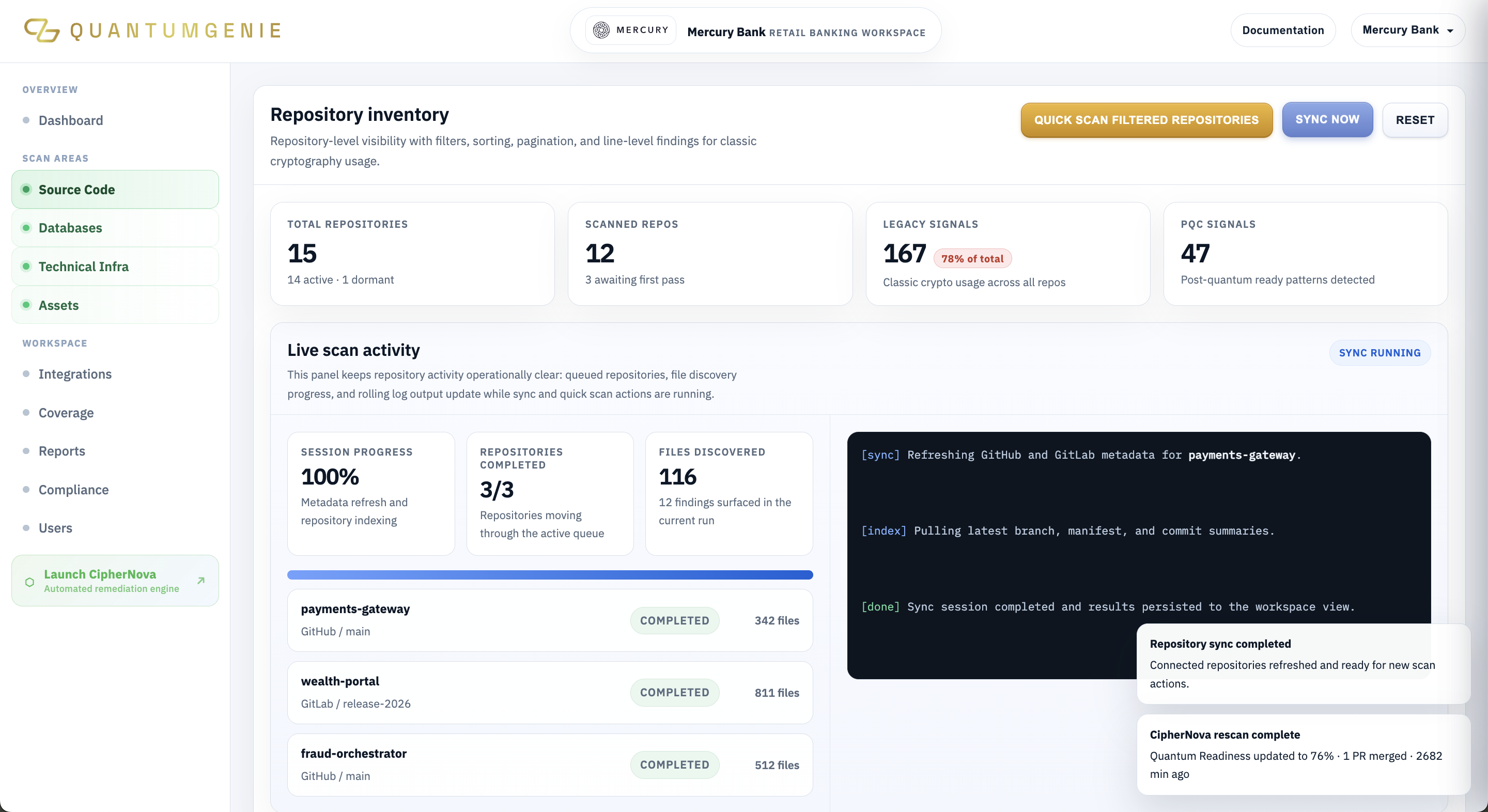
Further, QuantumGenie’s workflow-centric CipherNova module supports the phased execution of migration plans, orchestrating pull requests, policy exceptions, and verification processes seamlessly. This operational visibility and workflow support empower security and infrastructure teams to carry out complex post-quantum migration projects methodically and auditable, aligning perfectly with the phased, structured approaches enterprises are now adopting.
Frequently Asked Questions
Why is cryptographic inventory crucial for post-quantum migration?
A detailed cryptographic inventory identifies all locations where vulnerable cryptography exists, enabling organizations to prioritize remediation efforts effectively and ensure no critical asset remains unprotected against quantum threats.
How does phased migration reduce risk for enterprises?
Phased migration allows organizations to implement quantum-safe algorithms gradually, minimizing operational disruptions and providing opportunities to validate and adjust migration steps before full deployment, thus reducing overall risk.
Watch The Quantum Threat
Sources And Further Reading
- Petronella Technology Group Offers Post-Quantum Cryptography Migration Services Petronella Technology Group · Jun 28, 2026
- CyberSeQ PostQ: Post-Quantum Cryptography Migration Platform CyberSeQ · Jun 25, 2026