In This Article
What This Means
- The Imperative of Cryptographic Control Amidst Ransomware Disruptions
- Emerging Threats: Post-Quantum Encryption in Ransomware
- How QuantumGenie Fits into the Enterprise Cryptography Landscape
The Imperative of Cryptographic Control Amidst Ransomware Disruptions
Operation Cronos has recently struck a significant blow against the LockBit ransomware gang by seizing their infrastructure and decryption keys. This operation underscores the central role that encryption plays in ransomware attacks — both as a tool exploited by attackers and as a potential avenue for defenders. For enterprise security teams, this law enforcement success clarifies the importance of deep visibility into cryptographic assets and their use cases as part of ransomware defense strategies.
Ransomware operations leverage encryption to lock down critical data, making cryptographic key management and discovery essential enterprise capabilities. The disruption of LockBit's infrastructure also signals that attackers rely on stealth and control over encryption processes that enterprises must anticipate and counter effectively. Comprehensive cryptographic inventories are no longer optional; they are a front line of defense against ransomware losses.
Emerging Threats: Post-Quantum Encryption in Ransomware
Adding complexity to this landscape is the rise of ransomware variants employing post-quantum encryption algorithms, such as the Kyber ransomware using Kyber1024 on Windows and ESXi systems. This shift reveals attackers' eagerness to adopt advanced cryptographic techniques that could potentially circumvent classical mitigation methods in the future.
This evolution mandates that enterprises not only manage current cryptographic assets but also prepare for the upcoming quantum threat horizon. Post-quantum encryption in malicious hands elevates the stakes, increasing the urgency for cryptographic agility, continuous posture assessment, and migration planning toward quantum-safe algorithms.
Key Ransomware Cryptography Considerations for Enterprises
| Aspect | Enterprise Action | QuantumGenie Enablement |
|---|---|---|
| Encryption Use in Ransomware Attacks | Maintain visibility on cryptographic keys and algorithms | CipherScan detects cryptographic exposure across environments |
| Post-Quantum Cryptography Threats | Plan migration strategies and build quantum-safe readiness | CBOM and risk prioritization tools support migration planning |
| Remediation and Governance | Orchestrate fixes and policy compliance | CipherNova workflows enable remediation and compliance evidence |
| Operational Visibility | Continuous discovery and updates to crypto posture | Real-time inventory updates to adapt to new threats |
How QuantumGenie Fits into the Enterprise Cryptography Landscape
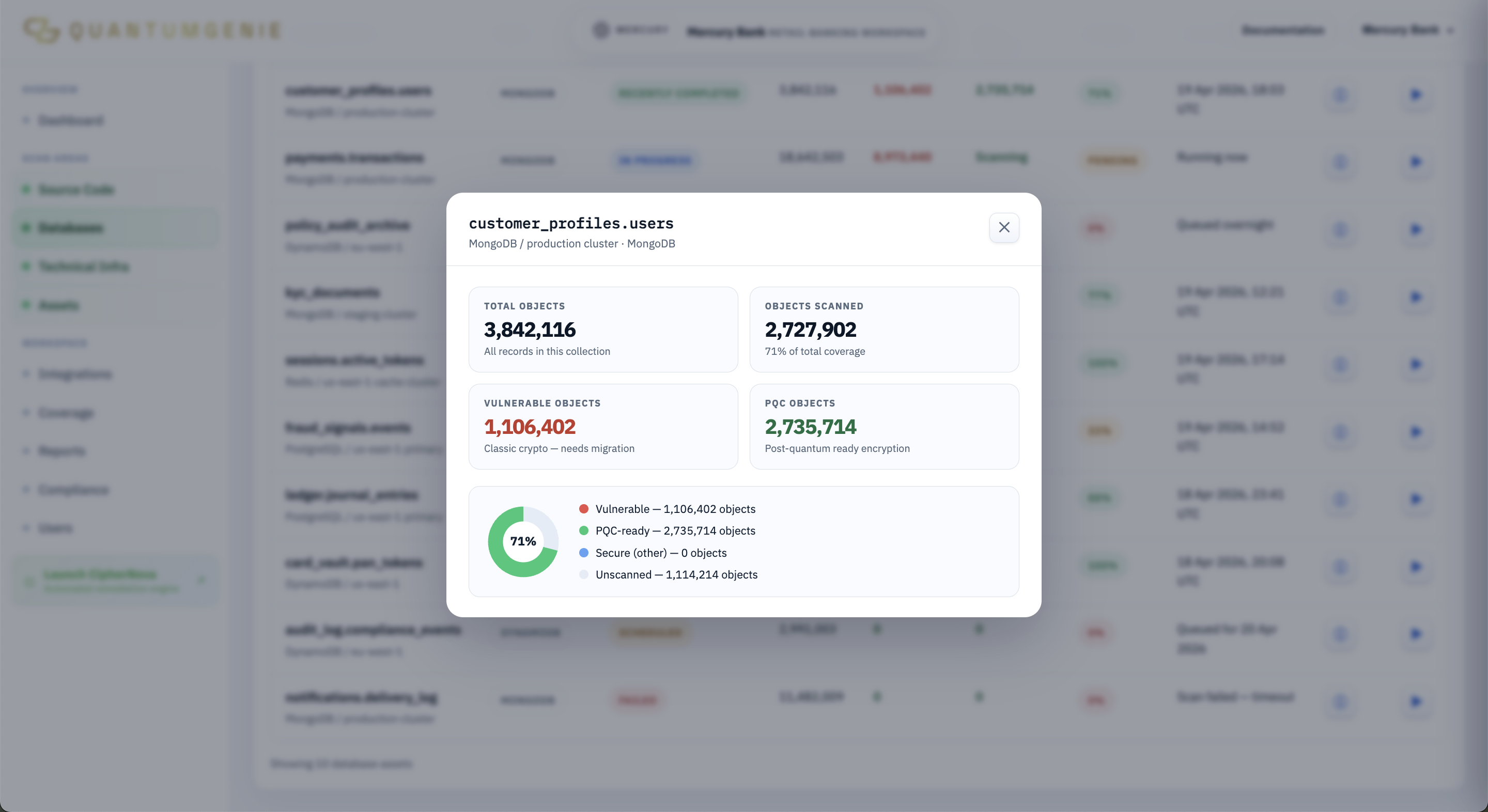
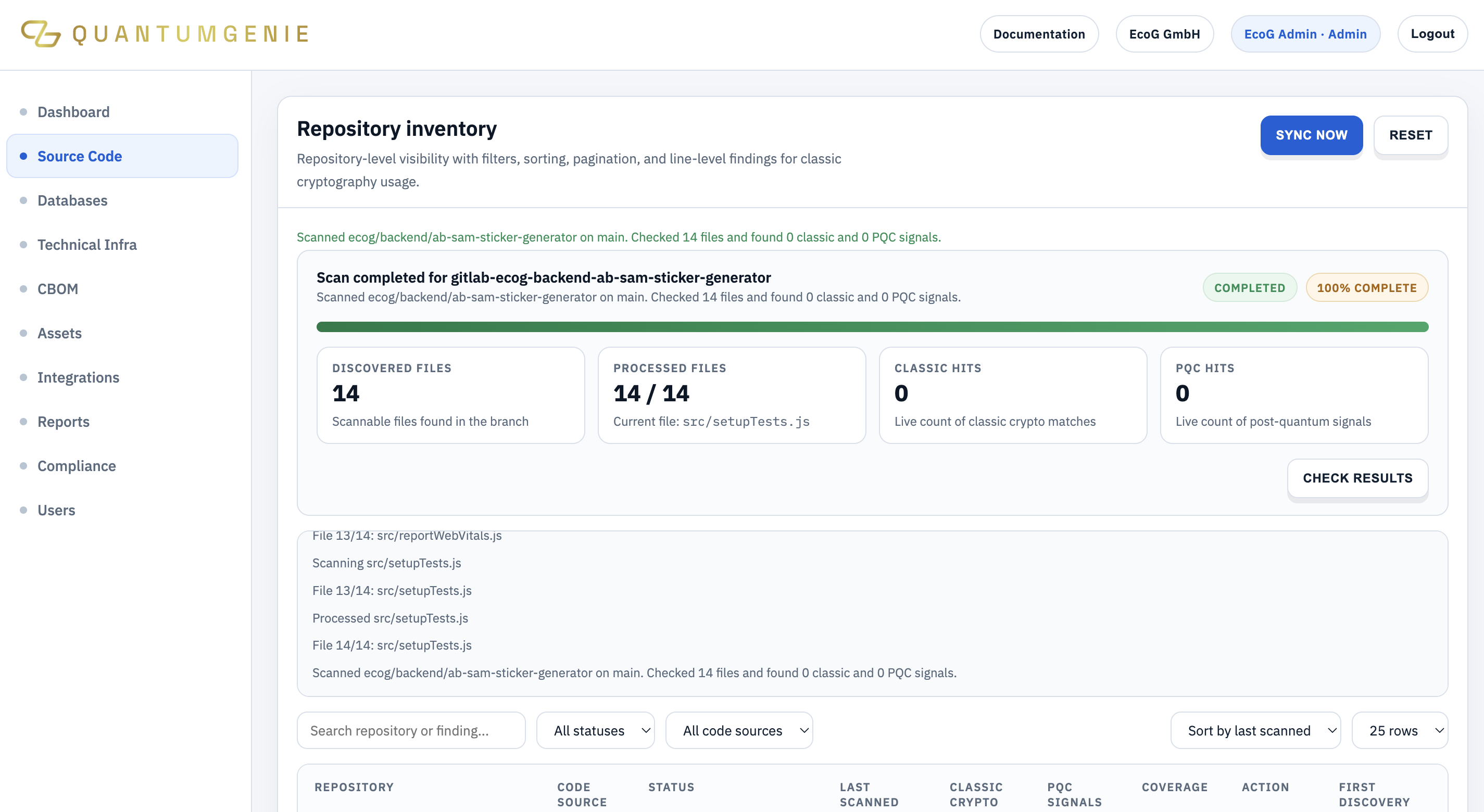
QuantumGenie addresses these emerging enterprise challenges by offering an enterprise-grade platform to discover cryptographic usage comprehensively across infrastructure, applications, and code repositories. Its CipherScan discovery engine enables organizations to build accurate cryptographic inventories and Software Bills of Materials (CBOM), providing critical visibility to assess risk tied to ransomware and post-quantum threats.
Coupled with CipherNova’s orchestration capabilities, QuantumGenie facilitates prioritized remediation workflows and policy enforcement to operationalize cryptographic governance. This end-to-end approach empowers security teams to prepare for ransomware realities demonstrated by Operation Cronos and proactively manage the impending migration to quantum-safe cryptography before threats materialize into breaches.
Frequently Asked Questions
Why is cryptographic inventory crucial for ransomware defense?
Ransomware exploits encryption to lock data; knowing where and how cryptography is used enables enterprises to identify weak points and prioritize remediation to prevent attacks or enable recovery.
How does post-quantum encryption in ransomware impact enterprise security?
Post-quantum encryption used by attackers can make future decryption even harder, increasing the risk of permanent data loss. Enterprises must prepare by migrating to quantum-safe algorithms and maintaining cryptographic agility.
Watch The Quantum Threat
Sources And Further Reading
- Operation Cronos Disrupts LockBit Ransomware Gang's Operations TechTarget · Feb 20, 2024
- Kyber Ransomware Targets Windows and ESXi with Post-Quantum Encryption Claims SC Media · Apr 23, 2026