In This Article
What This Means
- The National Institute of Standards and Technology (NIST) has released draft working materials to assist civilian agencies in integrating post-quantum cryptographic algorithms into federal identity access systems. This initiative aims to bolster the security of identity verification processes against the emerging threats posed by quantum computing.
- For enterprises, especially those handling sensitive data, aligning with NIST's guidance is imperative. Implementing post-quantum cryptography ensures that identity verification mechanisms remain secure in the face of advancing quantum technologies, thereby maintaining trust and compliance with federal standards.
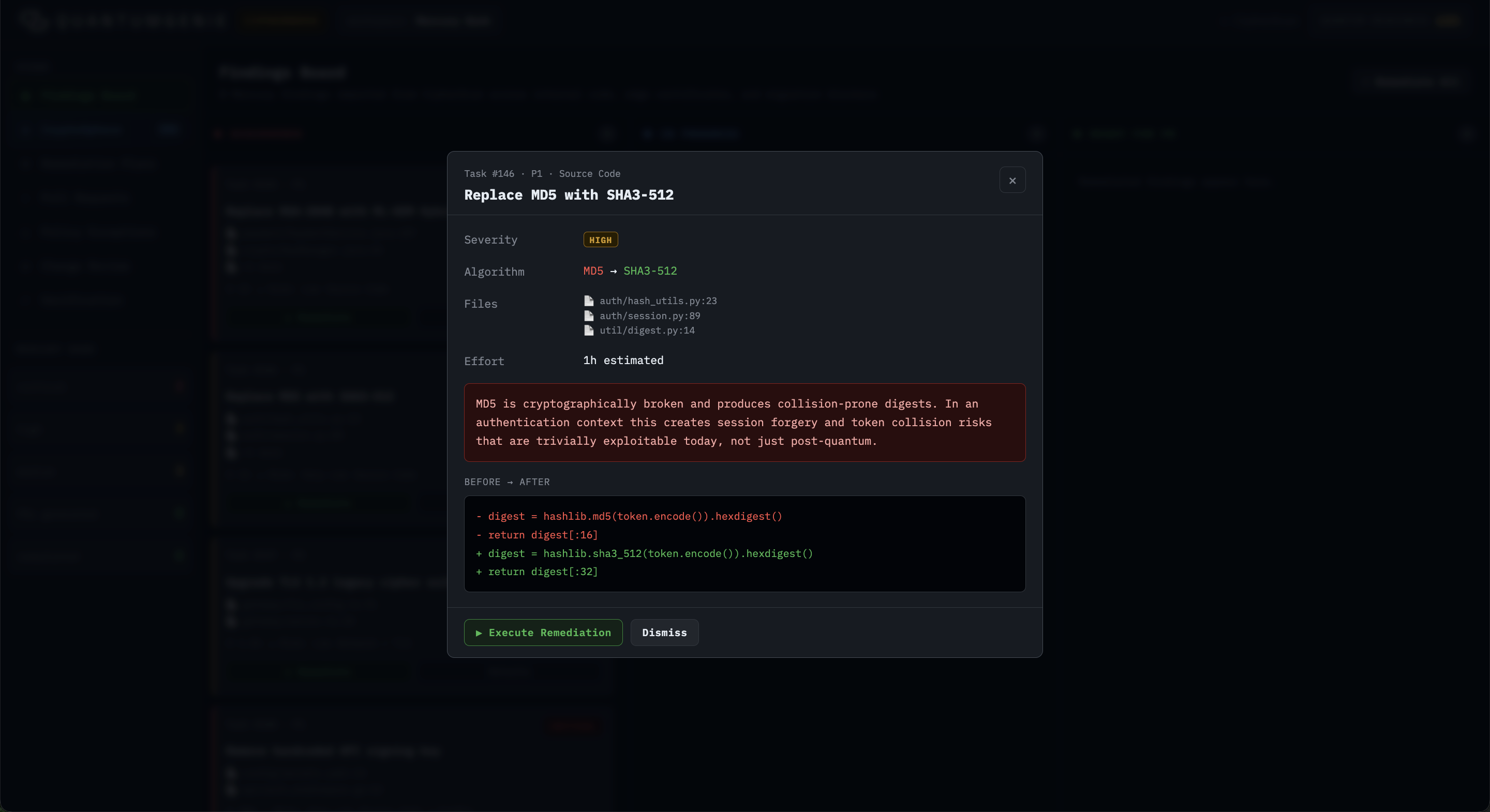
- QuantumGenie offers a comprehensive solution for organizations to discover existing cryptographic implementations, build a detailed cryptographic inventory, and plan migration strategies. By leveraging CipherScan for discovery and CipherNova for remediation orchestration, enterprises can effectively transition to quantum-resistant cryptographic standards, ensuring compliance with NIST's evolving guidelines.
Understanding NIST's Draft Guidance
The National Institute of Standards and Technology (NIST) has released draft working materials to assist civilian agencies in integrating post-quantum cryptographic algorithms into federal identity access systems. This initiative aims to bolster the security of identity verification processes against the emerging threats posed by quantum computing.
Implications for Enterprise Cybersecurity
For enterprises, especially those handling sensitive data, aligning with NIST's guidance is imperative. Implementing post-quantum cryptography ensures that identity verification mechanisms remain secure in the face of advancing quantum technologies, thereby maintaining trust and compliance with federal standards.

NIST's Post-Quantum Cryptography Standards
| Standard | Description | Status |
|---|---|---|
| FIPS 203 | Module-Lattice-Based Key-Encapsulation Mechanism (ML-KEM) | Finalized in August 2024 |
| FIPS 204 | Module-Lattice-Based Digital Signature Algorithm (ML-DSA) | Finalized in August 2024 |
| FIPS 205 | Stateless Hash-Based Digital Signature Algorithm (SLH-DSA) | Finalized in August 2024 |
| Additional Digital Signatures | Ongoing evaluation of additional quantum-resistant signature algorithms | Third round initiated in May 2026 |
How QuantumGenie Fits
QuantumGenie offers a comprehensive solution for organizations to discover existing cryptographic implementations, build a detailed cryptographic inventory, and plan migration strategies. By leveraging CipherScan for discovery and CipherNova for remediation orchestration, enterprises can effectively transition to quantum-resistant cryptographic standards, ensuring compliance with NIST's evolving guidelines.
Frequently Asked Questions
What is the significance of NIST's draft guidance for federal identity systems?
NIST's draft guidance provides a framework for federal agencies to integrate post-quantum cryptographic algorithms into identity verification processes, enhancing security against quantum computing threats.
How can enterprises align with NIST's post-quantum cryptography standards?
Enterprises can align by assessing their current cryptographic implementations, building a comprehensive cryptographic inventory, and planning migration strategies to adopt quantum-resistant algorithms, utilizing tools like QuantumGenie for effective transition.
Watch The Quantum Threat
Sources And Further Reading
- NIST Releases Working Draft Guidance on Incorporating Post-Quantum Algorithms in Federal Identity Standards InsideCyberSecurity.com · Jun 15, 2026
- NIST Advances Nine Candidates to the Third Round of Additional Post-Quantum Digital Signatures The Qubit Report · May 17, 2026
- NIST Announces Next Round of Encryption-Resistant Algorithms for Standardization, Crucial to Post-Quantum Transition InsideCyberSecurity.com · May 18, 2026