In This Article
What This Means
- Understanding NIST’s Integration Guidance and Its Enterprise Implications
- Crypto-Agility as a Cyber Resilience Imperative
- Comment QuantumGenie s’intègre : de la découverte à la migration efficace
Understanding NIST’s Integration Guidance and Its Enterprise Implications
The National Institute of Standards and Technology (NIST) has recently published a detailed guide on integrating post-quantum cryptography (PQC) algorithms into existing security infrastructures. This document offers a vital bridge between established cybersecurity frameworks and the new demands posed by quantum computing’s anticipated ability to break classical cryptography. For enterprises, this guidance is more than theoretical—it signals that organizations must begin aligning their cryptographic assets with quantum-resistant algorithms without compromising current security operations.
Enterprises now face the challenge of mapping NIST's PQC recommendations onto their existing systems, policies, and compliance requirements. The guidance emphasizes a phased approach, advocating for cryptographic agility, hybrid deployments, and ongoing risk assessment. For chief information security officers (CISOs) and enterprise architects, this means taking inventory of current cryptographic uses, understanding their exposure to quantum risk, and planning migration strategies that maintain operational continuity.
Crypto-Agility as a Cyber Resilience Imperative
Supporting the NIST framework, industry experts underscore that crypto-agility—the capability to switch cryptographic algorithms swiftly and securely—will be the cornerstone of post-quantum cyber resilience. As TechRadar highlights, the quantum threat is accelerating the need for flexibility in cryptographic systems to prevent data breaches and maintain trust.
Implementing crypto-agility at scale requires enterprises to rethink how encryption is deployed across applications, digital certificates, and infrastructure components. Enterprises should prioritize building cryptographic inventories, certify quantum-resistant components, and dynamically enforce policy changes to stay ahead of evolving threats.

Key Enterprise Considerations for Post-Quantum Cryptography Integration
| Consideration | Enterprise Action | QuantumGenie Role |
|---|---|---|
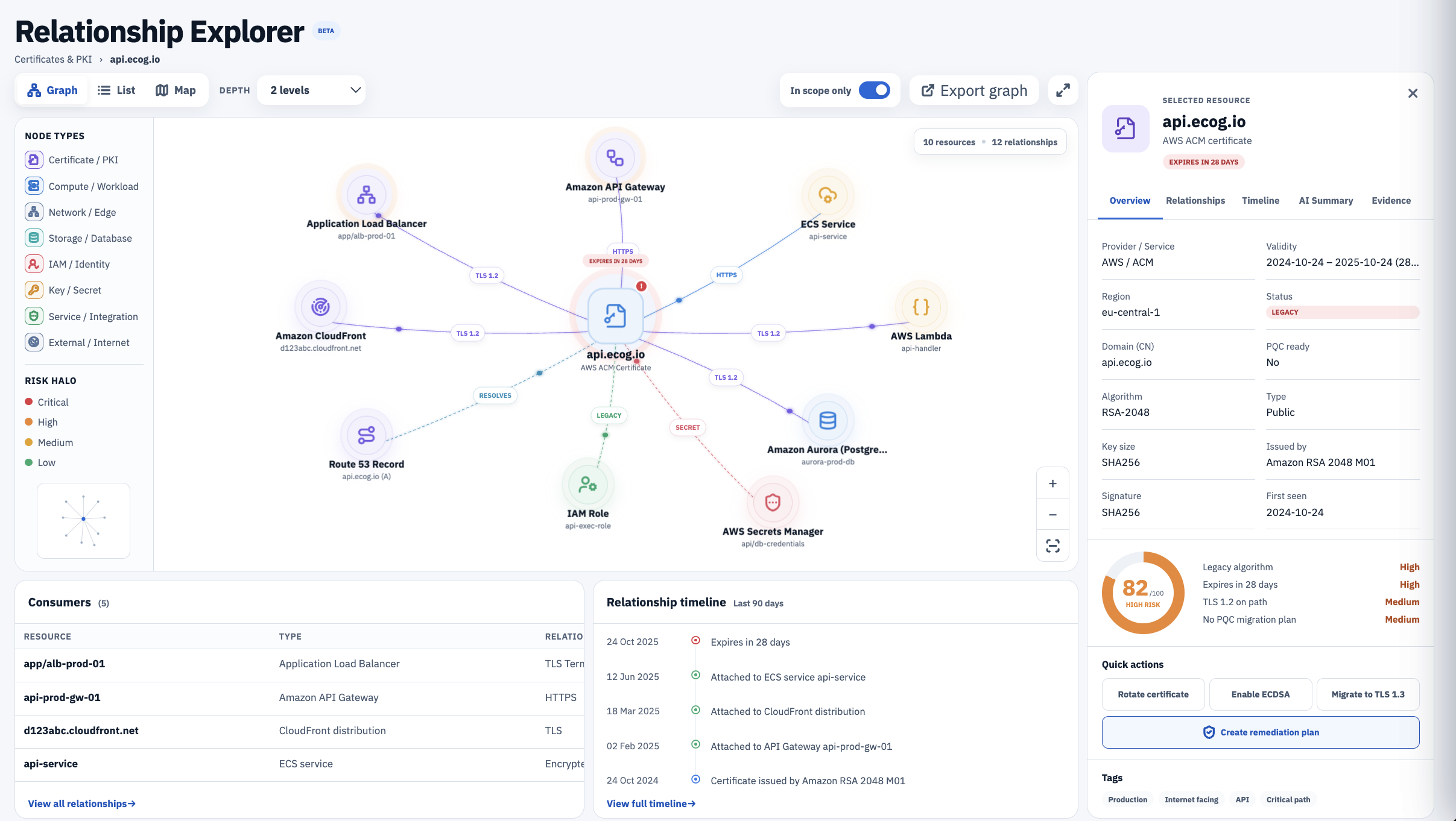
| Cryptographic Inventory | Identify and catalog all cryptographic assets across environments | Comprehensive discovery and CBOM generation |
| Risk Prioritization | Assess quantum vulnerability and prioritize high-impact areas | Targeted risk analysis and migration planning |
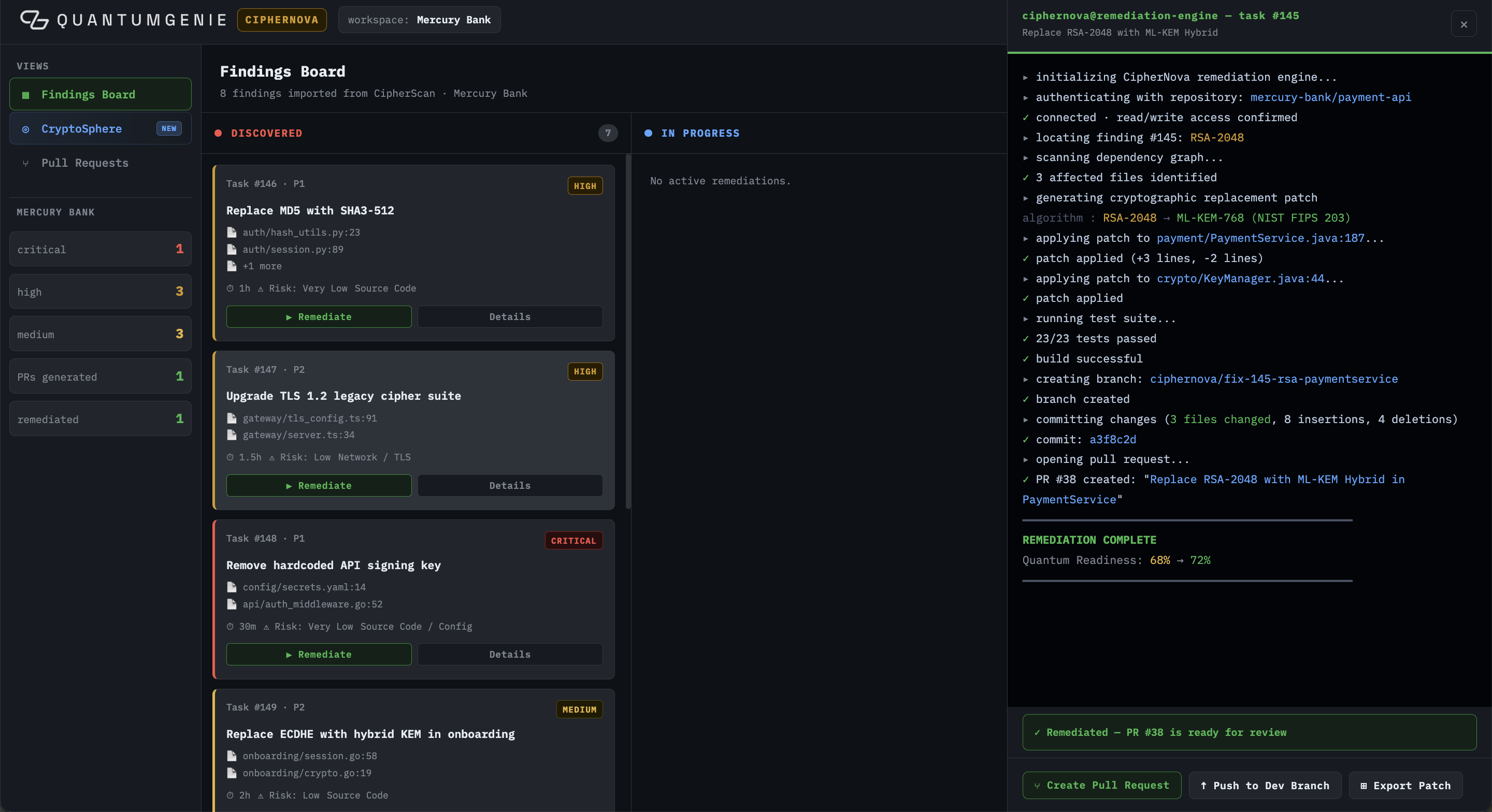
| Crypto-Agility Implementation | Enable algorithm flexibility and hybrid cryptography | Operational workflows for controlled migration |
| Compliance Readiness | Align migration with regulatory standards and audits | Documentation and certification evidence |
Comment QuantumGenie s’intègre : de la découverte à la migration efficace
QuantumGenie is uniquely positioned to help organizations operationalize NIST’s post-quantum integration recommendations. Its platform provides comprehensive discovery across websites, certificates, source code, infrastructure, and databases, enabling teams to build an accurate cryptographic inventory and a software bill of materials (CBOM).
Additionally, QuantumGenie supports prioritized risk assessment aligned with compliance needs, allowing enterprises to plan their crypto-agility initiatives strategically. Its remediation workflows facilitate structured migration efforts, ensuring that enterprises can verify upgrades and maintain audit trails, essential for regulatory reporting and operational assurance in the quantum transition era.
Frequently Asked Questions
Why is NIST’s guidance crucial for enterprises now?
NIST’s guidance provides a practical roadmap to integrate quantum-resistant algorithms within existing frameworks, enabling enterprises to begin migration planning proactively before quantum threats become critical.
How does crypto-agility improve enterprise security against quantum threats?
Crypto-agility allows enterprises to switch cryptographic algorithms swiftly and securely, mitigating risks as quantum computing advances and new vulnerabilities emerge, thus preserving data protection.
Watch The Quantum Threat
Sources And Further Reading
- NIST Releases Guidance on Integrating Post-Quantum Cryptography with Existing Security Frameworks Cybersecurity Dive · Sep 19, 2025
- Cyber Resilience in the Post-Quantum Era: The Imperative of Crypto-Agility TechRadar · Aug 25, 2025