In This Article
What This Means
- A Milestone in Post-Quantum Cryptography: NIST’s New Standards
- Beyond Algorithms: The Imperative of Crypto-Agility
- How QuantumGenie Fits: Discovery and Migration Readiness
A Milestone in Post-Quantum Cryptography: NIST’s New Standards
The National Institute of Standards and Technology (NIST) has officially published its first three finalized post-quantum cryptography (PQC) standards, marking a critical milestone for enterprise cybersecurity. These algorithms are designed to thwart the decryption capabilities of future quantum computers, securing sensitive digital communications including emails, transactions, and data storage.
For enterprises, this advancement is a clear signal: the era of quantum threats is approaching, and reliance on classical cryptographic methods without a migration strategy exposes organizations to significant risk. These standards give a vetted foundation upon which companies can begin building their post-quantum defenses.
Beyond Algorithms: The Imperative of Crypto-Agility
While the release of PQC standards is a major technical achievement, federal officials and cybersecurity experts stress that enterprises must focus even more on cryptographic agility — the ability to quickly update or swap cryptographic algorithms without disrupting operations. Agility addresses the reality that cryptographic standards evolve, and adversaries continually develop new attack methods.
Implementing crypto-agility ensures organizations can adapt rapidly, whether to fine-tune PQC implementations, patch vulnerabilities, or respond to new compliance requirements. Hence, the NIST standards release should be the starting gun for enterprises to assess their cryptographic posture comprehensively and architect flexible, agile infrastructure.

Enterprise Post-Quantum Cryptography Readiness Checklist
| Step | Action | Purpose |
|---|---|---|
| Discovery and Inventory | Identify all cryptographic assets across systems and applications | Understand current exposure and scope of migration |
| Risk Prioritization | Evaluate assets based on sensitivity and quantum threat likelihood | Focus remediation efforts on highest-impact areas |
| Migration Planning | Develop phased plans aligned to NIST PQC standards and regulatory guidance | Ensure smooth transition minimizing operational disruption |
| Operationalize Agility | Implement workflows and policies for seamless algorithm updates | Maintain long-term adaptability and compliance |
How QuantumGenie Fits: Discovery and Migration Readiness
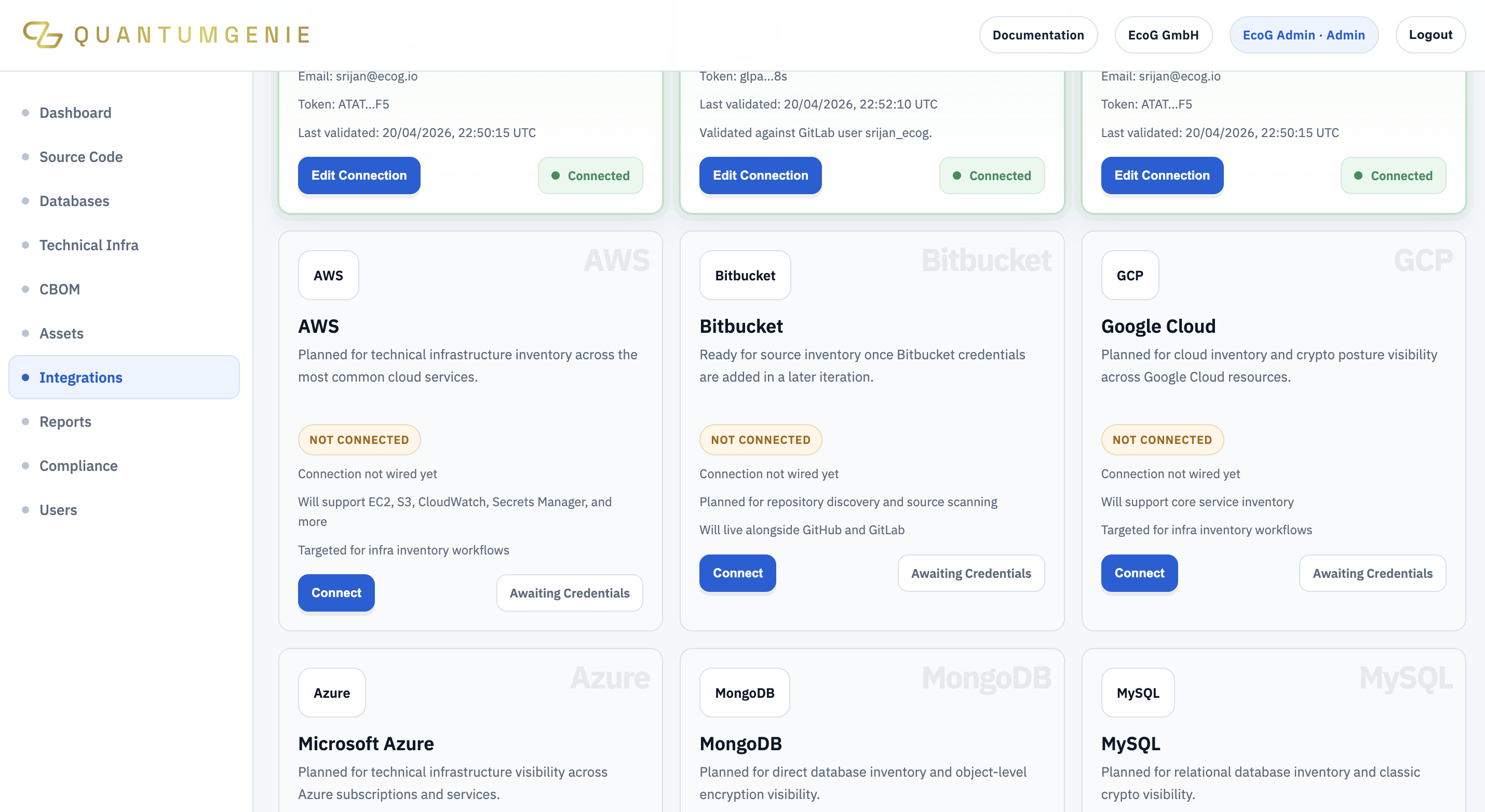
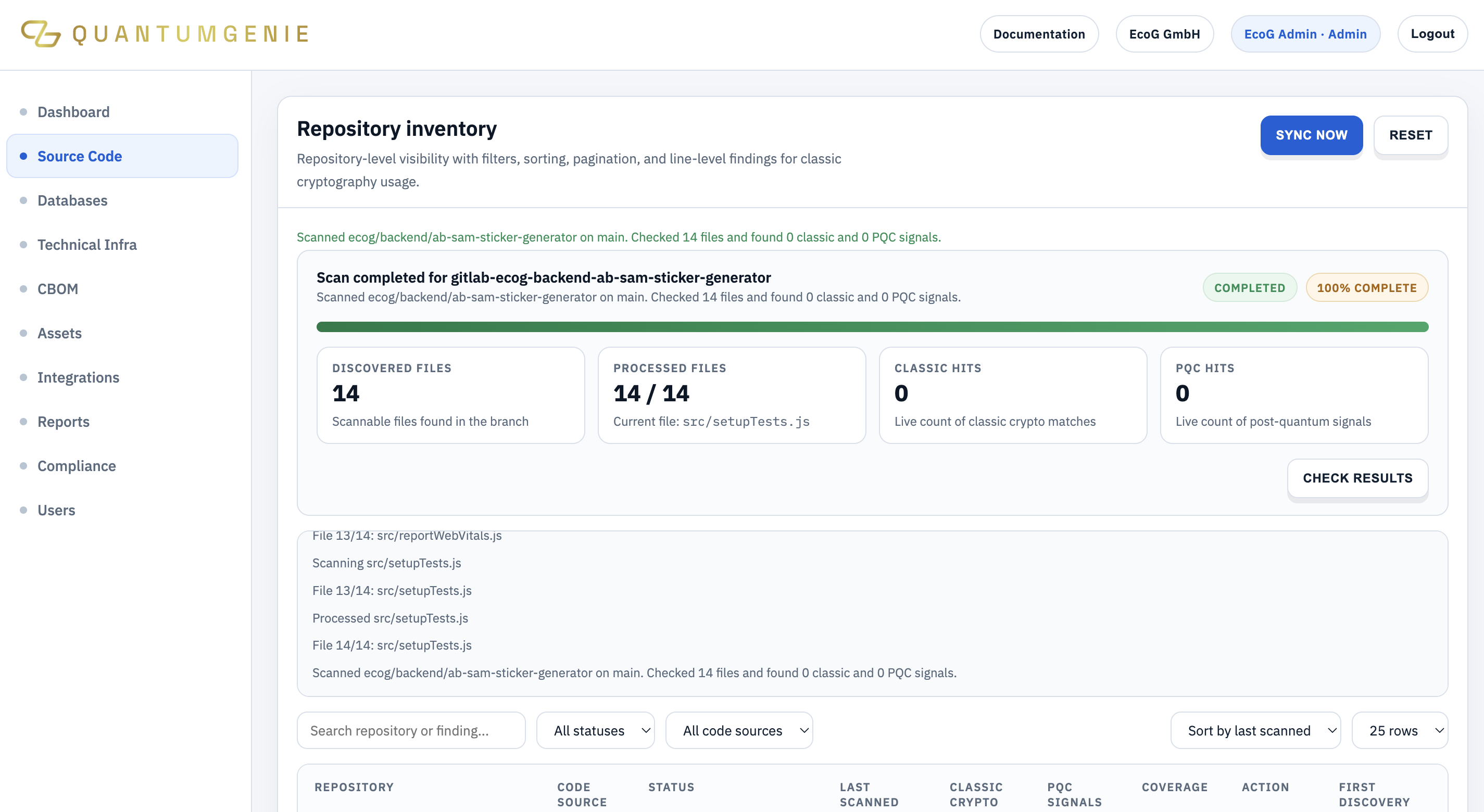
QuantumGenie helps organizations meet these evolving demands by providing precise discovery of cryptographic assets across websites, certificates, source code, and infrastructure. This granular inventory creates visibility into where classical crypto is currently used and highlights potential harvest-now-decrypt-later exposures.
With this foundation, QuantumGenie enables prioritization of migration risk and the planning of crypto-agility strategies aligned with the new NIST PQC standards. Enterprises can operationalize remediation workflows, track progress, and generate compliance evidence efficiently, de-risking the transition to quantum-safe encryption.
Frequently Asked Questions
Why are NIST’s post-quantum standards important for enterprises?
NIST’s standards provide vetted, government-backed cryptographic algorithms designed to resist quantum computing attacks, enabling enterprises to adopt reliable encryption methods and safeguard sensitive data against emerging threats.
What is cryptographic agility and why must enterprises prioritize it?
Cryptographic agility is the ability to quickly update or change cryptographic algorithms and protocols without service disruption. Prioritizing it ensures enterprises can respond to evolving threats and standards, maintaining security over time.
Watch The Quantum Threat
Sources And Further Reading
- NIST Releases First 3 Finalized Post-Quantum Encryption Standards NIST · Aug 13, 2024
- Feds: Crypto-Agility Looms Larger Than Post-Quantum Crypto MeriTalk · Sep 6, 2024