In This Article
What This Means
- The Kyber Ransomware Milestone and Its Enterprise Implications
- Beyond Discovery: Prioritizing Continuous Cryptographic Change
- How QuantumGenie Fits Safeguarding Enterprise Crypto Governance
The Kyber Ransomware Milestone and Its Enterprise Implications
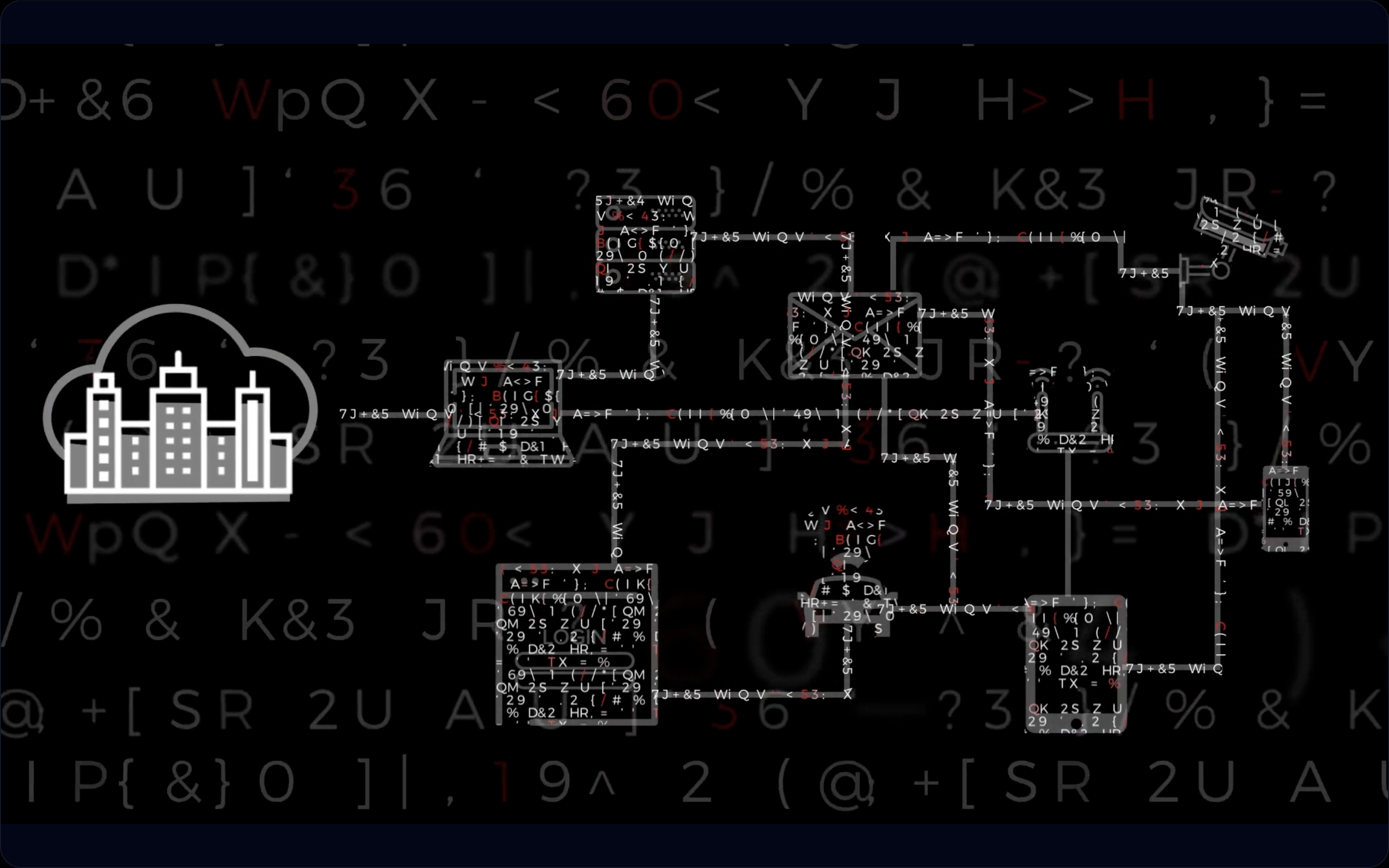
In a landmark move for cybersecurity, the Kyber ransomware group has become the first known criminal entity to utilize a NIST-standardized post-quantum cryptographic algorithm in its attack vector. This development marks a pivotal shift: post-quantum cryptography (PQC) is no longer just a future-proofing measure but a present threat vector in cybercrime. Enterprises face a new level of challenge because adversaries are gaining quantum-resistant encryption capabilities, enabling them to secure their malicious communications and ransomware payloads against even quantum-empowered defenders.
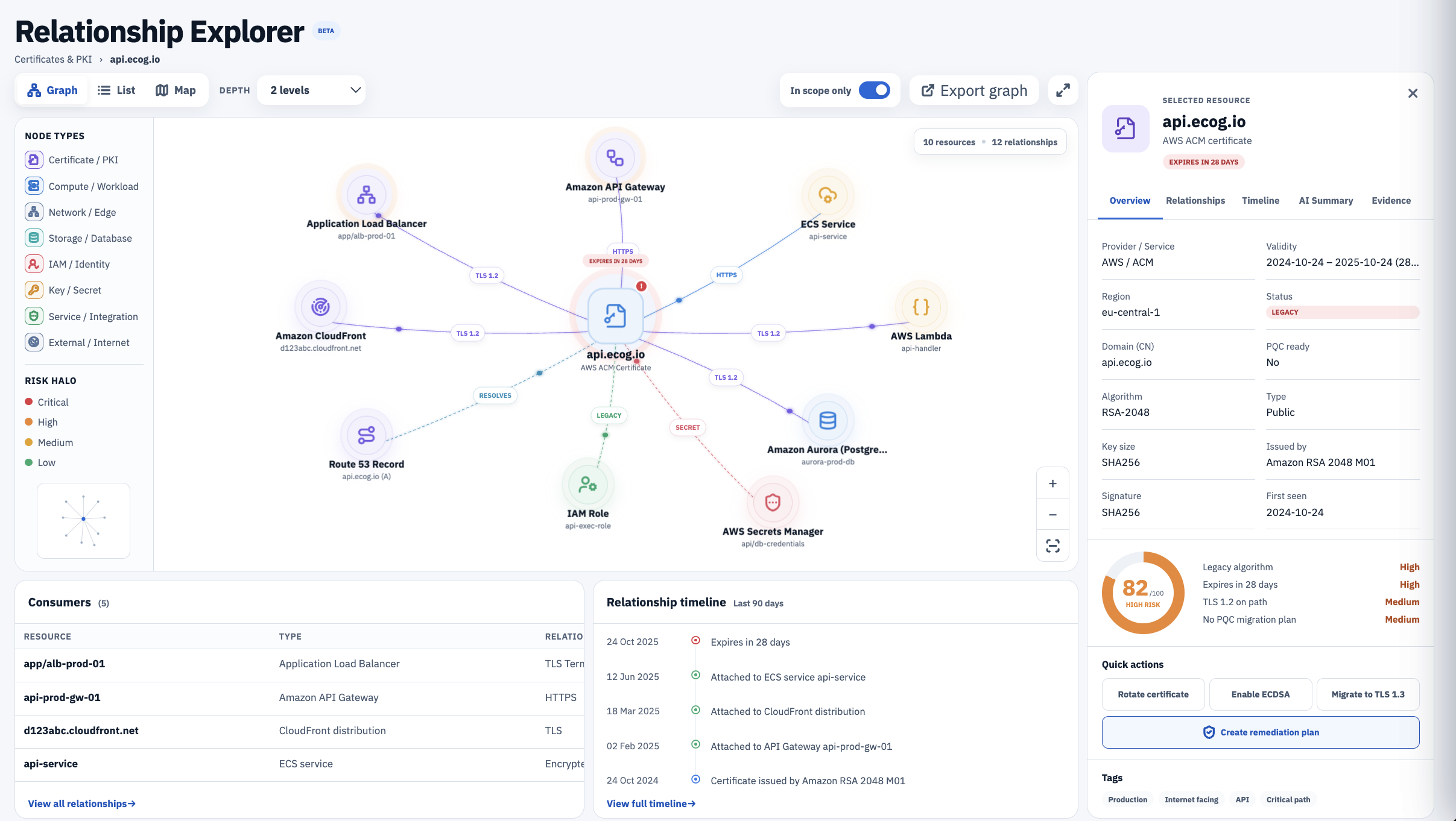
For enterprises, this escalation underscores the urgency of comprehensive cryptographic governance. It is no longer an abstract future risk but an active threat scenario. Organizations must know precisely where cryptography lives across their digital estates—from websites and certificates to embedded source code and integrations—and plan for agile, prioritized migration.
Beyond Discovery: Prioritizing Continuous Cryptographic Change
Supporting this perspective is the broader shift toward continuous cryptographic change highlighted by recent developments in key management systems. The traditional one-time, large-scale migration is giving way to ongoing, agent-driven updates enabling enterprises to evolve cryptographic standards with agility. This approach is essential to keep pace with rapidly shifting threat landscapes and cryptographic standards that post-quantum algorithms introduce.
For CISOs and technical leaders, adopting governance frameworks that incorporate continuous discovery, prioritization, and automated remediation workflows reduces the risk of blind spots and compliance gaps. It also helps prepare for agile response as adversaries increasingly adopt post-quantum cryptography themselves.

Key Enterprise Priorities for Post-Quantum Cryptographic Governance
| Priority Area | Enterprise Implication | QuantumGenie Capability |
|---|---|---|
| Comprehensive Crypto Visibility | Full inventory of all cryptographic assets across systems and code | CipherScan automatic discovery and CBOM generation |
| Crypto-Agility Enablement | Ability to plan and execute prioritized migrations and algorithm updates | Risk prioritization and remediation orchestration via CipherNova |
| Active Threat Readiness | Detection and mitigation of emerging PQC-enabled threat vectors | Operational workflows for continuous monitoring and response |
| Compliance Preparedness | Demonstrable governance control for regulatory audits and standards | Audit trails, certification support, and policy enforcement workflows |
How QuantumGenie Fits Safeguarding Enterprise Crypto Governance
QuantumGenie addresses these pressing needs by delivering an enterprise-grade cryptographic inventory and visibility platform through its CipherScan product. By automatically identifying cryptographic usage across all digital assets — including certificates, source code, infrastructure, and applications — QuantumGenie helps build a comprehensive cryptographic bill of materials (CBOM).
With this depth of visibility, organizations can prioritize risks based on exposure and operational context, plan post-quantum cryptographic migrations more precisely, and operationalize remediation workflows using CipherNova. QuantumGenie's tooling aligns perfectly with the imperative highlighted by the Kyber ransomware case: without full cryptographic governance, enterprises expose themselves to accelerated and concealed threats leveraging post-quantum crypto.
Frequently Asked Questions
Why is the Kyber ransomware group’s use of post-quantum cryptography significant for enterprises?
Kyber’s use signifies that adversaries are adopting quantum-resistant encryption, making ransomware operations harder to detect and disrupt. This elevates the need for enterprises to have detailed cryptographic inventories and the capacity to rapidly adapt their security posture to emerging cryptographic threats.
How can enterprises implement crypto-agility to counteract these new threats?
Enterprises must develop continuous cryptographic asset discovery and management processes, prioritize vulnerabilities based on actual exposure, and employ automated remediation workflows that can update cryptographic algorithms swiftly and securely as new standards evolve.
Watch The Quantum Threat
Sources And Further Reading
- Kyber Ransomware’s Use of Post-Quantum Crypto: A Wake-Up Call for Enterprise Cryptographic Governance QuantumGenie Blog · Jun 28, 2026
- PKWARE Re-Engineers Key Management for Continuous Cryptographic Change PKWARE · Jun 1, 2026