In This Article
What This Means
- The Shift in Ransomware Threats with Post-Quantum Cryptography
- Regulatory Pressure and the Necessity of Cryptographic Inventory
- How QuantumGenie Fits: Operationalizing Post-Quantum Readiness
The Shift in Ransomware Threats with Post-Quantum Cryptography
Recent research from the Cloud Security Alliance unveils a significant milestone in cyber threats: the Kyber ransomware family now employs NIST-standard post-quantum cryptography. This move signals cybercriminals’ intent to future-proof their attacks against the anticipated capabilities of quantum computers, enabling their ransomware to resist newly emerging cryptanalytic techniques.
This paradigm shift elevates the ransomware threat level for enterprises. The adoption of post-quantum algorithms by attackers indicates an escalation beyond conventional encryption methods, compelling organizations to rethink and reinforce their cryptographic defenses today to mitigate risks tomorrow.
Regulatory Pressure and the Necessity of Cryptographic Inventory
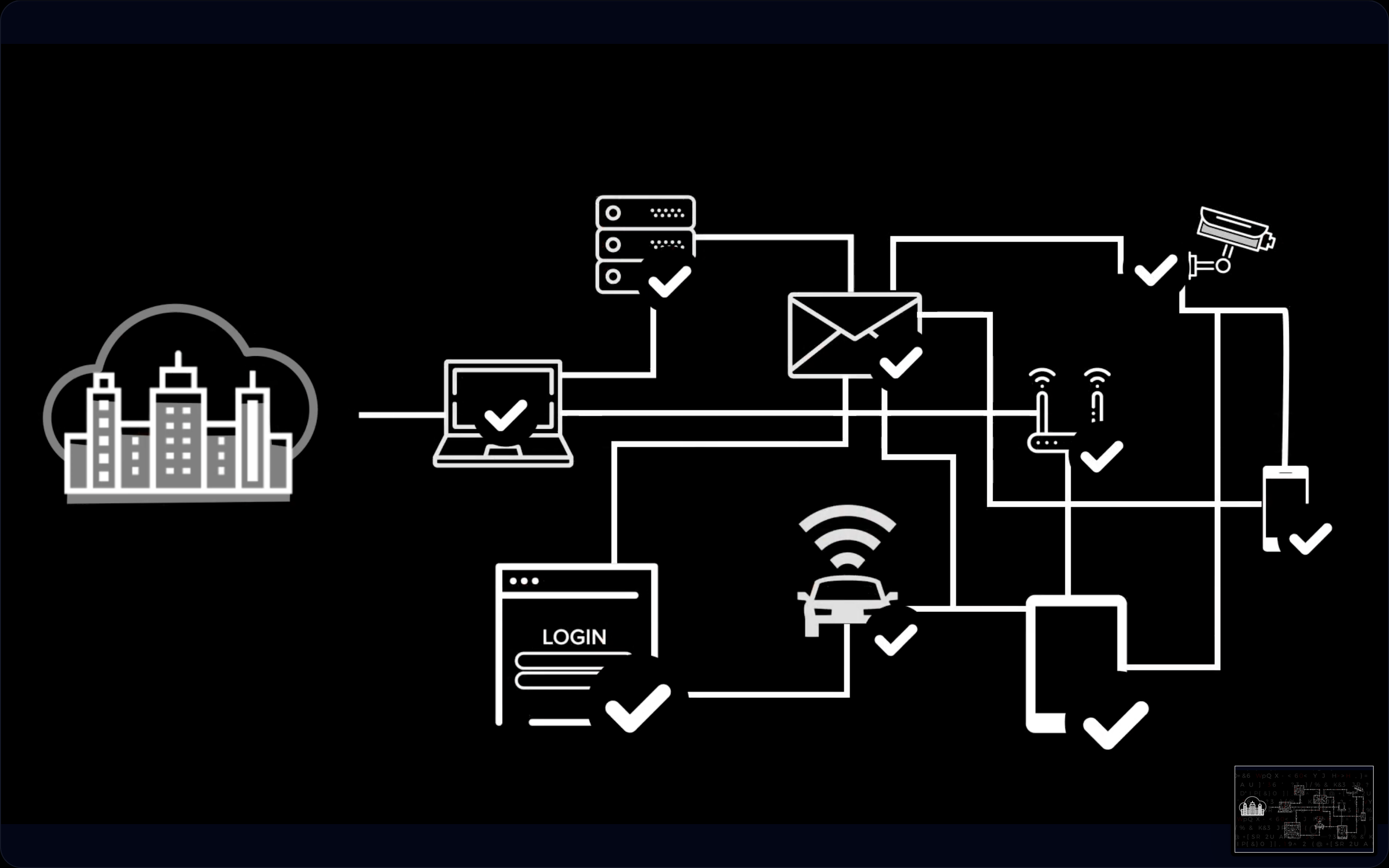
Supporting this urgency, recent directives from the European Commission and the NIS Cooperation Group set strict timelines for cryptographic inventories to be completed by the end of 2026. Enterprises must comprehensively map all cryptographic assets — including certificates, encryption keys, source code, and infrastructure components — to comply and lay a foundation for post-quantum migration.
Without a detailed cryptographic inventory, organizations risk uncontrolled vulnerabilities and fragmented remediation efforts. The regulatory emphasis on inventory completeness mirrors the heightened threat landscape introduced by incidents like Kyber, underscoring that visibility is the first critical step toward effective cryptographic agility.

Key Considerations for Enterprises Facing Post-Quantum Ransomware Threats
| Consideration | Implication | QuantumGenie Capability |
|---|---|---|
| Post-Quantum Cryptography Adoption by Attackers | Ransomware may be resistant to classical cryptanalysis | Discovery of cryptographic algorithms in use, including PQ variants |
| Comprehensive Cryptographic Inventory | Foundation for migration and risk management | Automated inventory of certificates, keys, code, infrastructure |
| Regulatory Compliance Deadlines | Mandated timelines for cryptographic asset reporting | Evidence documentation and compliance readiness workflows |
| Crypto-Agility Requirement | Rapid response to vulnerabilities and migration needs | Prioritization and orchestration of remediation workflows |
How QuantumGenie Fits: Operationalizing Post-Quantum Readiness
QuantumGenie directly addresses this dual challenge of emerging PQ threats and regulatory compliance. Its CipherScan module discovers and inventories cryptographic exposures across an enterprise’s complex ecosystem, producing an actionable cryptographic bill of materials (CBOM).
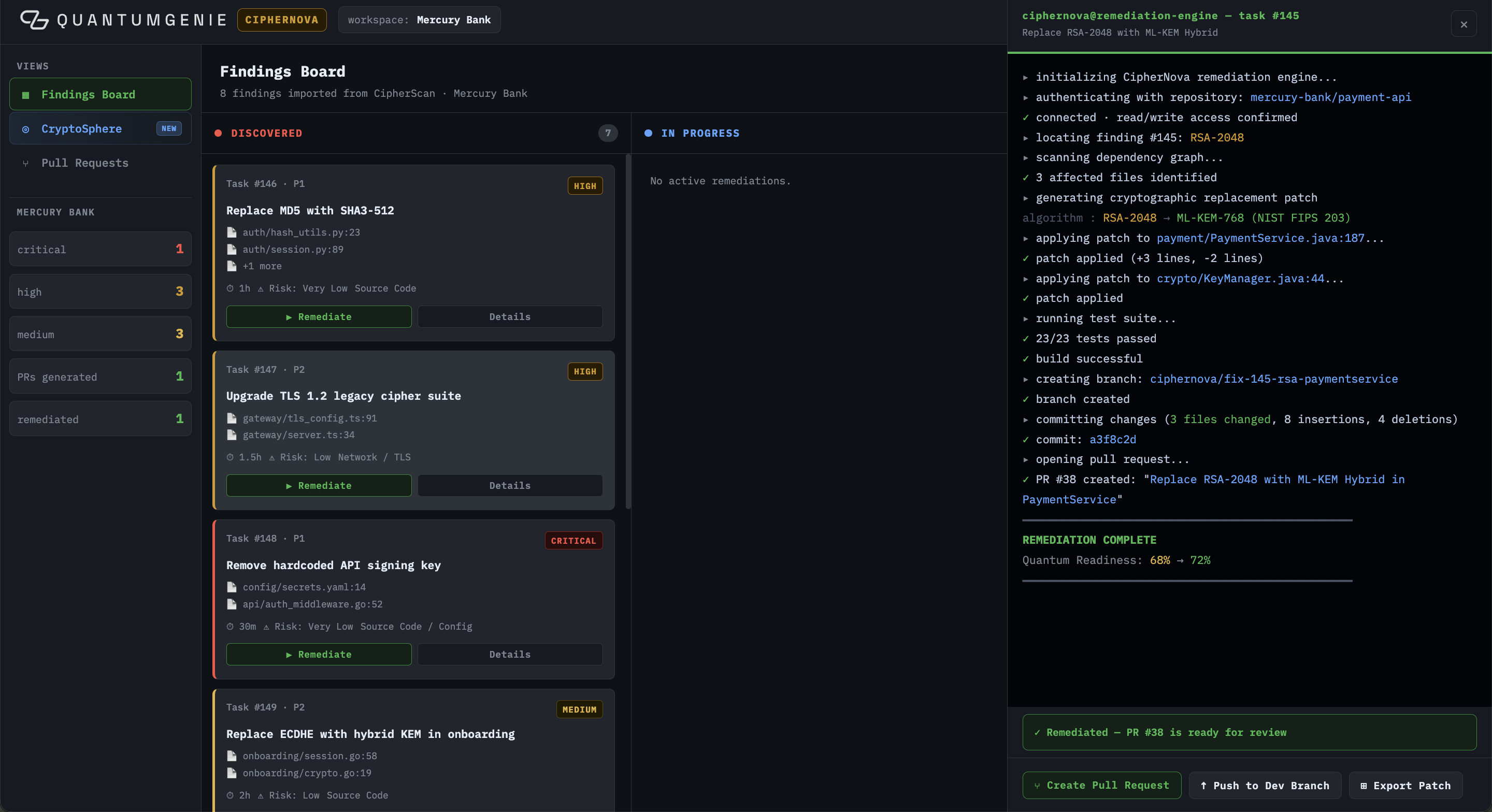
Following discovery, the CipherNova module enables prioritization of migration risks and orchestrates remediation workflows, including pull requests and policy review checkpoints. This integrated approach enables enterprises to move beyond basic inventory toward real operational crypto-agility, essential to defend against advanced threats like Kyber ransomware.
Frequently Asked Questions
Why does Kyber ransomware using post-quantum algorithms matter to enterprises?
Kyber’s use of post-quantum cryptography signals an evolution in attacker capabilities, making traditional cryptanalysis less effective and forcing enterprises to adopt stronger, quantum-resistant defenses to protect sensitive data.
How does a cryptographic inventory support post-quantum migration efforts?
A cryptographic inventory provides visibility into all cryptographic assets, enabling organizations to assess their exposure, prioritize migration of vulnerable components, and plan structured remediation essential for effective and compliant PQC adoption.
Watch The Quantum Threat
Sources And Further Reading
- Kyber Ransomware: First Criminal Use of Post-Quantum Encryption Cloud Security Alliance · Apr 24, 2026
- Ransomware Groups Exploit 'Post-Quantum' Hype to Intimidate Victims TechSpot · Apr 24, 2026
- Post-Quantum Cryptography and the 2026 Cryptographic Inventory Requirement Zynap · Jul 8, 2026