In This Article
What This Means
- Kyber Ransomware’s Post-Quantum Encryption Marks a New Threat Paradigm
- Enterprise Implications: Cryptographic Agility and Migration Challenges
- How QuantumGenie Fits into This Emerging Post-Quantum Landscape
Kyber Ransomware’s Post-Quantum Encryption Marks a New Threat Paradigm
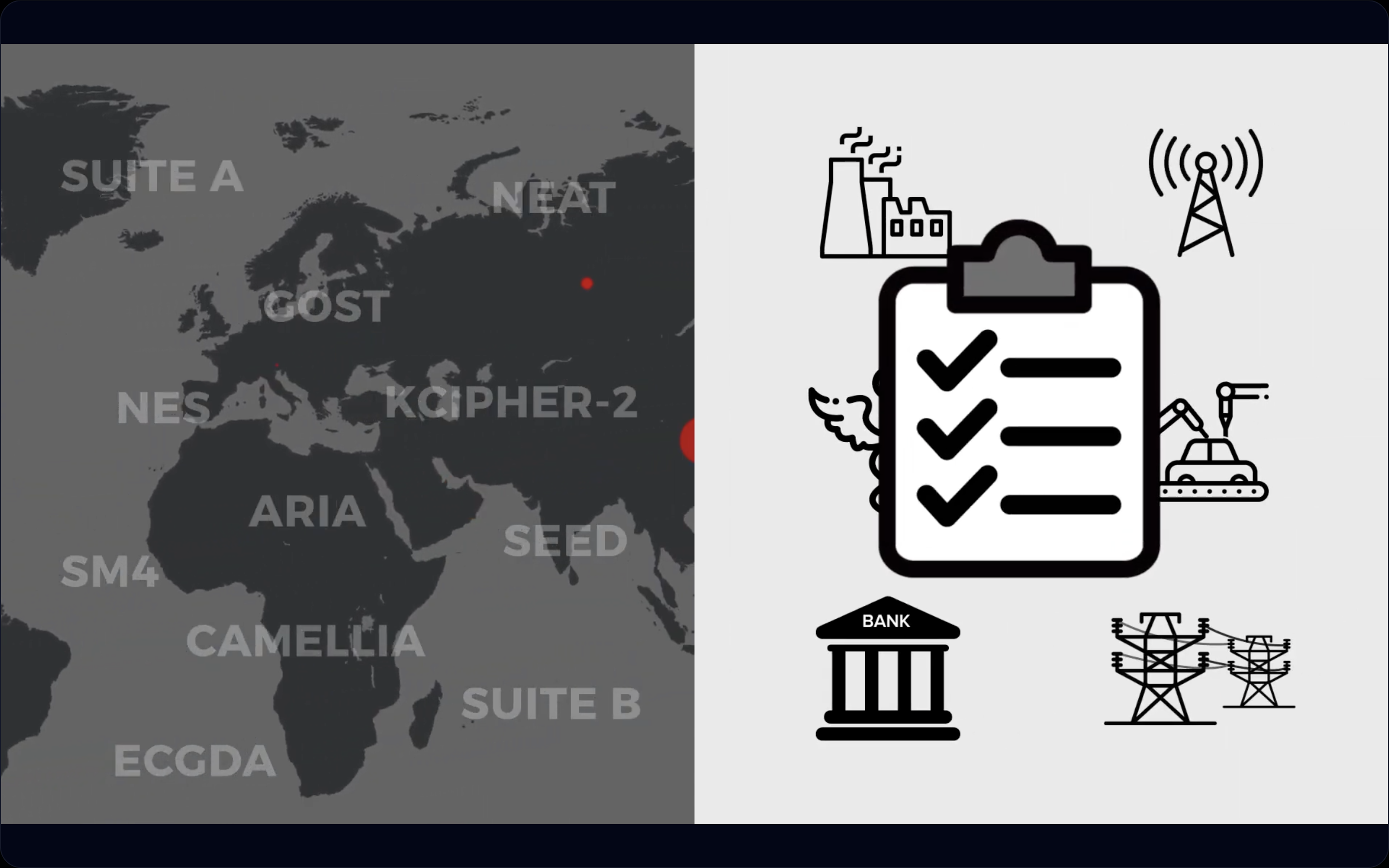
The recent discovery by the Cloud Security Alliance that the Kyber ransomware group is leveraging a NIST-standardized post-quantum cryptographic algorithm (ML-KEM-1024) in the wild represents a notable escalation in the cyber threat landscape. This is the first known case where adversaries have operationalized post-quantum encryption for malicious activities, combining PQC with established elliptic curve cryptography.
This development underscores that PQC is no longer limited to academic or governmental experimentation but is becoming part of active threat tools. Enterprises must therefore anticipate attackers exploiting PQC to shield ransomware payloads and communications, complicating detection and response efforts. Defensive strategies must evolve accordingly.
Enterprise Implications: Cryptographic Agility and Migration Challenges
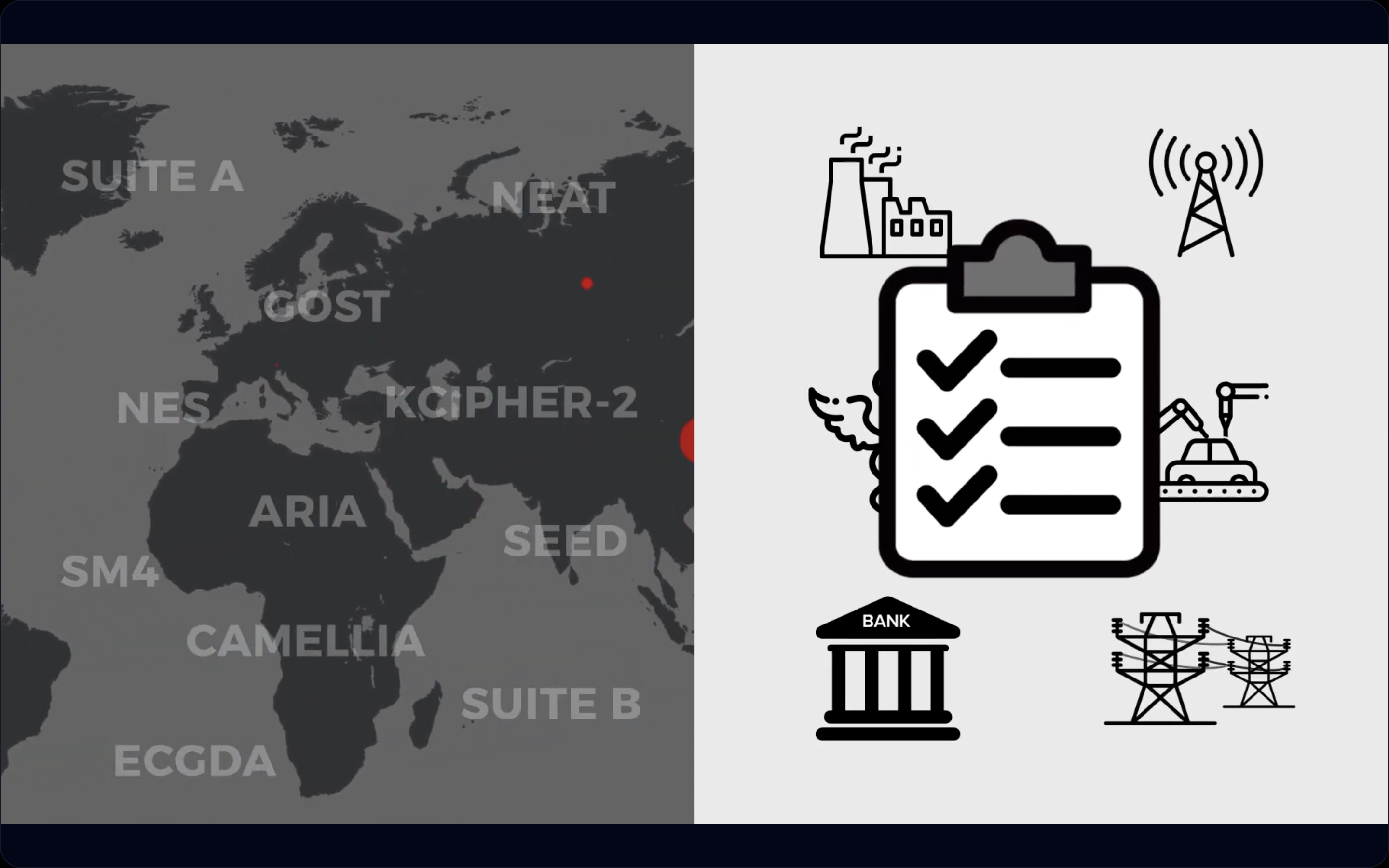
The Kyber case highlights the urgent need for enterprises to accelerate their post-quantum cryptography migration programs. However, migrating to PQC involves complex challenges spanning discovery of cryptographic assets, managing multiple algorithm standards, and maintaining agility as PQC standards themselves refine over time.
Research into software-defined cryptography has pointed to automation and centralized governance as key enablers of cryptographic agility, facilitating rapid algorithm upgrades and enforcement of cryptographic policies. Enterprises ignoring these operational complexities risk fragmented, incomplete migrations that leave critical assets vulnerable.
Key Enterprise Challenges and QuantumGenie Capabilities for PQC Migration
| Enterprise Challenge | QuantumGenie Capability | Practical Benefit |
|---|---|---|
| Discovery of cryptographic inventory across diverse systems | Automated cryptographic scanning (CipherScan) | Complete visibility of where PQC migration is required |
| Managing cryptographic agility and policy enforcement | Workflow orchestration with pull requests and policy exception handling (CipherNova) | Streamlined, policy-compliant PQC migration execution |
| Prioritizing migration risk based on cryptographic exposure | Risk-based prioritization tools | Focus remediation efforts on high-impact cryptographic assets |
How QuantumGenie Fits into This Emerging Post-Quantum Landscape
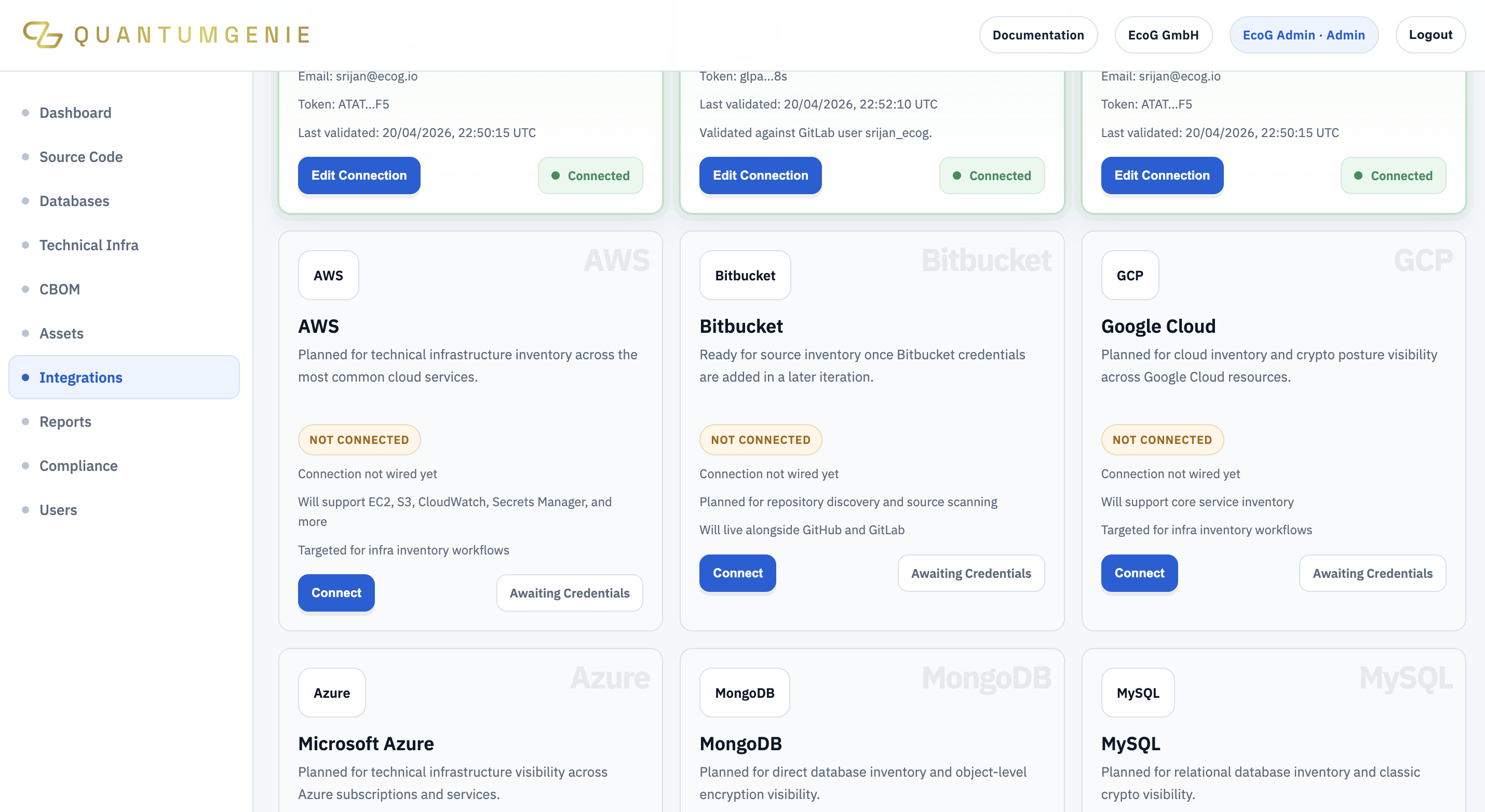
QuantumGenie is designed to address exactly these enterprise demands. By enabling comprehensive discovery of cryptography across source code, certificates, infrastructure, and applications, it builds the cryptographic inventory and software bill of materials (CBOM) essential for effective PQC migration planning.
Further, QuantumGenie provides prioritization and remediation orchestration via its CipherScan and CipherNova layers, transforming cryptographic visibility into actionable migration and operational workflows. This is critical in the context of advanced threats like Kyber, where enterprises must benchmark their exposure and systematically remediate to stay protected.
Frequently Asked Questions
Why does the use of PQC by ransomware groups like Kyber raise enterprise risk?
It indicates that adversaries are already leveraging PQC to protect malicious communications and ransomware payloads, making traditional detection and decryption techniques less effective. Enterprises face increased urgency to adopt PQC defense and migration strategies.
How can quantumgenie help enterprises prepare for evolving PQC threats?
QuantumGenie provides end-to-end cryptographic discovery, risk prioritization, and automated remediation workflows, enabling enterprises to build actionable migration plans and maintain cryptographic agility against emerging PQC-enabled threats.
Watch The Quantum Threat
Sources And Further Reading
- Kyber Ransomware: First Criminal Use of Post-Quantum Encryption Cloud Security Alliance · Apr 24, 2026
- Software-Defined Cryptography: A Design Feature of Cryptographic Agility arXiv · Apr 2, 2024
- Identifying Research Challenges in Post Quantum Cryptography Migration and Cryptographic Agility arXiv · Sep 16, 2019