In This Article
What This Means
- NIST Standardization: Enterprise Crypto’s Quantum Leap
- Operationalising Quantum-Safe Cryptography: More Than Standards
- How QuantumGenie Fits
NIST Standardization: Enterprise Crypto’s Quantum Leap
The National Institute of Standards and Technology (NIST) has published the first official post-quantum cryptography (PQC) standards, with two IBM-developed algorithms leading the adoption wave. This event represents the industry’s definitive signal that quantum-resistant encryption is transitioning from theoretical concern to operational priority. Enterprises relying on legacy cryptographic methods must now contend with emerging mandates requiring quantum-safe cryptography to safeguard data confidentiality against future quantum threats. Beyond academic validation, these standards set the framework for certification regimes, compliance reporting, and risk management agendas within enterprise cybersecurity strategies.
For CISOs and enterprise architects, this crystallizes the need for an immediate and structured approach to PQC migration. Legacy encryption will increasingly be considered inadequate, exposing organizations to regulatory scrutiny and elevated cyber risk. The publication of standards necessitates that enterprises accelerate discovery efforts to inventory cryptographic assets, identify vulnerable points, and implement transition roadmaps according to standardized algorithm requirements. This is a turning point where enterprise security plans must incorporate pragmatic, standards-aligned PQC readiness.
Operationalising Quantum-Safe Cryptography: More Than Standards
While standards form the foundation, practical adoption hurdles remain significant. Enterprises must integrate quantum-safe algorithms into existing Public Key Infrastructure (PKI), applications, and infrastructure without disrupting operations. The release of platforms supporting quantum-ready certificate management, such as PKI-as-a-Service offerings, demonstrates growing ecosystem maturity but also underscores the complexity of seamless collaboration across diverse assets and teams. This complexity amplifies risks of incomplete migration and operational gaps if visibility and control over cryptographic assets are lacking.
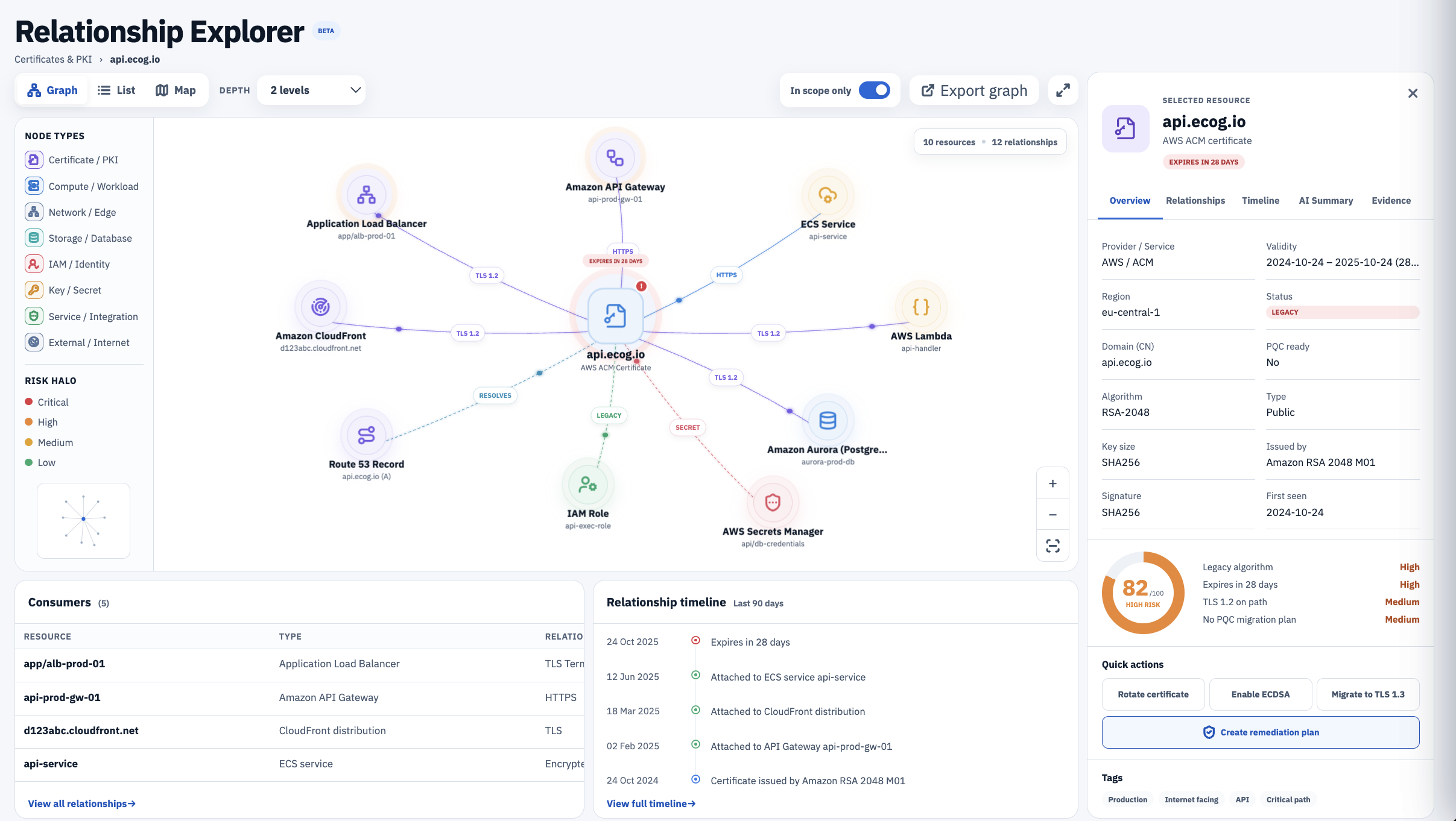
In this context, enterprises require solutions that deliver deep cryptographic inventory, risk-driven prioritization, and workflow orchestration for controlled remediation. The ability to track where and how cryptography is used—across certificates, applications, infrastructure, and integrations—is central to meeting both compliance requirements and the technical challenge of swapping legacy with quantum-resistant algorithms. A platform that advances this operational readiness translates standards compliance into actionable and scalable enterprise security programs.

Key Implications of NIST’s PQC Standardization for Enterprises
| Aspect | Implication | Enterprise Challenge |
|---|---|---|
| Standards Publication | Formalizes quantum-safe cryptographic algorithms | Aligning legacy systems with new standards |
| Compliance Pressure | Anticipated regulatory and certification requirements | Proof of quantum readiness and risk assessment |
| Operational Complexity | Integrating PQC into existing PKI and infrastructure | Managing multi-team workflows and minimizing disruption |
| Security Posture | Mitigating quantum-related decryption risks | Identifying vulnerable cryptographic assets in diverse environments |
How QuantumGenie Fits
QuantumGenie addresses the enterprise’s critical need for visibility and control in the PQC migration journey. By offering a comprehensive discovery layer for cryptographic exposure and inventory, QuantumGenie empowers security teams to build a precise cryptographic bill of materials (CBOM) across complex environments. This foundation enables prioritization of migration efforts based on risk and operational impact, ensuring the most vulnerable assets receive attention first.
Moreover, QuantumGenie supports the entire remediation workflow by orchestrating plan execution, pull requests, and policy compliance checks, reducing operational overhead and improving governance. As NIST standards set the compliance bar, QuantumGenie’s platform equips enterprises with the practical tools needed to align with new requirements and transition cryptography at scale and pace. In essence, the announcement of IBM-driven PQC standards elevates the urgency for solutions like QuantumGenie to move from strategy to execution with transparency and control.
Frequently Asked Questions
Why is NIST's publication of PQC standards important for enterprises?
It establishes officially recognized quantum-resistant algorithms, shifting PQC from research to required operational security, compelling enterprises to migrate to these standards to remain secure and compliant.
How can enterprises effectively manage the complexity of migrating to post-quantum cryptography?
Enterprises need comprehensive cryptographic discovery, prioritization of vulnerable assets, and orchestrated remediation workflows, supported by platforms that provide visibility and operational control throughout the migration process.