In This Article
What This Means
- Google’s Bold 2029 Quantum-Safe Encryption Target
- Building the Foundation: Inventory and Framework Alignment for PQC
- How QuantumGenie Fits into the PQC Acceleration Landscape
Google’s Bold 2029 Quantum-Safe Encryption Target
In a revealing announcement, Google has set an ambitious deadline to secure its entire infrastructure against quantum computing threats by 2029, well ahead of most government agencies’ targets. This accelerated timeline signals that leading technology giants recognize the urgency of preparing for the quantum future now, not later. Enterprises should treat this as a strategic market signal that PQC readiness cannot be postponed, especially as the window for ‘harvest-now-decrypt-later’ attacks narrows rapidly.
Google’s move goes beyond typical compliance-driven initiatives — it showcases a business-driven imperative to embed quantum-safe encryption into core infrastructure and services within the next three years. For CISOs and enterprise architects, this deadline demands immediate action on comprehensive crypto asset visibility and prioritization of cryptographic modernization programs.
Building the Foundation: Inventory and Framework Alignment for PQC
Supporting this urgency, cybersecurity experts emphasize the vital importance of establishing a detailed cryptographic inventory as a foundational step for PQC readiness. Without knowing where cryptography lives across certificates, applications, and device endpoints, enterprises cannot accurately assess which assets are vulnerable to future quantum attacks and plan effective mitigation.
Additionally, recent guidance from NIST clarifies how PQC initiatives dovetail with existing security frameworks, encouraging organizations to treat PQC not as an isolated project but as an integral evolution of their security posture. This overlap facilitates smoother integration of quantum-safe algorithms and protocols, reducing friction in migration and compliance processes.
Key PQC Readiness Steps in Response to Accelerated Enterprise Deadlines
| Step | Description | QuantumGenie Role |
|---|---|---|
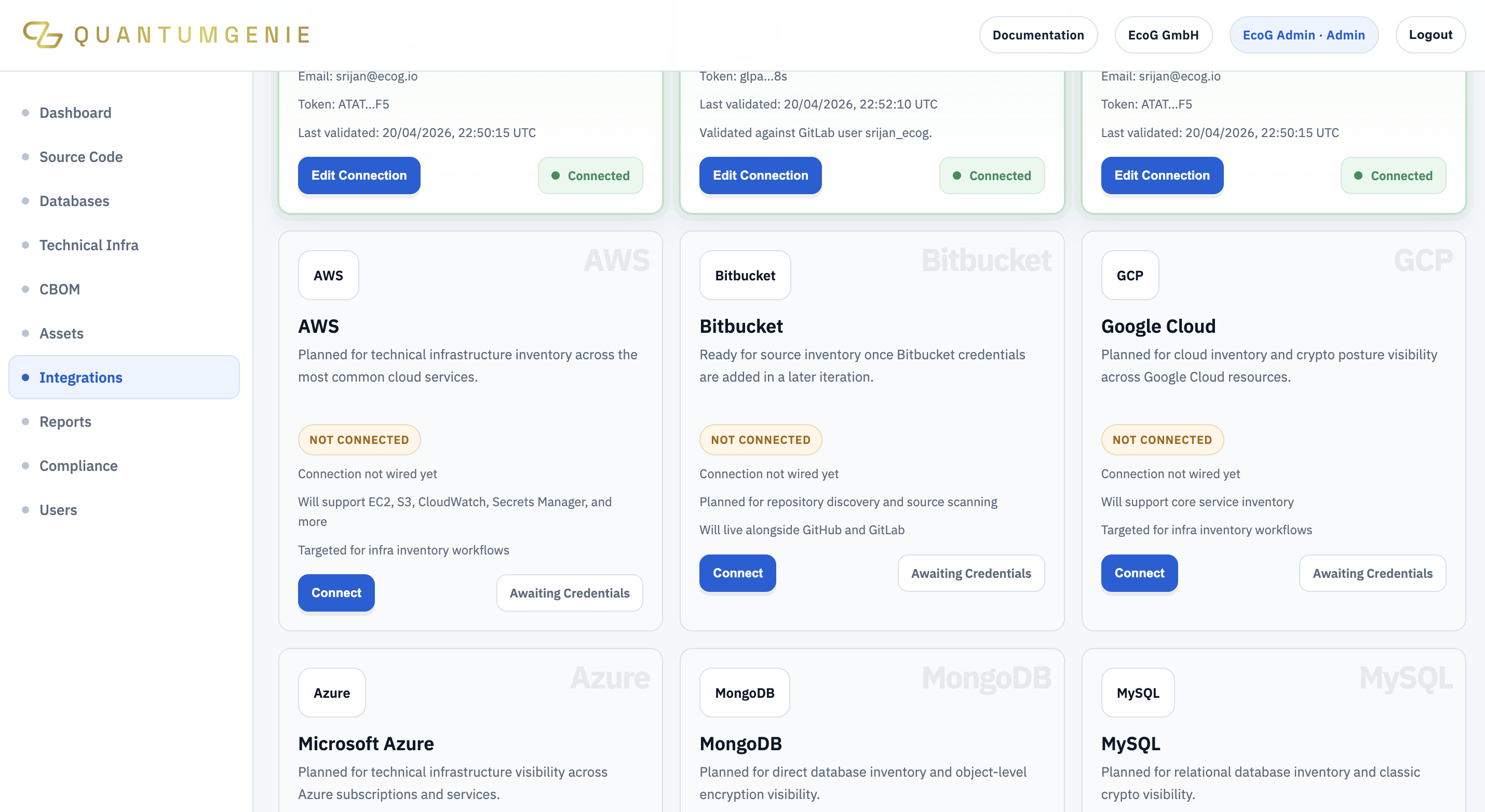
| Cryptographic Discovery | Identify all cryptographic assets across IT landscape | CipherScan maps certificates, keys, and crypto components |
| Risk Prioritization | Assess vulnerability and business impact | Tool ingests inventory and ranks based on PQC exposure |
| Migration Planning | Develop roadmap for algorithm transitions | Enables CBOM creation and compliance scenario planning |
| Operational Execution | Coordinate remediation and code changes | CipherNova manages workflows, pull requests, and verification |
How QuantumGenie Fits into the PQC Acceleration Landscape
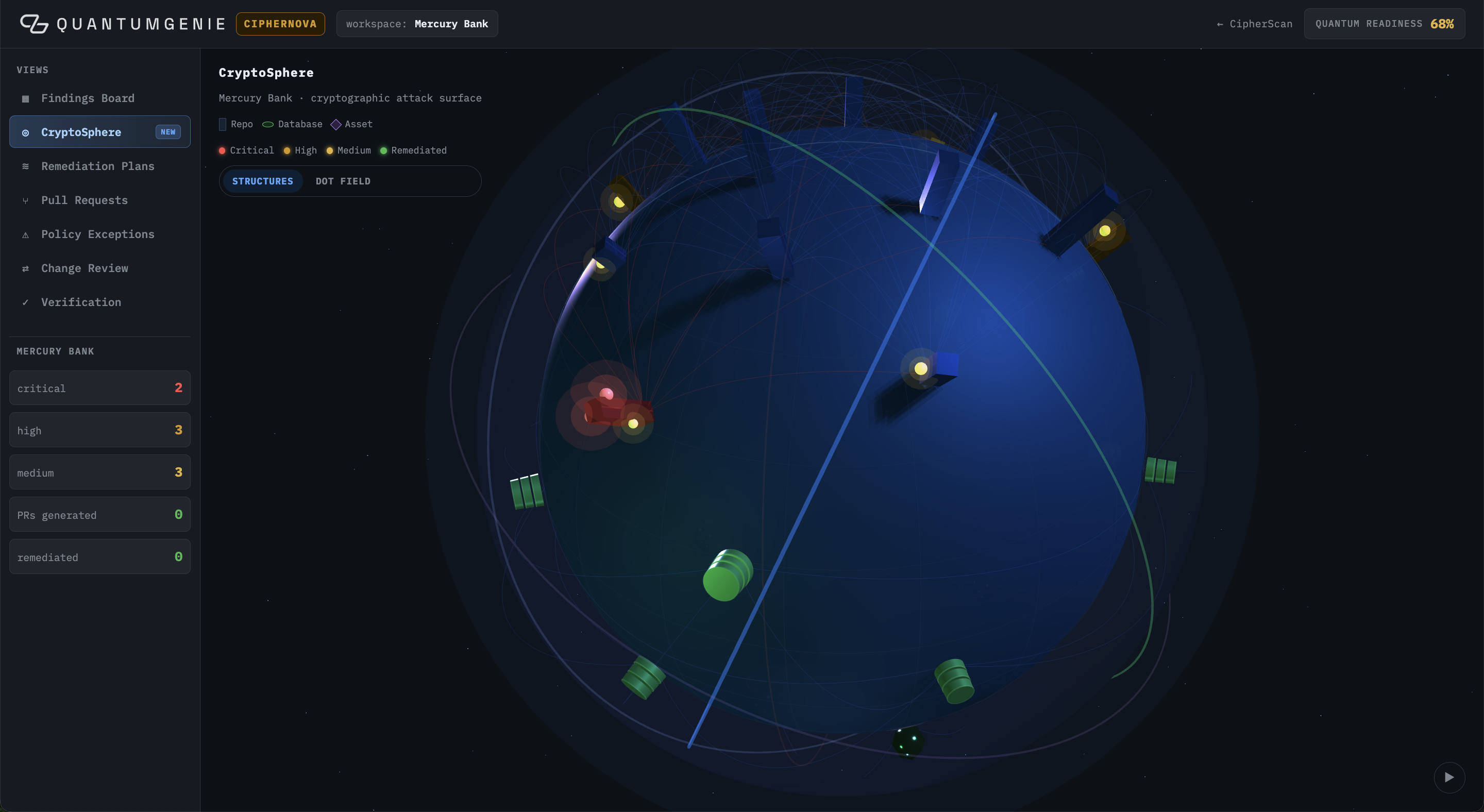
QuantumGenie directly addresses the pressing needs highlighted by Google’s 2029 deadline. By providing a robust discovery platform to map all cryptographic exposures — from website certificates to infrastructure components — QuantumGenie empowers enterprises to build their cryptographic Bill of Materials (CBOM). This inventory is crucial for prioritizing migration risk and compliance readiness in a rapidly accelerating PQC timeline.
Beyond discovery, QuantumGenie’s orchestration capabilities support operational workflows to execute remediation plans, manage pull requests, enforce policy checks, and verify quantum-safe crypto integration at scale. For organizations aiming to meet or beat advanced PQC deadlines like Google’s, QuantumGenie is the practical infrastructure to navigate the complex migration journey with visibility, control, and agility.
Frequently Asked Questions
Why is Google’s 2029 deadline significant for enterprises?
Google’s accelerated timeline highlights that leading tech companies expect quantum threats sooner than many government mandates, signaling enterprises must accelerate their PQC migration planning to avoid security gaps and future data compromise.
How does a cryptographic inventory affect PQC migration?
A comprehensive cryptographic inventory provides complete visibility into encryption assets, allowing enterprises to identify vulnerable points, prioritize remediation, and efficiently manage the migration to quantum-safe algorithms with minimal operational disruption.
Watch The Quantum Threat
Sources And Further Reading
- Google Sets 2029 Deadline for Quantum-Safe Encryption, Years Ahead of Government Targets TechSpot · Mar 27, 2026
- Cryptographic Inventory: Secure Data Against Quantum Risks Digital Chiefs · Feb 26, 2026
- NIST Explains How Post-Quantum Cryptography Push Overlaps with Existing Security Guidance Cybersecurity Dive · Sep 19, 2025