In This Article
What This Means
- A New Regulatory Era for Post-Quantum Security
- Enterprise Readiness Gaps Highlight Urgency
- How QuantumGenie Fits Into This Regulatory Landscape
A New Regulatory Era for Post-Quantum Security
On August 13, 2024, NIST published the final certified algorithms for post-quantum cryptography (PQC), including FIPS 203 (ML-KEM), FIPS 204 (ML-DSA), and FIPS 205 (SLH-DSA). This marks a watershed moment, completing an eight-year standardization effort to prepare enterprises for a future quantum computing threat landscape. The official issuance of these standards signals that organizations must now accelerate efforts to inventory their cryptographic assets and processes to begin migration planning well ahead of quantum-enabled attacks.
Enterprise Readiness Gaps Highlight Urgency
Insights from recent research reveal that less than 5% of enterprises have formal plans to transition to quantum-safe solutions. Many organizations still underestimate the threat of 'harvest now, decrypt later' attacks, where adversaries collect encrypted data now to decrypt once quantum capabilities mature. This disconnect between emerging PQC standards and enterprise preparedness underscores the strategic importance of building robust cryptographic inventories and risk prioritization frameworks. Without clear visibility, organizations risk failing compliance or falling behind in resilience against future quantum attacks.

Summary of NIST's First PQC Algorithm Certifications
| Algorithm | FIPS Standard | Purpose |
|---|---|---|
| ML-KEM | FIPS 203 | Key Encapsulation Mechanism |
| ML-DSA | FIPS 204 | Digital Signature Algorithm |
| SLH-DSA | FIPS 205 | Signature Algorithm |
How QuantumGenie Fits Into This Regulatory Landscape
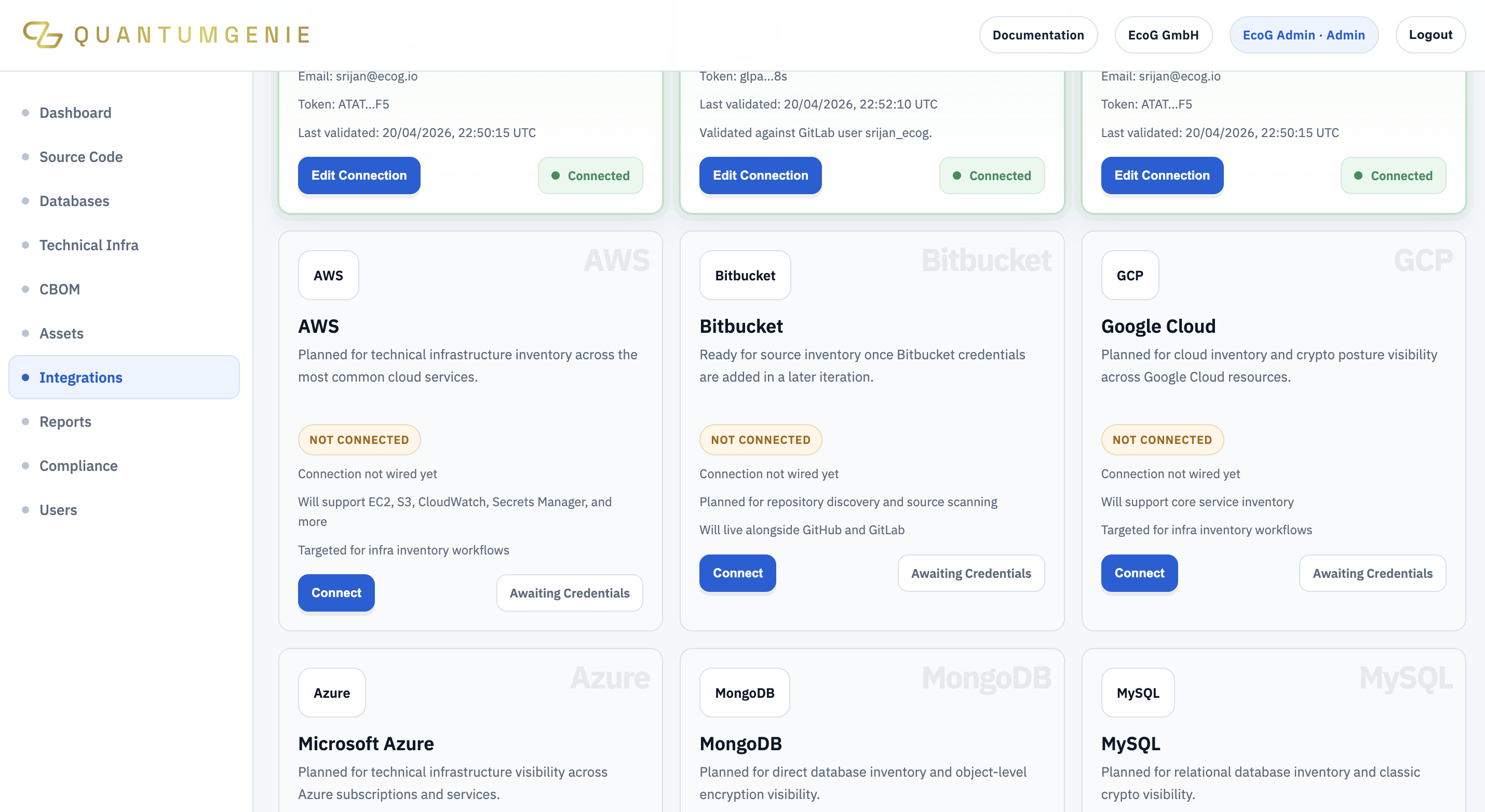
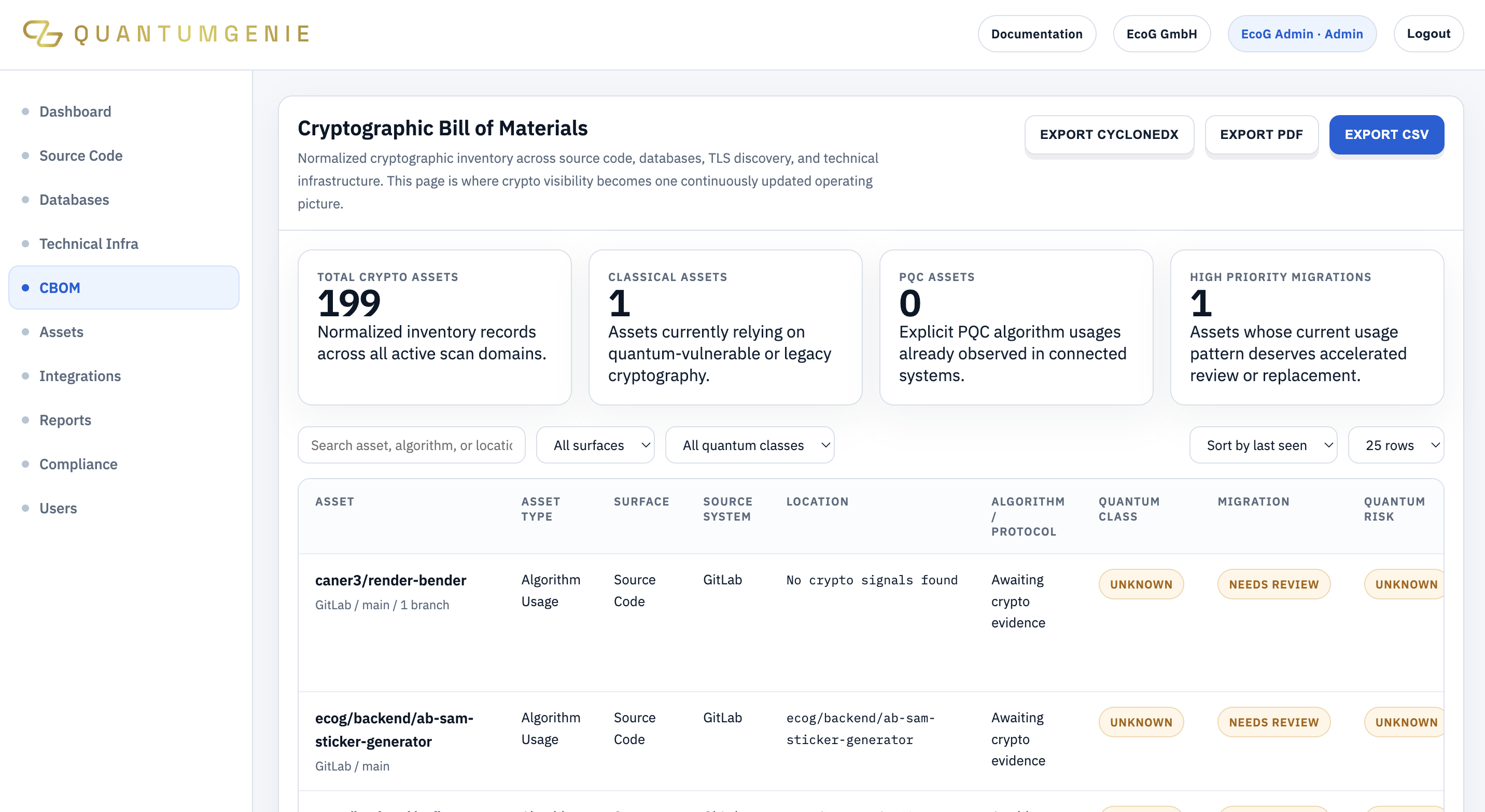
QuantumGenie directly addresses the critical need for cryptographic asset visibility, inventory, and migration orchestration that NIST's new PQC certifications make imperative. By scanning diverse enterprise environments—websites, certificates, source code, databases, and integrations—QuantumGenie establishes a comprehensive cryptographic bill of materials (CBOM). It then enables teams to prioritize migration risk effectively and manage remediation workflows aligned to PQC standards. This makes QuantumGenie a strategic platform for enterprises aiming to meet compliance requirements while pragmatically advancing their quantum-safe posture ahead of regulatory deadlines.
Frequently Asked Questions
Why is the issuance of NIST's PQC algorithm certificates important for enterprises?
It establishes the official standards enterprises must adopt to protect data against future quantum attacks, creating a clear regulatory and security imperative to plan and execute PQC migrations.
How can enterprises begin preparing for PQC migration in light of these new standards?
Enterprises should build a comprehensive cryptographic inventory to identify where cryptography is used, assess associated risks, and then develop structured migration plans aligned with NIST certifications—steps supported by platforms like QuantumGenie.
Watch The Quantum Threat
Sources And Further Reading
- First Post Quantum Cryptographic Algorithm Certificates Issued Business Wire · Aug 16, 2024
- Are Enterprises Ready for Quantum-Safe Cybersecurity? arXiv · Sep 1, 2025