In This Article
What This Means
- The Shift Toward Unified Cryptographic Lifecycle Management
- Implications for Enterprise Cryptographic Strategy
- How QuantumGenie Fits Into the Post-Quantum Crypto Agility Landscape
The Shift Toward Unified Cryptographic Lifecycle Management
The advent of quantum computing threatens existing cryptographic standards, pushing enterprises to urgently rethink their cryptographic infrastructures. While initial efforts have largely focused on discovery—identifying where cryptography exists across assets—the true challenge lies in managing these cryptographic components through a full lifecycle that includes enforcement and runtime agility. Eprion's recent introduction of a unified cryptographic operations platform underscores a pivotal trend: enterprises require automated, scalable solutions that move beyond static inventories toward dynamic management of cryptography for quantum readiness.
This approach reflects the pressing need for post-quantum cryptography (PQC) solutions that not only detect vulnerable algorithms but also integrate enforcement policies and agility during runtime. Such capability ensures security teams can respond swiftly to emerging quantum threats without exhaustive manual interventions, maximizing both resilience and operational efficiency.
Implications for Enterprise Cryptographic Strategy
Enterprises must now prioritize scalable frameworks capable of orchestrating cryptographic asset discovery, assessment, and ongoing enforcement across diverse environments. This includes integration into legacy systems, cloud infrastructure, applications, and certificates—creating a continuously updated cryptographic inventory that serves as a foundation for risk-based prioritization and migration planning. The ability to automate runtime agility is crucial, enabling cryptographic switching or upgrades without service disruption.
Additionally, centralized orchestration of compliance evidence across multiple layers aids regulated industries in meeting growing post-quantum security mandates. By consolidating discovery, enforcement, and compliance workflows, organizations can transform post-quantum migration from a complex manual project into a managed operational capability, reducing risk and accelerating progress.
Key Enterprise Cryptographic Lifecycle Capabilities for Post-Quantum Agility
| Capability | Description | Enterprise Benefit |
|---|---|---|
| Comprehensive Discovery | Detect cryptographic assets across diverse systems and applications | Establishes accurate cryptographic inventory and CBOM for informed decision-making |
| Automated Enforcement | Implement cryptographic policies that adapt dynamically at runtime | Maintains continuous protection without manual overhead |
| Workflow Orchestration | Manage remediation plans, approvals, and verifications via integrated workflows | Accelerates migration and ensures governance compliance |
| Compliance Evidence | Centralize audit trails and cryptographic posture data | Supports regulatory requirements and reduces compliance risk |
How QuantumGenie Fits Into the Post-Quantum Crypto Agility Landscape
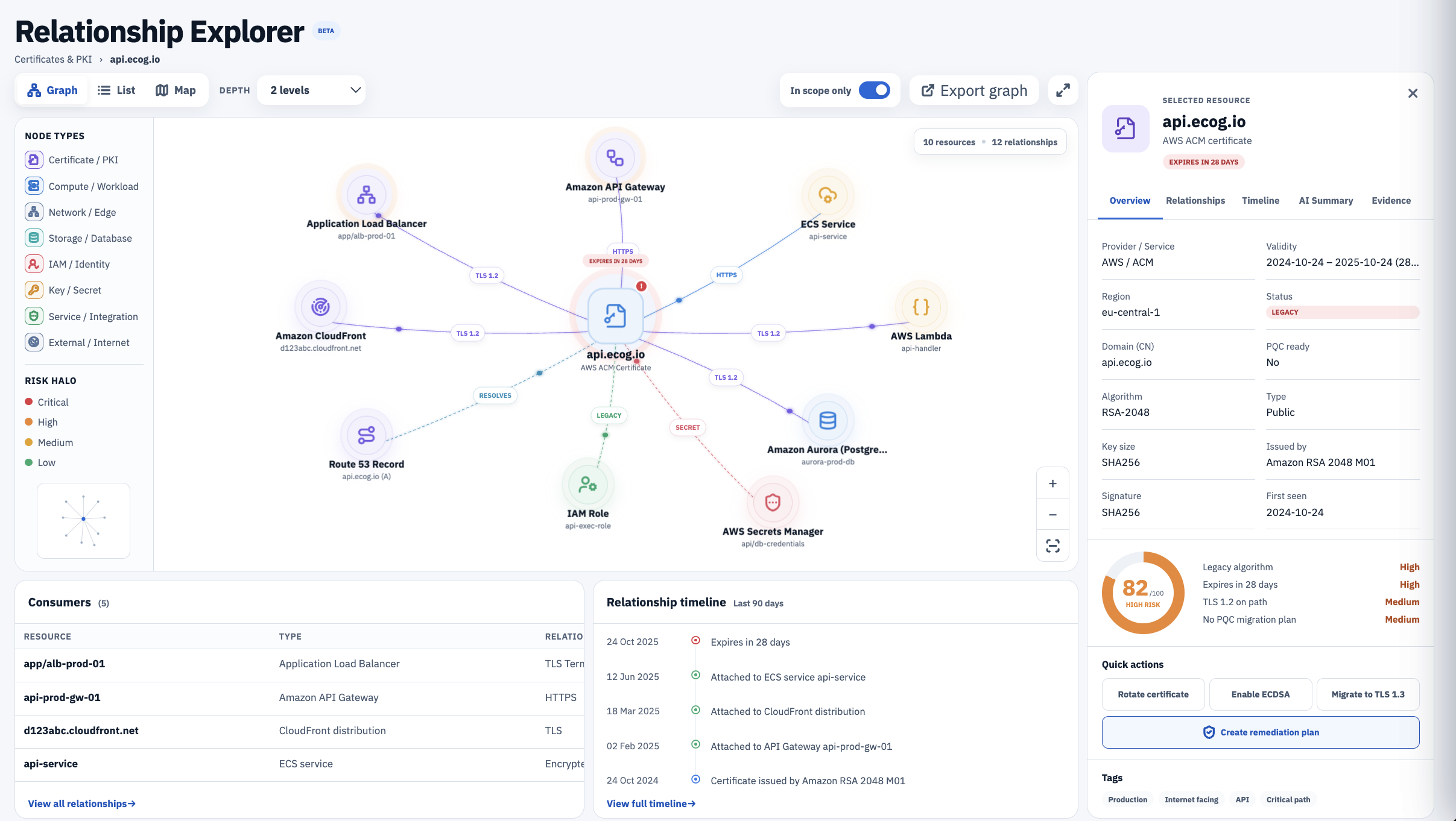
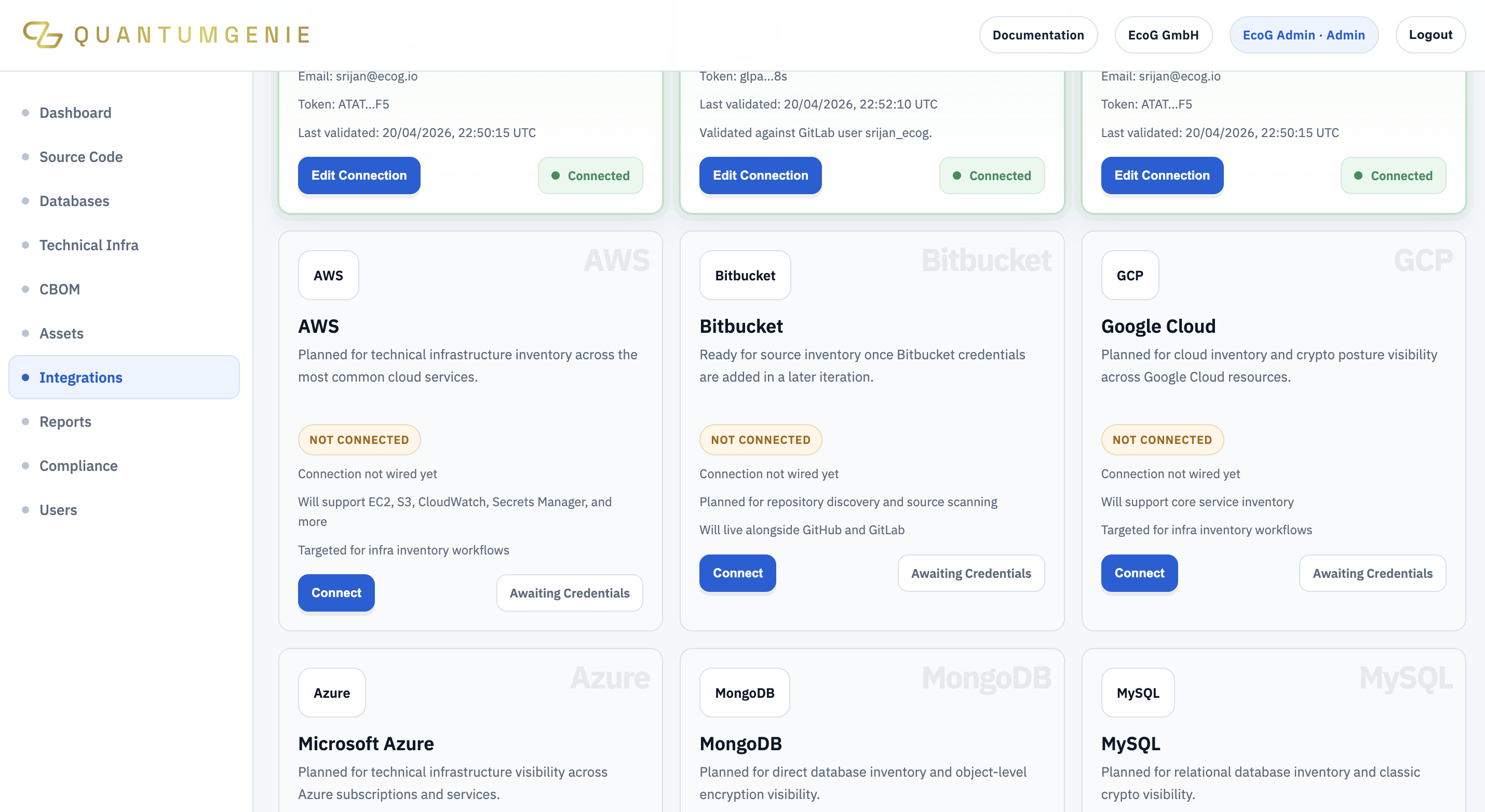
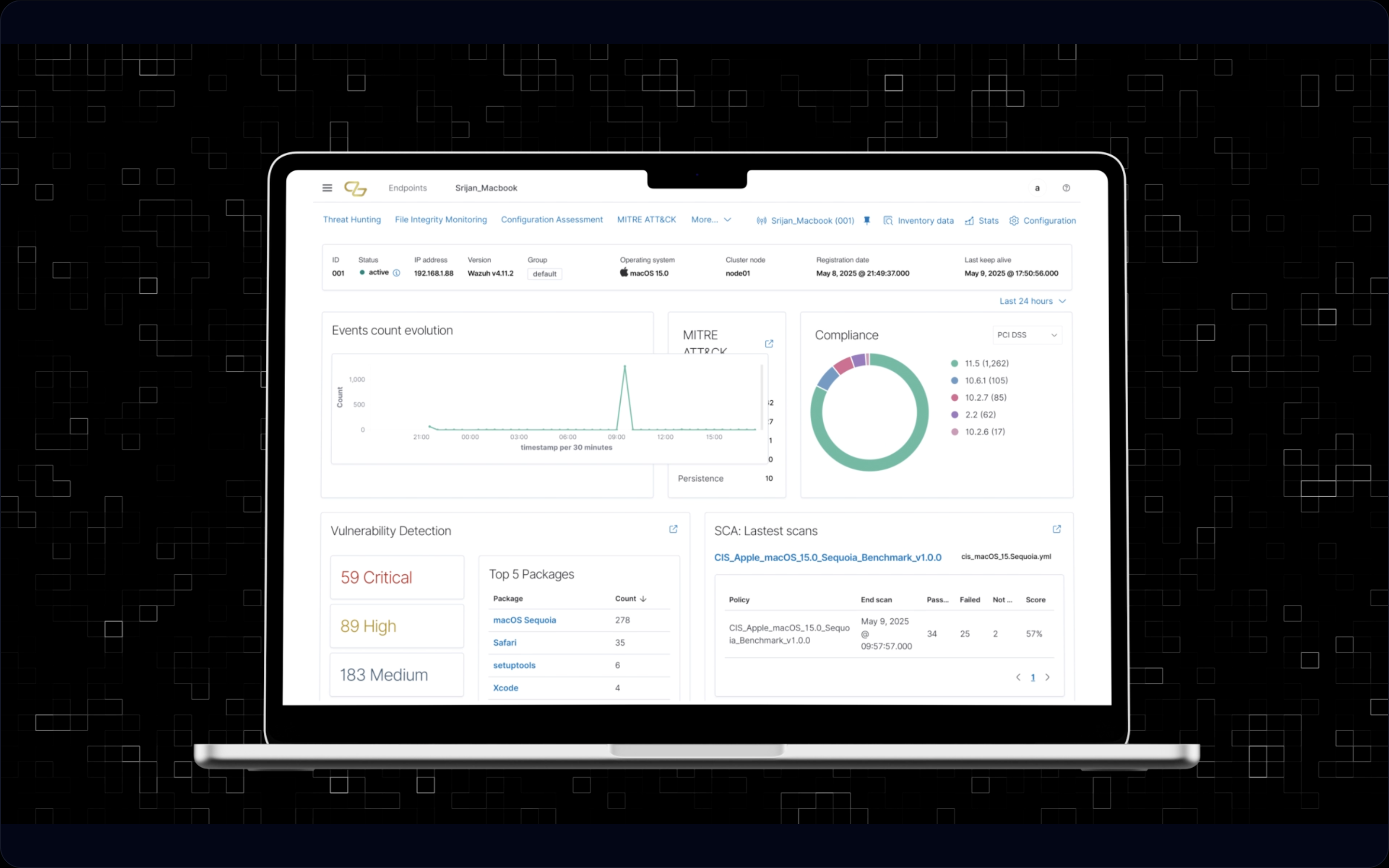
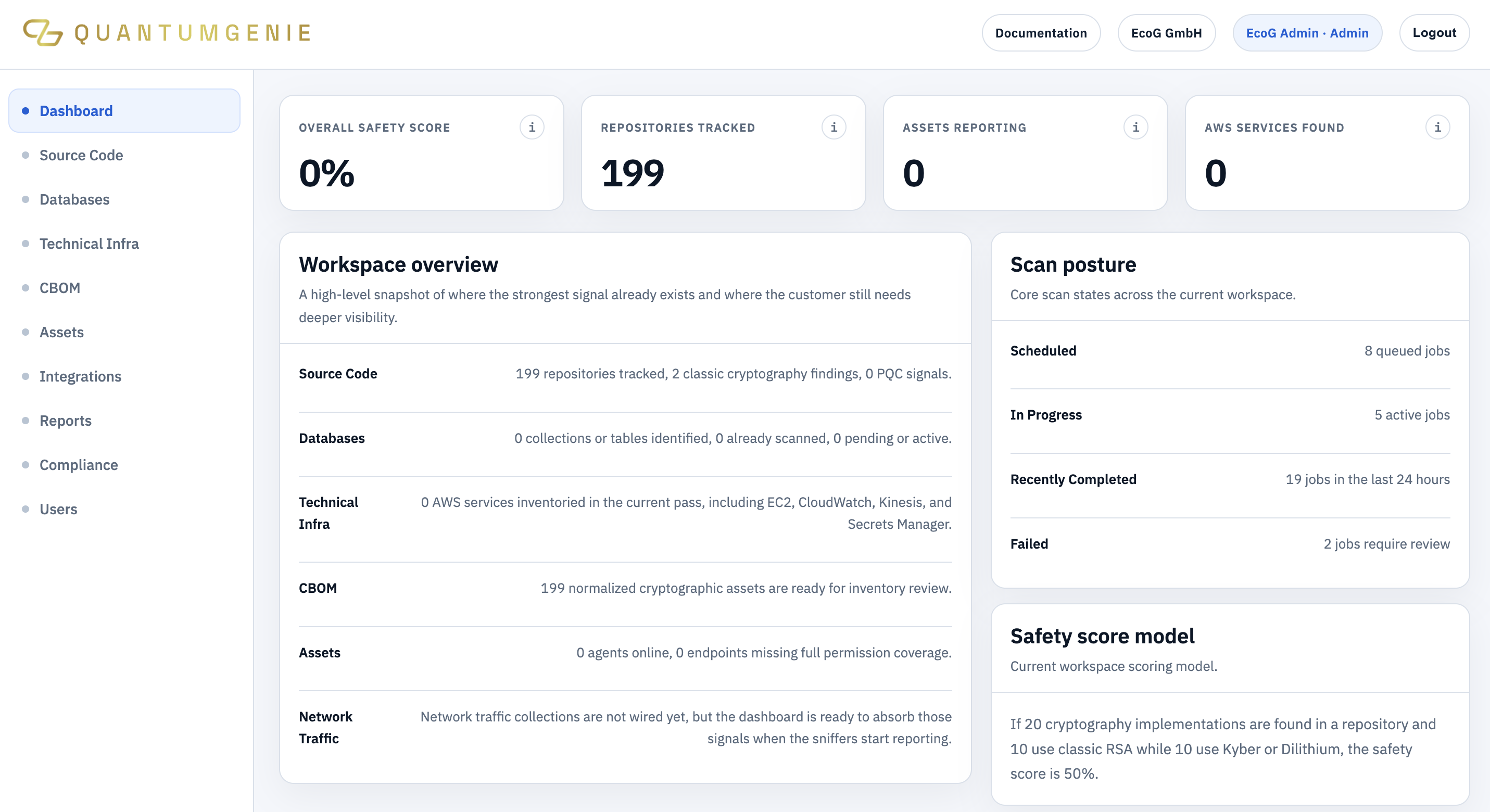
QuantumGenie aligns closely with these evolving demands by providing comprehensive cryptographic discovery across websites, certificates, infrastructure, applications, source code, and integrations. This cryptographic inventory underpins effective risk prioritization and builds a cryptographic bill of materials (CBOM), critical for migration decision-making. Beyond discovery, QuantumGenie’s CipherNova platform supports operational workflows needed for remediation plan orchestration, pull request management, policy exceptions, and cryptographic change verification.
By enabling organizations to automate remediation and enforce governance controls at scale, QuantumGenie bridges the gap between identifying PQC risks and operationalizing their mitigation. This positions QuantumGenie as a practical infrastructure essential for enterprises aiming to achieve scalable, automated post-quantum cryptographic agility in an increasingly complex threat landscape.
Frequently Asked Questions
Why is scalable cryptographic lifecycle management critical for post-quantum readiness?
Scalable lifecycle management allows enterprises to continuously discover, enforce policies, and adapt cryptographic protections dynamically in response to evolving quantum risks, enabling effective operational resilience beyond one-time discovery.
How does automated cryptographic enforcement enhance security during migration?
Automation reduces human error and delays by applying cryptographic changes and policy updates in runtime, ensuring that vulnerable algorithms can be replaced or upgraded swiftly without disrupting business processes.
Watch The Quantum Threat
Sources And Further Reading
- Eprion's Unified Cryptographic Operations Platform Ensures Post-Quantum Agility Eprion · Jul 8, 2026
- EQCore Delivers Quantum-Safe Security Across Enterprise Layers EQCore · Jul 10, 2026