In This Article
What This Means
- Understanding Crypto-Agility’s Role in Post-Quantum Resilience
- Enterprise Implications: From Awareness to Action
- How QuantumGenie Empowers Enterprise PQC Readiness
Understanding Crypto-Agility’s Role in Post-Quantum Resilience
The advent of quantum computing threatens to undermine traditional cryptographic defenses, pushing enterprises to rethink their cyber resilience strategies. As outlined in a recent TechRadar analysis, crypto-agility — the capability to dynamically switch and upgrade cryptographic algorithms — has emerged as the cornerstone of post-quantum security. Legacy systems infused with non-agile cryptography risk catastrophic breaches once quantum adversaries materialize, making adaptable cryptographic infrastructure a strategic imperative.
Enterprise Implications: From Awareness to Action
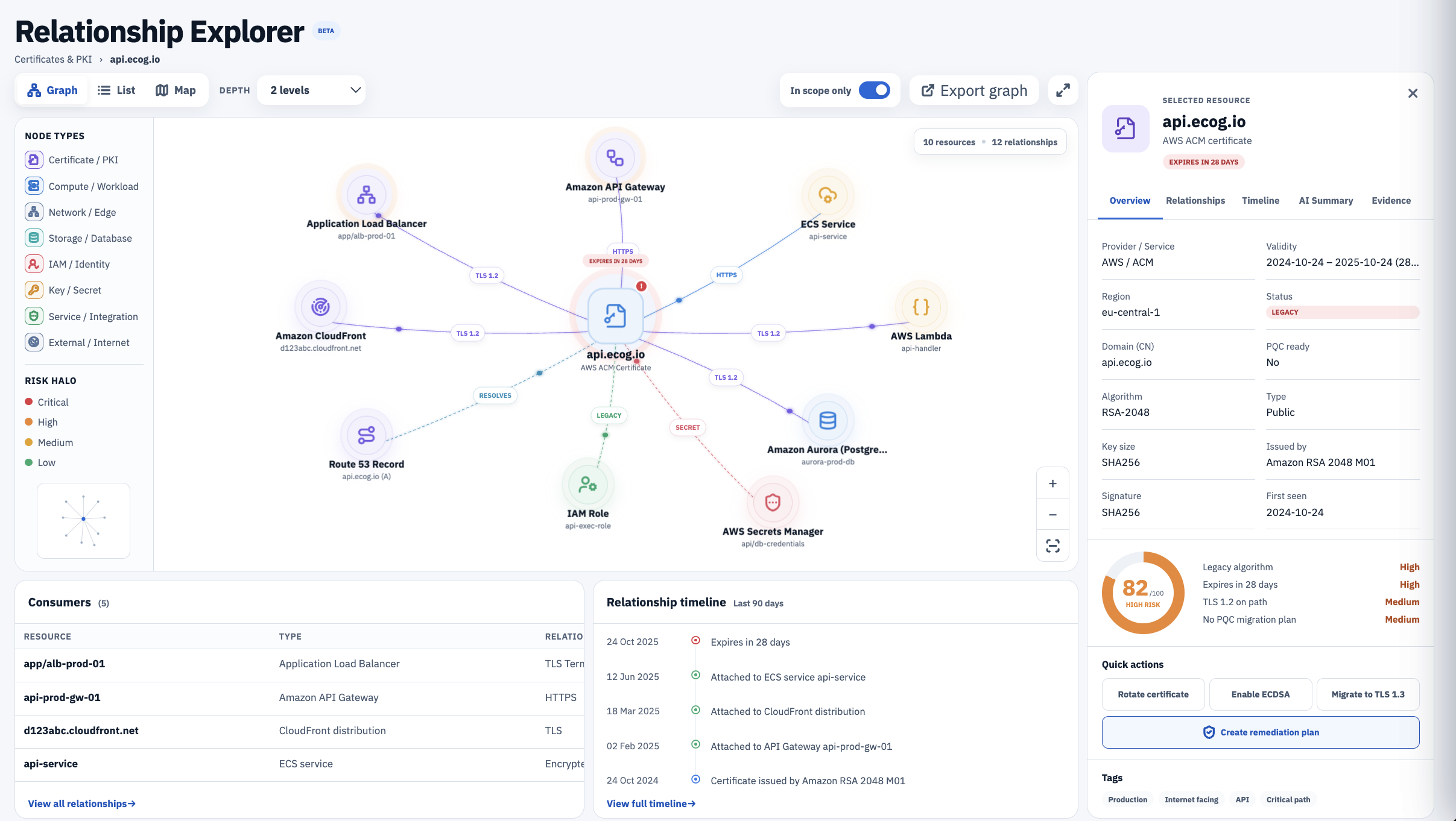
Crypto-agility demands more than just algorithmic upgrades; it starts with a comprehensive cryptographic inventory. Without clear visibility into where cryptography exists across websites, applications, databases, and certificates, CIOs and CISOs cannot effectively plan or execute migrations. This inventory forms the foundation for a Cryptographic Bill of Materials (CBOM), enabling organizations to prioritize remediation efforts, assess risks, and maintain compliance readiness against evolving regulatory expectations. The stories of SEALSQ’s strategic recognition of quantum risk conversion into readiness programs and Commvault’s integration of novel PQC algorithms illustrate a market awakening to these operational challenges. Yet, the actionable enterprise takeaway remains clear: discovery and management are prerequisites to meaningful crypto-agility.
Crypto-Agility Enterprise Readiness Framework
| Phase | Key Activities | QuantumGenie Role |
|---|---|---|
| Discovery | Uncover all cryptographic assets across the enterprise | Comprehensive cryptographic inventory, CBOM generation |
| Risk Prioritization | Assess quantum exposure and non-agile components | Risk scoring and prioritization tools |
| Planning | Develop migration paths and compliance strategies | Migration workflow orchestration and exception handling |
| Execution | Implement PQC algorithms and validate changes | Operational remediation enforcement and verification |
How QuantumGenie Empowers Enterprise PQC Readiness
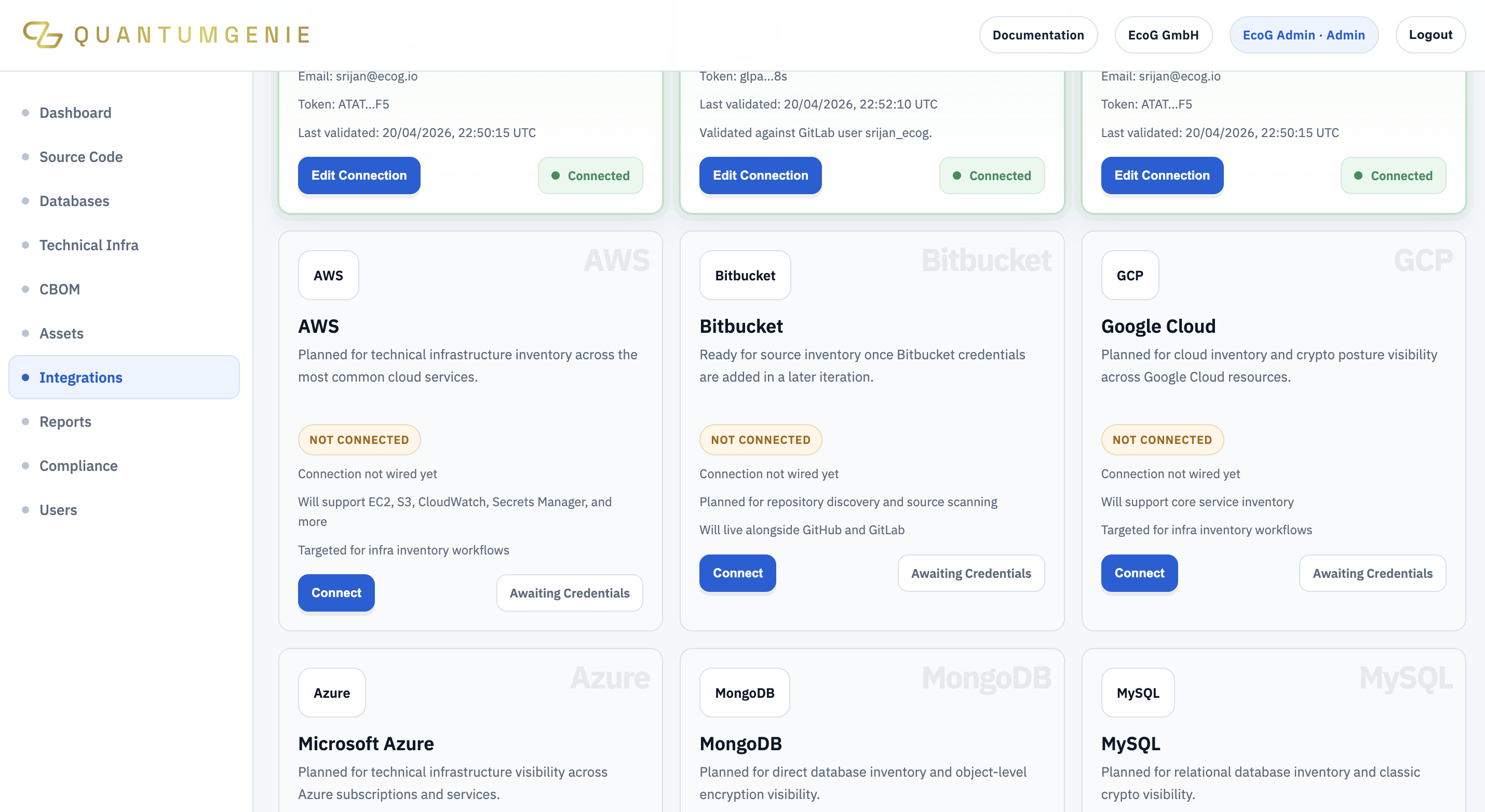
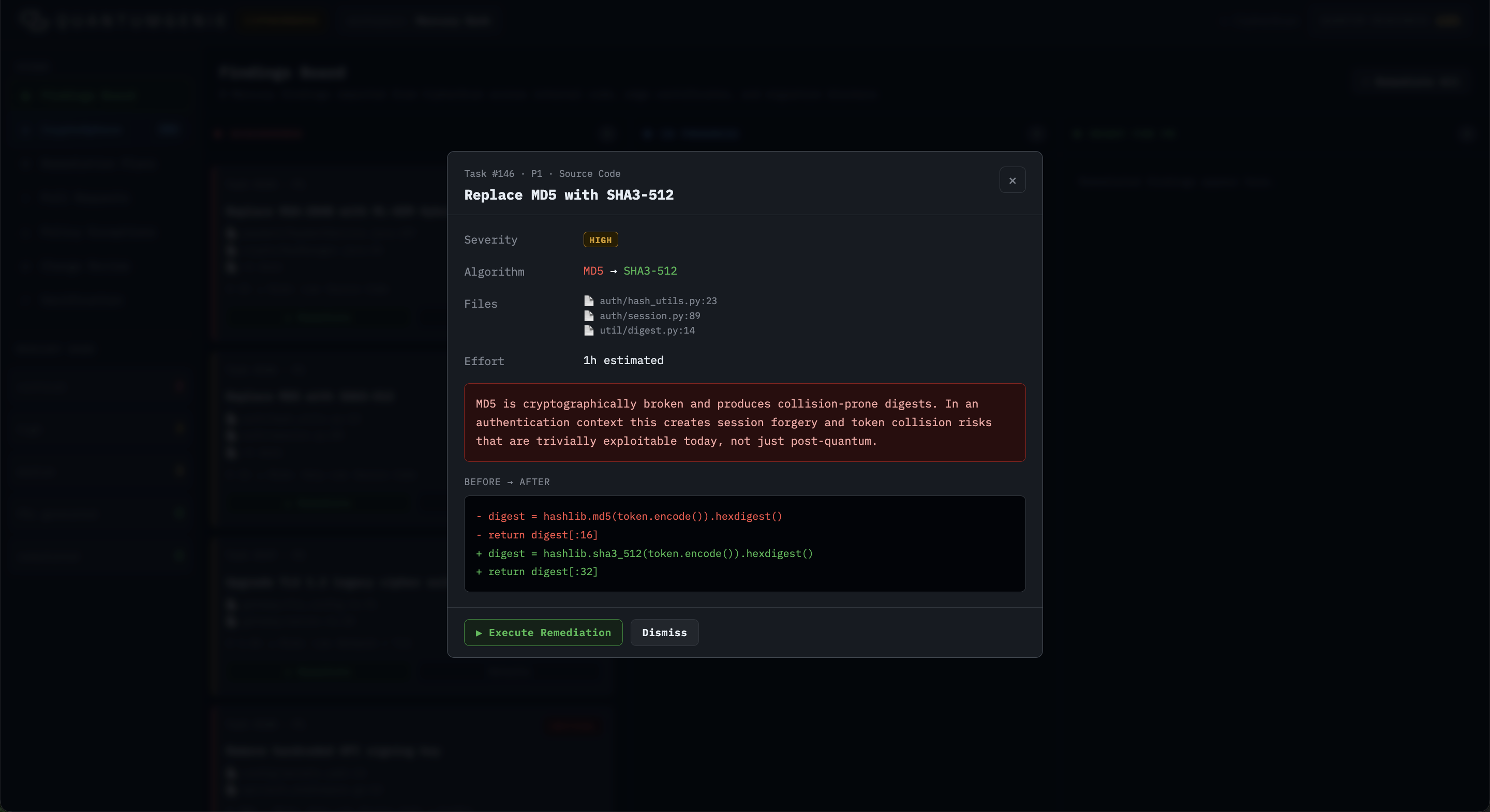
QuantumGenie’s platform directly addresses the initial yet critical phase of post-quantum readiness — discovery and visibility. By mapping cryptographic footprints spanning codebases, infrastructure, and integrated services, it equips teams with an accurate cryptographic inventory and CBOM essential for migration prioritization. Coupled with its operational modules for workflow orchestration and remediation verification, QuantumGenie enables enterprises to operationalize crypto-agility with precision, helping contain risks and stay ahead of quantum-enabled cyber threats. The practical insights from TechRadar’s coverage confirm that strategic crypto-agility is not theoretical: it is a mandatorily engineered journey that platforms like QuantumGenie are uniquely positioned to facilitate.
Frequently Asked Questions
Why is crypto-agility crucial in the post-quantum era?
Crypto-agility enables enterprises to swiftly adapt cryptographic protocols and algorithms in response to emerging quantum threats, maintaining resilience and preventing security breaches as legacy algorithms become vulnerable.
How does QuantumGenie simplify the post-quantum migration process?
QuantumGenie automates cryptographic asset discovery and builds a detailed inventory, allowing enterprises to prioritize risk and orchestrate migration workflows systematically, ensuring smooth transition to quantum-safe algorithms while maintaining business continuity.
Watch The Quantum Threat
Sources And Further Reading
- Cyber Resilience in the Post-Quantum Era: The Time of Crypto-Agility TechRadar · Aug 25, 2025
- SEALSQ Announces Post-Quantum Cybersecurity Readiness Strategy StreetInsider · Jul 6, 2026
- Commvault Unveils New Post-Quantum Cryptography Capabilities to Help Customers Protect Data from a New Generation of Security Threats PR Newswire · Jun 9, 2025