In This Article
What This Means
- Why Cryptographic Posture Management Matters Now
- Building Crypto Agility through Centralized Governance and Automation
- How QuantumGenie Fits the Cryptographic Posture Management Landscape
Why Cryptographic Posture Management Matters Now
Enterprises stand at a pivotal juncture as the quantum era approaches, compelling security teams to reassess the strength and readiness of their cryptographic assets. The recent developments around cryptographic posture management exemplified by solutions like Qinsight Atlas demonstrate a shift toward continuous, enterprise-wide discovery and risk analysis of cryptography. This approach moves beyond static inventories toward active management of cryptographic health and vulnerabilities, which is essential for preparing a robust path to post-quantum cryptography (PQC).
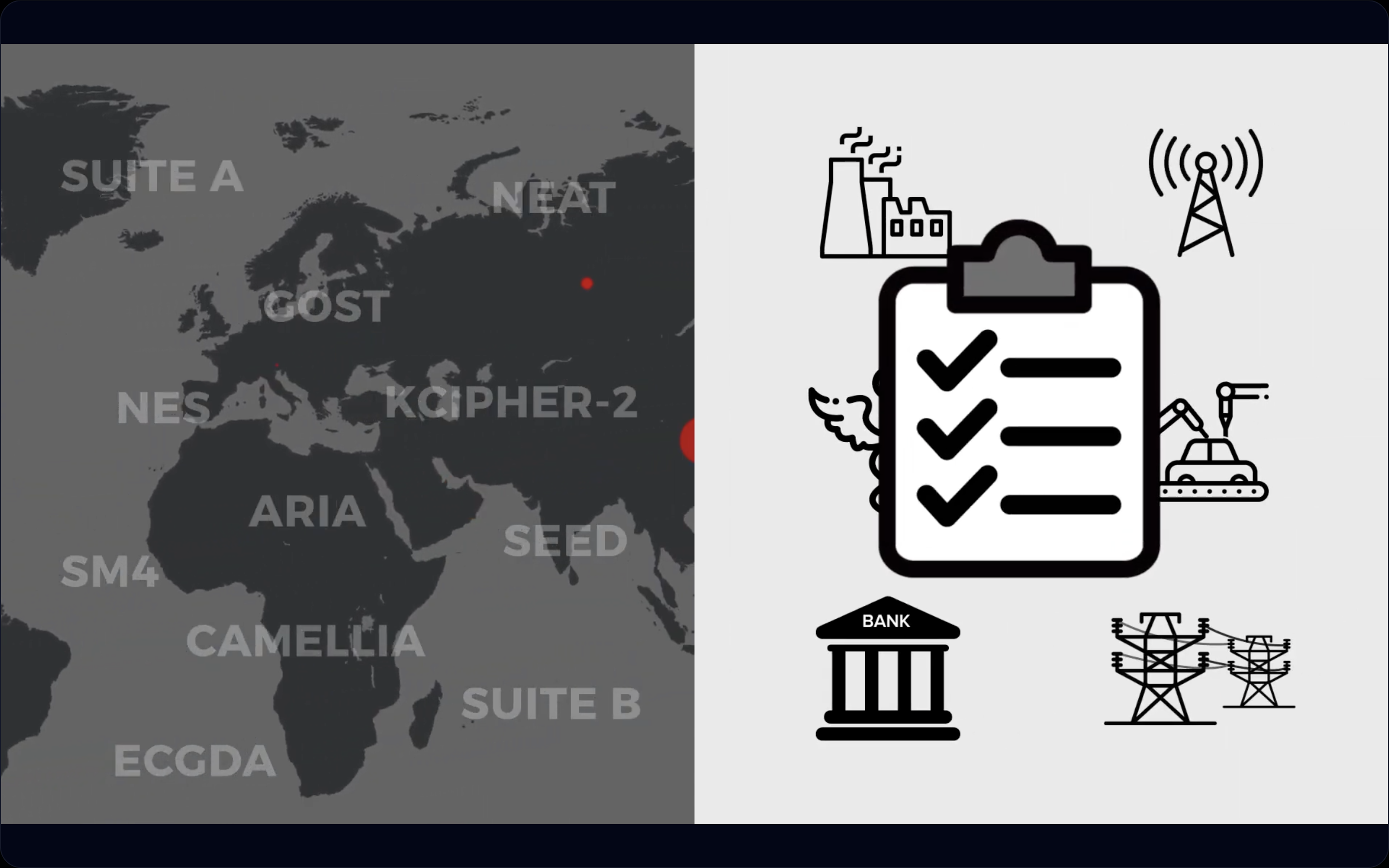
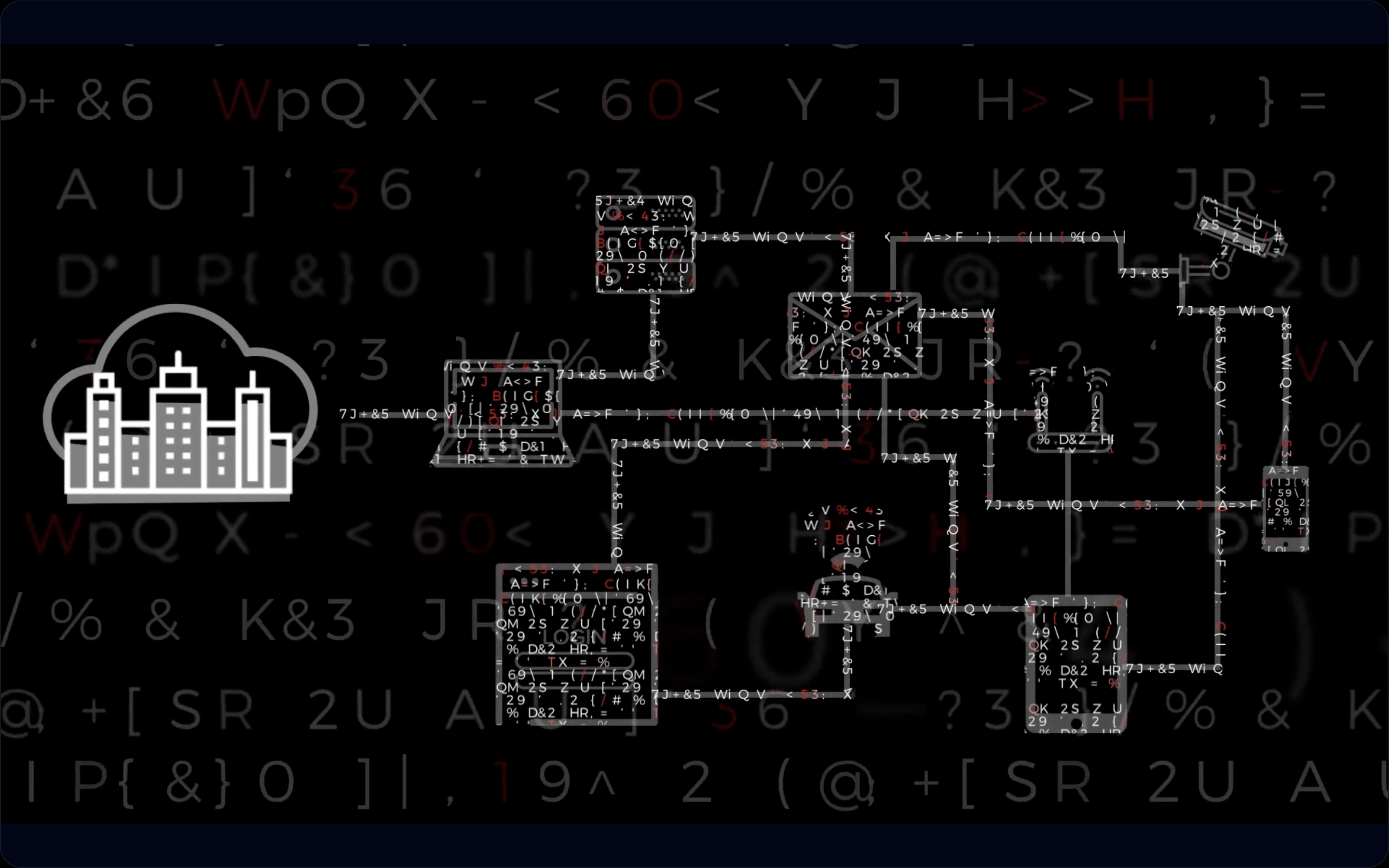
This evolving cryptographic posture management paradigm aligns with wider enterprise cybersecurity trends, emphasizing proactive governance, contextual risk visibility, and integration with compliance mandates. Without continuous insight into where cryptography is embedded—from legacy code to network infrastructure—organizations cannot realistically plan or execute safe, prioritized PQC migration strategies.
Building Crypto Agility through Centralized Governance and Automation
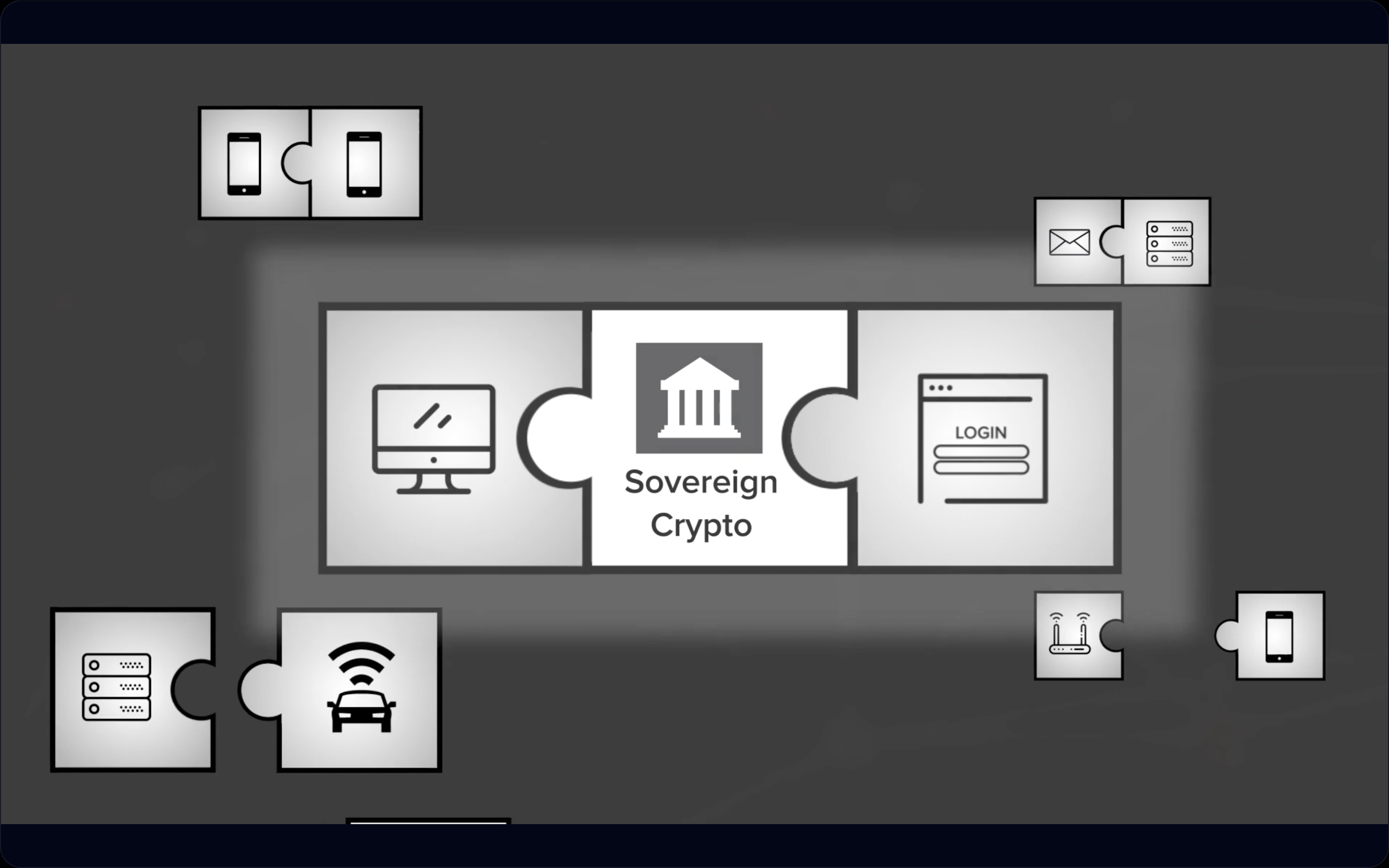
Complementing continuous posture management, new concepts like software-defined cryptography underline the need for a centralized governance model. By automating enforcement of cryptographic policies and enabling streamlined transitions between algorithms (including PQC variants), organizations can reduce operational complexity and mitigate manual error during migration.
The research on software-defined cryptography advocates a platform capable of centrally managing cryptographic choices, policy compliance, and automated deployment safeguards. This holistic agility is critical for enterprises facing heterogeneous environments with diverse application stacks. Centralized, automated control closes gaps and accelerates confident shifts to quantum-safe standards, directly reducing migration risk and cost.
Key Elements of Cryptographic Posture Management for PQC Migration
| Element | Description | Enterprise Benefit |
|---|---|---|
| Continuous Discovery | Automated tracking of cryptographic assets across all environments | Maintains accurate inventory to reduce unknown risks |
| Risk Analysis | Ongoing evaluation of cryptographic strengths and vulnerabilities | Prioritizes remediation and informs migration planning |
| Centralized Governance | Unified policy enforcement on cryptographic usage | Ensures compliance and reduces configuration drift |
| Automation & Orchestration | Workflow-driven remediation and verification processes | Accelerates migration while minimizing manual errors |
How QuantumGenie Fits the Cryptographic Posture Management Landscape
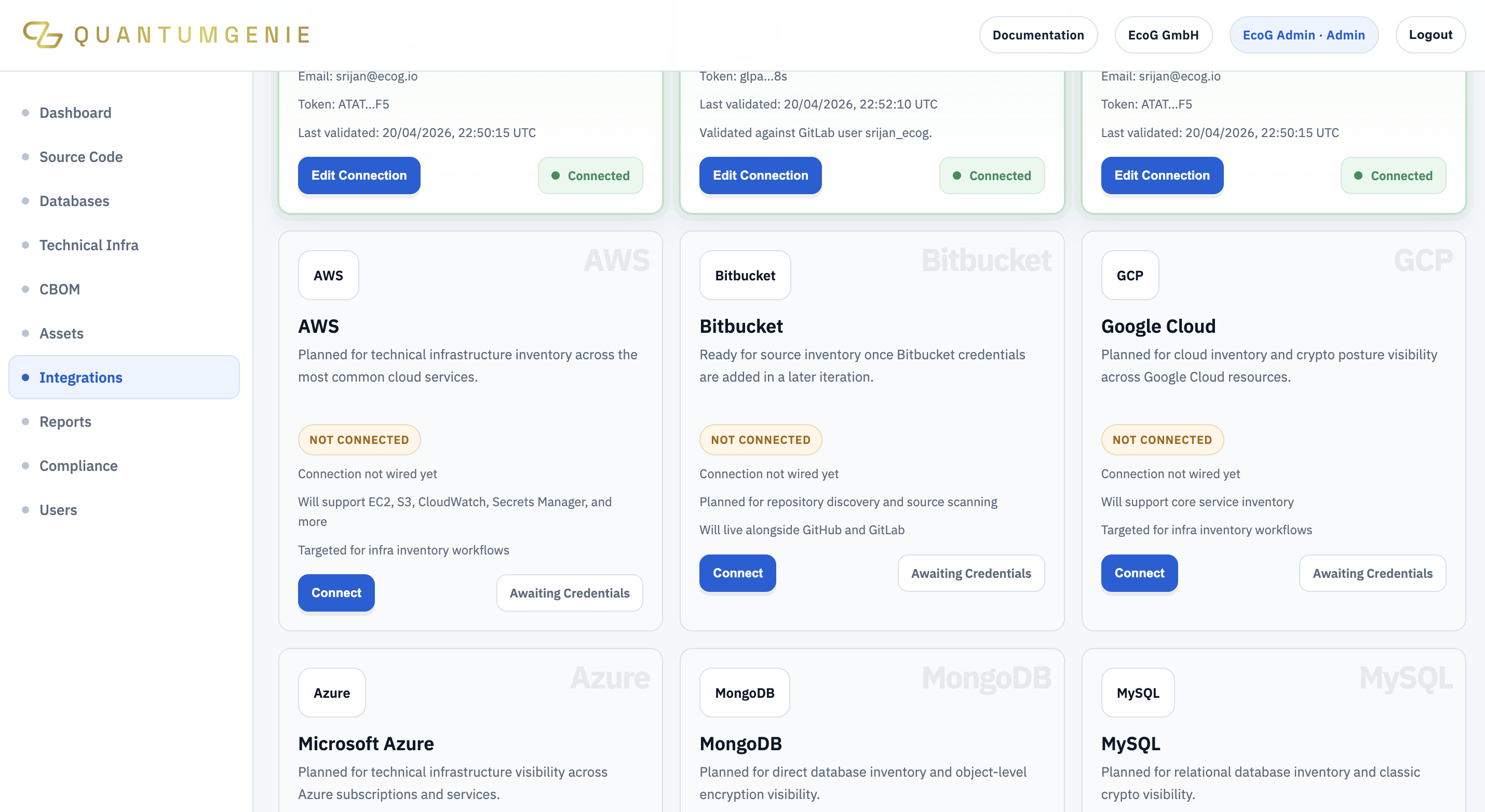
QuantumGenie is purpose-built to address the practical challenges of cryptographic posture management in enterprise environments. Its platform specializes in discovery across diverse IT assets, enabling the construction of an exhaustive cryptographic inventory and cryptographic bill of materials (CBOM). This foundational inventory fuels accurate risk prioritization and migration planning.
Beyond discovery, QuantumGenie’s orchestration capabilities help operationalize remediation workflows, policy exception handling, and verification processes, critical for cryptographic posture management maturity. By bridging visibility with executable migration steps, QuantumGenie empowers security teams to move beyond theoretical readiness into controlled, measurable PQC transition.
Frequently Asked Questions
What is cryptographic posture management and why is it critical for PQC migration?
Cryptographic posture management refers to continuously discovering, monitoring, and managing all cryptographic assets and their associated risks across an enterprise. It is critical for PQC migration because it provides the visibility and risk context necessary to plan, prioritize, and execute migration from classical to post-quantum algorithms effectively.
How does automation support cryptographic governance during PQC migration?
Automation enforces cryptographic policies, triggers remediation workflows, manages exceptions, and verifies compliance automatically. This reduces human error, improves consistency, and accelerates the complex transition to quantum-safe cryptography, especially across heterogeneous and large-scale IT infrastructures.
Watch The Quantum Threat
Sources And Further Reading
- Cryptographic Posture Management by Qinsight Atlas Qinsight · Jul 3, 2026
- Software-Defined Cryptography for Cryptographic Agility arXiv · Apr 2, 2024