In This Article
What This Means
- Why a Cryptographic Inventory is Indispensable for Enterprises
- From Inventory to Implementation: The Enterprise Implications
- How QuantumGenie Fits: Building the Foundation for Post-Quantum Agility
Why a Cryptographic Inventory is Indispensable for Enterprises
Enterprises today face an imminent challenge: the need to migrate cryptographic protections to quantum-resistant algorithms. However, preparation for this migration starts much earlier than swapping out cryptographic primitives. As the QNu Labs article emphasizes, without a comprehensive cryptographic inventory, organizations cannot know what cryptography resides where — which algorithms, certificates, protocols, and keys are deployed across the entire digital landscape.
This blind spot leaves enterprises vulnerable to missed critical assets, gaps in protection, and an inability to prioritize migration efforts effectively. The inventory serves as a single source of truth, enabling risk assessments, compliance verification, and strategic planning. Being blind to these crypto-assets is effectively the same as running a ship without a compass in a storm of quantum threats.
From Inventory to Implementation: The Enterprise Implications
A cryptographic inventory isn't a static checklist, but a dynamic, evolving dataset that informs every next step in a post-quantum migration program. Once organizations identify and document all crypto instances, including legacy and embedded systems, they can assess quantum vulnerability exposure and prioritize remediation efforts.
Enterprise teams implementing migration must constantly update inventories to track remediation progress and maintain compliance posture. The supporting story on QuantumGuard illustrates the growing trend of platforms integrating discovery, vulnerability assessment, and migration orchestration into one toolchain, underscoring the operational complexity enterprises face.

Enterprise Cryptographic Inventory vs. Post-Quantum Migration Needs
| Aspect | Description | Enterprise Impact |
|---|---|---|
| Scope | Identification of all cryptographic assets: algorithms, keys, certificates, protocols across all systems | Creates a holistic understanding, ensures no asset is missed |
| Dynamic Update | Continuous tracking as systems evolve and remediation progresses | Keeps migration plans current and compliance evidence verifiable |
| Risk Prioritization | Assessment of crypto instances for quantum vulnerability and criticality | Allows focused allocation of resources on highest-risk assets |
| Compliance | Supports proof of due diligence for regulations and audit mandates | Reduces organizational risk of non-compliance penalties |
How QuantumGenie Fits: Building the Foundation for Post-Quantum Agility
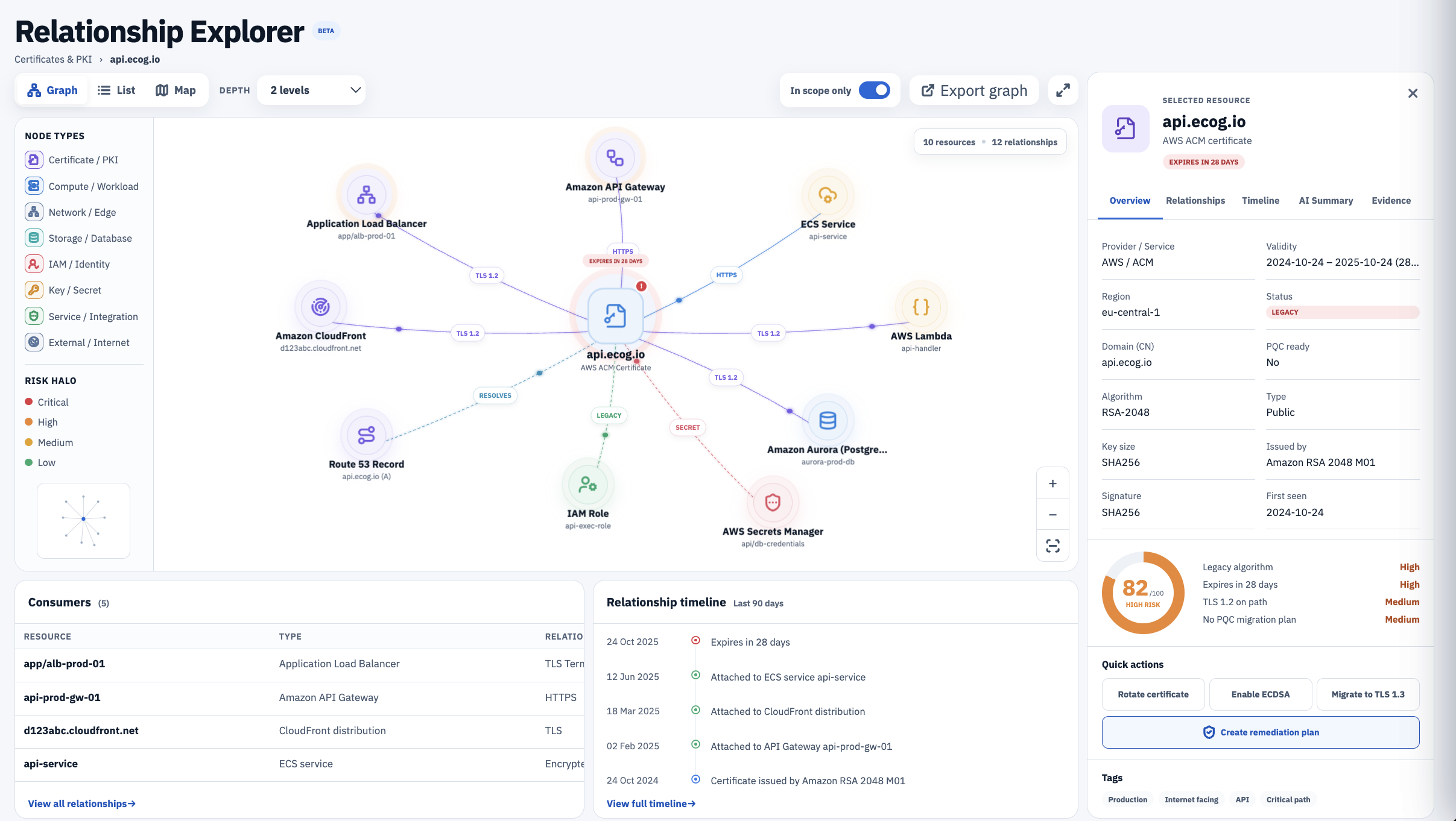
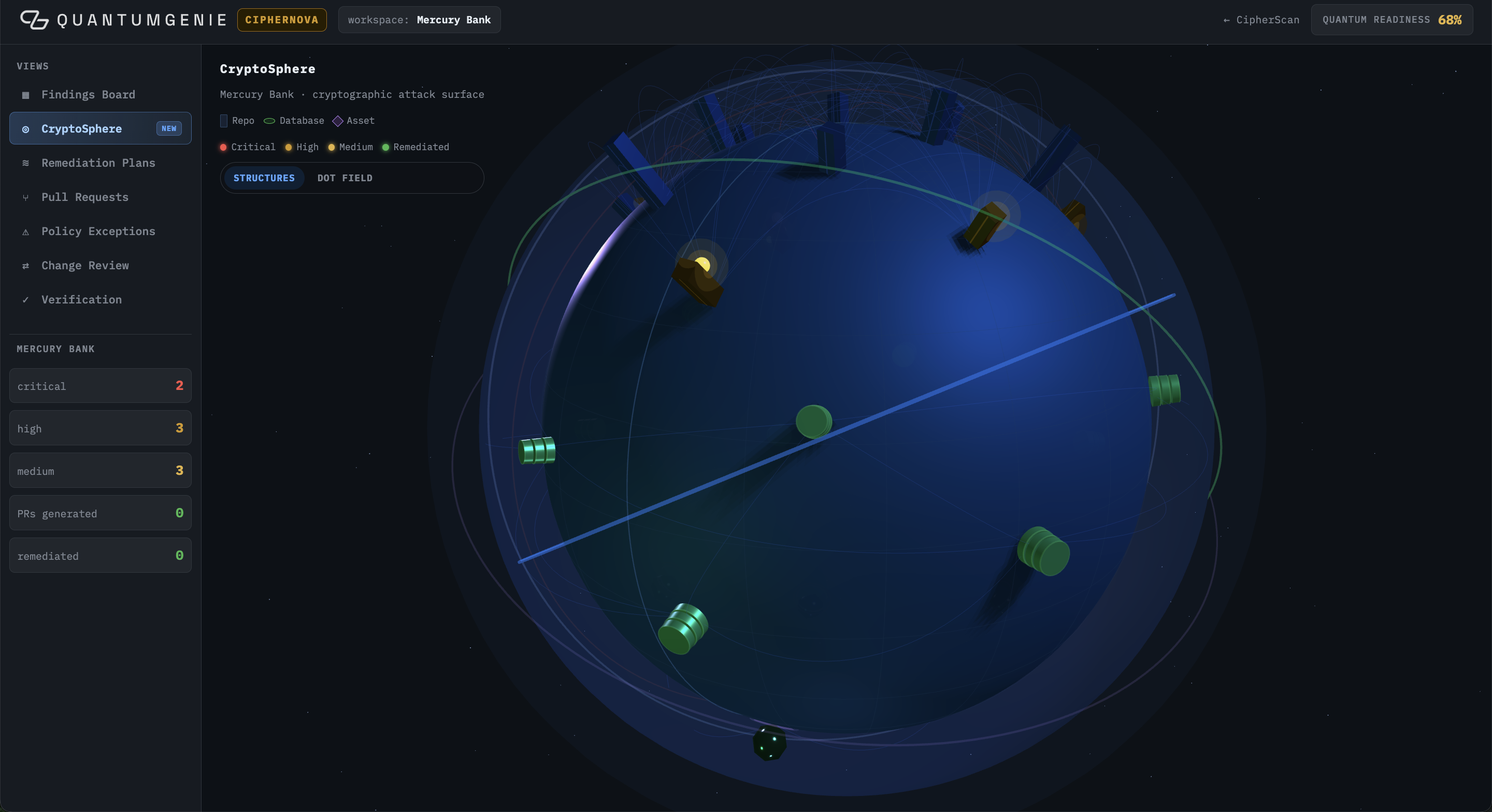
QuantumGenie addresses this crucial enterprise challenge by offering CipherScan, a comprehensive discovery and visibility layer that uncovers cryptographic use across web properties, certificates, source code, infrastructure, databases, and more. This detailed cryptographic inventory and CBOM formulation provide security teams with a clear, prioritized view of their crypto landscape.
With this inventory, enterprises can plan their post-quantum migrations with precision — focusing remediation workflows, measuring progress, and ensuring continuous compliance readiness. QuantumGenie’s approach turns the conceptual importance of cryptographic inventories into a practical, operational reality, enabling organizations to move beyond discovery toward effective quantum-safe cryptography implementation.
Frequently Asked Questions
What is a cryptographic inventory and why is it vital?
A cryptographic inventory is a comprehensive catalog of all cryptographic algorithms, keys, certificates, and protocols used across an organization's IT ecosystem. This inventory is vital because it enables enterprises to see all points of cryptographic exposure, assess risk, ensure compliance, and plan effective migration strategies to post-quantum algorithms, leaving no gaps unnoticed.
How frequently should an enterprise update its cryptographic inventory?
Enterprises should maintain their cryptographic inventory as a living document, updating it continuously or at least regularly, especially during migrations or IT changes, to capture newly deployed or retired cryptographic assets. This ensures that risk assessments and compliance postures remain accurate and that migration workflows can proceed without surprises.
Watch The Quantum Threat
Sources And Further Reading
- Cryptographic Inventory: What It Is & Why It Matters QNu Labs · Jun 17, 2026
- QuantumGuard — Post-Quantum Cryptography Platform Cybernonics · Jul 22, 2026