In This Article
What This Means
- EU Regulatory Pressure Drives the Need for Cryptographic Asset Visibility
- From Discovery to Migration: Enterprise Imperatives in the Post-Quantum Era
- How QuantumGenie Fits in the EU Cryptographic Compliance Landscape
EU Regulatory Pressure Drives the Need for Cryptographic Asset Visibility
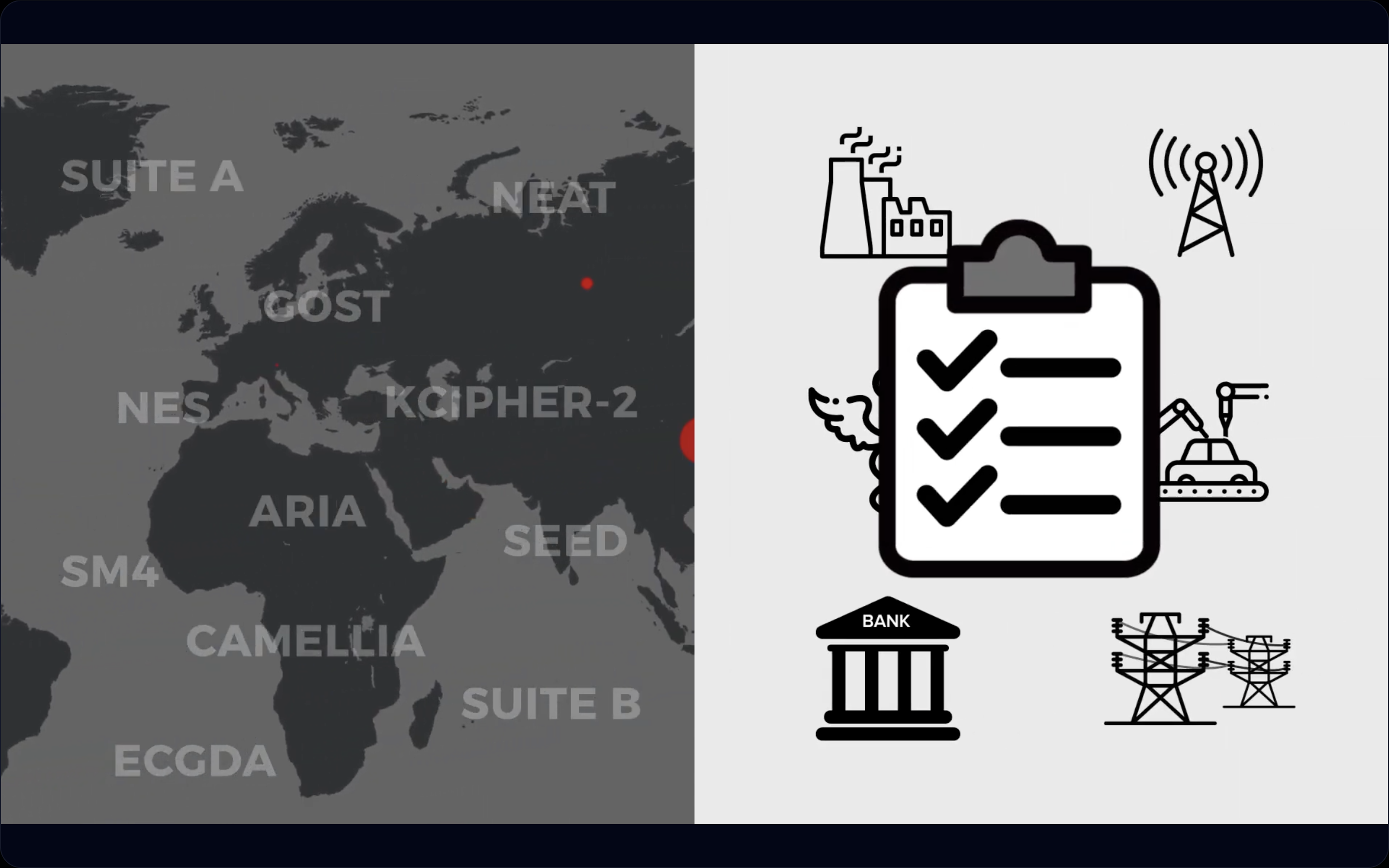
The increasing wave of EU cybersecurity regulations such as the Digital Operational Resilience Act (DORA), NIS2 Directive, and the upcoming Cyber Resilience Act place unprecedented demands on enterprises to understand and manage their cryptographic assets. These regulations mandate rigorous reporting and risk assessment, especially as enterprises prepare for the arrival of quantum-capable adversaries that could undermine current cryptographic protections.
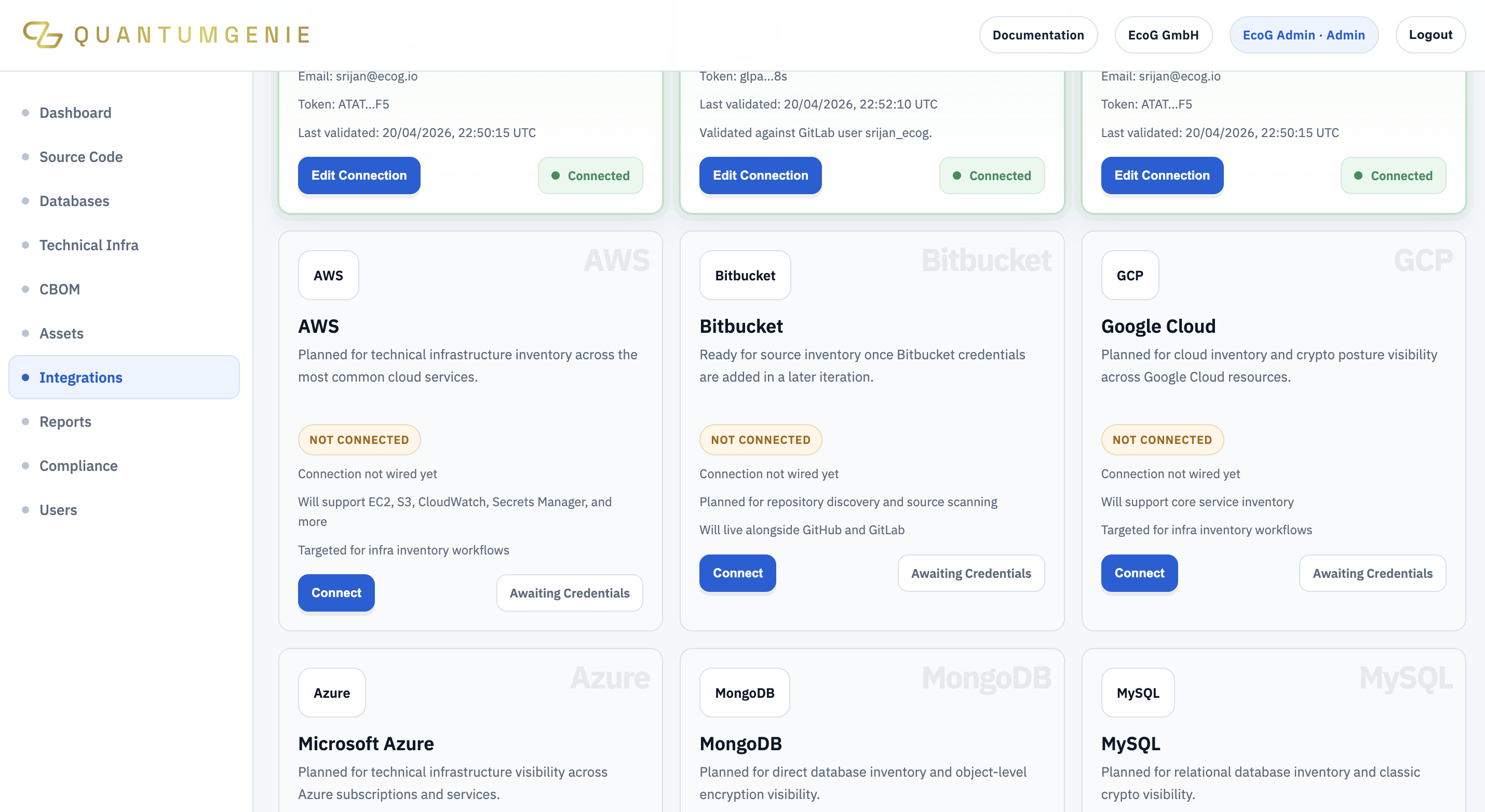
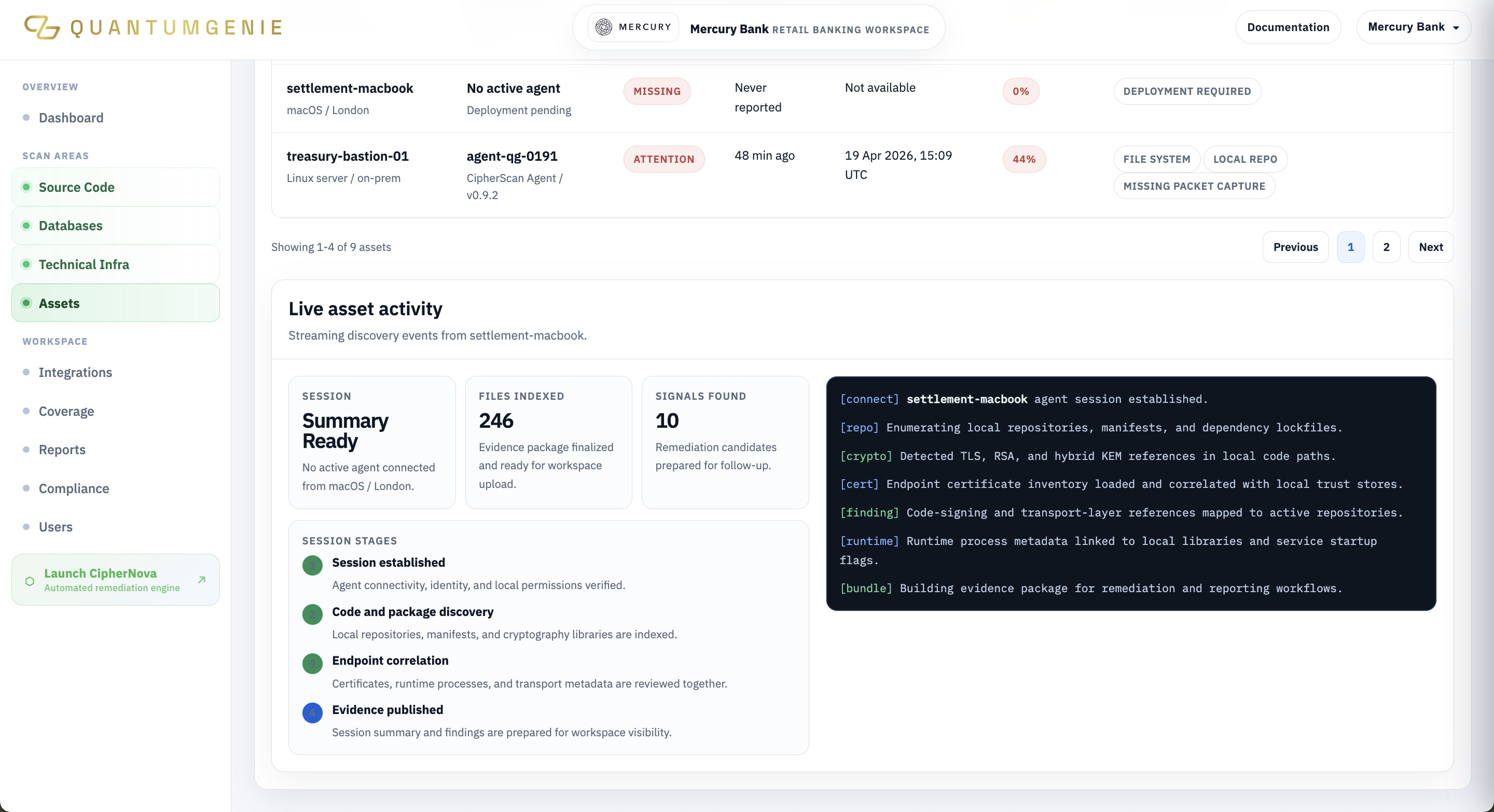
Cryptagion's recent focus on offering cryptographic inventory and compliance reporting directly addresses these regulatory demands. Enterprises must now move beyond static security postures and instead gain dynamic visibility into where cryptography is used across websites, certificates, databases, and source code, enabling them to assess which assets are vulnerable to quantum threats and comply with regulatory requirements.
From Discovery to Migration: Enterprise Imperatives in the Post-Quantum Era
Beyond simply cataloging cryptographic assets, enterprises face the practical challenge of understanding cryptographic risk exposure to prioritize migration efforts. Platforms like Qinsight demonstrate how cryptographic posture management goes hand-in-hand with debt elimination and transition to post-quantum-safe algorithms.
However, successful migration requires reliable, comprehensive inventory data and integration into workflows to orchestrate remediation efficiently. Without a clear inventory and risk prioritization, enterprises risk costly, fragmented migration efforts and compliance lapses.
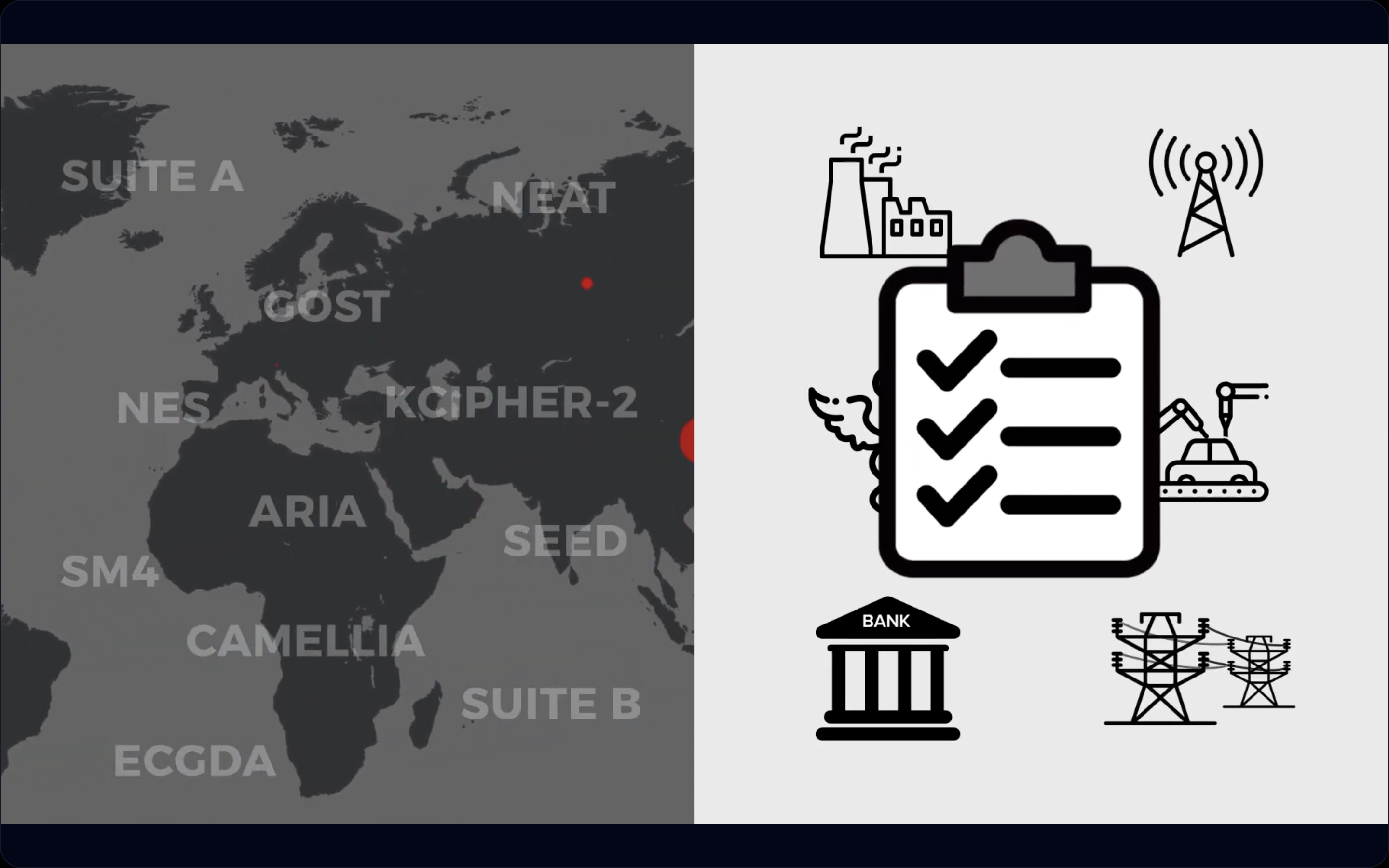
Key EU Post-Quantum Cryptography Regulatory Requirements and Enterprise Responses
| Regulation | Requirement | Enterprise Action |
|---|---|---|
| DORA | Inventory and report cryptographic controls used in operational IT systems | Perform comprehensive cryptographic asset discovery and risk assessment |
| NIS2 Directive | Implement measures to address emerging cyber risks including quantum threats | Establish cryptographic risk management and remediation workflows |
| EU Cyber Resilience Act | Ensure supply chain and software component cryptographic security | Maintain cryptographic bill of materials (CBOM) and certification evidence |
How QuantumGenie Fits in the EU Cryptographic Compliance Landscape
QuantumGenie addresses these urgent needs by providing advanced discovery of cryptographic usage across complex enterprise environments. It helps security and compliance teams build an actionable cryptographic inventory, assess migration risk priorities, and maintain evidence for regulatory compliance — all aligned with EU mandates like DORA and NIS2.
By integrating discovery results into a unified workflow that supports remediation orchestration and governance, QuantumGenie empowers organizations to transition smoothly to post-quantum cryptography, avoid operational disruptions, and meet regulatory deadlines with confidence.
Frequently Asked Questions
Why is cryptographic inventory management critical for EU enterprises?
Because EU regulations like DORA and NIS2 require enterprises to report and manage their cryptographic controls comprehensively, cryptographic inventory management ensures visibility into all cryptographic assets to assess quantum risks and demonstrate compliance.
How does post-quantum readiness relate to cryptographic discovery?
Effective post-quantum readiness starts with discovering where cryptography is used to identify vulnerable assets, prioritize migration, and govern remediations efficiently — all enabled by cryptographic discovery platforms like QuantumGenie.
Watch The Quantum Threat
Sources And Further Reading
- Cryptographic Inventory Management for EU Enterprises Cryptagion · Jul 3, 2026
- Qinsight: Cryptographic Posture Management Platform Qinsight · Jul 2, 2026