In This Article
What This Means
- European Regulations Drive the Need for Cryptographic Inventory
- Why Cryptographic Inventory is the Foundation for Post-Quantum Migration
- How QuantumGenie Fits into EU Cryptographic Inventory and Compliance Needs
European Regulations Drive the Need for Cryptographic Inventory
New EU cybersecurity regulations such as DORA, NIS2, and the Cyber Resilience Act are putting unprecedented focus on cryptographic hygiene and risk management. Enterprises subject to these regulations must establish detailed inventories of their cryptographic assets to identify quantum-vulnerable keys and certificates and to demonstrate compliance during audits.
CRYPTAGION's recent offering highlights how EU firms must extend beyond generic security checks to active inventorying and risk assessment of cryptographic materials. The goal is to create transparency across websites, certificates, network infrastructure, and applications to meet regulatory requirements and prepare for forced migration to quantum-safe algorithms.
Why Cryptographic Inventory is the Foundation for Post-Quantum Migration
Post-quantum cryptography (PQC) migration is a complex undertaking that requires precise knowledge of where cryptography lives and how it is used. Automated inventory management platforms like Eprion and EQCore illustrate the growing market recognition that lifecycle management of cryptographic assets—including discovery, assessment, and orchestration—is non-negotiable for scalable PQC adoption.
Without a comprehensive cryptographic asset inventory, enterprises risk fragmented or incomplete migrations, increasing exposure to quantum threats and regulatory penalties. Moreover, the inventory informs prioritized risk remediation and the creation of a cryptographic bill of materials (CBOM), enabling structured planning rather than ad hoc responses.
Regulatory-Driven Cryptographic Inventory: Key Considerations for Enterprises
| Consideration | Implication | Enterprise Action |
|---|---|---|
| Comprehensive Asset Visibility | Identify all cryptographic usages across the enterprise | Deploy automated discovery tools that cover certificates, code, infrastructure, and integrations |
| Risk Prioritization | Pinpoint assets vulnerable to quantum attacks | Analyze inventory data to focus remediation efforts where exposure is highest |
| Compliance Alignment | Support reporting for DORA, NIS2, Cyber Resilience Act | Generate audit-ready compliance reports and maintain evidence of controls |
| Crypto-Agility Enablement | Facilitate smooth transition to post-quantum algorithms | Build CBOMs to guide phased migration and reduce operational disruption |
How QuantumGenie Fits into EU Cryptographic Inventory and Compliance Needs
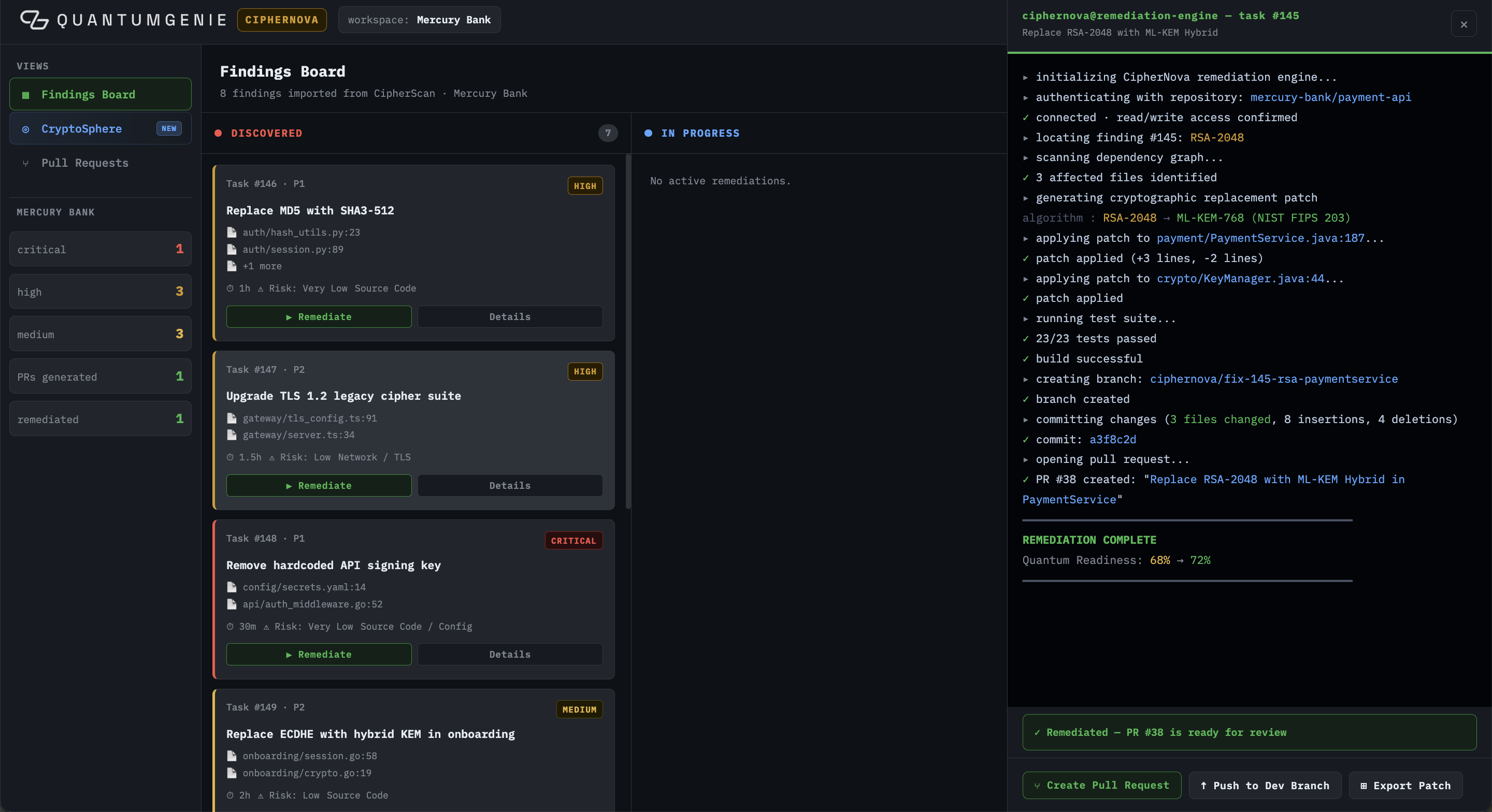
QuantumGenie's CipherScan product surface aligns closely with the requirements emphasized by emerging EU cybersecurity mandates. By delivering deep discovery across websites, certificates, source code, infrastructure, and integrations, QuantumGenie enables enterprises to build accurate, up-to-date cryptographic inventories and CBOMs critical for compliance.
Furthermore, QuantumGenie's platform supports risk prioritization, migration planning, and governance workflows that turn inventory data into operational resilience against emerging quantum threats. For CISOs and enterprise architects navigating EU regulatory pressures, QuantumGenie provides practical infrastructure to transform cryptographic visibility into actionable readiness and agile remediation programs.
Frequently Asked Questions
Why is a cryptographic inventory essential for EU enterprises under new regulations?
A cryptographic inventory provides the transparency needed to identify quantum-vulnerable assets and satisfy the detailed cybersecurity governance and audit requirements mandated by regulations such as DORA, NIS2, and the Cyber Resilience Act.
How does QuantumGenie support enterprises in post-quantum cryptography migration?
QuantumGenie offers comprehensive discovery and visibility tools that enable enterprises to build cryptographic inventories and CBOMs, prioritize migration risks, plan cryptographic agility strategies, and operationalize remediation workflows effectively.
Watch The Quantum Threat
Sources And Further Reading
- Cryptographic Inventory Management for EU Enterprises CRYPTAGION · Jun 28, 2026
- Eprion's Unified Cryptographic Operations Platform Eprion · Jun 28, 2026
- EQCore's Quantum-Safe Security Framework EQCore · Jun 29, 2026