In This Article
What This Means
- Regulatory Pressure Spurs Demand for Cryptographic Transparency and Quantum Readiness
- Aligning Migration Roadmaps with Inventory and Risk Prioritization
- How QuantumGenie Enables Compliant and Agile PQC Migration for Enterprises
Regulatory Pressure Spurs Demand for Cryptographic Transparency and Quantum Readiness
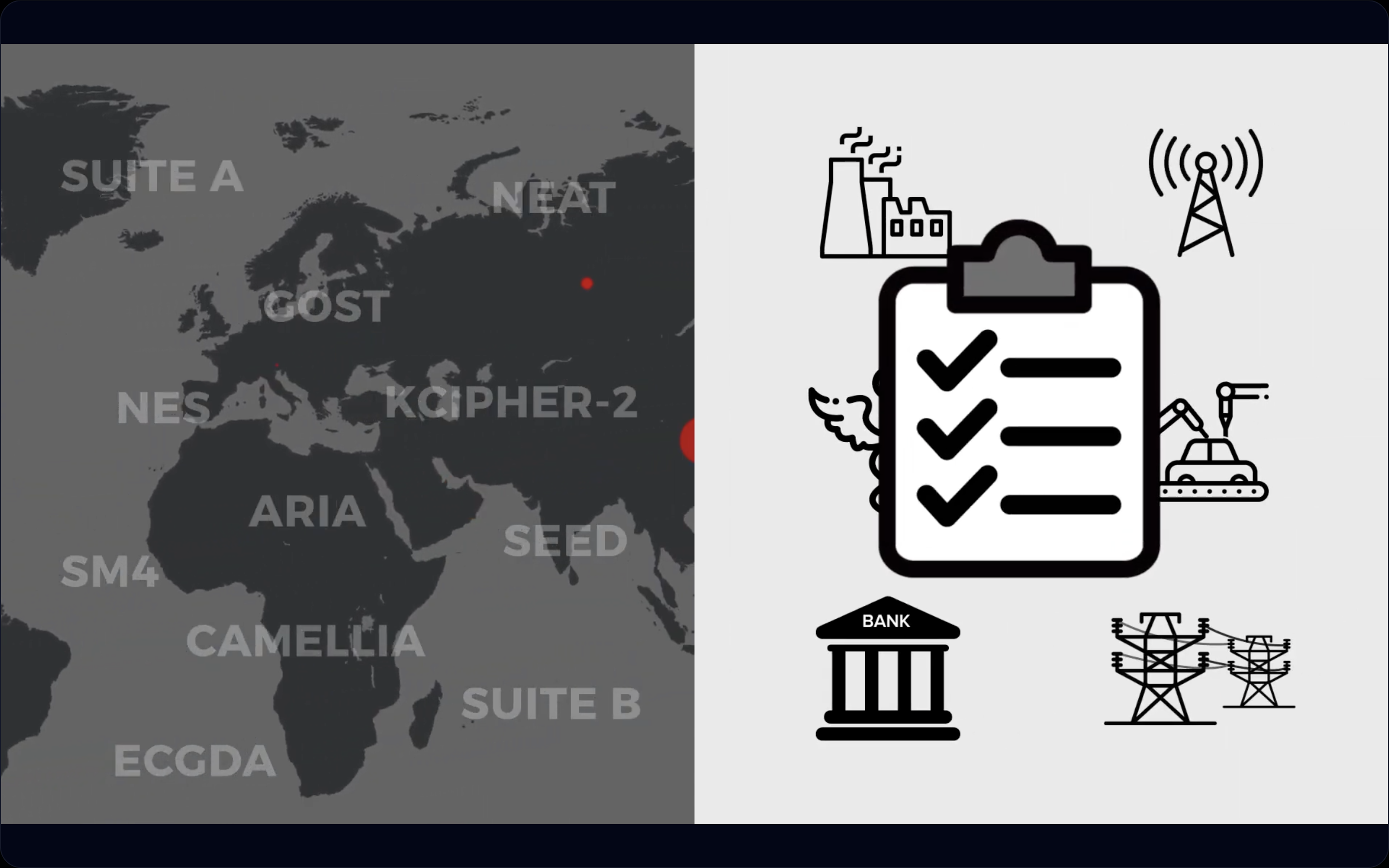
The European cybersecurity landscape is rapidly evolving with regulations such as the Digital Operational Resilience Act (DORA), NIS2 directive, and the EU Cyber Resilience Act imposing stringent requirements on cryptographic security. Enterprises operating within this regulatory environment face growing pressure to provide transparent inventories of cryptographic assets embedded across their digital infrastructure. Failure to comply can result in regulatory penalties and exposure to quantum-enabled cyberattacks.
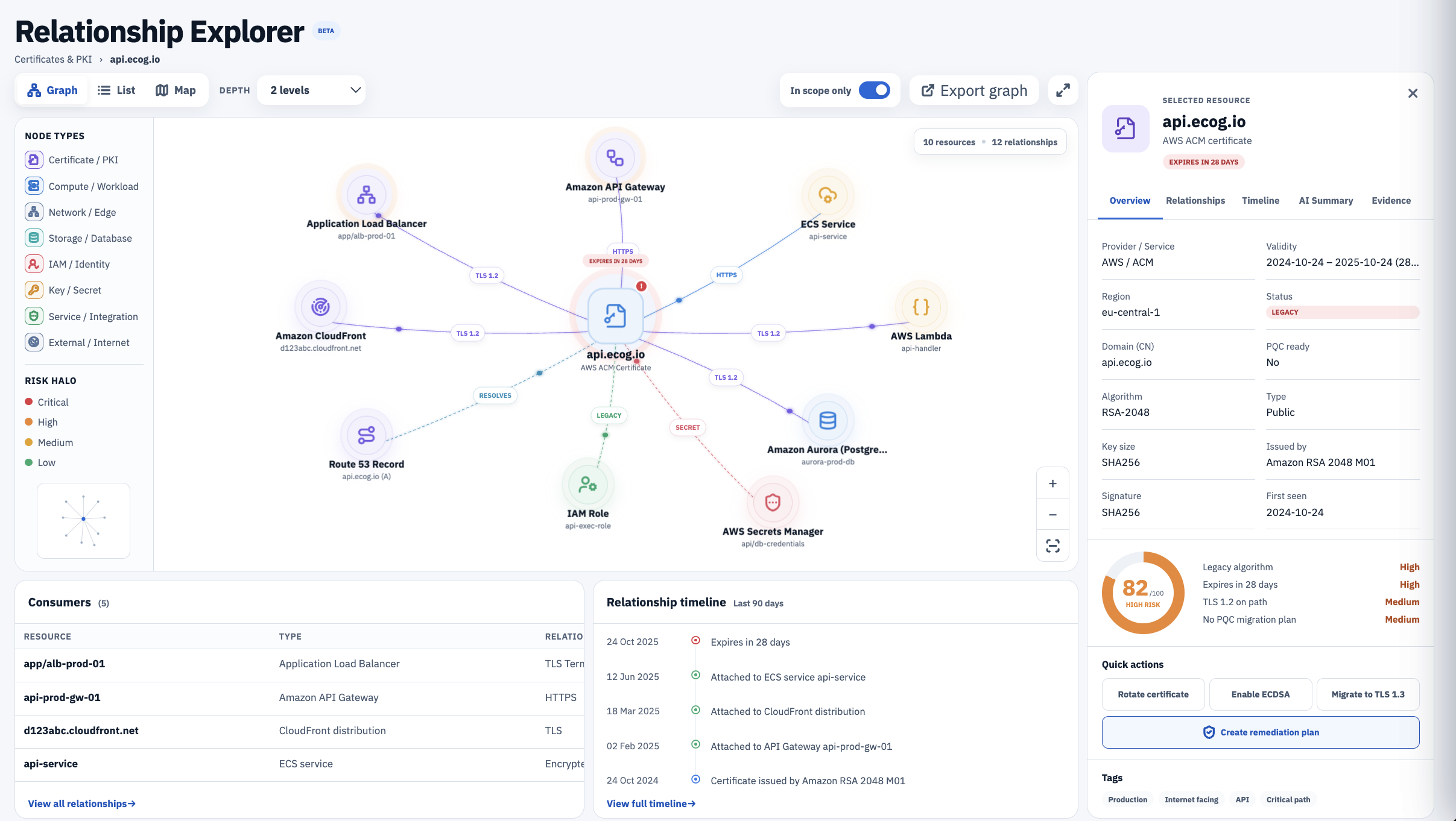
CRYPTAGION’s recent announcement of a discovery and scoring service for cryptographic assets—spanning codebases, certificates, and live TLS endpoints—reflects an emerging market need to automate cryptographic exposure assessment. By generating a CycloneDX 1.6-compliant Software Bill of Materials (SBOM) focused on cryptography, it equips enterprises with actionable compliance evidence and risk insights tailored to their quantum vulnerability. This service model exemplifies practical steps enterprises must take to gain visibility before migration.
Aligning Migration Roadmaps with Inventory and Risk Prioritization
Sound post-quantum migration demands more than discovery: it requires a phased, risk-prioritized approach. Supporting research like the 9-phase PQC Migration Guide from Encryption Consulting underlines the necessity of comprehensive inventories as the foundation for effective migration planning and crypto-agility. Enterprises need a clear understanding of which cryptographic assets are most exposed to future quantum threats and which hold the highest risk in compliance contexts.
This prioritization enables focused remediation efforts that balance security improvements with operational continuity. Practical migration plans incorporate continuous assessment and phased rollouts, which is essential in large, complex organizations where cryptography is deeply embedded in diverse IT assets.
Key Elements of Practical PQC Enterprise Readiness
| Element | Description | Enterprise Benefit |
|---|---|---|
| Comprehensive Cryptographic Discovery | Automated scanning of codebases, certificates, and endpoints | Full visibility into cryptographic assets enables compliance and risk management |
| Quantum-Vulnerability Scoring | Assessment of assets' exposure to quantum attacks | Prioritizes remediation efforts based on risk exposure |
| CBOM Generation | Creation of CycloneDX-compliant software bills of materials centered on crypto | Supports regulatory reporting and audit evidence |
| Phased Migration Roadmap | Structured multi-phase implementation process | Balances security upgrades with operational continuity |
How QuantumGenie Enables Compliant and Agile PQC Migration for Enterprises
QuantumGenie directly addresses the enterprise imperatives demonstrated by CRYPTAGION’s service and migration frameworks. Its CipherScan discovery engine excels at uncovering cryptographic exposures embedded not just in certificates and endpoints but across applications, databases, integrations, and source code. This holistic visibility is critical for generating a faithful cryptographic inventory and CBOM aligned with regulatory expectations.
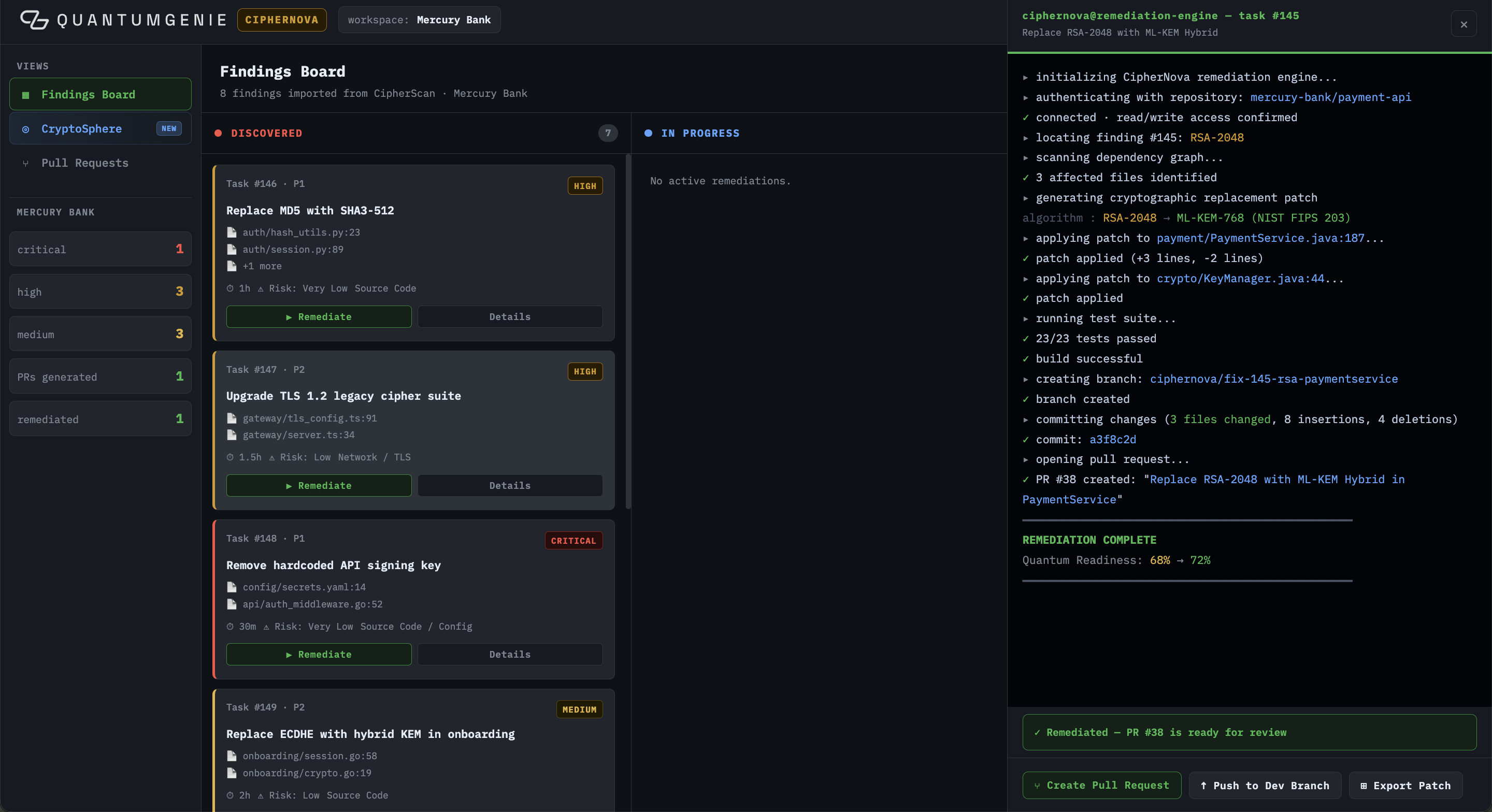
Beyond discovery, QuantumGenie's CipherNova empowers enterprises to prioritize quantum-vulnerability risk and orchestrate remediation workflows, including pull requests, policy exceptions, and change reviews. This operationalizes compliance readiness and migration governance, enabling organizations to plan and execute migrations in phases with clear audit trails. As EU regulatory regimes tighten, such integrated visibility and control are indispensable for managing the complex lifecycle of cryptographic transformation while maintaining resilience and compliance.
Frequently Asked Questions
Why is cryptographic inventory critical for post-quantum readiness?
A complete cryptographic inventory uncovers where and how cryptography is used across an enterprise’s technology stack. This visibility is essential to assess quantum risks accurately, prioritize vulnerable assets, and comply with emerging regulations requiring documented security postures.
How can enterprises comply with EU directives related to cryptographic security?
Enterprises must demonstrate transparent cryptographic asset management, risk assessment, and remediation planning. Tools that provide discovery, quantum vulnerability scoring, and generate compliance-ready documentation like SBOMs help enterprises meet requirements of regulations such as DORA, NIS2, and the EU Cyber Resilience Act.
Watch The Quantum Threat
Sources And Further Reading
- CRYPTAGION's Solution for EU Enterprises' Post-Quantum Readiness CRYPTAGION · Jul 10, 2026
- Encryption Consulting's 9-Phase PQC Migration Guide Encryption Consulting · Jun 29, 2026