In This Article
What This Means
- Quantum Threats Elevate Data Protection Priorities
- The Critical Role of Cryptographic Inventory in Migration Planning
- How QuantumGenie Fits in Post-Quantum Migration
Quantum Threats Elevate Data Protection Priorities
The emergence of quantum computing brings unprecedented risks to current encryption schemes, driving enterprises to reevaluate their data protection frameworks. According to a recent announcement reported by PR Newswire, the introduction of new post-quantum cryptography capabilities underscores an increasing enterprise focus on safeguarding data against the 'harvest now, decrypt later' threat. Attackers who capture encrypted data today could decrypt it in the future once quantum computers become capable, making preemptive adoption of quantum-resistant algorithms essential.
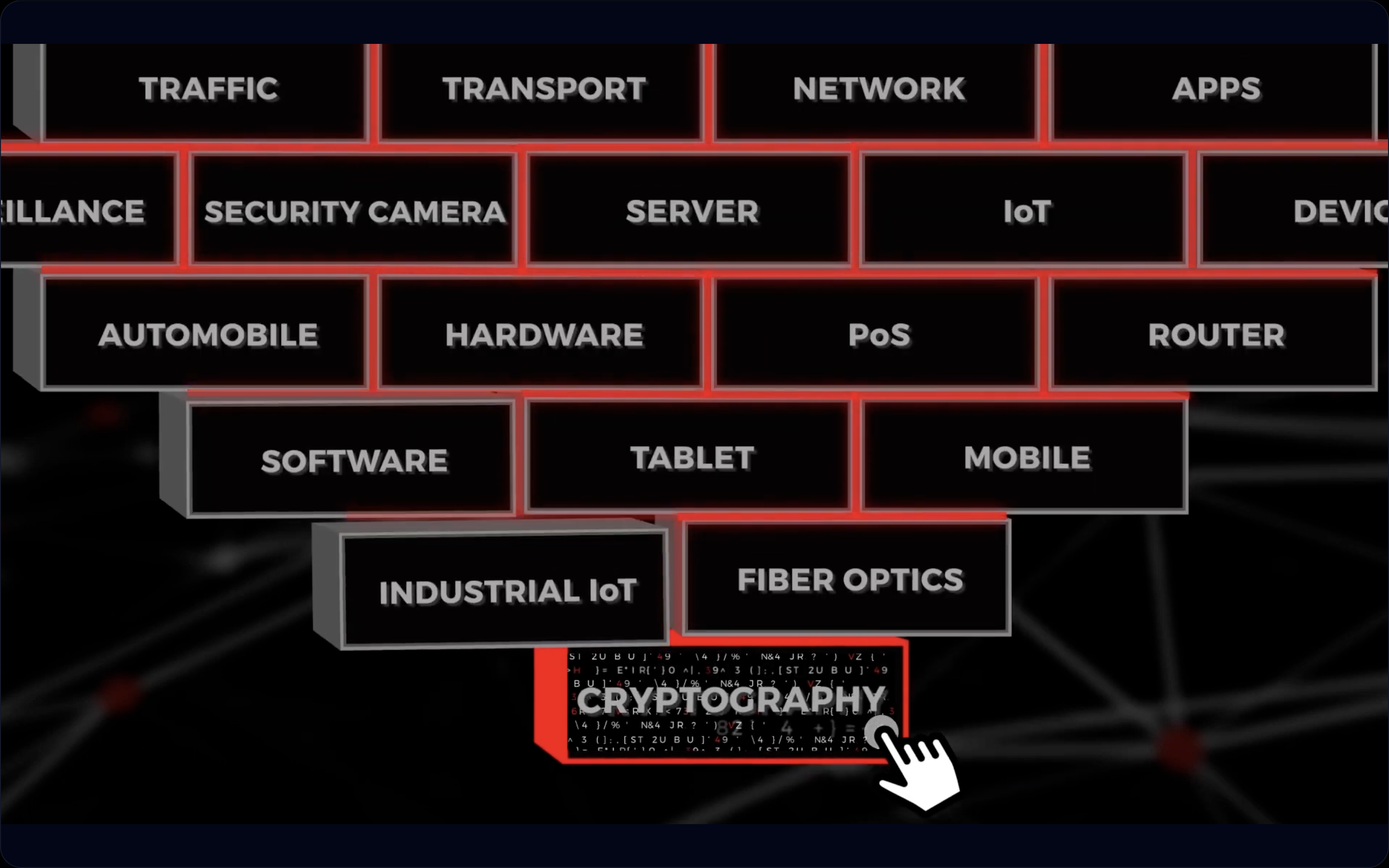
This urgency compels organizations to adopt strategies not only for encryption upgrade but for comprehensive visibility into where and how cryptography is used across the business environment. Simply applying new algorithms is insufficient without a deep understanding of cryptographic assets and their risk levels.
The Critical Role of Cryptographic Inventory in Migration Planning
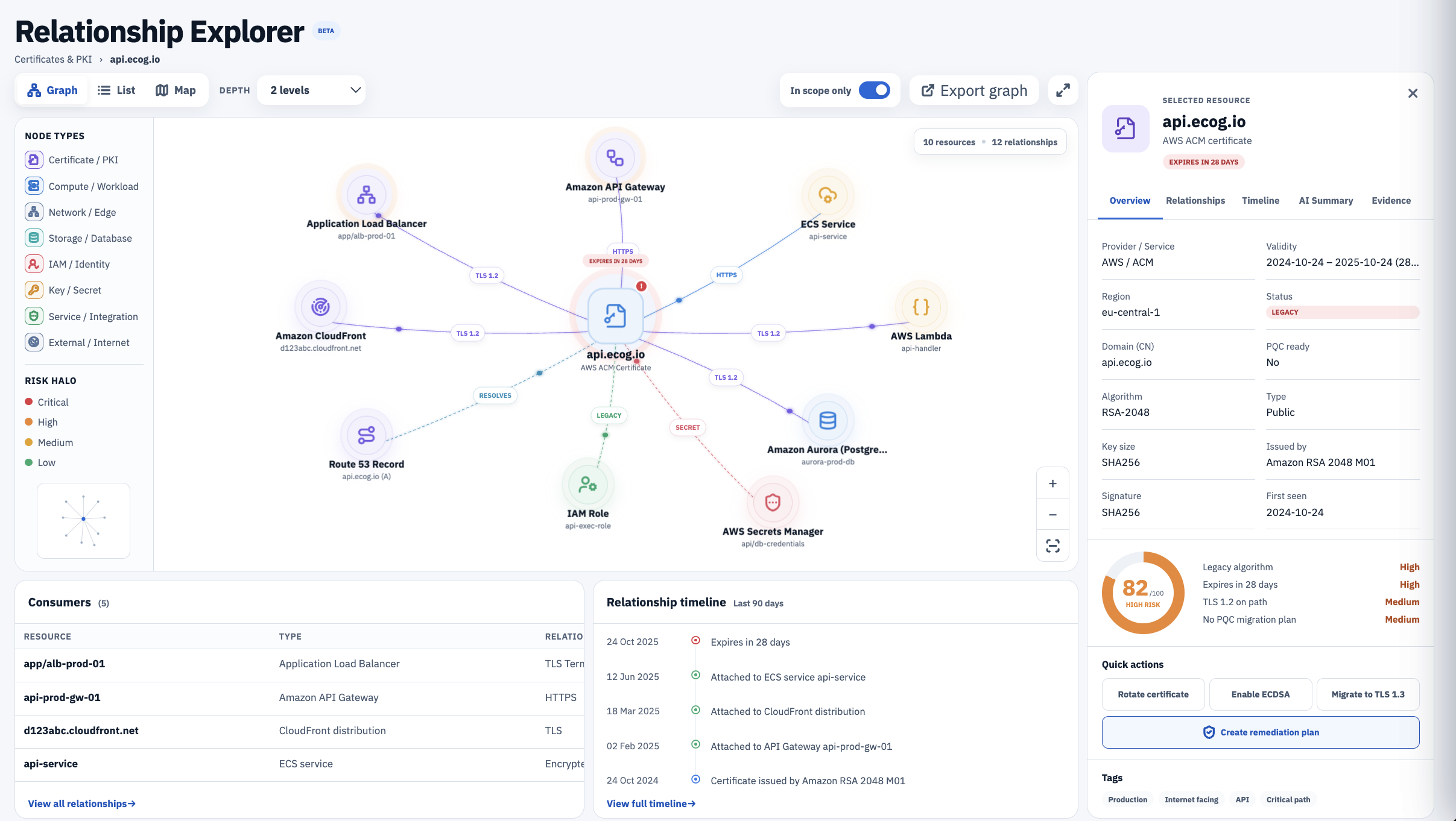
Complementing the enterprise focus on deployment is the strategic importance of maintaining a detailed cryptographic inventory. As Cybernews highlights, identifying and cataloging every cryptographic asset is the foundational step toward a successful post-quantum transition. Without this inventory, enterprises risk overlooking vulnerable endpoints or legacy systems, resulting in incomplete protection and compliance gaps.
A structured inventory enables prioritization of migration efforts and guides risk management activities. It also supports compliance with emerging regulatory frameworks that demand clear evidence of an organization’s cryptographic posture and upgrade plans. Organizations that fail to maintain an accurate cryptographic bill of materials (CBOM) may find themselves exposed not only to cyber threats but also to audit failures.
Key Post-Quantum Cryptography Enterprise Considerations
| Consideration | Enterprise Impact | QuantumGenie Capability |
|---|---|---|
| Cryptographic Inventory Completeness | Ensures no cryptography is overlooked, reducing security blind spots | Discovery and inventory across all digital assets |
| Risk Prioritization | Focuses resources on highest impact vulnerabilities first | Risk scoring with contextual data |
| Migration Workflow Management | Enables coordinated, compliant transition to post-quantum algorithms | Orchestration of remediation and policy approvals |
| Compliance Readiness | Supports audit evidence for regulators and stakeholders | Built-in reporting and cryptographic bill of materials |
How QuantumGenie Fits in Post-Quantum Migration
QuantumGenie is designed precisely to address these enterprise challenges by providing comprehensive discovery and inventory of cryptographic assets, enabling visibility that is crucial for managing the complex post-quantum migration landscape. Its CipherScan layer identifies cryptographic exposures across websites, certificates, source code, and infrastructure, building the inventory essential for effective decision-making.
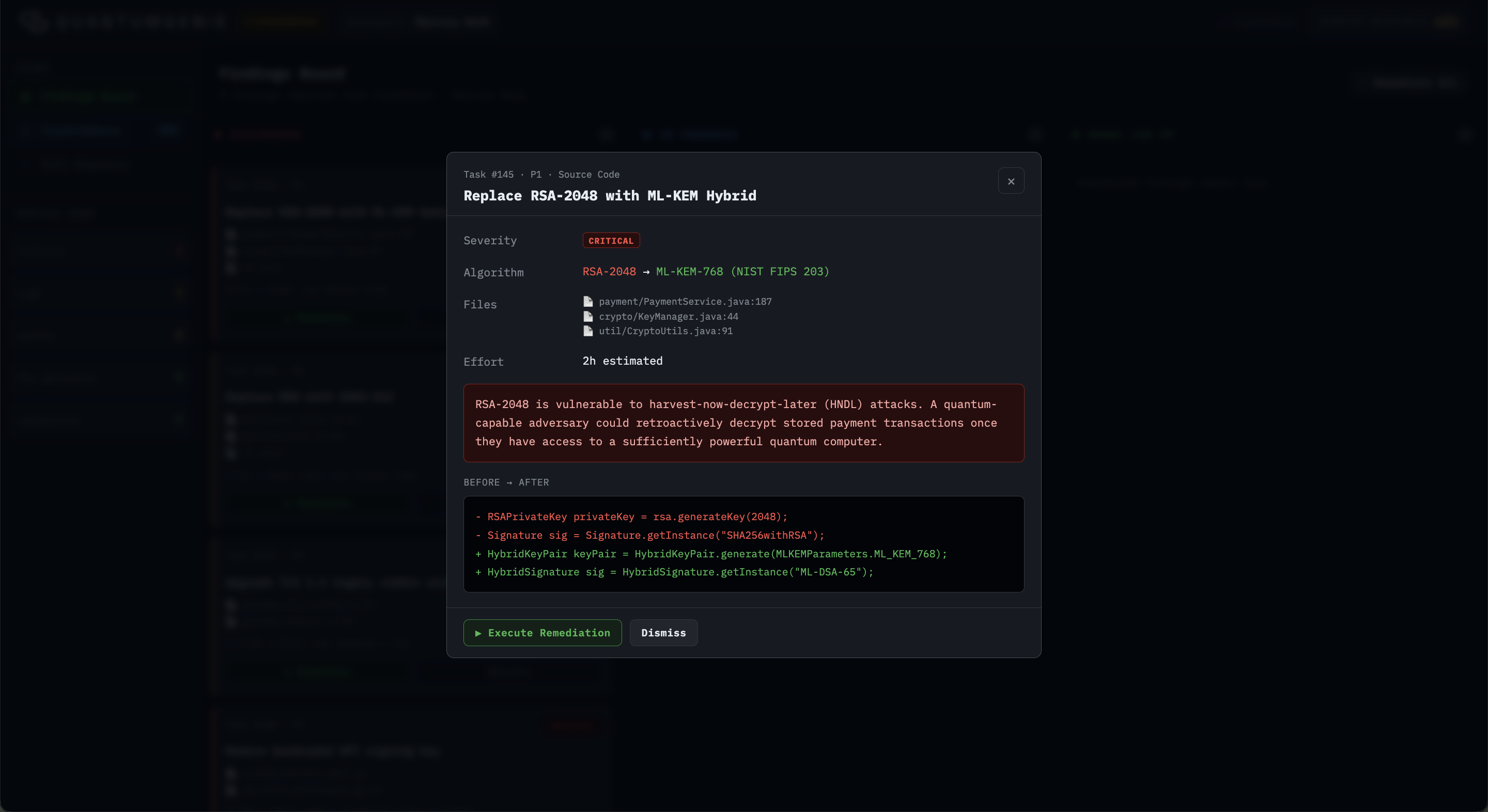
The platform’s CipherNova layer operationalizes remediation workflows by orchestrating migration plans, policy exceptions, and verification processes. This dual-layer approach allows teams to prioritize cryptographic upgrade efforts based on risk, set migration timelines aligned with compliance deadlines, and track progress in a governed manner. In the era of post-quantum cryptography, QuantumGenie empowers enterprises to transform a daunting transition into a manageable program focused on protecting critical data assets.
Frequently Asked Questions
Why is it essential for enterprises to build a complete cryptographic inventory before migrating to post-quantum cryptography?
A complete cryptographic inventory ensures that all encryption points are identified, preventing overlooked vulnerabilities. It allows organizations to plan and prioritize migration efforts effectively, reducing the risk of fragmented or incomplete protection during the transition to quantum-resistant algorithms.
How does post-quantum cryptography protect against 'harvest now, decrypt later' attacks?
Post-quantum cryptography uses algorithms resistant to quantum computing attacks, ensuring that encrypted data captured today cannot be decrypted in the future by quantum computers. This forward-security approach mitigates risks associated with threats that store encrypted data now to decrypt later.
Watch The Quantum Threat
Sources And Further Reading
- Commvault Enhances Data Protection with Post-Quantum Cryptography Capabilities PR Newswire · Jun 9, 2025
- Understanding the Importance of Cryptographic Inventory in Post-Quantum Cryptography Transition Cybernews · Jun 15, 2025