In This Article
What This Means
- Cisco’s Quantum Resilience Framework: Setting the Enterprise Standard
- Cryptographic Agility: The Essential Infrastructure for PQC Transition
- How QuantumGenie Fits: Enabling Discovery, Prioritization, and Remediation at Scale
Cisco’s Quantum Resilience Framework: Setting the Enterprise Standard
Cisco’s July 2026 announcement of its Quantum Resilience Framework and Roadmap marks a significant milestone in enterprise cybersecurity readiness. By targeting quantum-safe communications across critical protocols such as IPsec, TLS, MACsec, and SSH within its core portfolio by year-end, Cisco demonstrates a pragmatic approach to embedding post-quantum cryptography (PQC) into foundational network elements. This initiative addresses the growing risk of ‘harvest-now, decrypt-later’ attacks, emphasizing proactive defense against future quantum adversaries by securing data in transit today.
For enterprise security architects and CISOs, Cisco’s strategy signals more than a vendor’s technology evolution — it represents a template for implementing PQC migration at scale. The roadmap’s focus on integrating quantum-resistant trust anchors into device identity and software integrity creates comprehensive foundations enterprises must emulate to maintain security assurances through this technology transition.
Cryptographic Agility: The Essential Infrastructure for PQC Transition
Supporting Cisco’s technical trajectory is the foundational principle of cryptographic agility, highlighted recently by analyses from PQC Today. Enterprises need architectures that enable seamless switching between cryptographic algorithms without wholesale rewrites or infrastructure disruption. This agility is critical given the evolving PQC standards landscape and potential future algorithm deprecations.
Implementing cryptographic agility means designing systems that isolate cryptographic functions, enabling substitution as quantum-safe algorithms mature and standardize. For organizations, this translates into strategic prioritization of which systems and protocols require immediate attention, versus those that can defer migration, optimizing risk management and resource allocation during PQC transition.
Comparative Focus Areas for Enterprise PQC Transition Support
| Focus Area | Cisco Quantum Resilience Framework | Cryptographic Agility Concept (PQC Today) |
|---|---|---|
| Primary Objective | Deploy quantum-resistant communication protocols across key network technologies | Enable flexible algorithm replacement without major application disruption |
| Scope | Network protocols and device trust infrastructures | System architecture and software design patterns |
| Enterprise Benefit | Quantum-safe data transit and device integrity | Reduced migration complexity and future-proofed cryptographic systems |
How QuantumGenie Fits: Enabling Discovery, Prioritization, and Remediation at Scale
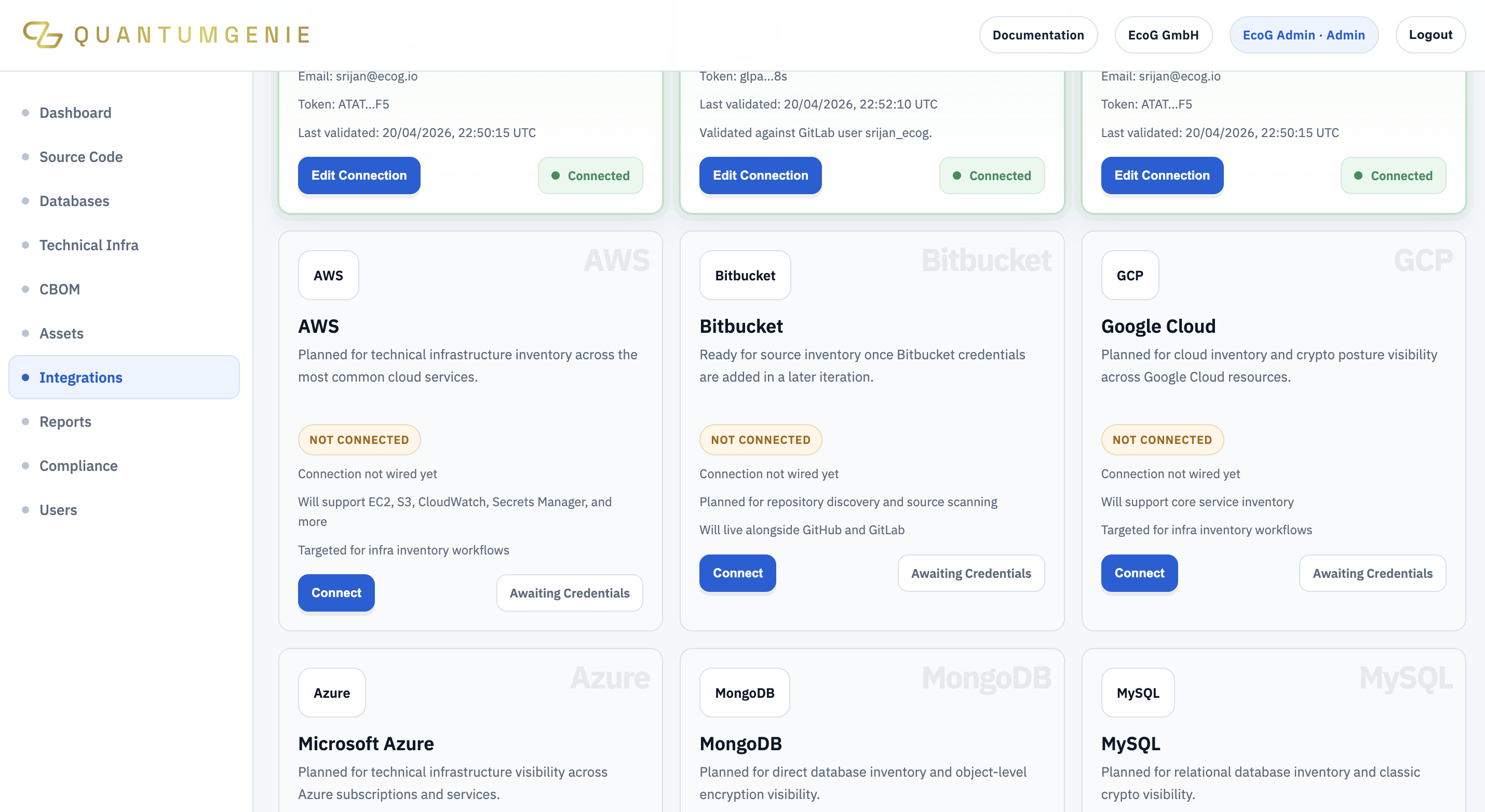
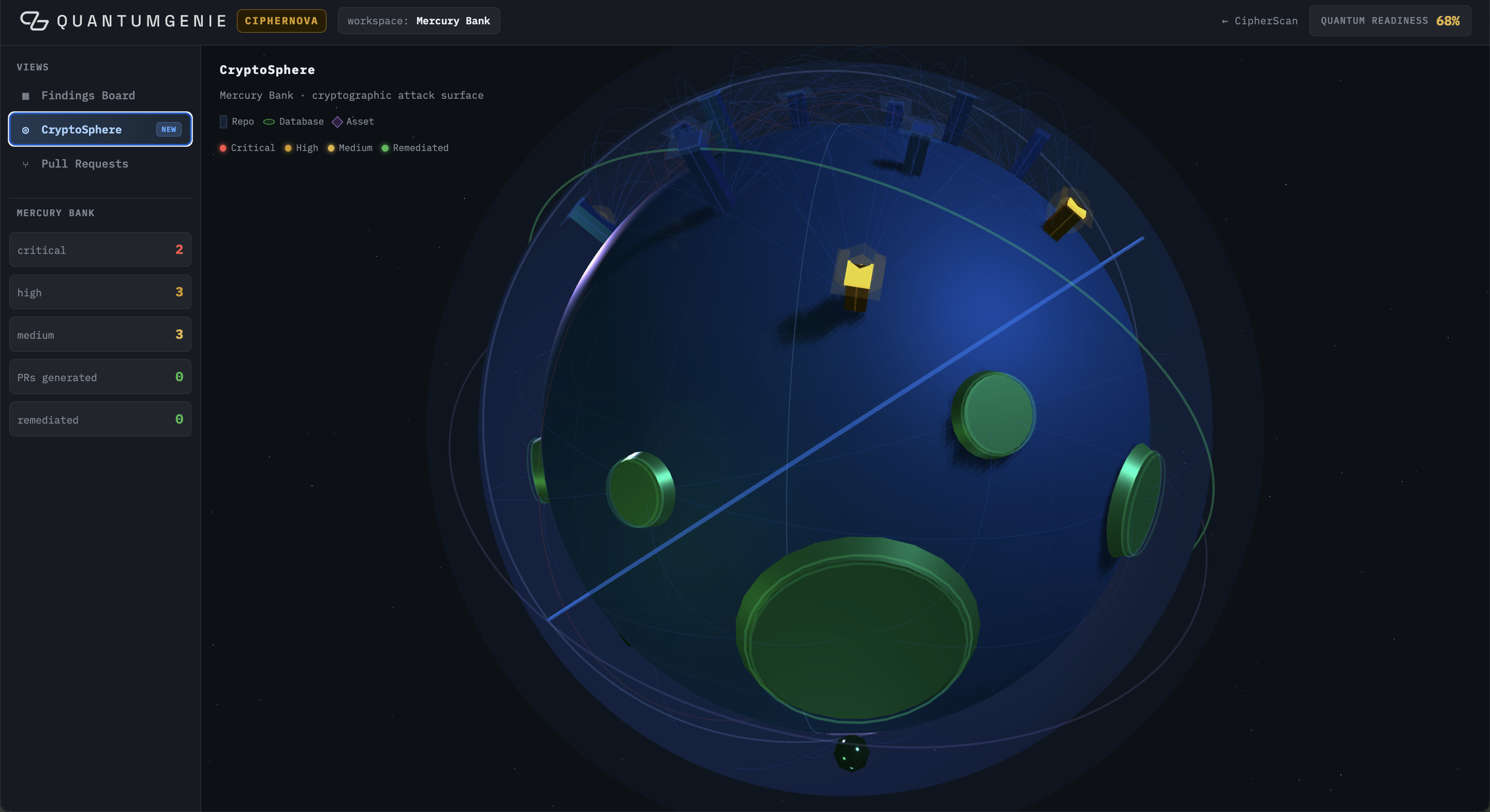
QuantumGenie is uniquely positioned as the operational platform enterprises need to execute PQC migration roadmaps like Cisco’s. It provides deep discovery capabilities to inventory where cryptography lives across websites, certificates, codebases, infrastructure, applications, and integrations, building a comprehensive cryptographic bill of materials (CBOM).
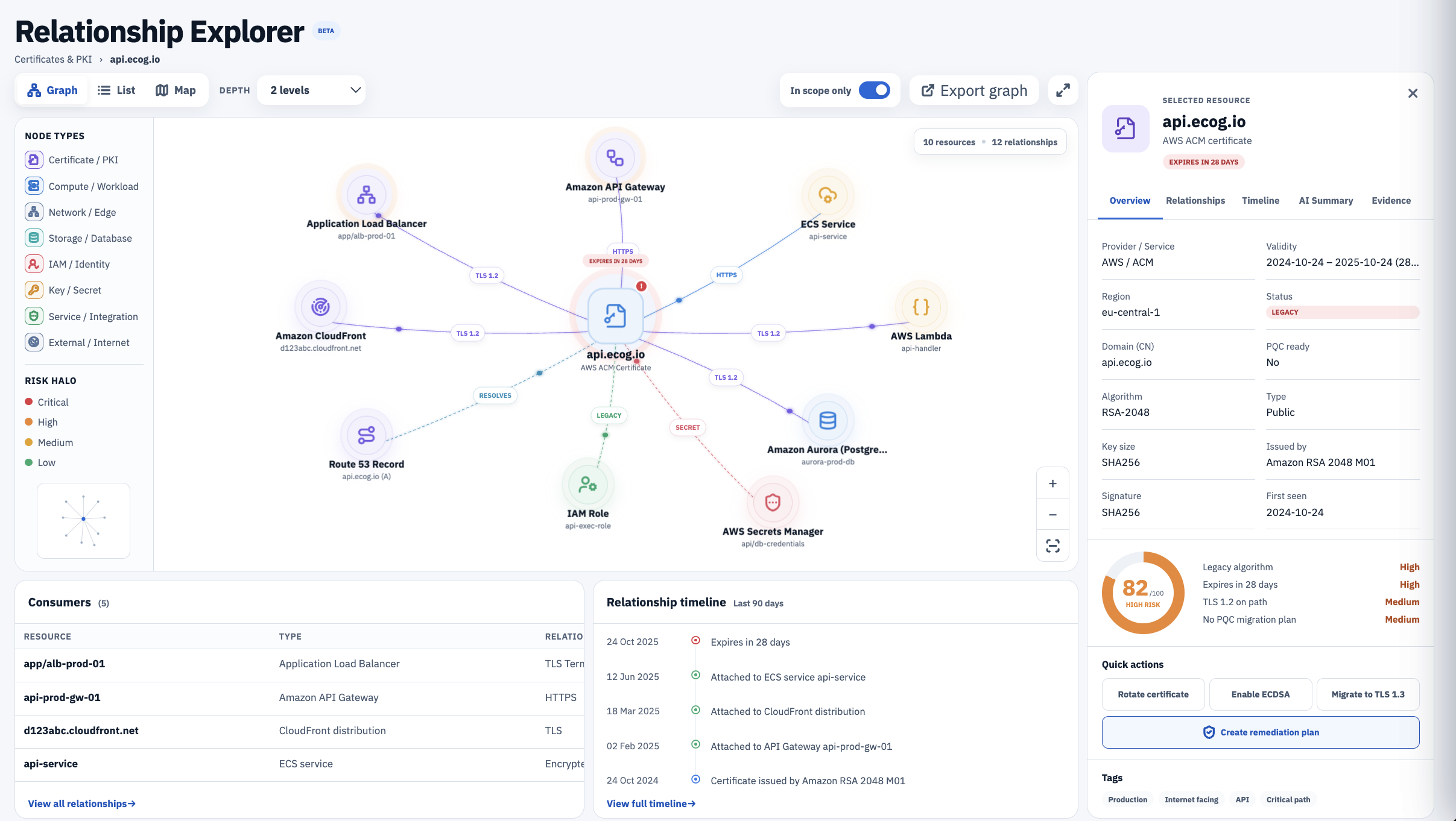
This inventory empowers security teams to prioritize migration activities based on risk exposure and business impact – a critical step to operationalize an effective PQC transition strategy. QuantumGenie's orchestration layer supports developing, tracking, and enforcing remediation plans including pull requests, policy exceptions, and change reviews. This workflow integration ensures cryptographic updates occur securely, compliantly, and at enterprise scale—directly addressing the complexities illuminated by Cisco’s and PQC Today’s frameworks.
Frequently Asked Questions
Why should enterprises start PQC migration planning now despite quantum computers not being fully realized?
Enterprises face the risk of ‘harvest-now, decrypt-later’ attacks where adversaries capture encrypted data today with the intent to decrypt it once quantum computing advances. Planning and executing PQC migration now ensures data remains protected against future quantum threats and avoids costly emergency fixes later.
How does cryptographic agility influence the success of post-quantum cryptography adoption?
Cryptographic agility allows organizations to switch cryptographic algorithms rapidly and with minimal disruption, accommodating evolving PQC standards and emerging threats. This flexibility is crucial for maintaining security and compliance throughout the transitional period to quantum-safe cryptography.
Watch The Quantum Threat
Sources And Further Reading
- Cisco's Quantum Resilience Framework and Roadmap Cisco · Jul 11, 2026
- Cryptographic Agility and Architecture Patterns for PQC Migration PQC Today · Jul 12, 2026