In This Article
What This Means
- Quantum Threats Demand Strategic Readiness
- From Frameworks to Enterprise Action
- Comment QuantumGenie s'intègre dans le parcours PQC
Quantum Threats Demand Strategic Readiness
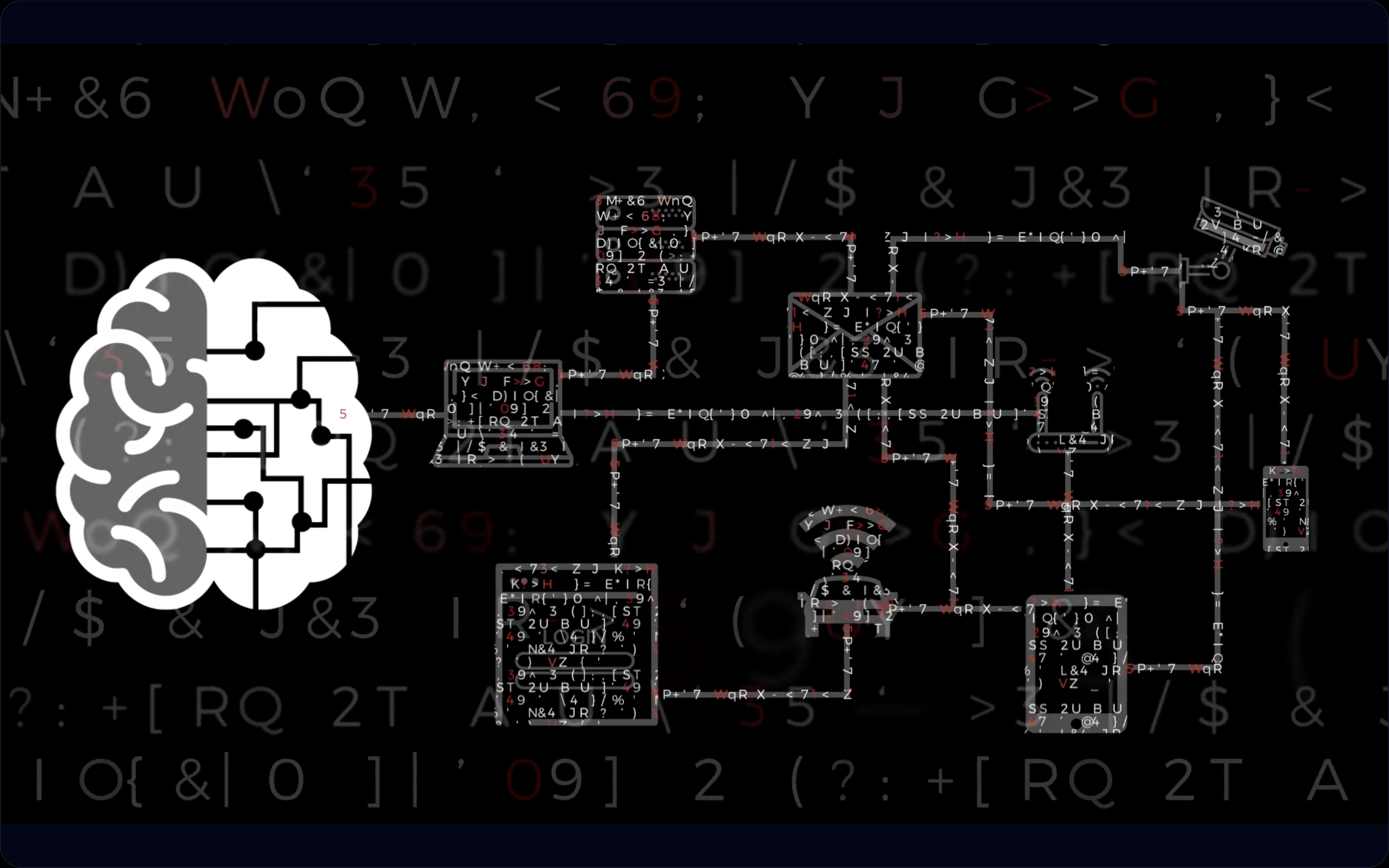
The quantum computing era threatens to undermine the cryptographic foundations upon which enterprise security currently depends. Cisco’s announcement of a Quantum Resilience Framework, with a target to embed PQC capabilities across its portfolio by the end of 2026, illustrates a critical industry pivot. This framework directly addresses emergent quantum risks such as “Harvest Now, Decrypt Later” where sensitive encrypted data intercepted today could be decrypted by future quantum adversaries. Equally, it recognizes the threat of “Trust Now, Forge Later” attacks that imperil digital trust models themselves.
From Frameworks to Enterprise Action
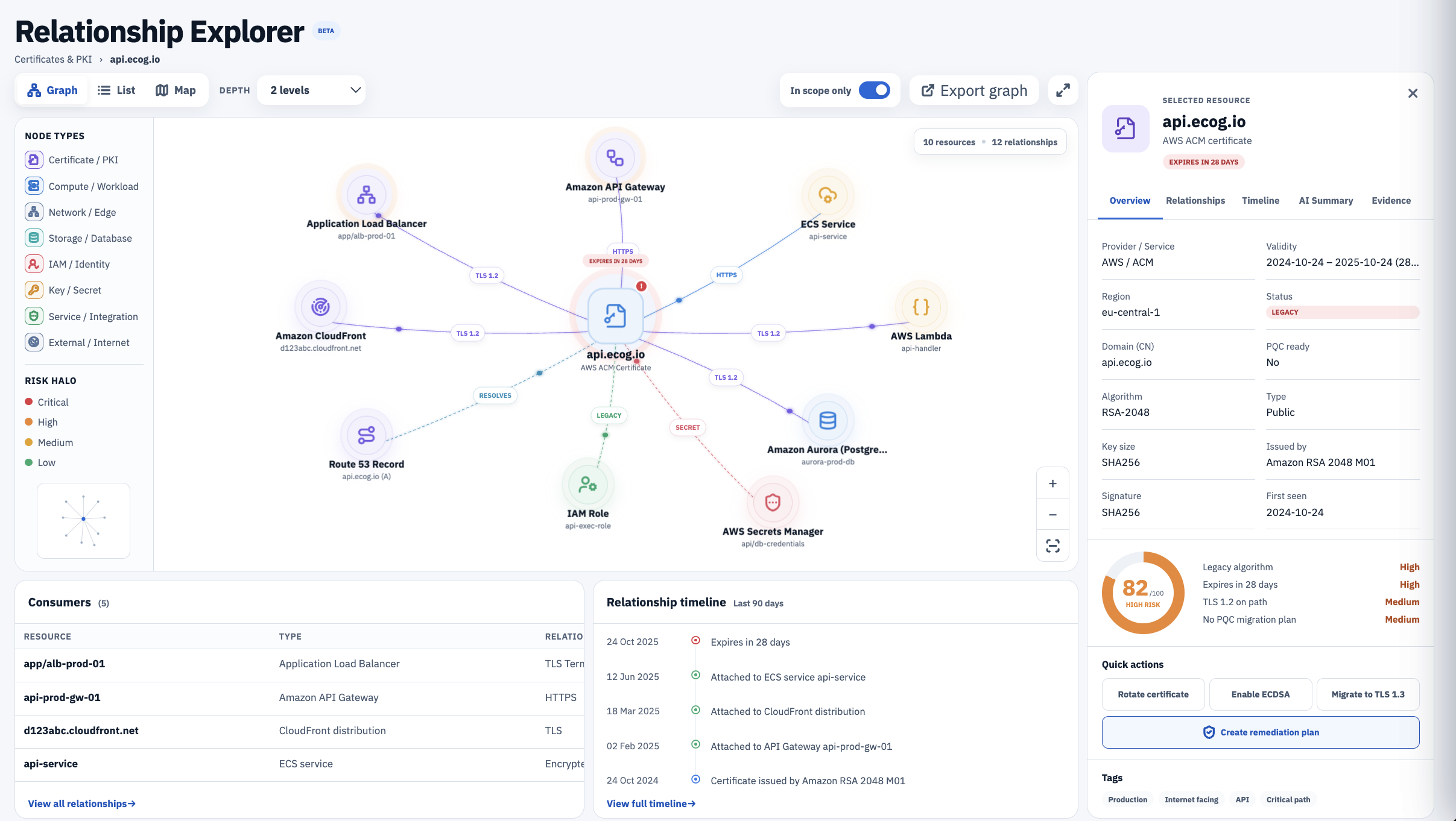
While Cisco sets a comprehensive roadmap at the vendor level, enterprises face the operational challenge of translating these frameworks into an actionable migration strategy. This requires a detailed cryptographic asset inventory to identify vulnerable systems, assess exposure to quantum threats, and prioritize migration efforts. Supporting this view, EU-focused initiatives like those from Cryptagion emphasize regulatory alignment—such as with DORA and NIS2—underscoring the growing compliance dimensions of PQC readiness. Meanwhile, platforms offering native PQC services for critical data and AI workloads signify a maturing ecosystem but also hint at integration complexity that enterprises must navigate.
Key Components of Quantum Resilience Roadmap for Enterprises
| Component | Purpose | QuantumGenie Contribution |
|---|---|---|
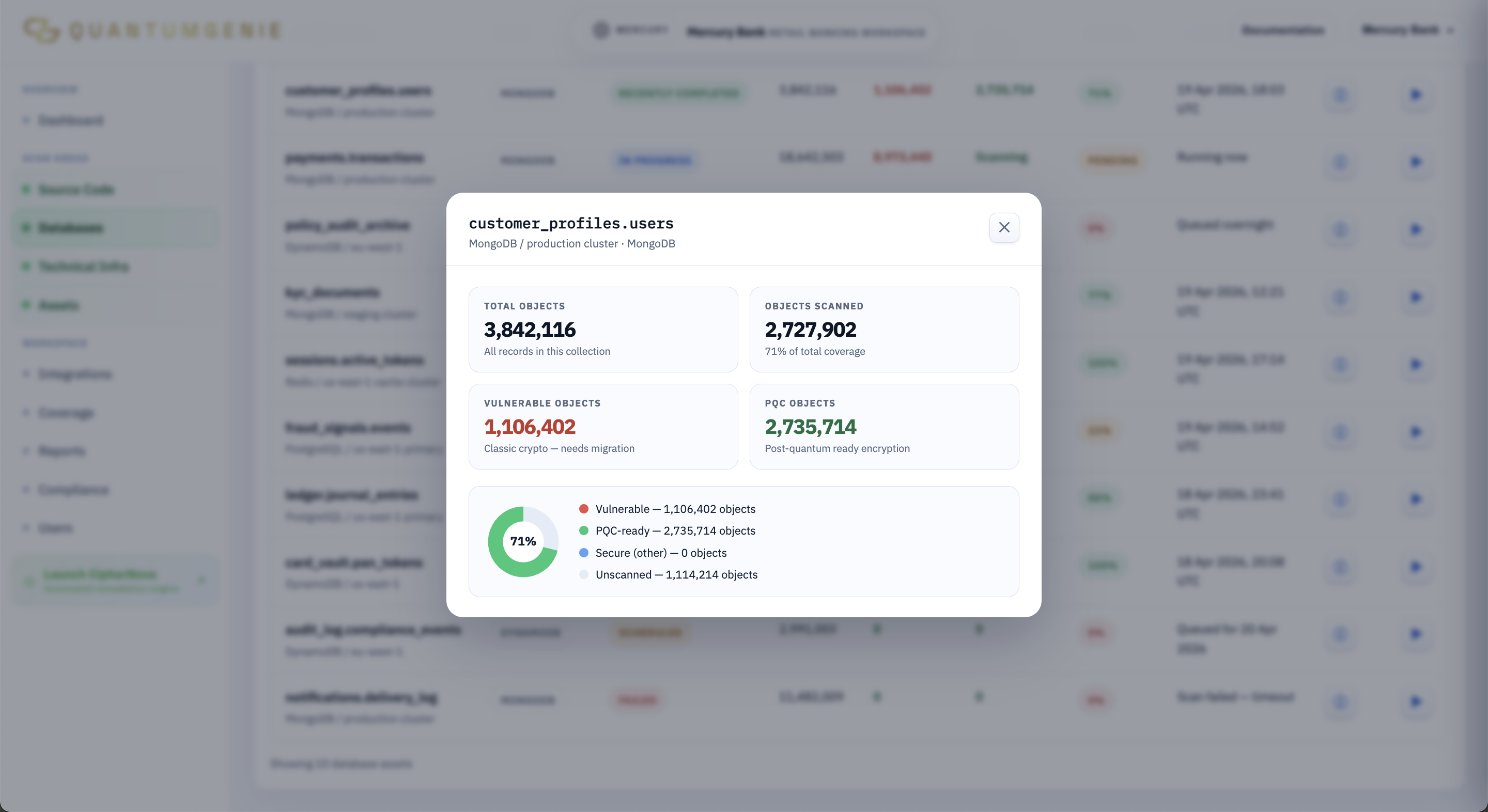
| Cryptographic Asset Discovery | Identify all cryptographic usage and vulnerabilities at scale | Provides automated discovery via CipherScan for comprehensive inventory |
| Risk Assessment & Prioritization | Evaluate which assets pose highest quantum risk | Supports risk scoring and migration prioritization based on inventory data |
| Migration Planning | Develop phased roadmap for replacing vulnerable cryptography | Enables building CBOM and migration plans aligned with operational context |
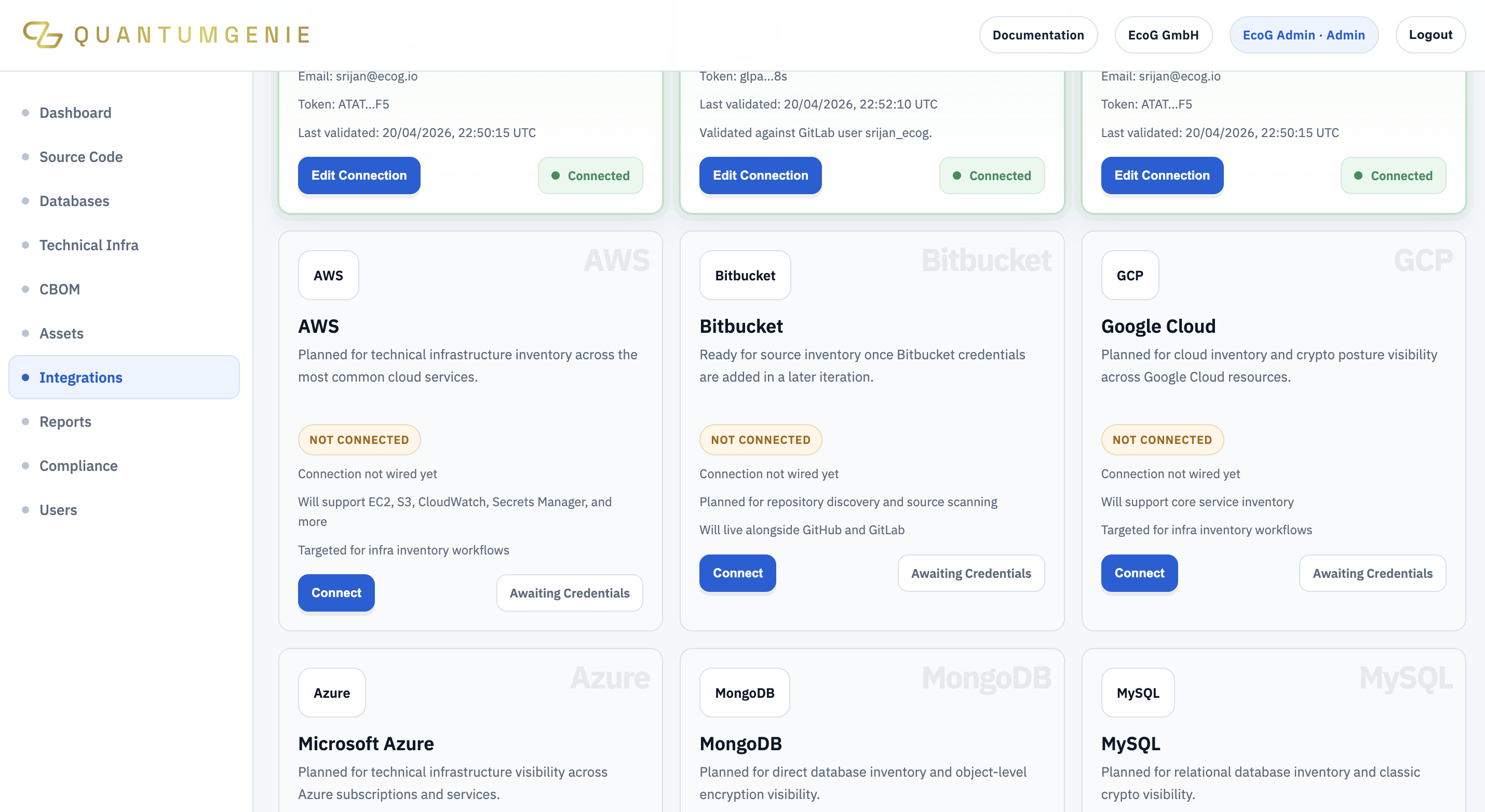
| Orchestration & Compliance | Manage remediation workflows and ensure policy adherence | Facilitates pull requests, change reviews, and compliance documentation in CipherNova |
Comment QuantumGenie s'intègre dans le parcours PQC
QuantumGenie apporte une réponse pragmatique aux défis soulevés par l'annonce de Cisco. Notre plateforme aide les entreprises à effectuer une découverte exhaustive de leurs actifs cryptographiques, construire un inventaire solide et un CBOM, et à prioriser le risque lié au quantum. Ce travail préalable est la base nécessaire pour établir des feuilles de route de migration bien informées et garantir la gouvernance continue. Avec CipherScan pour la visibilité et CipherNova pour l'orchestration des remédiations, QuantumGenie permet une exécution fluide des plans de migration, améliorant ainsi la résilience post-quantique des entreprises dans un environnement opérationnel complexe et réglementairement contraint.
Frequently Asked Questions
Why is 'Harvest Now, Decrypt Later' such a significant threat?
It describes attackers intercepting encrypted data today that they cannot yet decrypt, but will be able to once quantum computers become powerful enough. This makes current data at risk if enterprises don't transition to quantum-safe cryptography promptly.
How does a cryptographic bill of materials (CBOM) aid PQC migration?
A CBOM documents all cryptographic components used across systems, enabling organizations to understand dependencies and prioritize migration efforts effectively, ensuring no vulnerable links are overlooked during the transition to post-quantum cryptography.
Watch The Quantum Threat
Sources And Further Reading
- Cisco's Quantum Resilience Framework and Roadmap Cisco · Jul 10, 2026
- Cryptagion's Post-Quantum Cryptography Readiness for EU Enterprises Cryptagion · Jul 11, 2026
- QNSI's Post-Quantum Cryptography Platform QNSI · Jul 9, 2026