In This Article
What This Means
- The Rising Tide of Regulatory Pressure for Quantum-Safe Encryption
- Enterprise Implications: Compliance, Risk, and Migration Complexity
- How QuantumGenie Helps Enterprises Navigate China’s Quantum-Safe Encryption Mandate
The Rising Tide of Regulatory Pressure for Quantum-Safe Encryption
China’s updated cybersecurity law now requires all critical infrastructure sectors to implement quantum-safe encryption measures. This move acknowledges the looming threat posed by quantum computing to traditional cryptography and sets a strict compliance framework for enterprises operating in or with China. Unlike mere recommendations, this legal mandate pushes organizations to urgently identify cryptographic assets vulnerable to quantum attacks and transition to quantum-resistant algorithms.
The significance of this regulatory update is amplified by global dialogues such as the recent Global Cybersecurity Summit, which underscored the necessity for enterprises worldwide to prepare for quantum-resilient security. Additionally, prominent technology companies launching quantum-resistant encryption solutions offer practical migration options, shaping the market landscape. Yet, mandates like China’s crystallize the immediate compliance responsibility and consultation of strategic risk in cryptography management.
Enterprise Implications: Compliance, Risk, and Migration Complexity
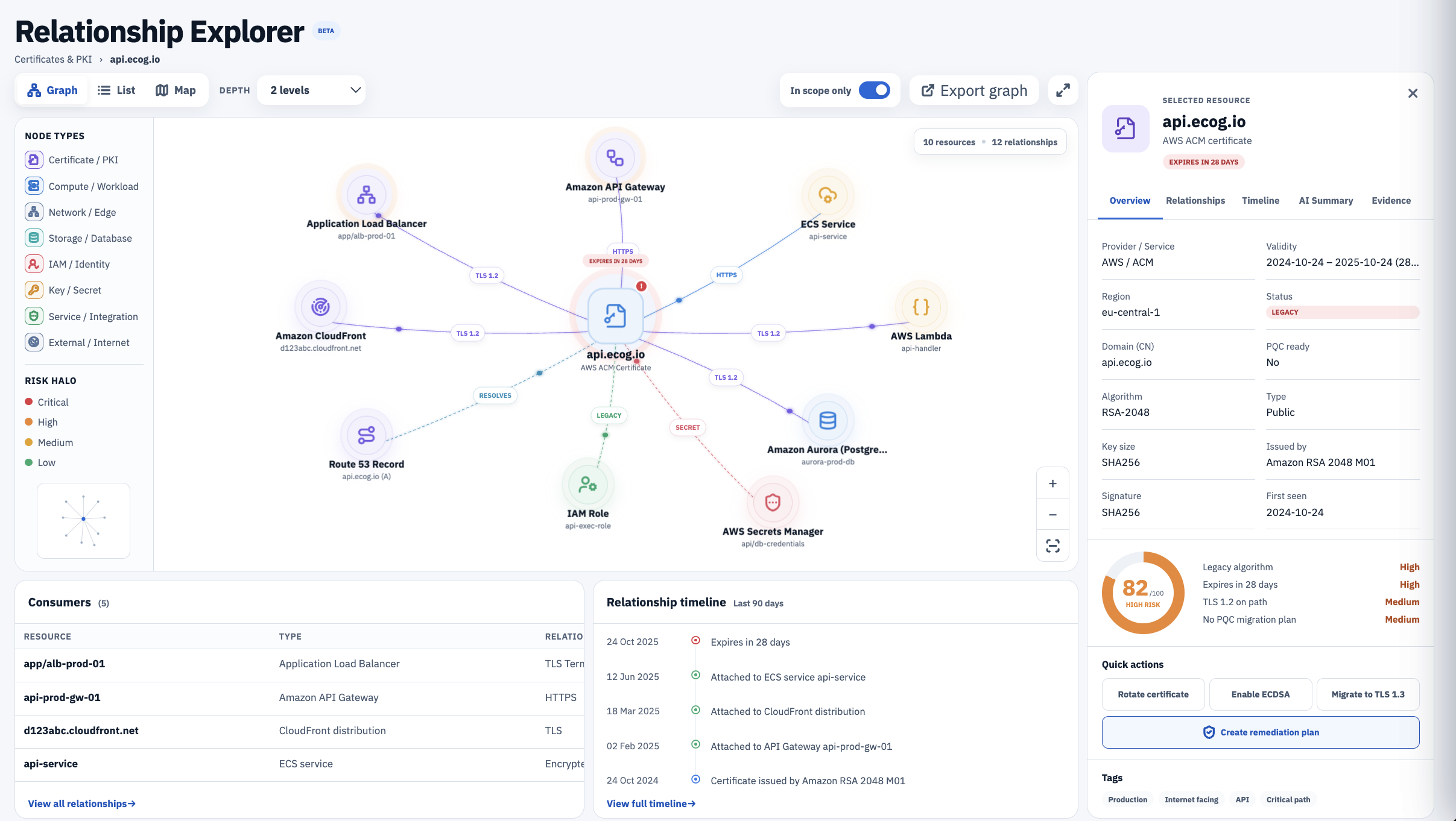
For enterprises, China’s law demands far more than patchwork upgrades; effective compliance requires an exhaustive cryptographic inventory to demonstrate where quantum risks exist. Businesses must identify all cryptographic dependencies—from websites and certificates to source code and infrastructure—effectively painting a complete cryptographic bill of materials (CBOM). Without this foundational visibility, prioritization of migration efforts and risk mitigation become guesswork, increasing operational and security exposure.
Moreover, migration to quantum-safe algorithms is a complex, multi-phase process that must coexist with ongoing business activities. Enterprises need efficient governance mechanisms that enforce defined workflows, manage policy exceptions, validate remediation changes, and provide auditable compliance evidence. Failure to operationalize such controls risks non-compliance penalties and security gaps.

Summary of China’s Quantum-Safe Encryption Mandate and Enterprise Response Requirements
| Aspect | Description | Enterprise Requirement |
|---|---|---|
| Regulatory Scope | Critical infrastructure sectors in China must adopt quantum-safe encryption | Comprehensive cryptographic discovery and compliance documentation |
| Compliance Type | Mandatory legal regulation with enforcement provisions | Demonstrable audit trails and policy adherence |
| Security Focus | Protection against future quantum computing attacks | Risk-based prioritization of vulnerable cryptography |
| Migration Challenge | Complex, phased upgrade process impacting multiple environments | Operationalized change review and verification workflows |
How QuantumGenie Helps Enterprises Navigate China’s Quantum-Safe Encryption Mandate
QuantumGenie delivers critical capabilities that address these regulatory challenges head-on. Its CipherScan module provides comprehensive discovery and visibility into an organization’s cryptographic assets, enabling the construction of a precise cryptographic inventory and CBOM. This foundation empowers security teams to identify vulnerable cryptography footprints across diverse IT environments instantly.
Building on this inventory, the CipherNova remediation layer orchestrates migration management workflows—from planning and prioritization through to change reviews, policy exceptions, and verification. This ensures a controlled, auditable process for implementing quantum-resistant algorithms, aligned with compliance requirements such as those imposed by China’s new law. QuantumGenie streamlines audit readiness and risk management while accelerating effective post-quantum cryptography adoption, transforming regulatory pressure into a strategic enterprise advantage.
Frequently Asked Questions
What does China’s quantum-safe encryption mandate mean for international enterprises?
Enterprises operating in or doing business with China must comply with the mandate by identifying quantum-vulnerable cryptography and implementing quantum-resistant measures, making cryptographic inventory and migration planning essential.
How can enterprises ensure compliance with evolving post-quantum cryptography regulations?
By leveraging tools that provide detailed discovery, risk prioritization, workflow orchestration, and auditable remediation, enterprises can systematically manage cryptographic transitions and generate evidence to satisfy regulatory requirements.
Watch The Quantum Threat
Sources And Further Reading
- China's Cybersecurity Law Mandates Quantum-Safe Encryption for Critical Infrastructure South China Morning Post · Jul 8, 2024
- Major Tech Firms Announce Quantum-Resistant Encryption Solutions CNBC · Jul 13, 2024
- Global Cybersecurity Summit Focuses on Quantum-Resistant Encryption Strategies Forbes · Jul 7, 2024