In This Article
What This Means
- Government Agencies Spotlight the Complexity of PQC Migration
- The Critical Role of Cryptographic Inventory in Managing Transition Risks
- How QuantumGenie Fits into Institutional PQC Challenges
Government Agencies Spotlight the Complexity of PQC Migration
Recent reporting from FedTech Magazine reveals that federal agencies, often considered pioneers in adopting cutting-edge security measures, are facing significant hurdles as they transition to post-quantum cryptography (PQC). Their reassessment of existing security protocols underscores a pervasive uncertainty about infrastructure readiness, compatibility with existing systems, and the operational impact of PQC implementation. This institutional caution signals to enterprises that the path to quantum-safe security is far from straightforward and requires deep structural insight before execution.
For enterprises, this scenario is a clear indicator that a rigid, checkbox approach to PQC migration will fall short. Instead, organizations must methodically discover their cryptographic assets, evaluate risk, and tailor deployment strategies responsive to unique infrastructure complexities and compliance frameworks. The government experience thus acts as a strategic case study on the magnitude of groundwork necessary before relying on PQC for critical operations.
The Critical Role of Cryptographic Inventory in Managing Transition Risks
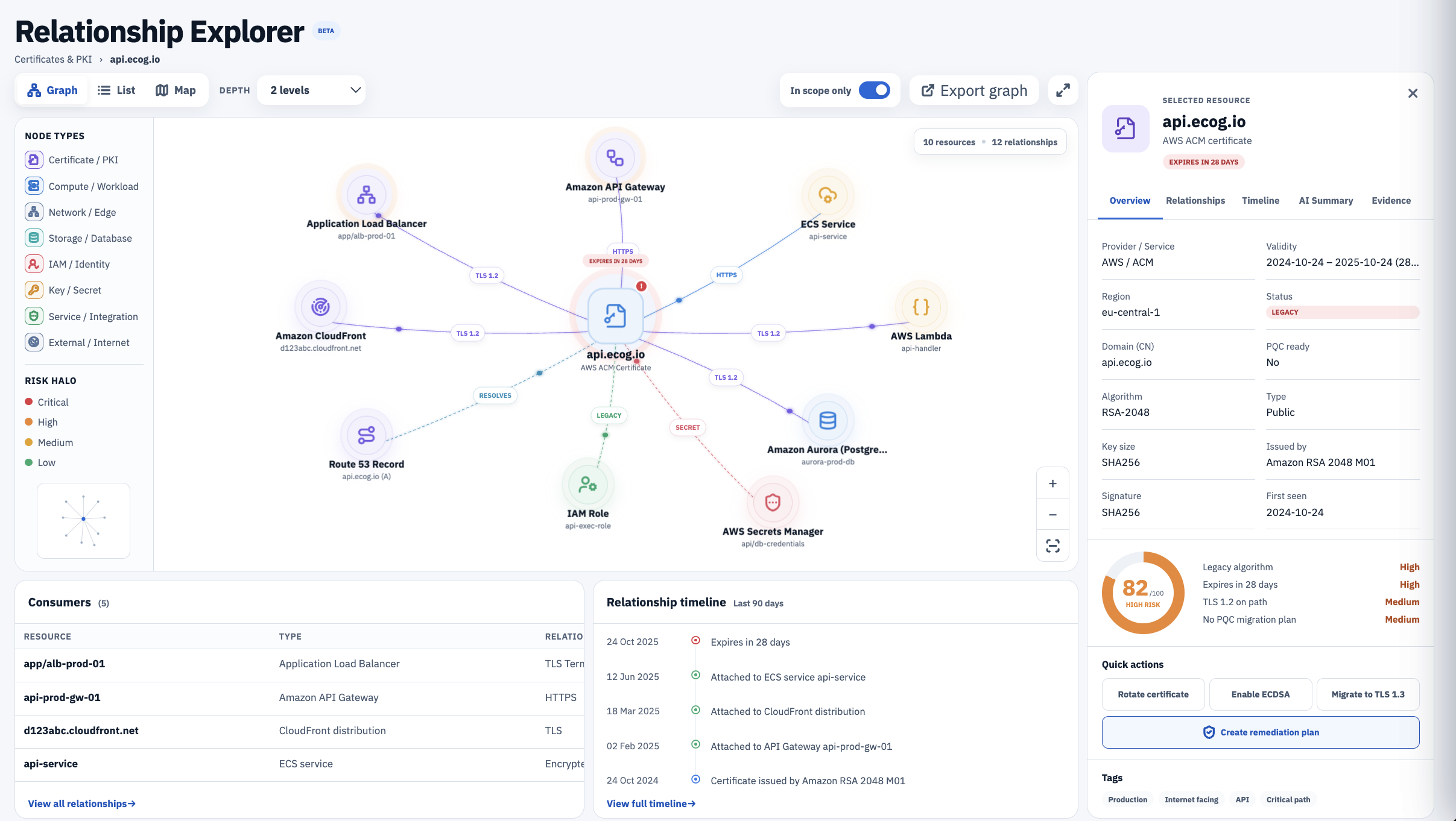
One key takeaway from agency struggles is the vital need for a precise and comprehensive cryptographic inventory. As detailed by Cybernews, the term 'cryptographic inventory' encapsulates the process of locating, classifying, and assessing all cryptographic usage within an organization's digital footprint. Enterprises often underestimate the scale and diversity of encryption endpoints involving websites, certificates, internal code, and legacy databases.
A robust inventory is foundational for prioritizing which cryptographic elements warrant urgent migration versus those that can be deferred, enabling efficient allocation of resources and risk mitigation. In the context of PQC, where migration cost, complexity, and timelines are significant, insufficient visibility into cryptography equals migration blind spots that could jeopardize security and compliance. Therefore, undertaking cryptographic inventory is not merely a preparatory step, but the cornerstone of a successful quantum-safe transformation.

Key PQC Transition Challenges Highlighted by Federal Agency Experiences
| Challenge | Enterprise Implication | QuantumGenie Capability |
|---|---|---|
| Uncertainty over infrastructure compatibility | Necessitates thorough cryptographic discovery | CipherScan’s comprehensive inventory captures diverse cryptographic assets |
| Risk of incomplete migration due to lack of visibility | Need for prioritized remediation planning | Risk-based prioritization and CBOM empower focused migration |
| Operational disruption concerns | Requirement for workflow orchestration and verification | CipherNova supports remediation workflow and change verification |
| Compliance readiness under evolving standards | Mandate for documented evidence and audit trails | Built-in compliance reporting and exception management |
How QuantumGenie Fits into Institutional PQC Challenges
QuantumGenie addresses exactly the type of challenges surfaced in government agency reassessments by offering a CipherScan layer dedicated to discovering all cryptographic exposures and building an accurate inventory—a prerequisite for any effective migration. This empowers enterprises to understand their entire cryptographic landscape before taking remediation actions.
Beyond discovery, QuantumGenie supports the critical phases of prioritization, compliance readiness, and risk-aligned migration planning. Using its orchestration capabilities, enterprise teams can manage remediation workflows, verify changes, and maintain documented proof of compliance for evolving regulations. In essence, QuantumGenie provides the practical toolkit to operationalize an often-daunting PQC transition, making the complexity manageable and measurable rather than speculative.
Frequently Asked Questions
Why is a cryptographic inventory crucial for post-quantum cryptography migration?
A cryptographic inventory reveals all current uses of cryptography across an enterprise’s infrastructure. This visibility enables accurate risk assessment, prioritization of migration efforts, and prevents blind spots that could leave systems vulnerable during PQC transition.
How does QuantumGenie help enterprises handle evolving compliance requirements during PQC migration?
QuantumGenie automates documentation of cryptographic assets, change workflows, and remediation verification, creating thorough audit trails that support compliance with emerging PQC-related security standards and regulatory frameworks.
Watch The Quantum Threat
Sources And Further Reading
- Agencies Question Security Protocols Amid Shift to Post-Quantum Cryptography FedTech Magazine · May 21, 2026
- Post-quantum cryptographic inventory – the latest PQC buzzword and why you need to know it Cybernews · Jul 7, 2025