In This Article
What This Means
- The Complexity of Updating Cryptography Amid Quantum Shifts
- Aligning with Security Frameworks to Smooth the PQC Transition
- How QuantumGenie Fits into the Enterprise PQC Journey
The Complexity of Updating Cryptography Amid Quantum Shifts
As the quantum computing era approaches, federal agencies are confronting significant challenges in identifying and updating a vast array of existing cryptographic protocols. The FedTech Magazine report reveals that despite awareness of the quantum threat, agencies lack full clarity on the scope and specifics of cryptographic assets in their infrastructure. This obscurity hampers planning for a smooth transition to post-quantum cryptography (PQC). The task involves parsing legacy systems, diverse certificates, and embedded protocols — a process often marked by uncertainty and operational risk.
Aligning with Security Frameworks to Smooth the PQC Transition
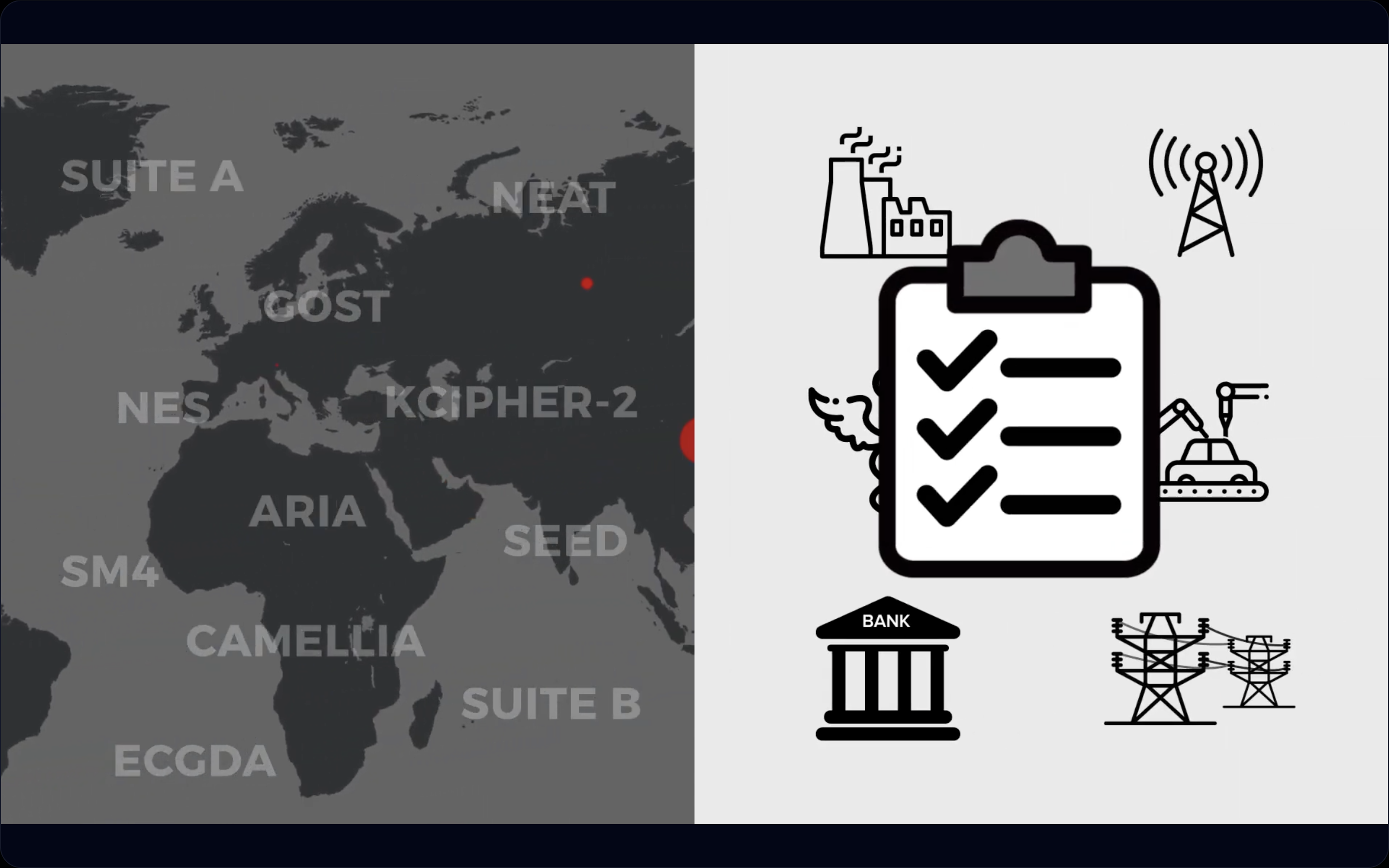
Supporting the practical challenges, NIST’s guidance emphasizes that PQC implementation is not an isolated upgrade but an extension of existing security posture. Their framework maps PQC requirements onto current standards, encouraging organizations to leverage existing compliance initiatives. This alignment underlines the necessity of integrated cryptographic inventories and risk assessments to identify which protocols require priority remediation without disrupting ongoing security governance.

PQC Readiness Snapshot
| Area | Signal Today | Next Step |
|---|---|---|
| Discovery | More signals are becoming visible in public and vendor channels | Inventory exposed crypto across sites, code, and certificates |
| Prioritization | Not every asset carries the same migration urgency | Rank by business criticality and quantum exposure |
| Execution | Roadmaps only matter when teams own them | Assign timelines, owners, and a recurring review loop |
How QuantumGenie Fits into the Enterprise PQC Journey
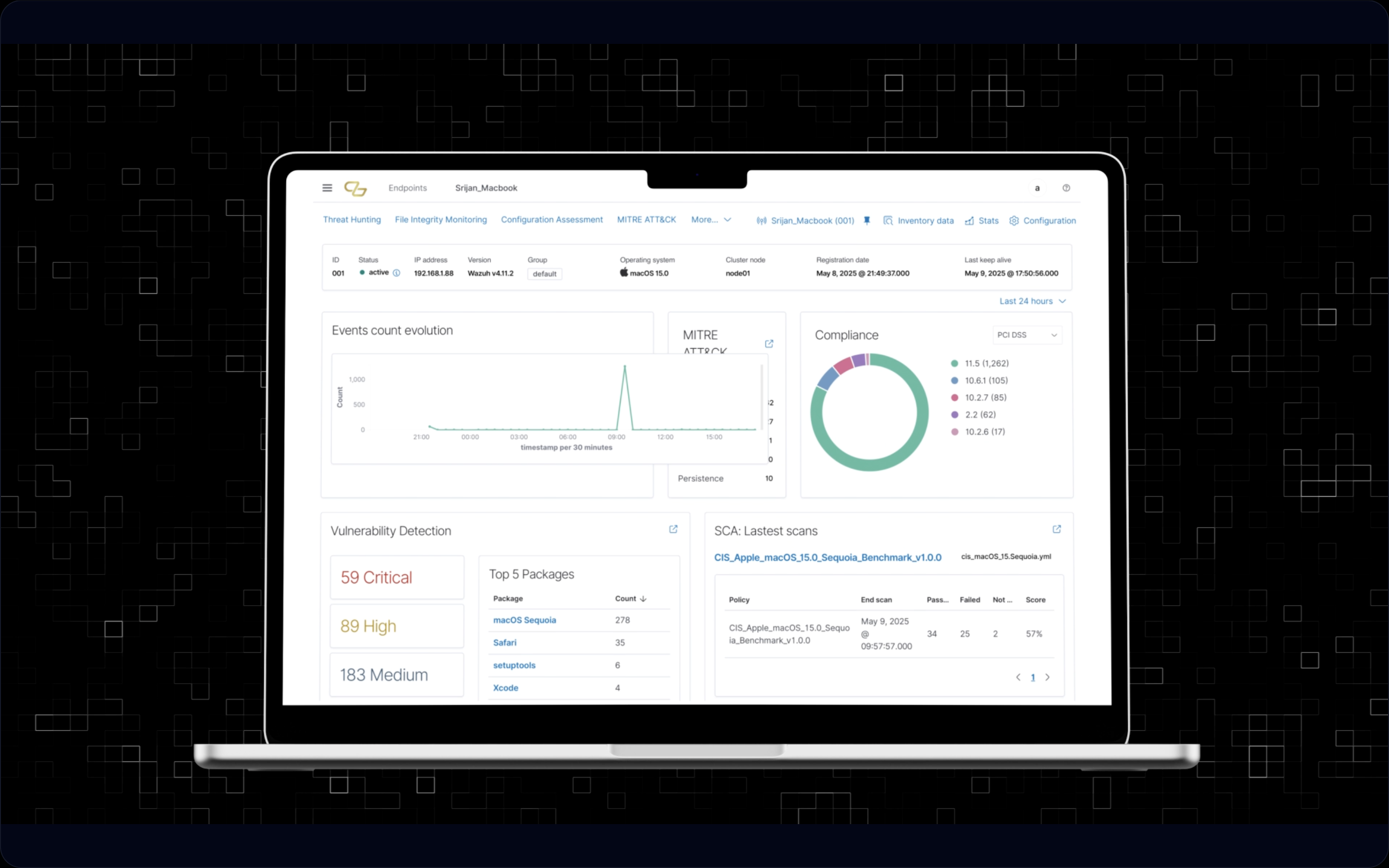
QuantumGenie addresses these enterprise challenges by delivering a unified platform for discovering and inventorying cryptographic usage across diverse enterprise assets—websites, certificates, source code, infrastructure, databases, applications, and integrations. This comprehensive visibility underpins the creation of a cryptographic Bill of Materials (CBOM), enabling teams to prioritize migration risks effectively. Furthermore, QuantumGenie’s orchestration capabilities support controlled remediation workflows in line with regulatory requirements and operational constraints. By providing both discovery and execution layers, QuantumGenie equips CISOs and security architects with practical tools to navigate the complex PQC migration landscape with confidence.
Frequently Asked Questions
Why is cryptographic inventory critical for post-quantum migration?
A thorough inventory identifies all cryptographic assets and protocols in use, which is essential for risk assessment and planning targeted upgrades to PQC, avoiding missed vulnerabilities or unnecessary work.
How does aligning PQC adoption with existing security frameworks help enterprises?
It ensures that PQC implementation complements ongoing compliance and governance efforts, reducing friction, leveraging current processes, and providing a more integrated security posture during transition.
Watch The Quantum Threat
Sources And Further Reading
- Agencies Question Security Protocols Amid Shift to Post-Quantum Cryptography FedTech Magazine · May 21, 2026
- NIST Explains How Post-Quantum Cryptography Push Overlaps with Existing Security Guidance Cybersecurity Dive · Sep 19, 2025