In This Article
What This Means
- Federal Agencies Reveal Cryptographic Management Challenges Amid PQC Migration
- Enterprise Imperatives: Early Discovery and Migration Strategies Are Critical
- How QuantumGenie Empowers Enterprises To Navigate PQC Migration Challenges
Federal Agencies Reveal Cryptographic Management Challenges Amid PQC Migration
The migration to post-quantum cryptography (PQC) is accelerating across critical sectors, with federal agencies now publicly grappling with the complexities of upgrading entrenched cryptographic infrastructures. As highlighted in a recent FedTech Magazine report, agencies face unexpected hurdles in identifying, managing, and securing their existing cryptographic assets while adopting new quantum-resistant algorithms. This situation is a cautionary tale for enterprises: the transition is not merely a cryptographic upgrade but a holistic infrastructure challenge.
The Federation’s ongoing PQC efforts reveal how incomplete cryptographic inventories, legacy dependencies, and fragmented security protocols complicate migration efforts, increasing the risk of misconfigurations and security exposure during the changeover. These issues underscore the importance of robust security protocols aligned with a structured discovery and migration strategy.
Enterprise Imperatives: Early Discovery and Migration Strategies Are Critical
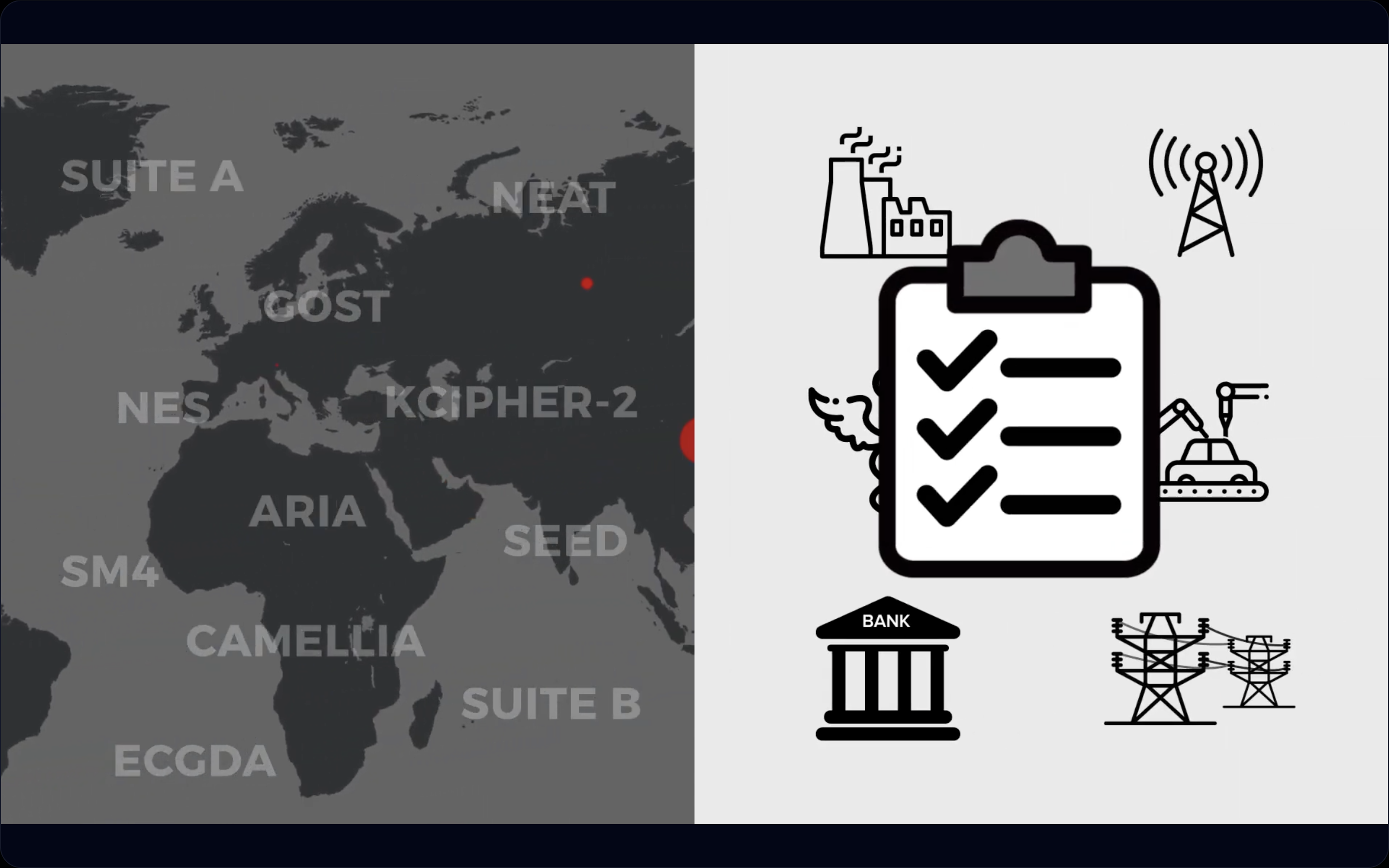
Supporting commentary from cybersecurity experts in outlets like SC Media and Security Today reinforce the imperative for organizations to start migrating to quantum-resistant encryption proactively. However, many enterprises face a major blind spot: a lack of accurate and comprehensive visibility into where and how cryptography is deployed across their complex environments.
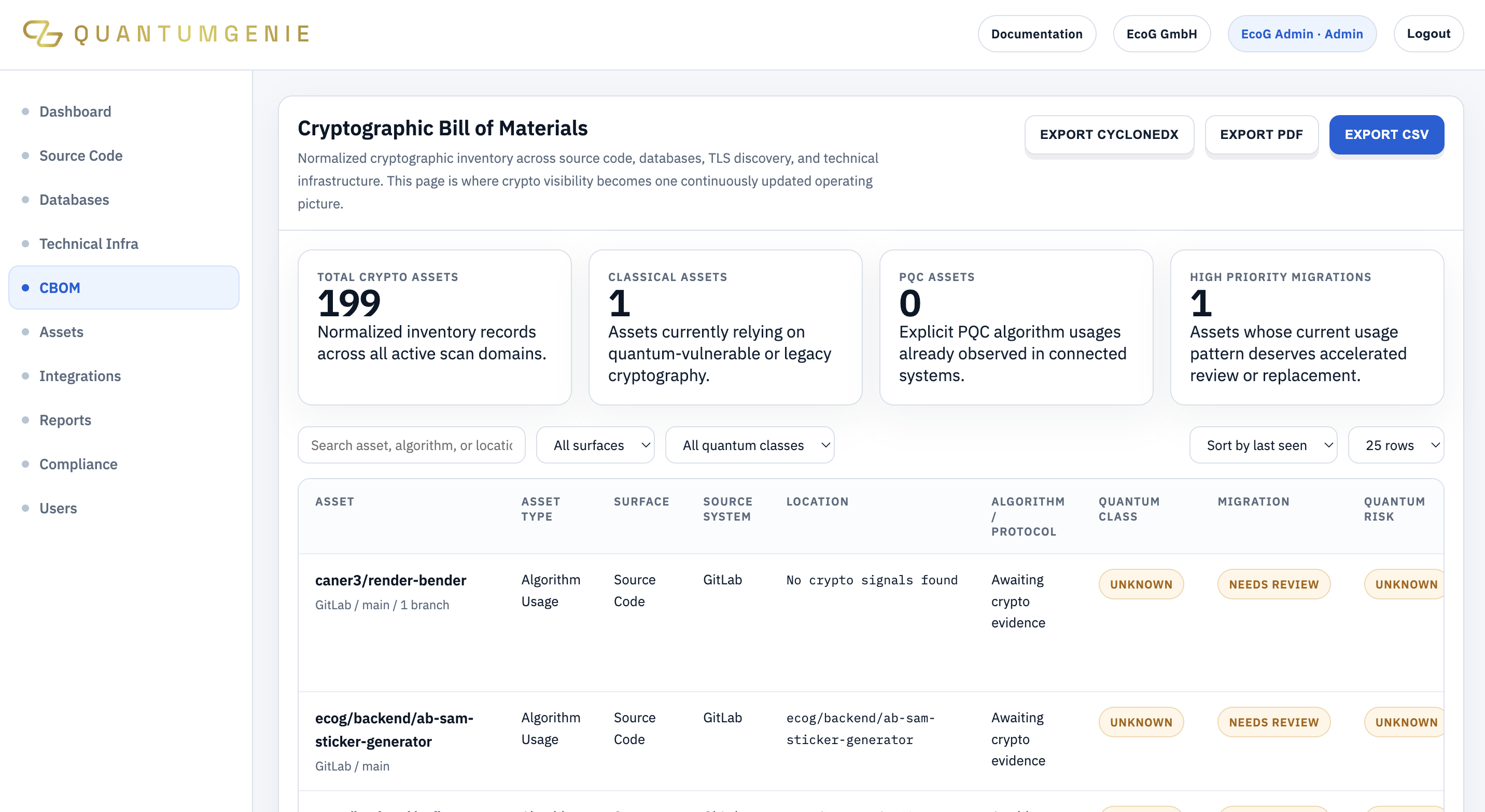
This absence of a definitive cryptographic inventory inhibits effective planning and risk prioritization, leaving organizations vulnerable to potential attacks exploiting cryptographic weaknesses before full PQC adoption. The urgent lesson is clear – enterprises must initiate detailed discovery processes now, to establish a cryptographic Component Bill of Materials (CBOM), enabling confident migration decisions and mitigations.

Comparing PQC Migration Challenges: Federal Agencies vs Enterprises
| Challenge | Federal Agencies | Enterprises |
|---|---|---|
| Cryptographic Inventory | Incomplete, spanning legacy and modern systems | Often fragmented, lacking centralized visibility |
| Risk Prioritization | Difficult due to mixed environment complexity | Crucial but hindered by lack of data |
| Migration Planning | Delayed by security protocol uncertainties | Requires early, structured CBOM building |
| Operational Execution | Struggles with remediation workflows and verification | Benefits from automated orchestration tools |
How QuantumGenie Empowers Enterprises To Navigate PQC Migration Challenges
QuantumGenie directly addresses these systemic enterprise challenges by providing comprehensive discovery of cryptographic usage across websites, certificates, source code, infrastructure, databases, applications, and integrations. This visibility forms the foundation of a cryptographic inventory and CBOM crucial for migration planning.
Beyond discovery, QuantumGenie enables enterprise teams to prioritize risks based on usage context and cryptographic strength, build actionable remediation plans, and operationalize change through validated workflows. This structured approach aligns with the demands federal agencies are encountering, enabling enterprises to avoid similar pitfalls and meet compliance and security expectations throughout their PQC migration journey.
Frequently Asked Questions
Why is accurate cryptographic inventory essential for PQC migration?
An accurate inventory identifies all cryptographic assets and usage contexts, enabling informed risk assessment, prioritization, and effective migration planning—crucial to avoid security gaps and overlooked vulnerabilities.
How does QuantumGenie support compliance during post-quantum migration?
QuantumGenie documents cryptographic components and changes, producing verifiable evidence of discovery, risk mitigation, and remediation workflows, thus aiding compliance with evolving regulatory standards.
Watch The Quantum Threat
Sources And Further Reading
- Agencies Question Security Protocols Amid Shift to Post-Quantum Cryptography FedTech Magazine · May 21, 2026
- Now’s the time to get working on post-quantum cryptography SC Media · Apr 23, 2026
- Post-Quantum Cryptography: Why Enterprises Must Transition Their Encryption Now Security Today · Apr 5, 2026