In This Article
What This Means
- Current Library Support and What It Means for Enterprises
- Crypto-Agility and Implementation Hurdles Highlighted in Research
- How QuantumGenie Fits Into Closing the Readiness Gap
Current Library Support and What It Means for Enterprises
The 2025 arXiv survey evaluating nine major open-source cryptographic libraries reveals uneven and incomplete support for post-quantum cryptography algorithms. This fragmented readiness landscape signals significant challenges for enterprises relying on these foundational components to implement PQC in their environments. Without comprehensive and uniform library support, organizations face complexity and uncertainty in ensuring secure quantum-safe cryptographic operations across their software stack.
Enterprises must recognize that the presence of some PQC algorithms in these libraries is only a starting point. Practical deployment demands extensive testing, standardization alignment, and integration with existing cryptographic protocols. The survey underscores that many libraries lag in offering robust, production-ready implementations, which complicates migration and increases security risks.
Crypto-Agility and Implementation Hurdles Highlighted in Research
Supporting the enterprise picture, a complementary 2025 comprehensive PQC survey corroborates these findings by emphasizing the critical role of crypto-agility—the ability to quickly and safely switch cryptographic algorithms—as a cornerstone of secure migration. Implementation challenges extend beyond algorithms, delving into complex interoperability, performance trade-offs, and key management issues.
Additionally, foundational research from 2019 identifies algorithmic complexity and integration difficulties as key hurdles, advocating for a systematic approach to cryptographic agility. Together, these studies paint a clear picture: enterprises must adopt flexible, well-governed frameworks that anticipate shifting standards and evolving threats rather than locking into static solutions.
Readiness Levels of PQC Algorithms in Cryptographic Libraries (Survey Highlights)
| Cryptographic Library | Algorithm Support (e.g., Kyber, Dilithium) | Production Readiness |
|---|---|---|
| Library A | Partial (3/7 algorithms) | Low |
| Library B | Moderate (5/7 algorithms) | Medium |
| Library C | Limited (2/7 algorithms) | Low |
| Library D | Full (7/7 algorithms) | High |
How QuantumGenie Fits Into Closing the Readiness Gap
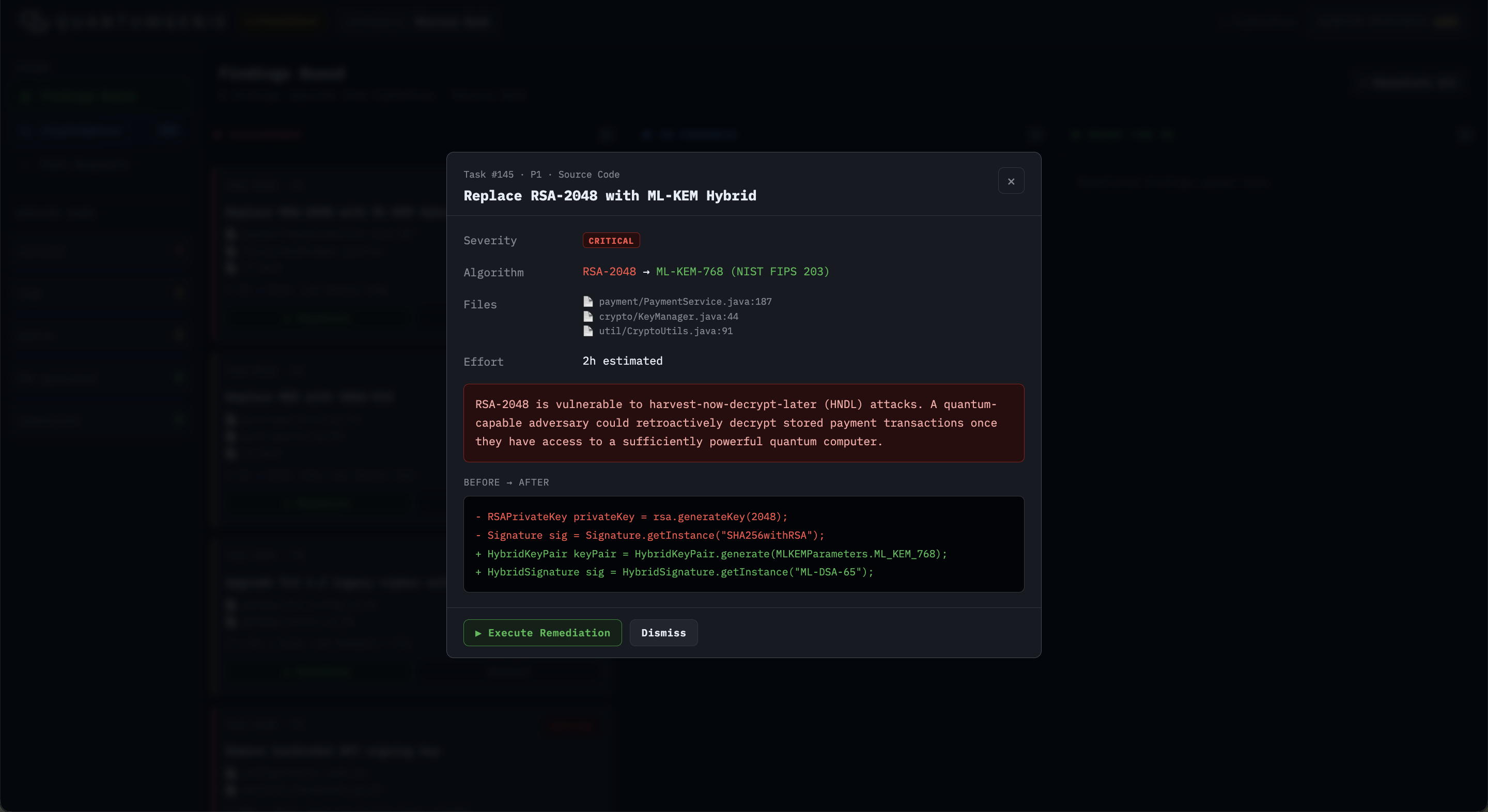
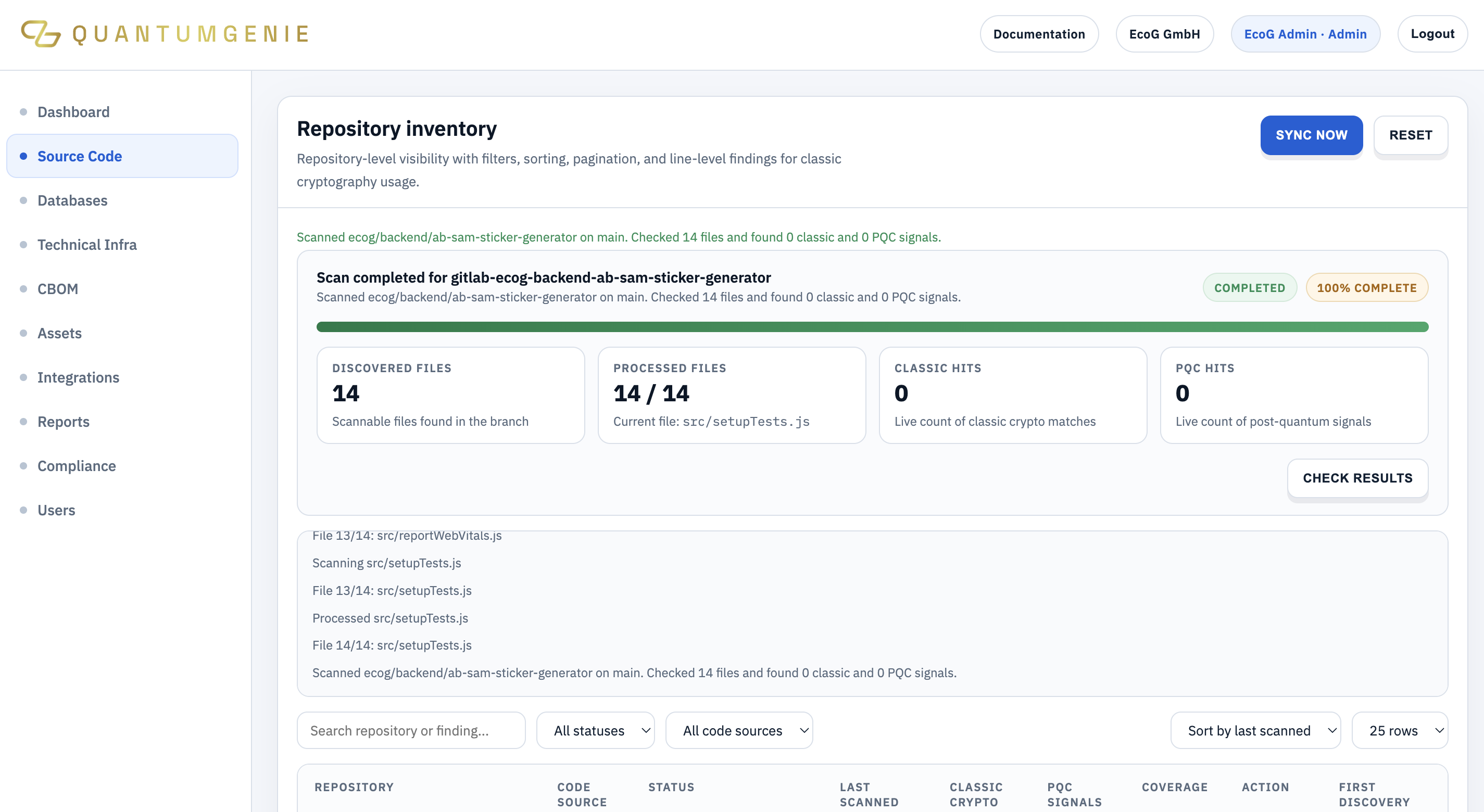
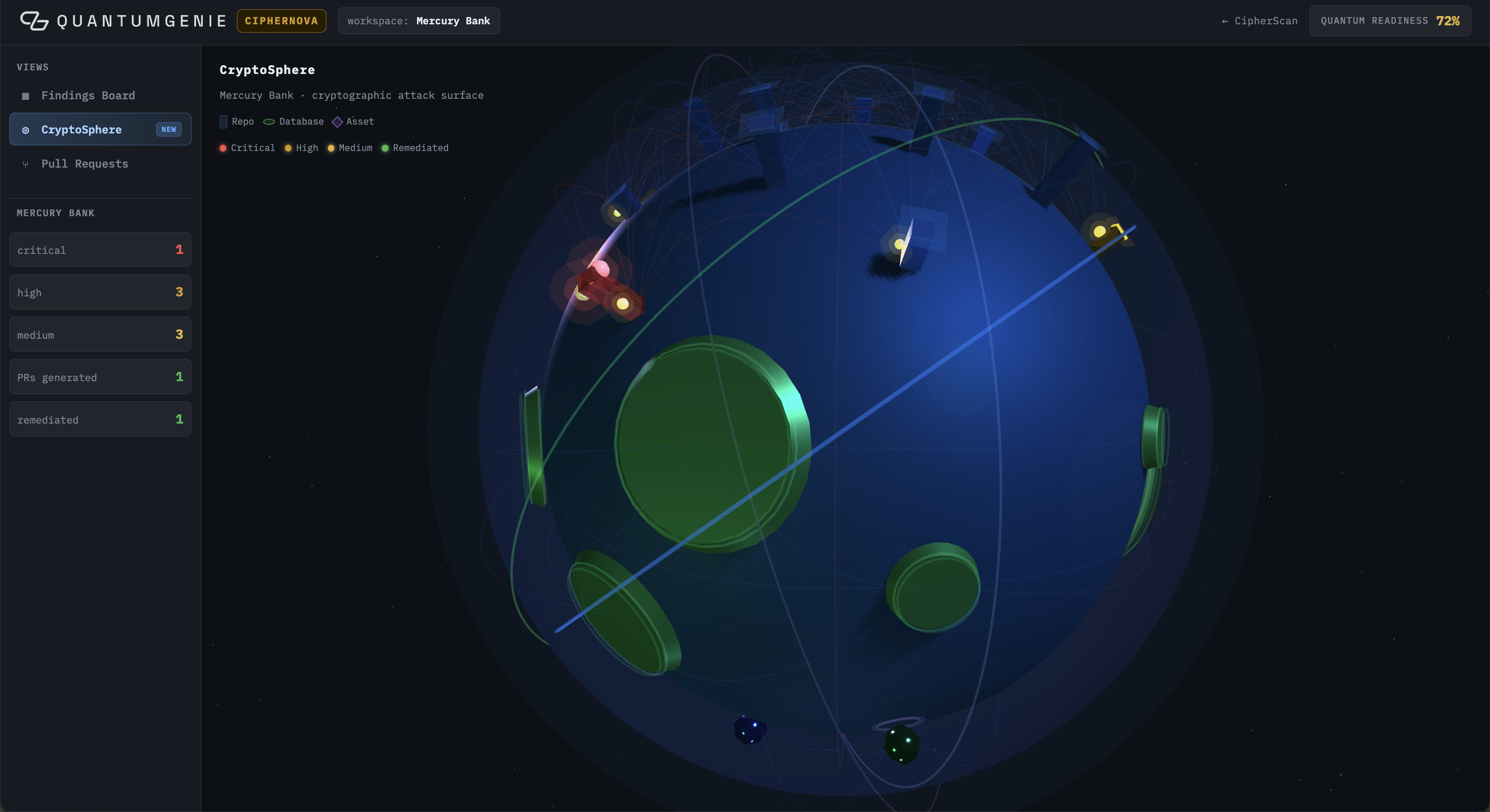
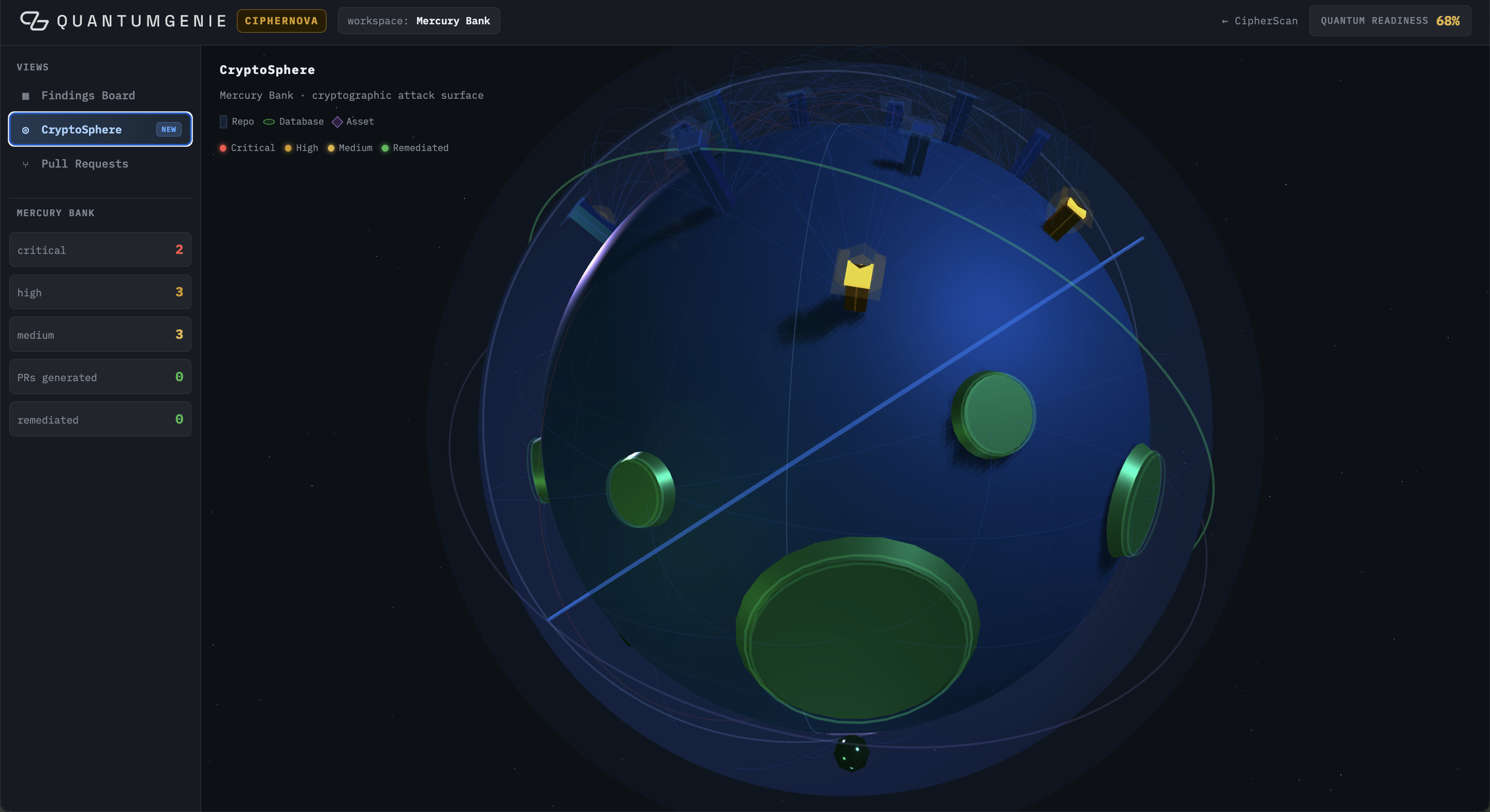
QuantumGenie's platform addresses these enterprise challenges by enabling comprehensive discovery and inventory of cryptographic assets, providing operational visibility essential for managing migration risk highlighted in the cryptographic library survey. Its CipherScan component uncovers embedded cryptography across environments—websites, source code, infrastructure, and applications—forming a detailed cryptographic Bill of Materials (CBOM).
This foundational inventory supports prioritization and risk-based migration planning, ensuring teams focus remediation efforts where the readiness gap poses the greatest threat. The CipherNova orchestration layer then operationalizes plans with workflow automation, change reviews, and validation—critical to maintaining crypto-agility as enterprises integrate emerging PQC implementations. By connecting discovery to governance and remediation, QuantumGenie turns the survey’s findings into actionable enterprise strategies for secure, compliant, and agile PQC migration.
Frequently Asked Questions
Why is the survey of cryptographic libraries important for enterprise PQC migration?
Because cryptographic libraries are core components used by software and systems to implement cryptography, uneven support for PQC algorithms in these libraries can cause operational gaps, security vulnerabilities, and delays in migration. Enterprises must understand these gaps to plan effective and secure PQC adoption strategies.
How does QuantumGenie improve an organization's cryptographic agility?
QuantumGenie enables comprehensive discovery and management of cryptographic assets, helping enterprises prioritize and orchestrate migration workflows. This operational control facilitates rapid and secure switching between cryptographic algorithms as standards evolve, embodying true cryptographic agility.
Watch The Quantum Threat
Sources And Further Reading
- A Survey of Post-Quantum Cryptography Support in Cryptographic Libraries arXiv · Aug 22, 2025
- Post-Quantum Cryptography and Quantum-Safe Security: A Comprehensive Survey arXiv · Oct 12, 2025
- Identifying Research Challenges in Post Quantum Cryptography Migration and Cryptographic Agility arXiv · Sep 16, 2019