Common questions about QuantumGenie, cryptographic visibility, and post-quantum readiness.
Why this matters
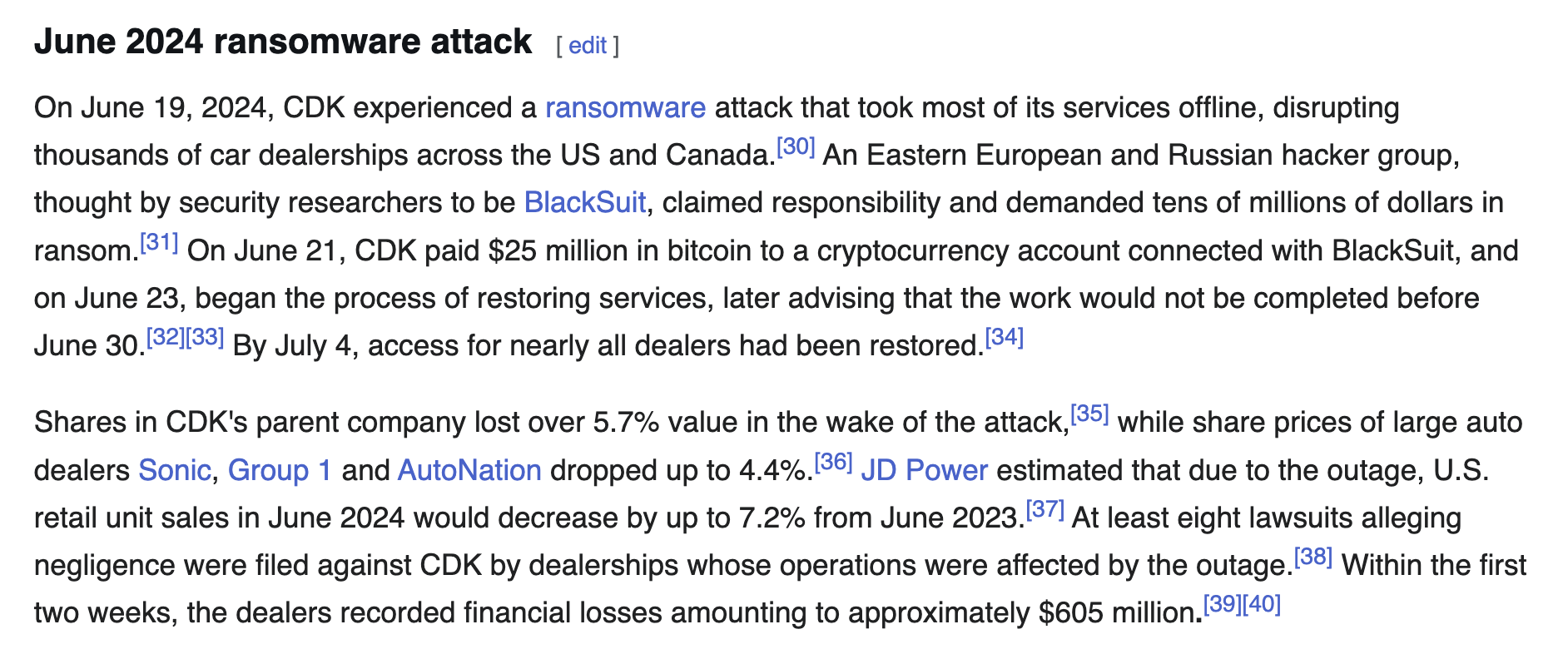
A major outage or attack rarely stays isolated to one technical system. It spills into operations, revenue, customer trust, and executive visibility very quickly. The lesson is not only that incidents happen. It is that teams need a reliable map of their dependencies before the response clock starts.
Urgency and timing
These questions usually come from teams that understand the topic but still believe they can safely postpone the work.
Q1
Quantum computers are not here yet. Why do we need to worry about this now?
Adversaries are already collecting encrypted data today with the intention of decrypting it later when cryptographically relevant quantum systems arrive. The organizations that handle this transition well are building observability now, before post-quantum migration becomes a rushed clean-up exercise.
Q2
Can we wait until quantum becomes a real threat before we act?
You cannot replace vulnerable algorithms, keys, or workflows if you cannot first locate them across websites, code, and cloud infrastructure. Visibility is the missing precursor to migration. Without that map, the response becomes far slower and far messier once the threat is immediate.
Q3
Harvest now, decrypt later sounds theoretical. Is this really happening?
It is no longer theoretical. Sophisticated adversaries and nation-state actors are already collecting encrypted traffic and data specifically for future decryption. The time to build visibility is before those future systems mature, not after they do.
Q4
We have more pressing security issues to address first.
Building cryptographic visibility does not replace your current security priorities. It gives you the foundational map you need before post-quantum migration becomes mandatory. Waiting often turns this into a chaotic clean-up project instead of a controlled program.
Capability and need
These questions usually come from teams that already have tooling and want to understand why cryptographic visibility needs its own operating layer.
Q5
We already have security tools. Why do we need another platform?
QuantumGenie gives security, platform, and engineering teams one operating surface for cryptographic visibility. Existing tools may flag vulnerabilities or manage certificates, but they usually do not provide a unified view of cryptographic posture across web, code, and cloud.
Q6
Cannot we just scan our websites for crypto vulnerabilities?
Website scanning is only the first layer. Teams still need repository analysis, cloud inventory, runtime asset awareness, and migration planning. QuantumGenie turns first-pass discovery into an operational program instead of leaving it as an isolated signal.
Q7
We know where our encryption is. We manage our certificates and keys.
Most organizations still have blind spots in legacy code, embedded devices, third-party libraries, vendor components, and runtime cryptographic assets that never appear in clean infrastructure inventories. Certificate management is useful, but it is not the same as full cryptographic visibility.
Q8
Our developers already know what crypto libraries we use.
Manual knowledge does not reliably map to concrete environments, repositories, services, branches, or vendor-supplied components. Automated discovery helps teams point to evidence instead of assumptions, which makes prioritization and migration planning much easier.
Q9
We are already compliant with security standards. Is that not enough?
Compliance does not equal cryptographic visibility. Frameworks such as SOC 2, ISO 27001, NIST CSF, HIPAA, PCI DSS, DFARS, CMMC, NIS2, TX-RAMP, GDPR, and DORA increasingly overlap with post-quantum readiness expectations. QuantumGenie helps strengthen resilience and make cryptographic evidence easier to show continuously.
Complexity and execution
This group is usually about fear of rollout overhead. The better framing is that visibility reduces migration chaos rather than adding to it.
Q10
This sounds too complex for our team to manage.
QuantumGenie is designed to replace fragmented discovery with one operating surface for cryptographic visibility. Coverage and findings can be framed as an executive-ready baseline, not just a technical report, so the output becomes easier to act on.
Q11
We do not have the resources for a full crypto migration right now.
You do not need to migrate everything immediately. You need to know where vulnerable crypto lives so you can prioritize what matters most. Visibility is the precursor to migration, not migration itself.
Q12
How do we even know where to start?
Start with visibility, not assumptions. QuantumGenie uses CipherScan as a credible first layer into public-facing cryptographic posture and the environments attached to it, then extends that into deeper discovery and planning.
Q13
Our infrastructure is too distributed or complex for this to work.
Distributed environments are exactly where observability matters most. QuantumGenie is built for environments where trust paths, device communications, cloud services, and legacy dependencies create real migration complexity. The platform is especially relevant when the environment is not simple.
Risk and threat
These questions usually come from organizations that believe strong current encryption or low perceived attacker interest removes the need to prepare.
Q14
Our data is not valuable enough for nation-state attackers to target.
Harvest-now, decrypt-later collection does not depend on whether an organization sees itself as strategic. Adversaries collect encrypted data opportunistically. Customer records, health data, financial data, trade secrets, and internal intellectual property all become more vulnerable once current crypto assumptions break.
Q15
We use strong encryption today. Are we not protected?
Strong encryption today can become weak encryption in a post-quantum world. RSA, ECC, and Diffie-Hellman all need to be inventoried and planned for migration. The problem is not only algorithm strength now. It is whether you can find and change the places where those algorithms live.
Q16
Can we not just upgrade our crypto when quantum computers arrive?
Data encrypted today with vulnerable algorithms can remain at risk retroactively, and finding and replacing crypto across a full environment takes years, not weeks. Visibility now is what makes a later migration timeline realistic.
Alternative approaches
These questions compare QuantumGenie with internal tooling, consultants, vendor assurances, or conventional vulnerability scanners.
Q17
Can we just build this visibility ourselves?
Building comprehensive cryptographic visibility requires TLS analysis, static code analysis, cloud asset discovery, certificate monitoring, and migration workflow coordination. QuantumGenie gives teams one operating surface instead of forcing them to integrate and maintain multiple custom tools and scripts.
Q18
Why not just wait for our vendors to handle post-quantum migration?
Vendors can upgrade their products, but they cannot map your environment for you. You still need to know where those products are deployed, which legacy versions remain, what custom integrations exist, and where vendor crypto intersects with your own systems.
Q19
Cannot we use our existing vulnerability scanners?
Traditional scanners are useful for known CVEs, but they do not usually provide full cryptographic visibility. They do not inspect repositories for classic crypto dependencies, inventory runtime cloud assets, monitor client crypto posture, or guide migration planning as an operational workflow.
Q20
We will hire a consultant when we need one.
Consultants provide point-in-time assessments. Environments keep changing after that assessment is complete. QuantumGenie helps teams maintain ongoing visibility as repositories evolve, new certificates are issued, and new services or assets appear.
Scope and applicability
These are the questions that test whether the problem is only for certain architectures, industries, or company sizes. It is not.
Q21
We are cloud-native. Does this still apply to us?
Cloud-native does not mean crypto-invisible. Keys, certificates, secrets, serverless functions, managed services, containers, and runtime assets all still rely on cryptography that needs visibility before migration.
Q22
We are mostly on-premises. Is this relevant?
Yes. On-prem environments often contain long-lived cryptographic assets and the deepest legacy dependencies. Hybrid and on-prem footprints especially benefit from better visibility because migration work is harder to improvise there.
Q23
We do not develop software in-house. Why would repository analysis matter?
Even teams that do not build core products still manage scripts, customizations, integrations, open-source components, and third-party application logic. Those still carry cryptographic dependencies and deserve inspection.
Q24
We are in a non-regulated industry. Is compliance still relevant?
Even outside formal regulation, customers, partners, insurers, and enterprise buyers increasingly expect security evidence. Coverage and discovery can still be framed as an executive-ready baseline and a sign of proactive risk management.
Q25
Our company is too small for this to matter.
Company size does not remove cryptographic risk. Smaller organizations still protect customer data, use TLS, sign code, manage API keys, and rely on software supply chains. Building visibility early scales better than trying to retrofit it later.
Technical implementation
This is where teams want practical reassurance about scanning impact, legacy systems, custom crypto, and rapidly changing architectures.
Q26
How intrusive is the scanning? Will it impact production?
CipherScan provides a fast first layer of visibility without impacting production workloads. Public web scanning observes TLS, certificates, and cipher posture externally. Code analysis happens on repositories, and cloud inventory relies on API-based discovery rather than inline interception.
Q27
What if we have legacy systems that cannot be scanned?
Legacy systems are one of the strongest reasons to build visibility. Even incomplete visibility is better than none, because it helps teams decide what needs priority attention, what can be isolated, and what can be retired.
Q28
We use proprietary or custom cryptographic implementations.
Custom implementations are often the highest-risk blind spots. Repository analysis helps identify where teams have rolled their own cryptographic behavior so that those implementations can be reviewed and included in migration planning.
Q29
Our architecture changes constantly. Will this visibility become stale?
That is exactly why continuous visibility matters. Point-in-time assessments age quickly. Ongoing discovery makes it easier to keep cryptographic posture aligned with a changing environment.
Outcome and impact
These questions usually come at the end of a buying or planning conversation, once a team accepts the need for visibility and wants to understand the practical outcome.
Q30
What happens after we discover all our crypto?
Discovery is the start, not the finish. QuantumGenie turns discovery into an operational program with migration guidance, planning workflows, and production-oriented follow-through instead of leaving findings stranded in a report.
Q31
How do we prioritize what to fix first?
The goal is to frame coverage and discovery as an executive-ready baseline, then prioritize by business criticality, compliance exposure, technical dependency, and operational risk. Visibility makes prioritization possible because teams can see the real footprint.
Q32
We do not have budget allocated for this.
Waiting until migration is mandatory usually means competing for budget during a crisis. Building visibility now is much less expensive than emergency discovery and rushed replacement later.
Q33
How do we measure success with this platform?
Success means teams can map, assess, and act on cryptographic posture. Useful metrics include patterns discovered, repositories analyzed, cloud assets inventoried, migration-ready environments identified, and executive-ready baselines delivered.
Q34
What if quantum timelines slip further out?
The investment still has immediate value. Better cryptographic visibility also improves certificate management, deprecated algorithm remediation, key rotation discipline, and compliance evidence, even before post-quantum deadlines become acute.
Q35
Our executive team does not understand the quantum threat. How do we get buy-in?
Frame the work as cryptographic asset management and migration readiness rather than quantum physics. Coverage and discovery are easier for executives to understand when presented as a practical baseline for operational risk and future change management.
Want to turn this into an actual visibility program?
Start with a first-pass scan, then move into repository analysis, cloud inventory, and migration planning. That is the path from abstract concern to operational readiness.