In This Article
What This Means
- The Dawn of Post-Quantum Migration as a Strategic Imperative
- Challenges and Enterprise Implications of PQC Migration
- How QuantumGenie Supports Enterprise PQC Migration
The Dawn of Post-Quantum Migration as a Strategic Imperative
The cybersecurity landscape stands at a critical juncture as NIST finalizes its post-quantum cryptography (PQC) standards and the NSA sets clear deadlines for enterprise compliance. According to the recent PR Newswire report, these developments trigger a projected $15 billion migration effort across enterprise cybersecurity infrastructures. It’s not merely a technology upgrade — it’s a fundamental rebuilding of cryptographic foundations to resist quantum-enabled attacks, which threatens current asymmetric encryption methods.
For CISOs and enterprise architects, this means immediate action is needed. Legacy encryption is increasingly vulnerable to the rising computational power of quantum machines, exposing past, current, and future data to compromise. A strategic and well-governed migration plan is no longer optional but essential for sustained cyber resilience.
Challenges and Enterprise Implications of PQC Migration
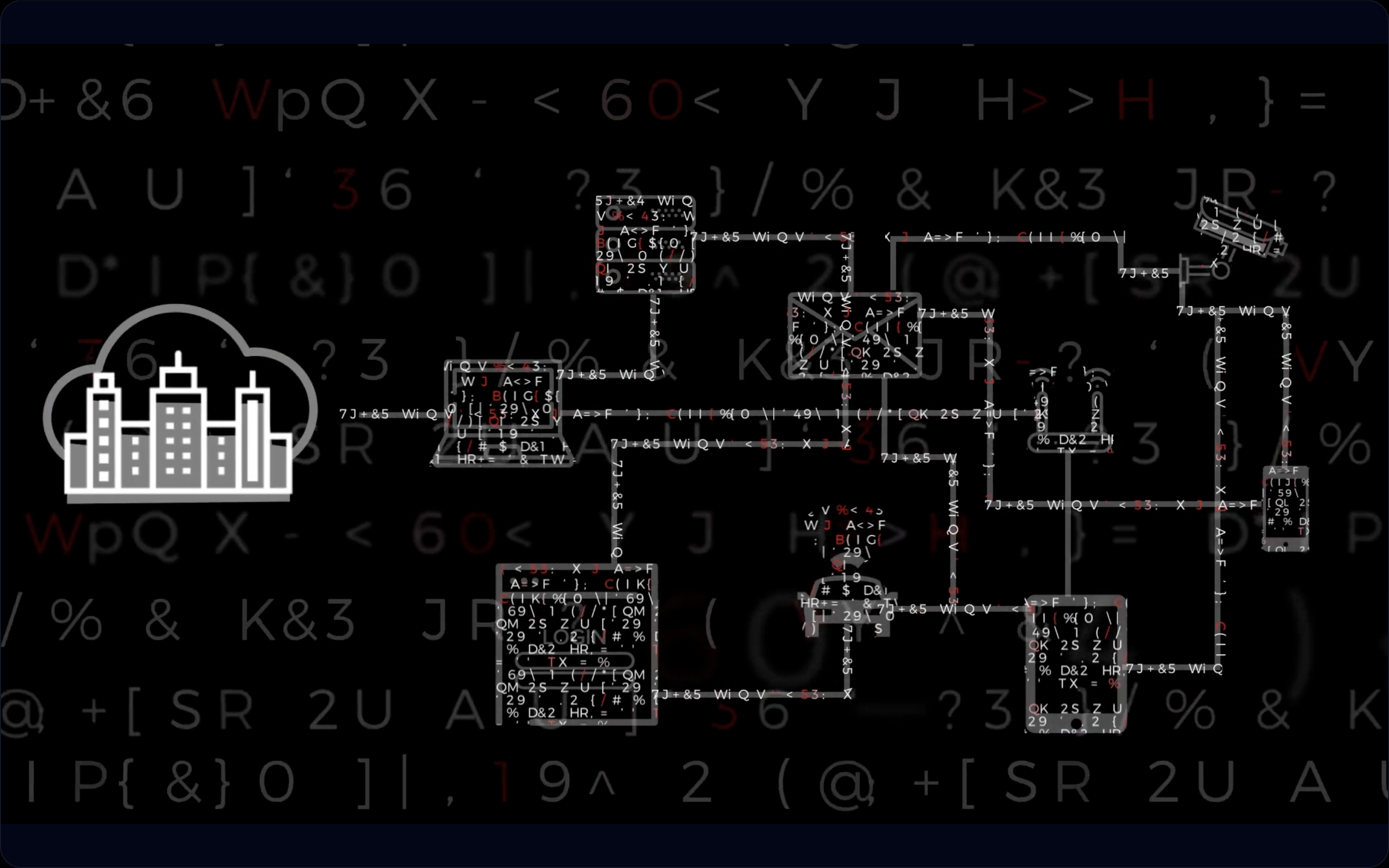
The urgency to move to quantum-resistant algorithms calls for a deep understanding of existing cryptographic assets. Enterprises face fragmented and often undocumented cryptographic footprints spanning certificates, applications, and infrastructure. Without a comprehensive cryptographic inventory, prioritization and risk assessment become guesswork, potentially exposing critical systems to untenable vulnerabilities.
Furthermore, migration must be orchestrated with agility to handle complex integrations and regulatory compliance demands, as highlighted by industry analyses in SecurityToday and TechRadar. The concept of crypto-agility — the ability to interchange cryptographic algorithms and protocols seamlessly — is no longer a theoretical best practice but a business necessity to navigate evolving threats and standards.

Key Enterprise PQC Migration Drivers and QuantumGenie Alignment
| Enterprise Challenge | QPMC Migration Driver | QuantumGenie Solution |
|---|---|---|
| Incomplete crypto inventory impedes risk analysis | Need for comprehensive visibility and CBOM | CipherScan discovers cryptographic assets across infrastructure and code |
| Complex prioritization across diverse assets | Risk-based prioritization to focus on critical exposure | Data-driven risk scoring and migration prioritization |
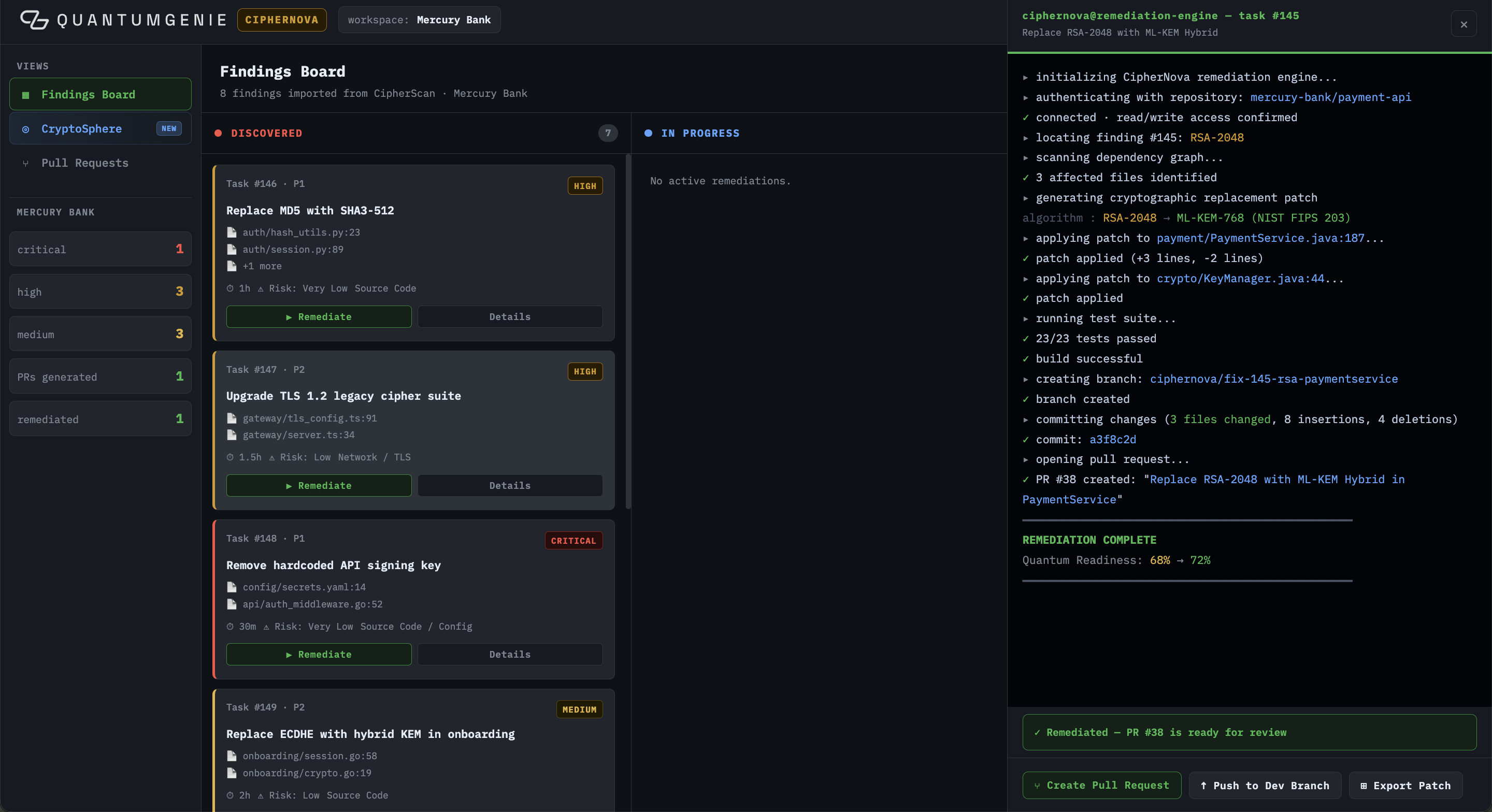
| Orchestration of remediation amid evolving standards | Manage workflows, policy exceptions, and verification | CipherNova automates remediation with audit trails and compliance support |
How QuantumGenie Supports Enterprise PQC Migration
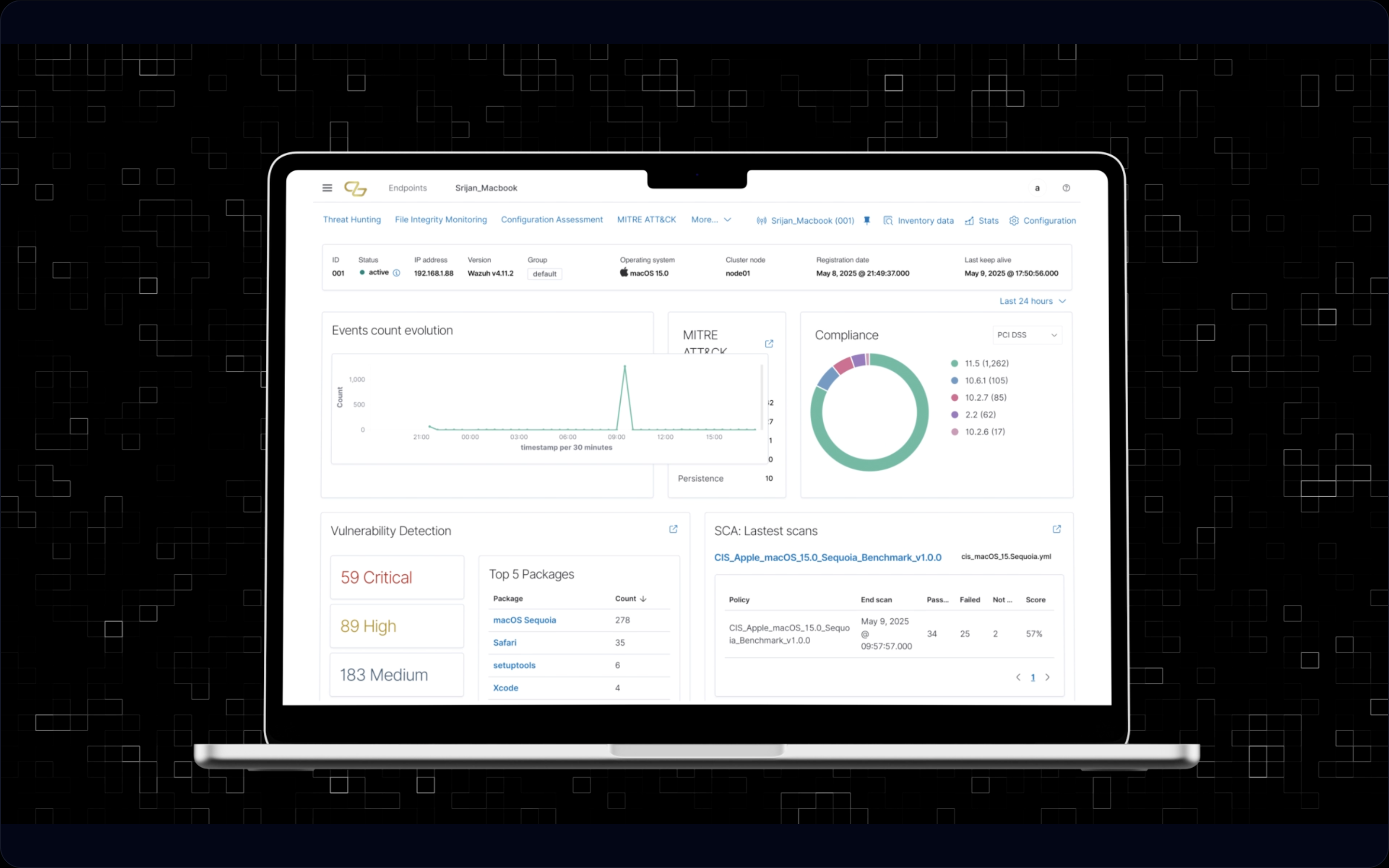
QuantumGenie addresses these core challenges by delivering a dual-layer platform: CipherScan for continuous discovery and visibility into all cryptographic exposure, and CipherNova for managing remediation workflows. This approach enables enterprises to build a precise cryptographic inventory and cryptographic bill of materials (CBOM), essential for compliance and migration planning.
By prioritizing cryptographic assets based on risk and operational criticality, QuantumGenie helps security teams plan and execute migrations efficiently. Its integration of discovery and remediation orchestration ensures enterprises don’t just know what to protect but can systematically operationalize their migration strategies — a vital capability in light of the large-scale overhaul prompted by NIST standards and NSA timelines.
Frequently Asked Questions
Why is NIST finalizing PQC standards a game changer for enterprises?
NIST's finalization of PQC standards sets definitive algorithms and protocols that enterprises must adopt to protect against quantum threats. This removes uncertainty, sets compliance baselines, and creates a clear migration deadline, triggering large-scale changes in cybersecurity architectures.
What makes crypto-agility essential in PQC migration?
Crypto-agility allows enterprises to switch cryptographic algorithms and protocols rapidly in response to emerging threats or standards. This flexibility is critical during the PQC transition period where algorithms evolve, ensuring continuous protection without wholesale system redesign.
Watch The Quantum Threat
Sources And Further Reading
- The $15 Billion Post-Quantum Migration: NIST Standards Are Final, NSA Deadlines Are Set, and Enterprise Cybersecurity Is About to Be Rebuilt from the Ground Up PR Newswire · Mar 31, 2026
- Post-Quantum Cryptography: Enterprises Must Shift Encryption Now SecurityToday · Apr 5, 2026
- Cyber resilience in the post-quantum era: the time of crypto-agility TechRadar · Aug 25, 2025