In This Article
What This Means
- The Imperative for Crypto-Agility in the Quantum Era
- Software-Defined Cryptography: Centralized Governance Meets Automation
- How QuantumGenie Fits: Enabling Enterprise-Grade Crypto-Agility
The Imperative for Crypto-Agility in the Quantum Era
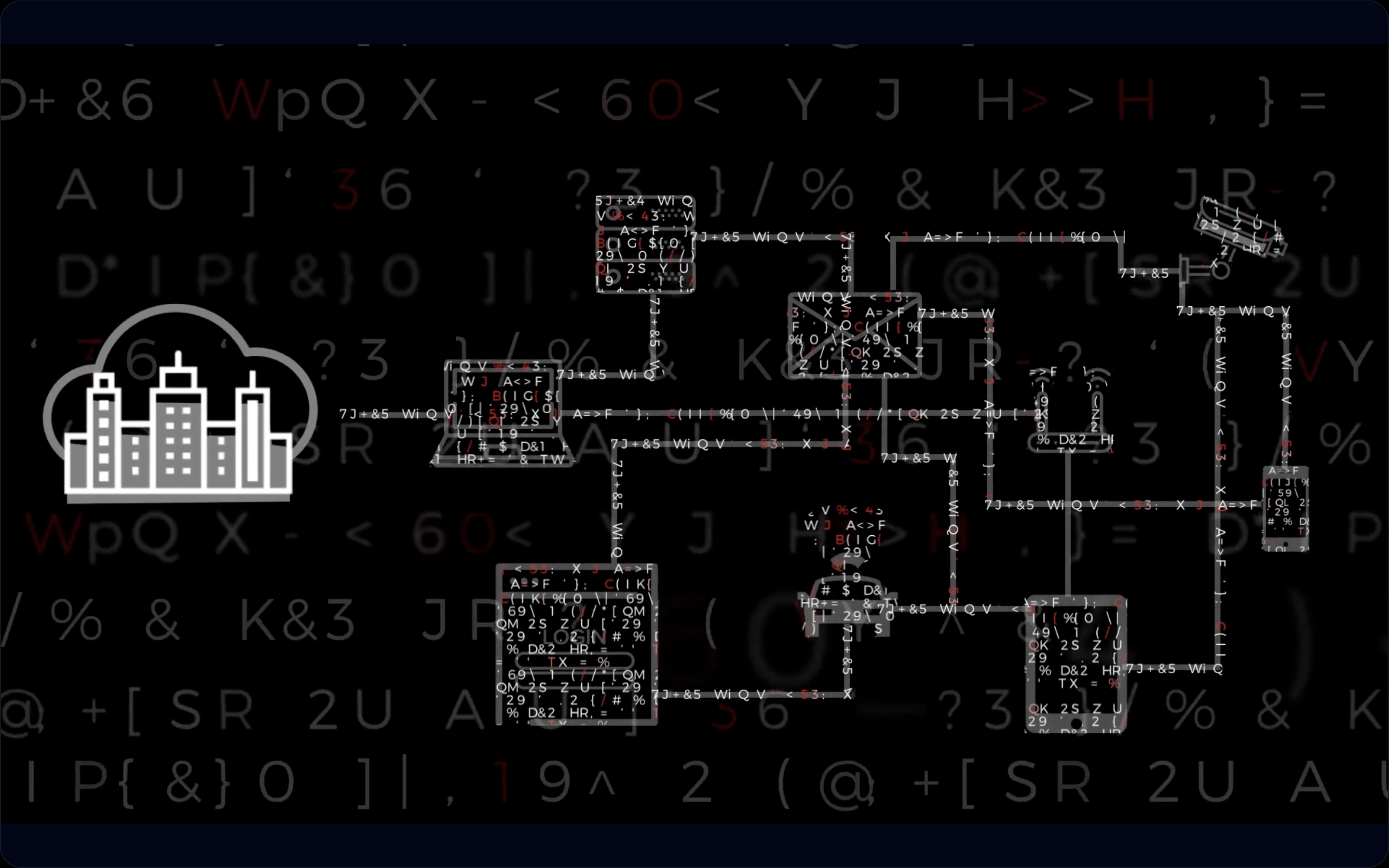
Quantum computing stands poised to disrupt the foundational security assumptions of existing cryptographic algorithms, threatening widespread vulnerabilities in enterprise security infrastructures. The UK's National Cyber Security Centre's 2024 review echoes this urgency, reminding organizations that preparation for post-quantum cryptography (PQC) is no longer optional but a pressing strategic priority.
Consequently, a static approach to cryptography is untenable. Enterprises must architect systems that can adapt dynamically to new cryptographic algorithms and policies — a concept termed cryptographic agility. The new research on software-defined cryptography positions it as an essential design pattern enabling such agility by abstracting cryptographic operations into software-configurable layers. This abstraction allows centralized governance and enforces policy-driven automated transitions, including migrations to PQC.
Software-Defined Cryptography: Centralized Governance Meets Automation
Software-defined cryptography envisions cryptographic functions as configurable software elements rather than fixed hardware or hard-coded implementations. This shift empowers security teams with centralized control over cryptographic parameters, enabling rapid algorithm updates and policy enforcement without extensive system re-engineering.
This approach streamlines compliance adherence by embedding automated enforcement of cryptographic policies — for instance, instant migration from legacy algorithms to vetted post-quantum counterparts once standards evolve. The study’s findings resonate with real-world PQC adoption patterns witnessed in national supercomputing centers, where flexible crypto architectures enable phased migration and minimize operational disruption.
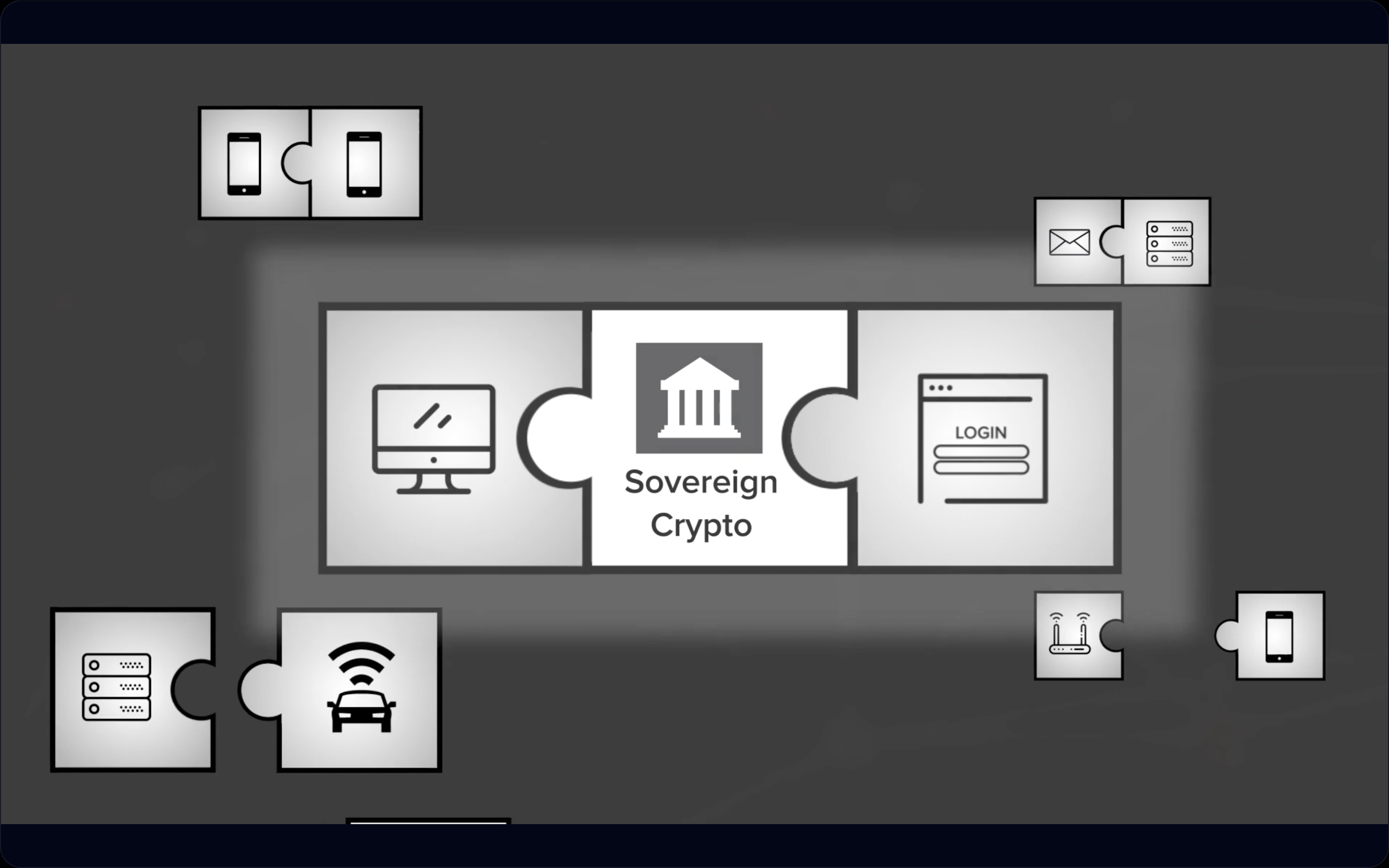
Key Attributes of Software-Defined Cryptography for Enterprise PQC Migration
| Attribute | Description | Enterprise Benefit |
|---|---|---|
| Centralized Cryptographic Governance | Software abstraction enables unified control of cryptographic parameters and policies. | Simplifies compliance and streamlines security management. |
| Automated Policy Enforcement | Policies embedded in software automate algorithm transitions and key rotations. | Reduces human error and accelerates PQC migration timelines. |
| Configurable Cryptographic Operations | Cryptographic functions are dynamically configurable rather than hard-coded. | Facilitates rapid response to emerging quantum threats without hardware changes. |
| Integration with Discovery Tools | Works hand-in-hand with cryptographic inventory systems to map exposure. | Ensures migration scope is well-defined and mitigates unknown vulnerabilities. |
How QuantumGenie Fits: Enabling Enterprise-Grade Crypto-Agility
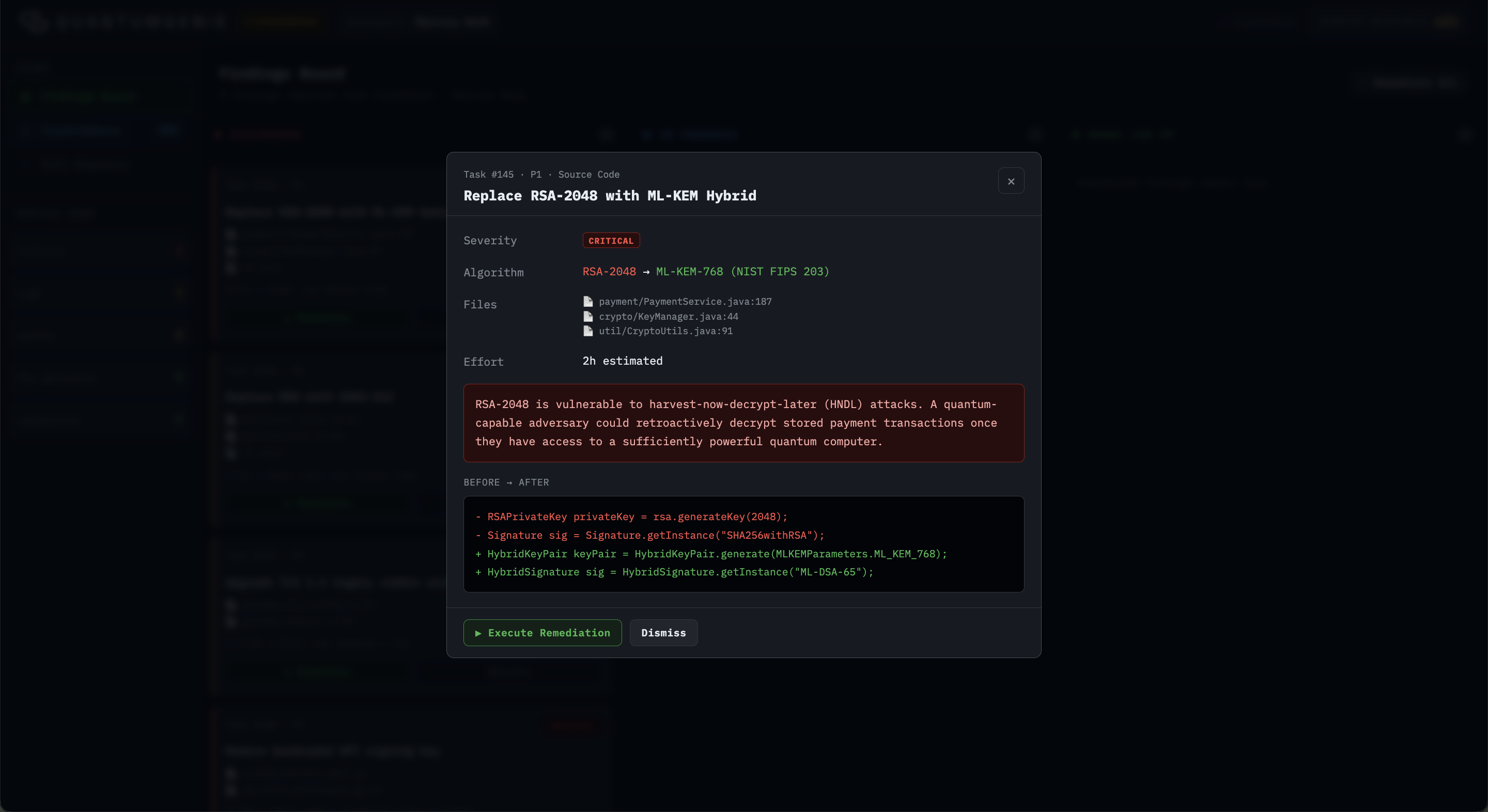
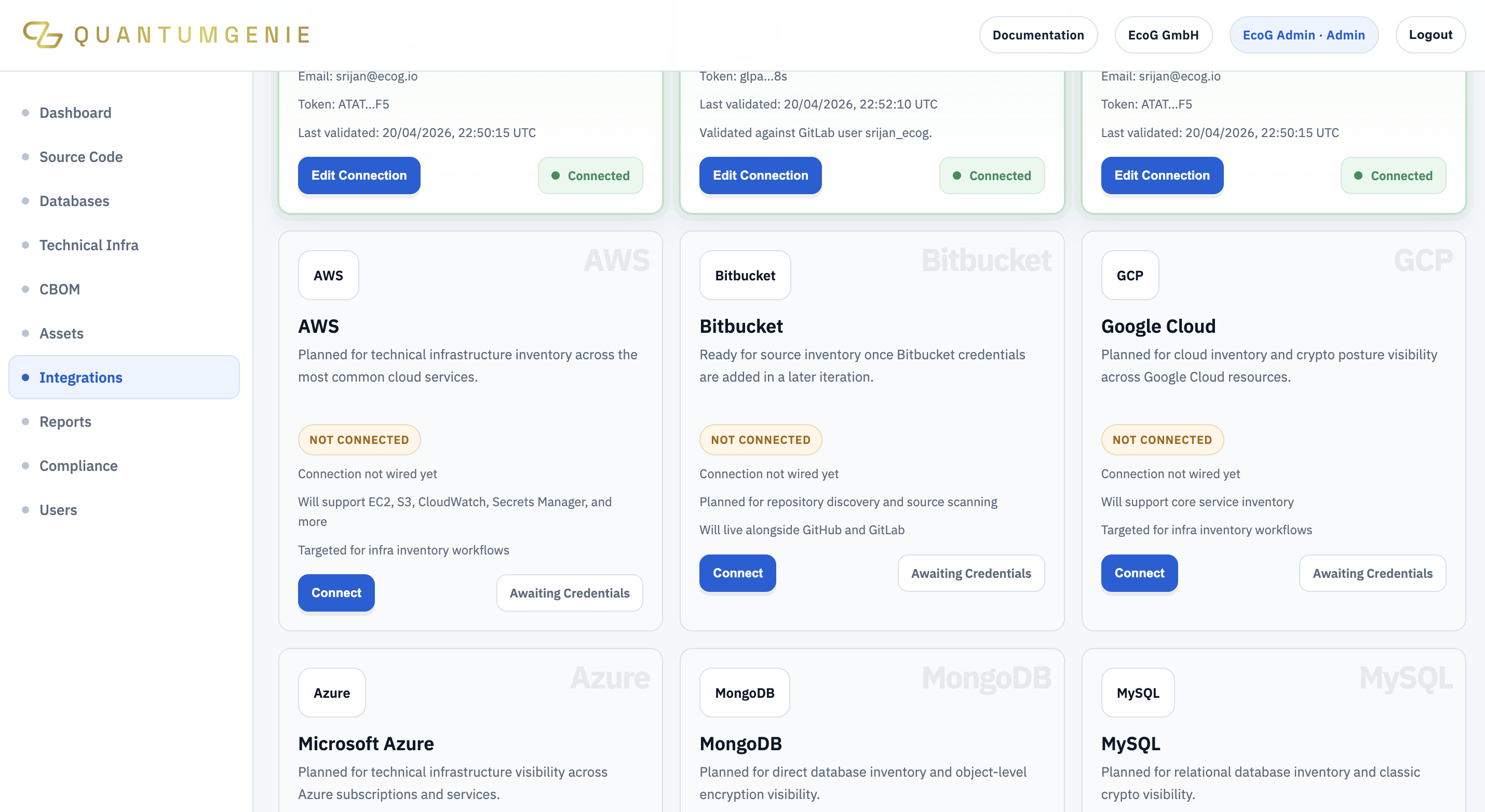
QuantumGenie’s platform perfectly complements the software-defined cryptography paradigm by delivering comprehensive, enterprise-wide cryptographic discovery (CipherScan) and orchestrated policy enforcement workflows (CipherNova). This dual capability forms the backbone of centralized cryptographic governance essential for software-defined approaches.
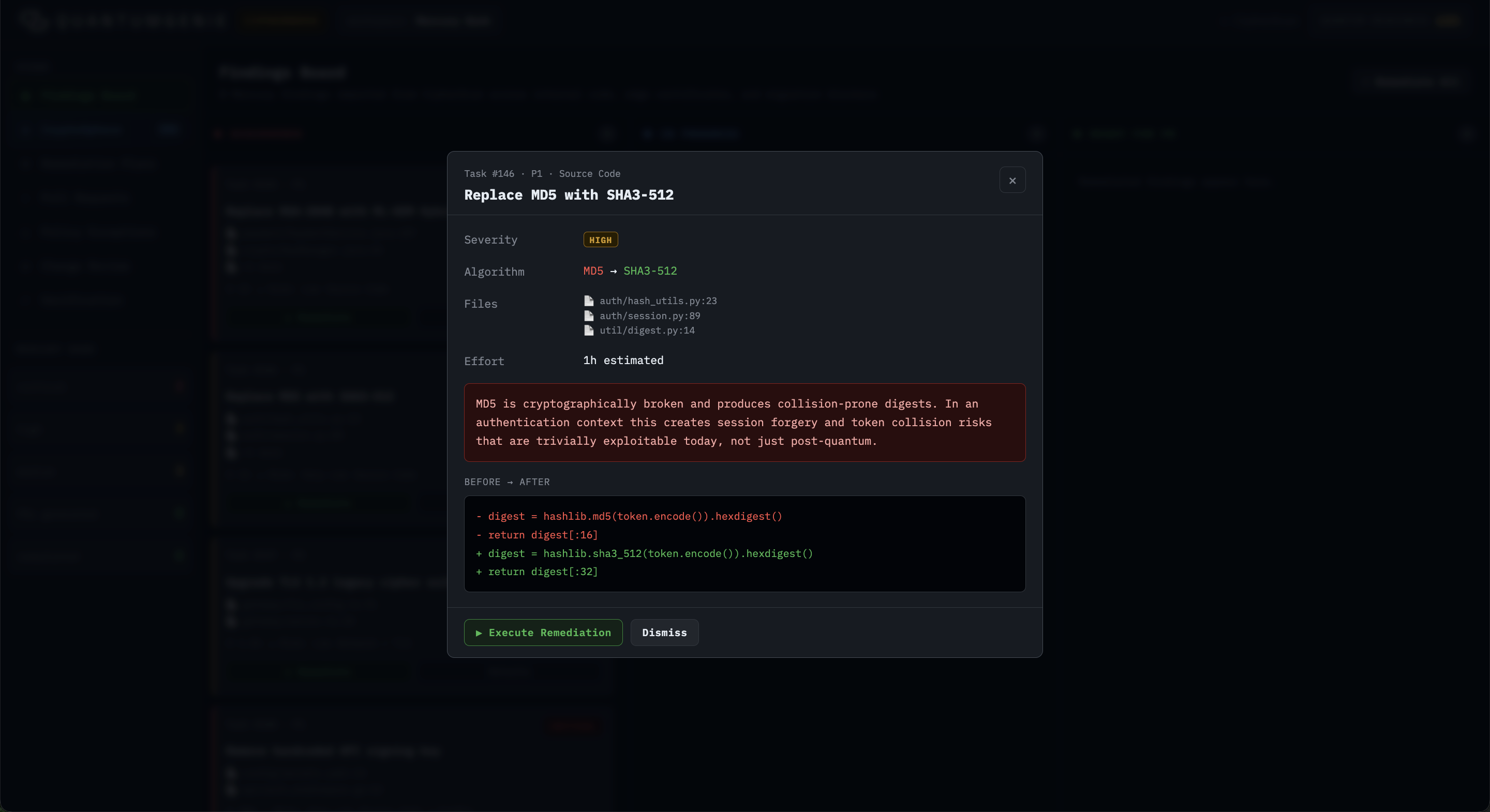
Through automated inventory and CBOM creation, risk prioritization, and change management workflows, QuantumGenie accelerates the migration journey from classical to post-quantum cryptography. Enterprises gain operational visibility and streamlined execution capabilities critical to implementing automated, policy-driven cryptographic transitions that software-defined cryptography demands.
Frequently Asked Questions
What is software-defined cryptography and why does it matter for enterprises?
Software-defined cryptography is an architectural approach where cryptographic functions are implemented as configurable software elements, enabling centralized control and dynamic updating of cryptographic algorithms and policies. For enterprises, this approach enhances agility by allowing rapid adaptation to emerging threats like quantum computing, easing compliance, and simplifying migration to post-quantum cryptography.
How does QuantumGenie support the implementation of software-defined cryptography?
QuantumGenie provides end-to-end cryptographic inventory discovery and automated orchestration workflows that enable enterprises to centrally manage cryptographic assets and enforce policies dynamically. This infrastructure supports software-defined cryptography by providing the necessary visibility, risk prioritization, and change management tools to operationalize cryptographic agility and post-quantum migration efficiently.
Watch The Quantum Threat
Sources And Further Reading
- Software-Defined Cryptography: A Design Feature of Cryptographic Agility arXiv · Apr 2, 2024
- NCSC Annual Review 2024: Post-Quantum Cryptography National Cyber Security Centre · Aug 31, 2024
- Post-Quantum Cryptography (PQC) Network Instrument: Measuring PQC Adoption Rates and Identifying Migration Pathways arXiv · Jul 31, 2024