In This Article
What This Means
- The Unseen Quantum Threat: Harvest Now, Decrypt Later
- Implications for Enterprise Cryptographic Readiness
- How QuantumGenie Addresses the Challenge
The Unseen Quantum Threat: Harvest Now, Decrypt Later
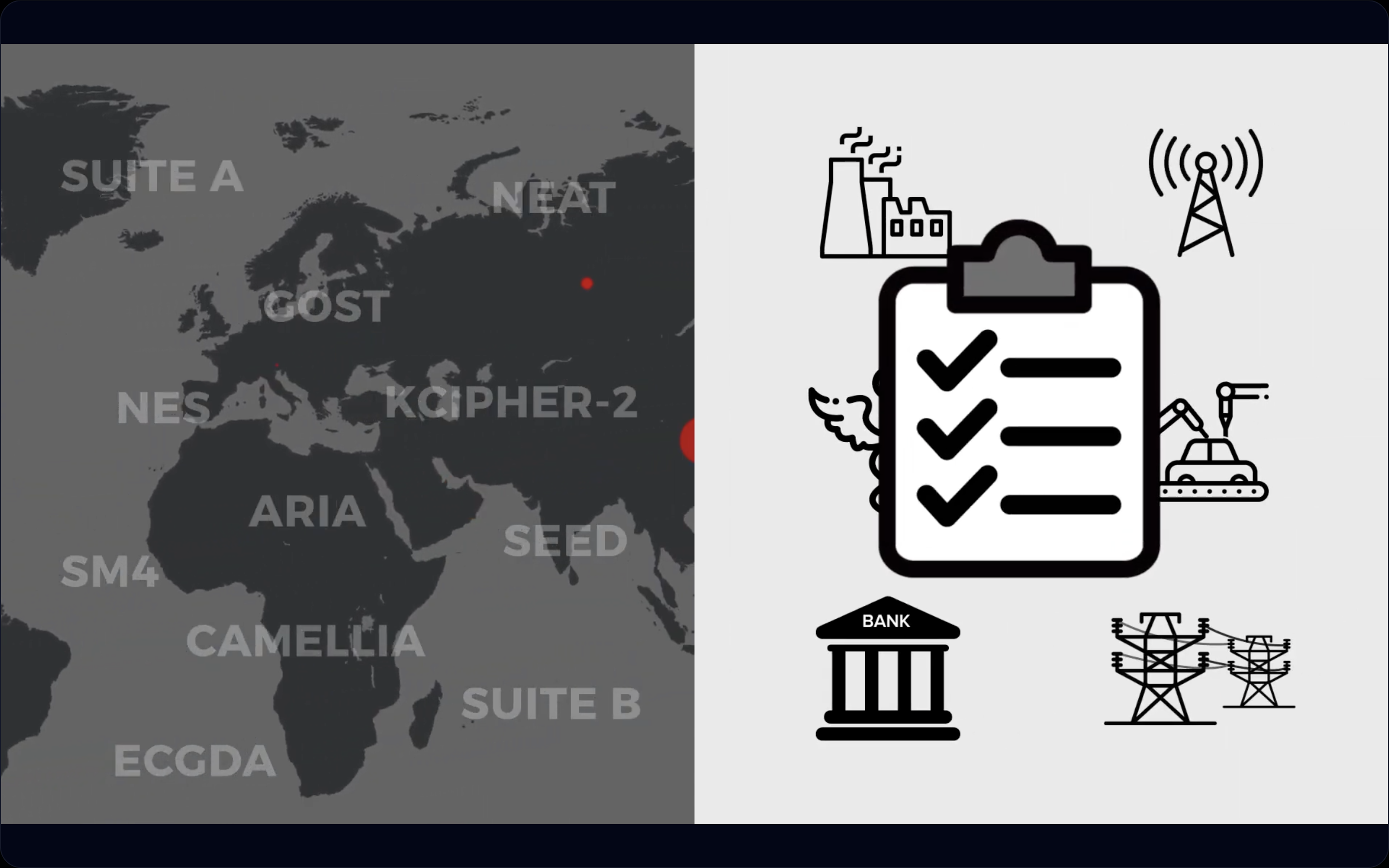
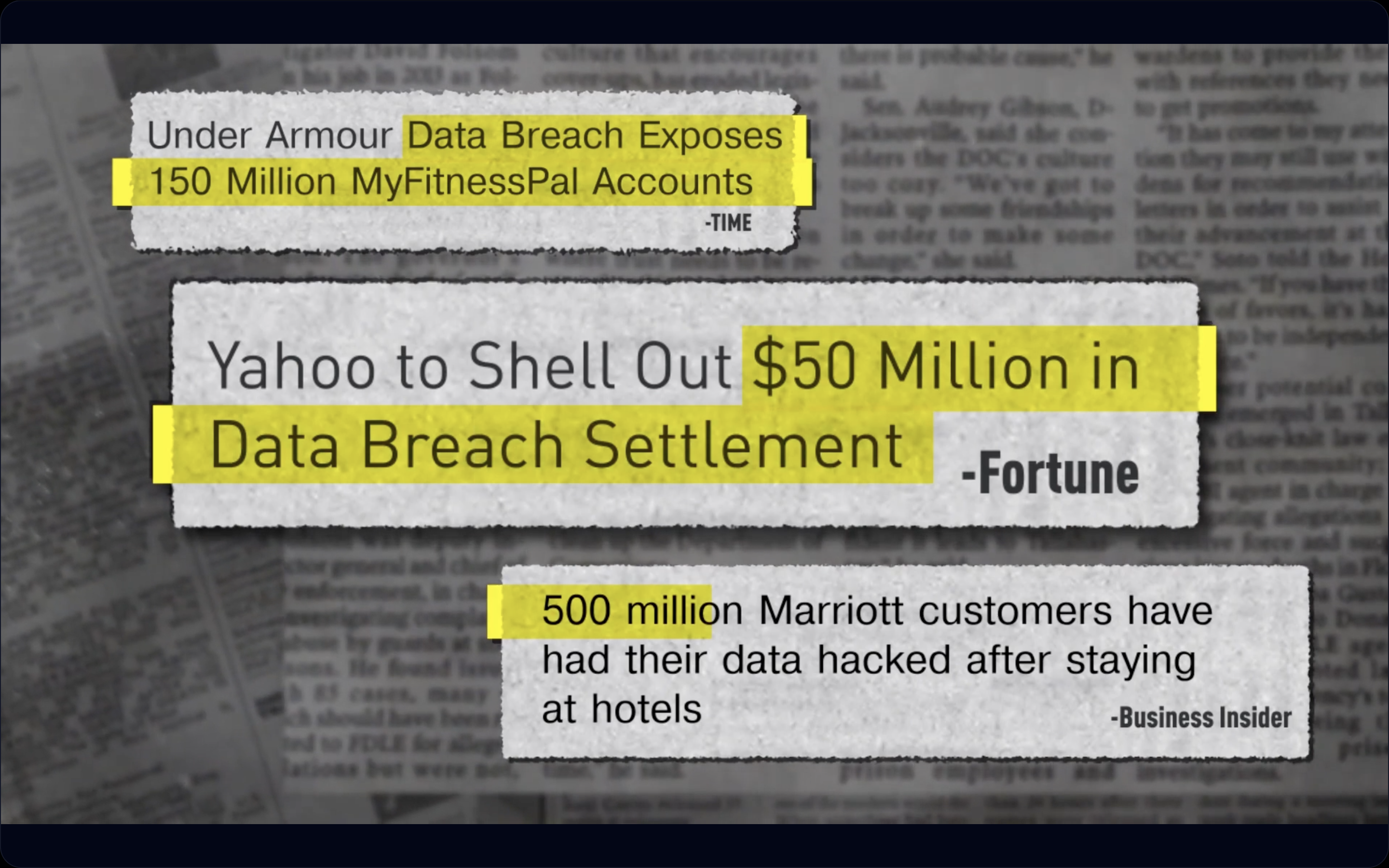
In today’s cybersecurity landscape, an invisible but critical threat is emerging from the progress of quantum computing. Adversaries are exploiting a tactic known as 'harvest now, decrypt later,' where they surreptitiously capture encrypted data now with the calculus that powerful quantum computers in the near future will be capable of breaking current encryption standards. TechRadar’s recent analysis underscores how this threat is not theoretical but already impacting enterprise security strategies, especially for organizations holding long-life data such as intellectual property, financial records, or strategic communications. These datasets, vulnerable to retroactive compromise, demand immediate attention beyond conventional cyber defenses.
Implications for Enterprise Cryptographic Readiness
The 'harvest now, decrypt later' threat elevates the urgency for enterprises to take proactive steps in cryptographic readiness. Effective defense requires a comprehensive understanding of where and how cryptography is deployed across the organization’s digital landscape. Without this visibility, long-lived data remains exposed to future decryption once quantum capabilities mature. The spotlight here is on early discovery and inventory of cryptographic assets, assessment of their quantum-vulnerability, and the development of a clear migration roadmap toward quantum-resistant algorithms. Enterprises that delay these foundational steps risk facing catastrophic data breaches, compliance failures, and erosion of trust when quantum-powered attacks finally materialize.
Key Enterprise Actions Against 'Harvest Now, Decrypt Later' Quantum Threat
| Action | Description | QuantumGenie Role |
|---|---|---|
| Cryptographic Asset Discovery | Locate all cryptographic usage—including certificates, code, applications, and infrastructure | CipherScan provides automated and comprehensive discovery across enterprise environments |
| Vulnerability Assessment | Evaluate quantum resistance and prioritize assets most at risk | Risk scoring assists prioritization aligned with business impact |
| Migration Planning | Develop a detailed roadmap to replace vulnerable cryptography with NIST-approved PQC standards | Orchestration via CipherNova supports workflow, pull requests, and verification |
| Compliance Preparation | Document and report cryptographic state and remediation for auditing requirements | CBOM generation and compliance dashboards streamline certification evidence |
How QuantumGenie Addresses the Challenge
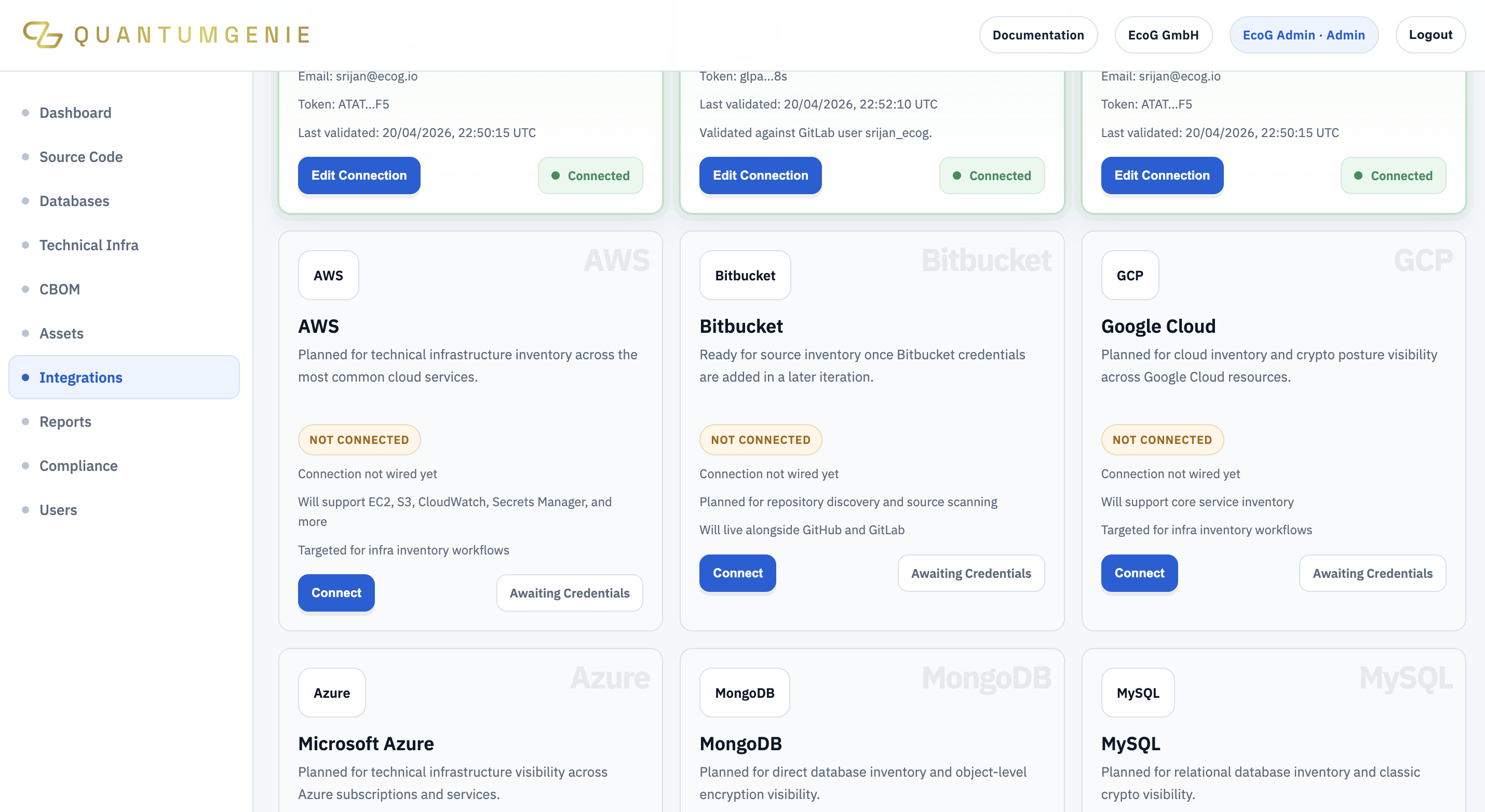
QuantumGenie is designed precisely for this emerging challenge. By providing deep discovery and inventory capabilities via its CipherScan layer, QuantumGenie uncovers cryptographic assets across websites, applications, source code, databases, and infrastructure—forming a robust cryptographic bill of materials (CBOM). This comprehensive visibility enables security teams to prioritize their remediation based on quantum threat risk and operational impact. With its CipherNova orchestration layer, QuantumGenie supports structured migration plans, change reviews, and policy enforcement critical for complex enterprise environments. In the context of the 'harvest now, decrypt later' risk, QuantumGenie empowers organizations to transition from reactive to proactive post-quantum cryptography readiness—securing sensitive, long-lived data before it becomes a victim of invisible quantum decryption campaigns.
Frequently Asked Questions
What is the 'harvest now, decrypt later' threat in quantum computing?
It is a tactic where attackers collect encrypted data today, banking on future quantum computers' ability to decrypt it, thereby compromising sensitive information retroactively.
How can enterprises start defending against future quantum decryption risks today?
Enterprises should conduct a comprehensive discovery of cryptographic assets, assess their quantum vulnerability, prioritize remediation, and plan migrations to quantum-safe algorithms—all proactive steps to mitigate risk before quantum attacks become feasible.
Watch The Quantum Threat
Sources And Further Reading
- Quantum Computing's Invisible Threat: The 'Harvest Now, Decrypt Later' Risk TechRadar · Jul 8, 2026
- Cybernonics' QuantumGuard: Post-Quantum Cryptography Platform Cybernonics · Jul 8, 2026