In This Article
What This Means
- The Imperative of Quantum-Safe Security for Enterprises
- Strategic Enterprise Migration: Challenges and Approaches
- How QuantumGenie Fits into Enterprise PQC Readiness and Migration
The Imperative of Quantum-Safe Security for Enterprises
The relentless progress of quantum computing has shifted post-quantum cryptography (PQC) from research labs into the boardroom. According to Cyber Technology Insights’ comprehensive 2026 PQC readiness report, organizational preparedness is no longer optional but essential. Quantum breakthroughs threaten to render current widely deployed asymmetric cryptography vulnerable, imperiling long-term confidentiality and data integrity. This report highlights global progress on standardizing quantum-resistant algorithms under NIST guidance and reveals a mounting urgency among enterprises to initiate PQC migration programmatic efforts. Yet, these efforts face considerable complexity driven by the sheer volume and diversity of cryptographic assets in enterprise environments, alongside integration and compliance challenges.
Strategic Enterprise Migration: Challenges and Approaches
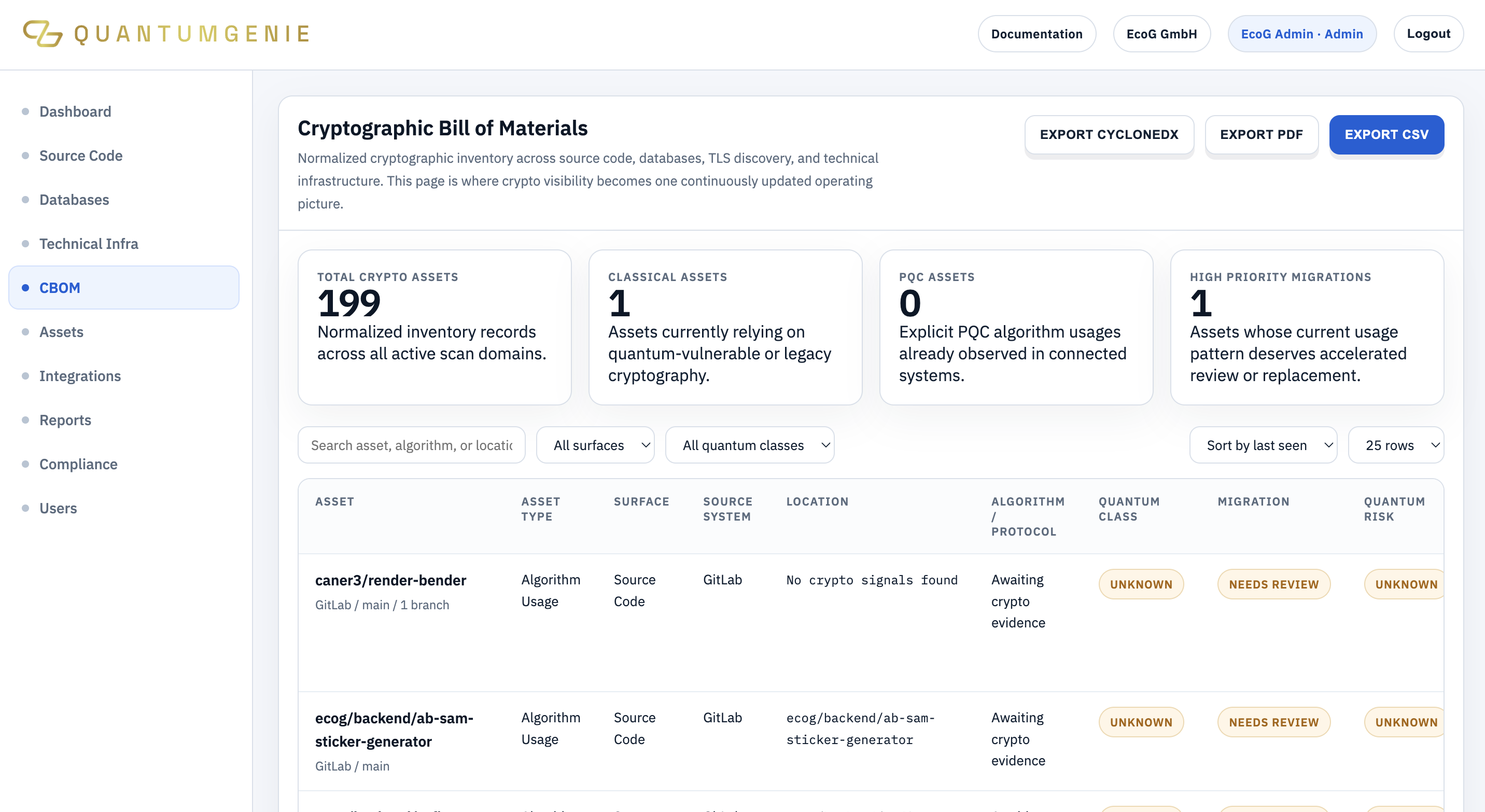
One critical insight from the report is the necessity of an inventory-first approach to migration. Enterprises must achieve exhaustive visibility over cryptographic usage spanning websites, certificates, source code, infrastructure, applications, and integrations. Without this cryptographic inventory and associated cryptographic bill of materials (CBOM), migration risk cannot be realistically assessed or prioritized. Building on this foundation, organizations face the pragmatic realities of gradually replacing vulnerable asymmetric algorithms with approved PQC alternatives. The report strongly advocates for embracing crypto-agility principles—where cryptographic components are designed to be rapidly replaceable—to counter the 'harvest now, decrypt later' data exposure threat that looms as adversaries collect encrypted data today to decrypt once quantum breakthroughs arrive. Supported by complementary insights from Open Security Architecture, prioritizing crypto-agility is a proven way to future-proof security in this evolving landscape. Further, academic perspectives on software-defined cryptography underscore the value of centralized cryptographic governance and automated policy enforcement to streamline migration workflows across complex IT environments.

Key Enterprise Considerations for Post-Quantum Cryptography Migration
| Consideration | Description | Enterprise Impact |
|---|---|---|
| Comprehensive Cryptographic Inventory | Discover all cryptography use across enterprise IT landscape | Critical baseline to assess exposure and prioritize actions |
| Crypto-Agility | Design systems for rapid cryptographic algorithm replacement | Mitigates risks of sudden vulnerabilities or algorithm deprecation |
| Migration Risk Prioritization | Focus resources on highest-impact cryptographic assets | Efficiently reduces exposure and operational disruption |
| Compliance Readiness | Align with emerging PQC regulations and standards | Ensures auditability and reduces legal risk |
How QuantumGenie Fits into Enterprise PQC Readiness and Migration
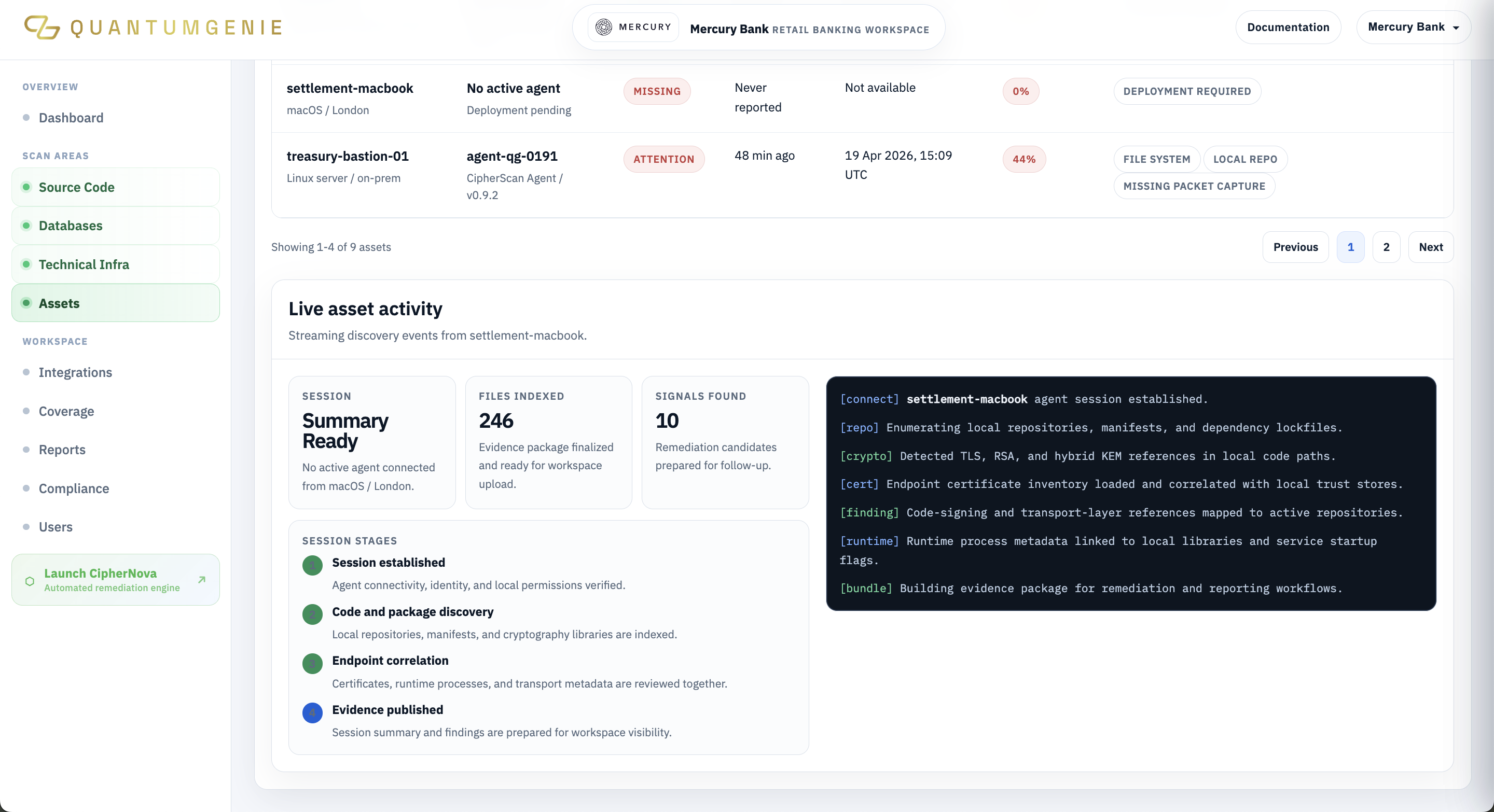
QuantumGenie directly addresses the multifaceted challenges highlighted in the PQC readiness report by offering a platform designed for practical and scalable cryptographic discovery and remediation orchestration. Its CipherScan capability uncovers cryptographic assets across diversified enterprise domains, enabling the generation of accurate cryptographic inventories and CBOMs. Built with crypto-agility principles in mind, QuantumGenie empowers teams to prioritize migration risk based on real exposure and operational context. The CipherNova layer supports coordinated remediation through workflow automation, change reviews, and verification checks, thereby reducing manual overhead and error risks. This tight coupling of discovery, prioritization, and orchestrated migration aligns perfectly with industry recommendations to methodically manage post-quantum transitions, ensuring enterprises remain resilient against the quantum threat while maintaining compliance and operational continuity.
Frequently Asked Questions
Why must enterprises begin post-quantum cryptography migration now?
Because encrypted data captured today can be stored and decrypted later by attackers using future quantum computers (the 'harvest now, decrypt later' threat), early migration ensures long-term data protection and regulatory compliance.
What role does cryptographic inventory play in PQC migration?
A detailed cryptographic inventory reveals all locations where vulnerable algorithms are used, enabling risk prioritization, informed planning, and effective execution of migration efforts, reducing missed exposure and operational risks.
Watch The Quantum Threat
Sources And Further Reading
- Post-Quantum Cryptography: Enterprise Guide to Quantum-Safe Security Cyber Technology Insights · May 14, 2026
- Post-Quantum Cryptography and Quantum Readiness Open Security Architecture · Feb 1, 2026
- Software-Defined Cryptography: A Design Feature of Cryptographic Agility arXiv · Apr 2, 2024