In This Article
What This Means
- Why Post-Quantum Cryptography Readiness Is No Longer Optional
- Bridging Continuous Change with Cryptographic Inventory
- How QuantumGenie Fits the Enterprise Post-Quantum Challenge
Why Post-Quantum Cryptography Readiness Is No Longer Optional
The accelerating progress in quantum computing technology now poses a tangible threat to traditional cryptographic algorithms. With the National Institute of Standards and Technology (NIST) having finalized multiple post-quantum cryptographic standards, enterprises face an imperative to assess and upgrade their cryptographic assets proactively. According to the recent extensive report from Cyber Technology Insights, understanding these NIST-approved algorithms and how they integrate into existing infrastructure is crucial for maintaining long-term security and compliance.
Failure to act on this cannot be overstated: encrypted data protected today by legacy algorithms is vulnerable to potential retroactive decryption once quantum computers mature, undermining decades of confidential information. Enterprises must thus initiate discovery of cryptographic exposure, inventory their assets, and logically prioritize remediation efforts to align with recognized PQC standards before mandates and attackers catch up.
Bridging Continuous Change with Cryptographic Inventory
The landscape of cryptographic algorithms will not remain static; enterprises can expect ongoing updates and refinements as PQC standards evolve alongside emerging threats. The recent innovations in continuous cryptographic change management, exemplified by architectures enabling algorithm rollouts via agent deployments, showcase the need for agility in crypto governance. However, these futuristic workflows require a robust understanding of existing cryptographic posture as a foundation.
This prerequisite means organizations must first cultivate a detailed, automated cryptographic inventory covering not only certificates and keys but also cryptography embedded in source code, applications, infrastructures, and integrations. Without this level of visibility and categorization, attempts at seamless algorithmic updates risk overlooking vulnerable or non-compliant endpoints, hampering security and creating operational risk.

Key Enterprise Considerations for Post-Quantum Cryptography Readiness
| Consideration | Description | Enterprise Implication |
|---|---|---|
| Cryptographic Inventory | Complete visibility across certificates, keys, code, integrations | Enables accurate risk assessment and migration planning |
| Standards Compliance | Aligning with NIST-approved PQC algorithms and timelines | Ensures regulatory and industry security alignment |
| Continuous Change | Ability to update algorithms seamlessly over time | Reduces operational risk and adapts to evolving threats |
| Risk Prioritization | Identifying highest exposure assets for remediation | Optimizes resource allocation and security impact |
How QuantumGenie Fits the Enterprise Post-Quantum Challenge
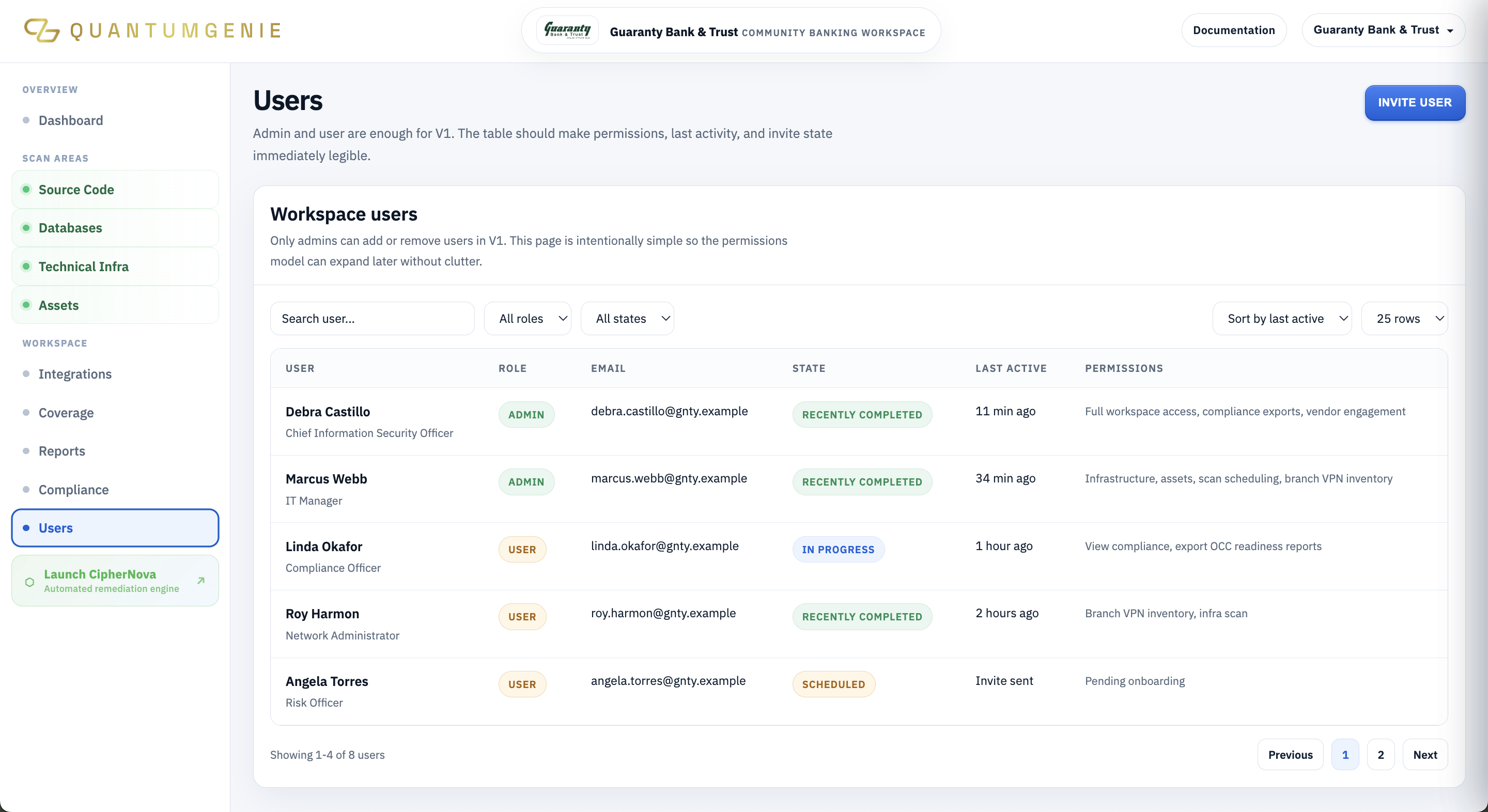
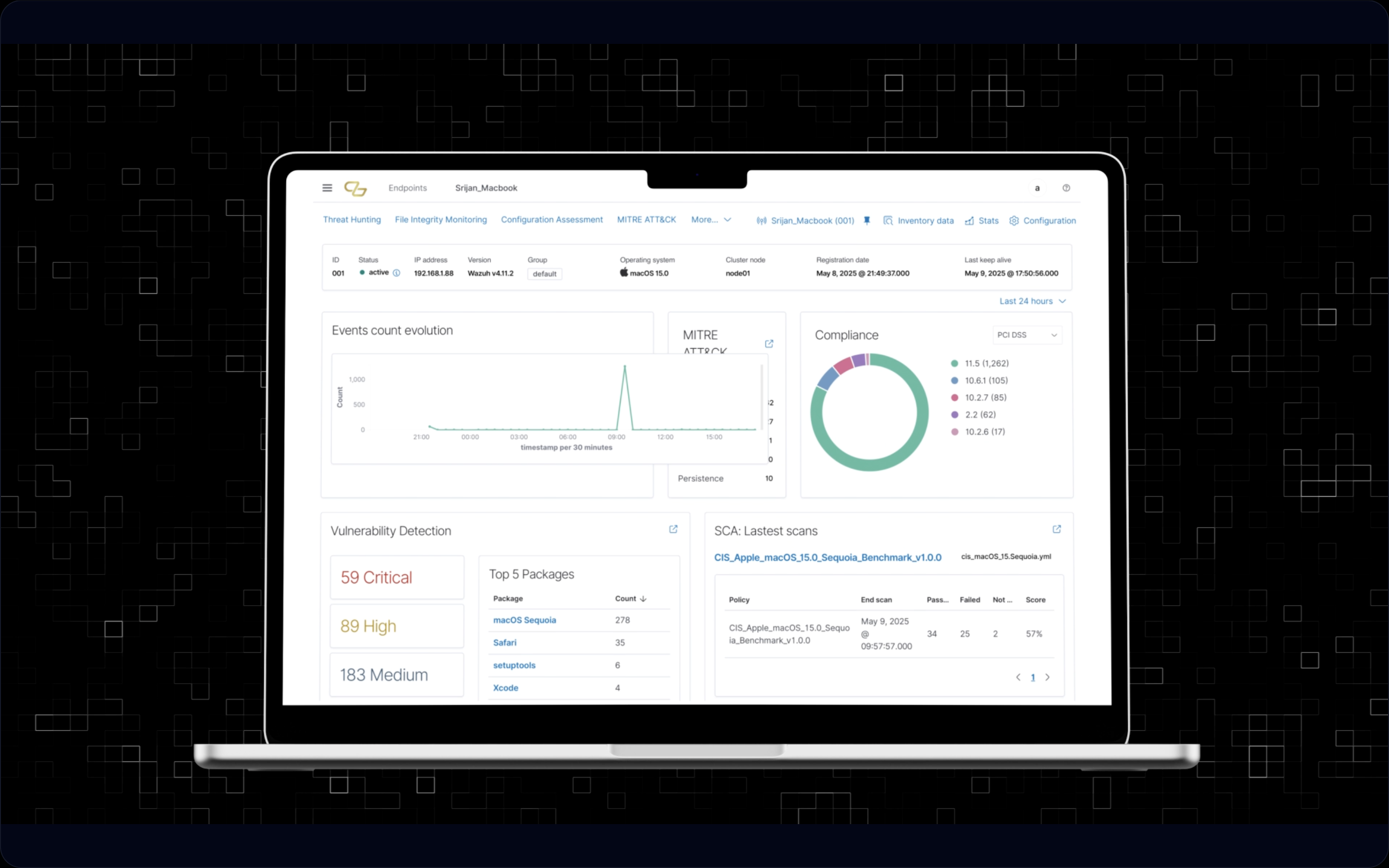
QuantumGenie’s CipherScan platform directly addresses the foundational need for comprehensive cryptographic discovery and inventory essential to effective PQC migration strategies. By automating the identification of cryptographic instances from websites and certificates down to source code and integrations, CipherScan helps security and IT teams build a crypto bill of materials (CBOM) and assess risk exposure at scale.
This comprehensive visibility enables informed prioritization for migration and remediation plans compliant with PQC standards, reducing uncertainty and manual effort. Additionally, QuantumGenie’s workflow capabilities streamline approvals, verification, and governance — critical for operationalizing change while adhering to emerging regulatory mandates. In a rapidly evolving cryptographic landscape, QuantumGenie empowers enterprises to build agility from the ground up, ensuring PQC readiness is practical, measurable, and controlled.
Frequently Asked Questions
Why is automating cryptographic inventory critical for PQC readiness?
Automated cryptographic inventory provides comprehensive and up-to-date visibility into all cryptographic assets, helping organizations assess vulnerabilities and plan effective, prioritized migration to post-quantum algorithms before attackers exploit legacy cryptography.
How does building a cryptographic bill of materials (CBOM) aid enterprises?
A CBOM catalogs all cryptographic components within an enterprise’s environment, enabling systematic risk management, compliance verification, and guided remediation, which are essential to meeting evolving PQC standards and operational governance.
Watch The Quantum Threat
Sources And Further Reading
- Post-Quantum Cryptography: Enterprise Guide to Quantum-Safe Security Cyber Technology Insights · Jun 29, 2026
- PKWARE Re-Engineers Key Management for Continuous Cryptographic Change PKWARE · Jun 1, 2026