In This Article
What This Means
- The 2026 Cryptographic Inventory Requirement: A Regulatory Wake-Up Call
- Strategic Implications for Enterprise PQC Migration
- How QuantumGenie Facilitates Compliance and Migration Readiness
The 2026 Cryptographic Inventory Requirement: A Regulatory Wake-Up Call
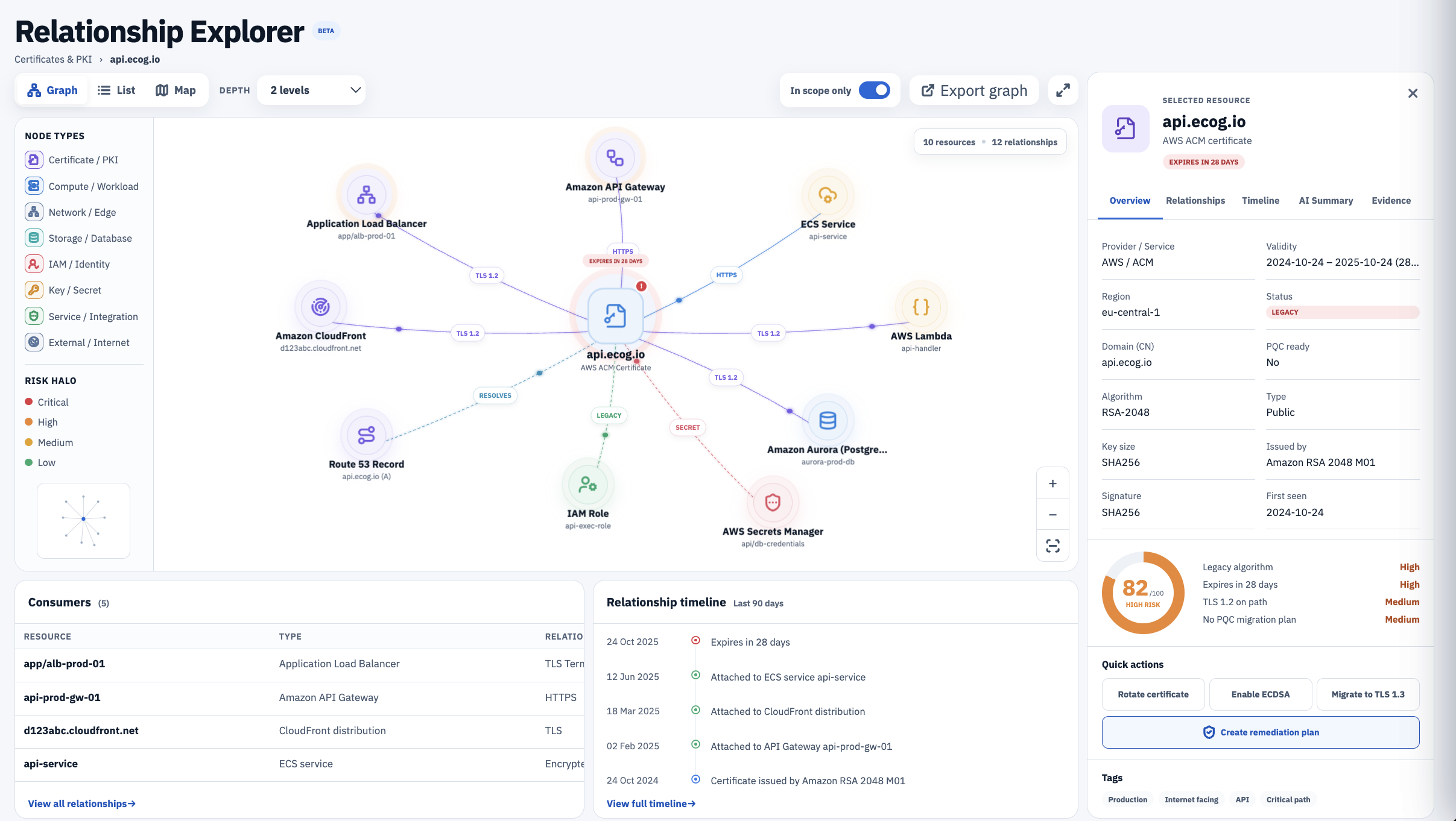
The European Union has set a firm deadline for enterprises to produce a comprehensive cryptographic inventory by the end of 2026. This mandate is a landmark regulatory driver, forcing organizations to identify and catalog every use of cryptography within their environments—from websites and certificates to source code and databases. Without such visibility, enterprises cannot hope to meet the rapidly approaching challenges posed by quantum computing's ability to break classical encryption.
This inventory requirement is aligned with parallel initiatives in the United States and the United Kingdom, signaling a global push toward structured cryptographic asset management. Companies ignoring this early step risk noncompliance and exposing themselves to heightened security vulnerability as they enter the post-quantum cryptography (PQC) era.
Strategic Implications for Enterprise PQC Migration
Having a detailed cryptographic inventory is foundational not just for compliance, but for responsible PQC migration. It allows enterprises to understand their cryptographic exposure, build a cryptographic bill of materials (CBOM), and prioritize risk areas where urgent remediation or crypto-agility measures must be deployed.
Supporting this approach, recent analyses emphasize the urgency imposed by threats like 'harvest now, decrypt later.' Enterprises must also consider finalized standards from bodies like NIST and corresponding deadlines from agencies such as the NSA. A comprehensive inventory facilitates programmatic migration, enabling enterprises to balance security, operational continuity, and compliance prudently.
Comparison of Cryptographic Inventory Requirements Across Regions
| Region | Mandate Deadline | Scope Requirements |
|---|---|---|
| European Union | End of 2026 | Comprehensive cryptographic asset inventory across IT estate |
| United States | Ongoing phased requirements through 2027 | Gradual inventory documentation linked to NIST PQC standards |
| United Kingdom | Targeted deadlines 2026-2027 | Inventory emphasis on critical infrastructure and government systems |
How QuantumGenie Facilitates Compliance and Migration Readiness
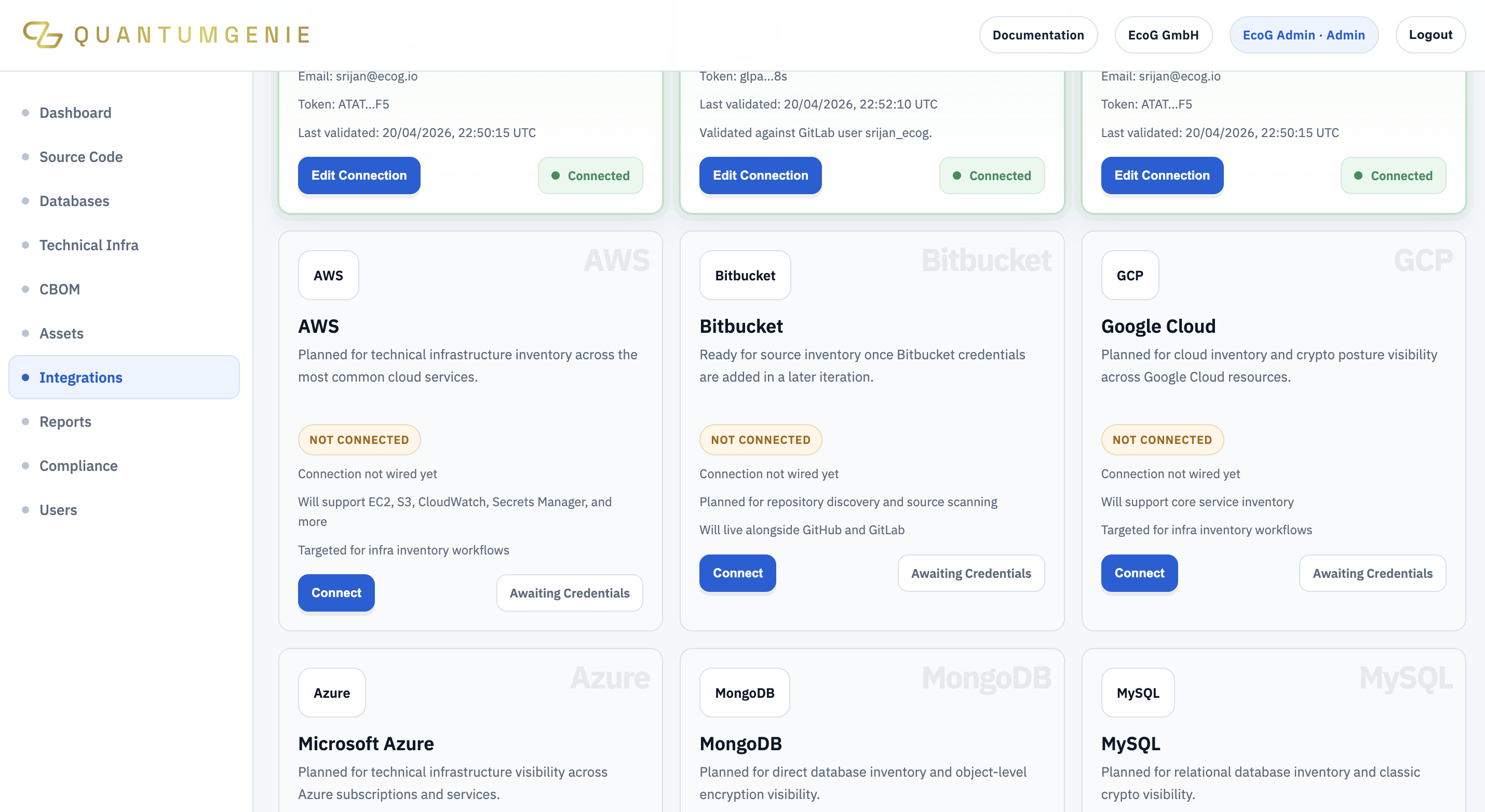
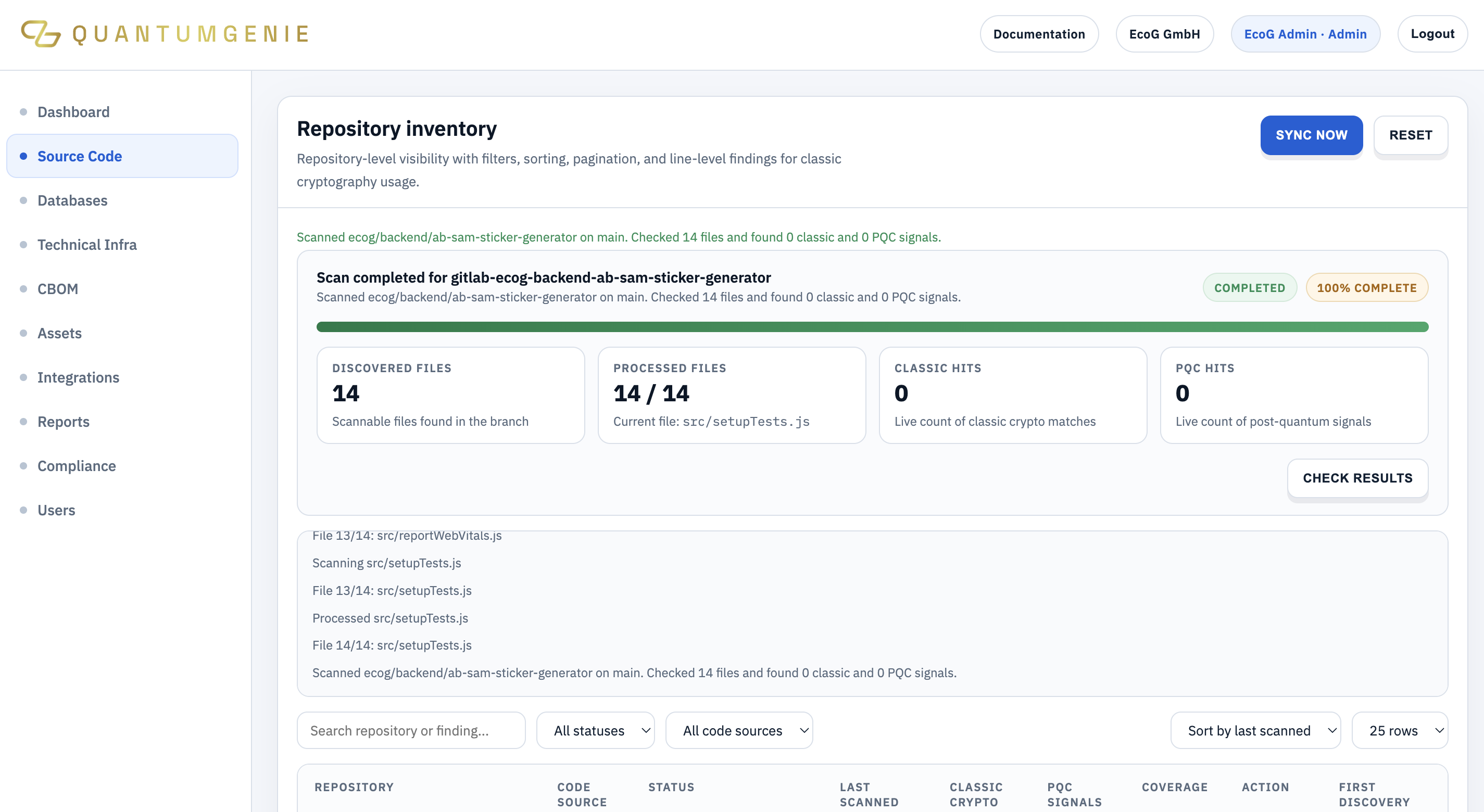
QuantumGenie's CipherScan product provides an automated, scalable solution for discovering cryptographic assets across diverse enterprise infrastructure and software stacks. This capability directly addresses the inventory mandate, enabling organizations to produce a complete, continuously updated cryptographic inventory and CBOM essential for compliance audits.
Beyond discovery, QuantumGenie supports risk prioritization and workflow orchestration around remediation plans and migration tasks. By integrating inventory with policy controls and verification checkpoints, QuantumGenie empowers CISOs and security teams to build pragmatic PQC readiness programs that meet both regulatory requirements and real-world operational complexities.
Frequently Asked Questions
Why is a cryptographic inventory critical for PQC migration?
A cryptographic inventory identifies all cryptographic instances across an enterprise, enabling accurate risk assessment, prioritization, and planning necessary for a smooth transition to post-quantum cryptography.
How does QuantumGenie help enterprises meet regulatory cryptographic inventory demands?
QuantumGenie automates discovery across diverse assets, continuously updates inventories, and supports governance workflows, making it easier for enterprises to comply with regulations and manage PQC migration efficiently.
Watch The Quantum Threat
Sources And Further Reading
- Post-Quantum Cryptography and the 2026 Cryptographic Inventory Requirement Zynap · Jul 9, 2026
- Post-Quantum Cryptography: Enterprises Must Shift Encryption Now Security Today · Apr 5, 2026
- Post-Quantum Cryptography Migration: 2026 Roadmap LayerLogix · Jun 12, 2026