In This Article
What This Means
- Bridging Foundational Knowledge and Enterprise Implementation
- Navigating Real-World Enterprise Migration Roadmaps
- How QuantumGenie Supports Practical PQC Migration and Governance
Bridging Foundational Knowledge and Enterprise Implementation
A sweeping survey recently published on arXiv lays out the state of post-quantum cryptography (PQC) from theory through deployment. For enterprise security leaders, this thorough analysis highlights the complex landscape of PQC algorithm families, their security assumptions, cryptanalytic scrutiny, and emerging standards. It underscores that while cryptography advances are crucial, enterprises face equally daunting challenges in integrating these algorithms into existing architectures reliably and securely.
Enterprises must absorb the nuanced trade-offs between algorithm strengths, implementation constraints, and operational impacts. The survey also points to real-world deployment hurdles in constrained and high-assurance environments, a direct signal that PQC readiness is not merely about adopting new algorithms but mastering practical integration and agility.
Navigating Real-World Enterprise Migration Roadmaps
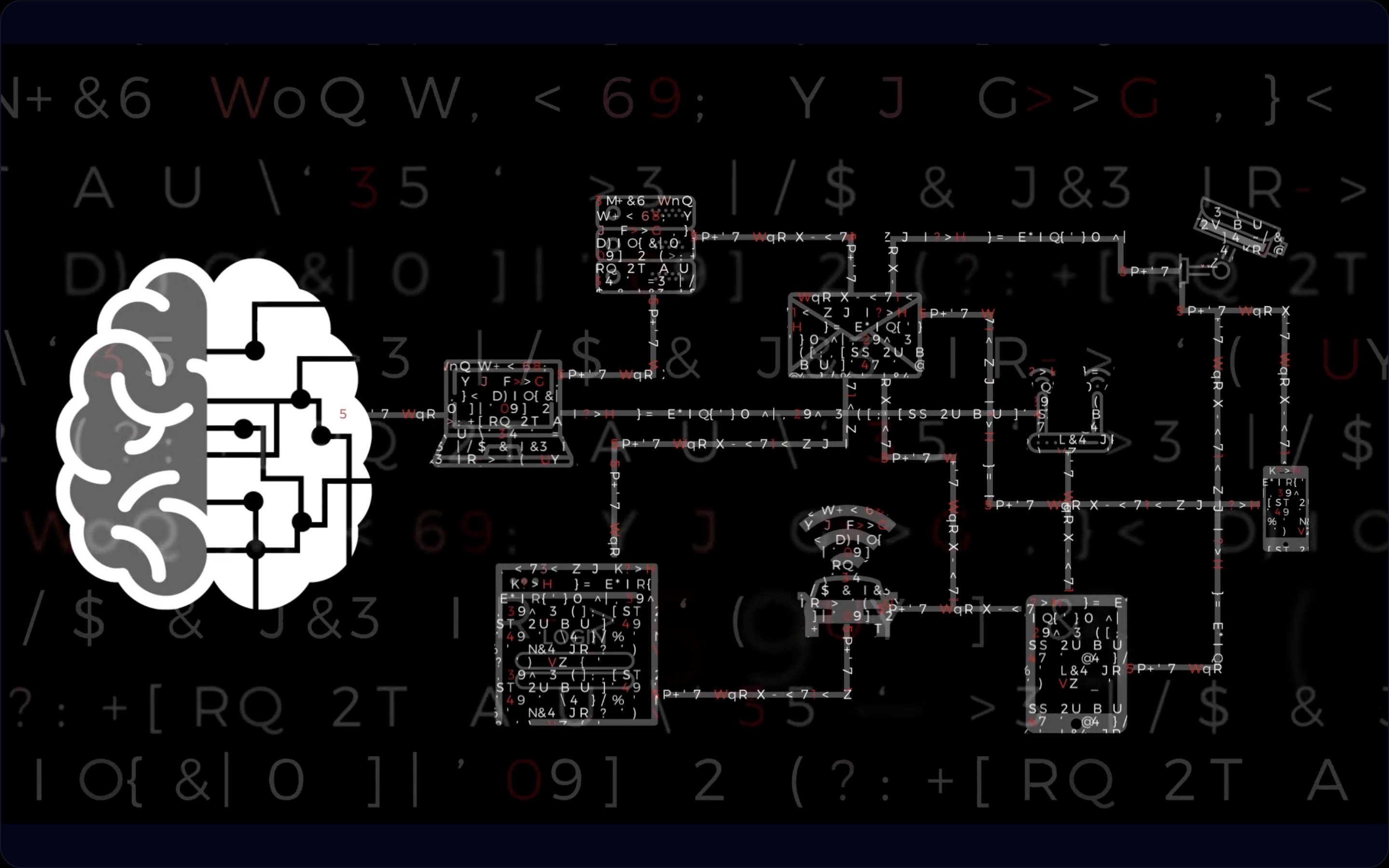
Complementing this foundational insight, recent industry guidance underlines the critical urgency of migration due to the 'harvest-now-decrypt-later' threat model. Enterprises collecting encrypted data today may see it decrypted once quantum computers mature, exposing sensitive information retroactively. This risk demands a clear, phased roadmap that balances discovery, prioritization, and gradual remediation.
Meanwhile, the rise of quantum terminology in threat actor toolkits—such as ransomware gangs exploiting 'post-quantum' hype for intimidation—adds another layer of complexity. While the underlying malware remains classical, the narrative shift reminds enterprises that the cryptographic arms race influences not just future-proofing but also current threat perceptions. This context compels security teams to build visibility into cryptographic dependencies and be agile enough to respond rapidly to evolving threat landscapes.
Post-Quantum Cryptography Implementation Considerations
| Aspect | Key Enterprise Challenge | Enterprise Implication |
|---|---|---|
| Algorithm Families and Security Assumptions | Understanding strengths and weaknesses across lattice, code-based, multivariate, and other PQC algorithms | Informs selection and phased rollout strategies aligned with specific risk profiles |
| Implementation Challenges | Hardware and software constraints, performance impacts, and integration complexities | Necessitates thorough testing and compatibility evaluations prior to wide deployment |
| Migration Roadmaps | Phased transition balancing discovery, risk prioritization, and remediation | Requires scalable management platforms for inventory and change orchestration |
| Compliance and Standards | Adhering to finalized NIST and related standards for post-quantum algorithms | Mandates structured documentation and audit trails for certification readiness |
How QuantumGenie Supports Practical PQC Migration and Governance
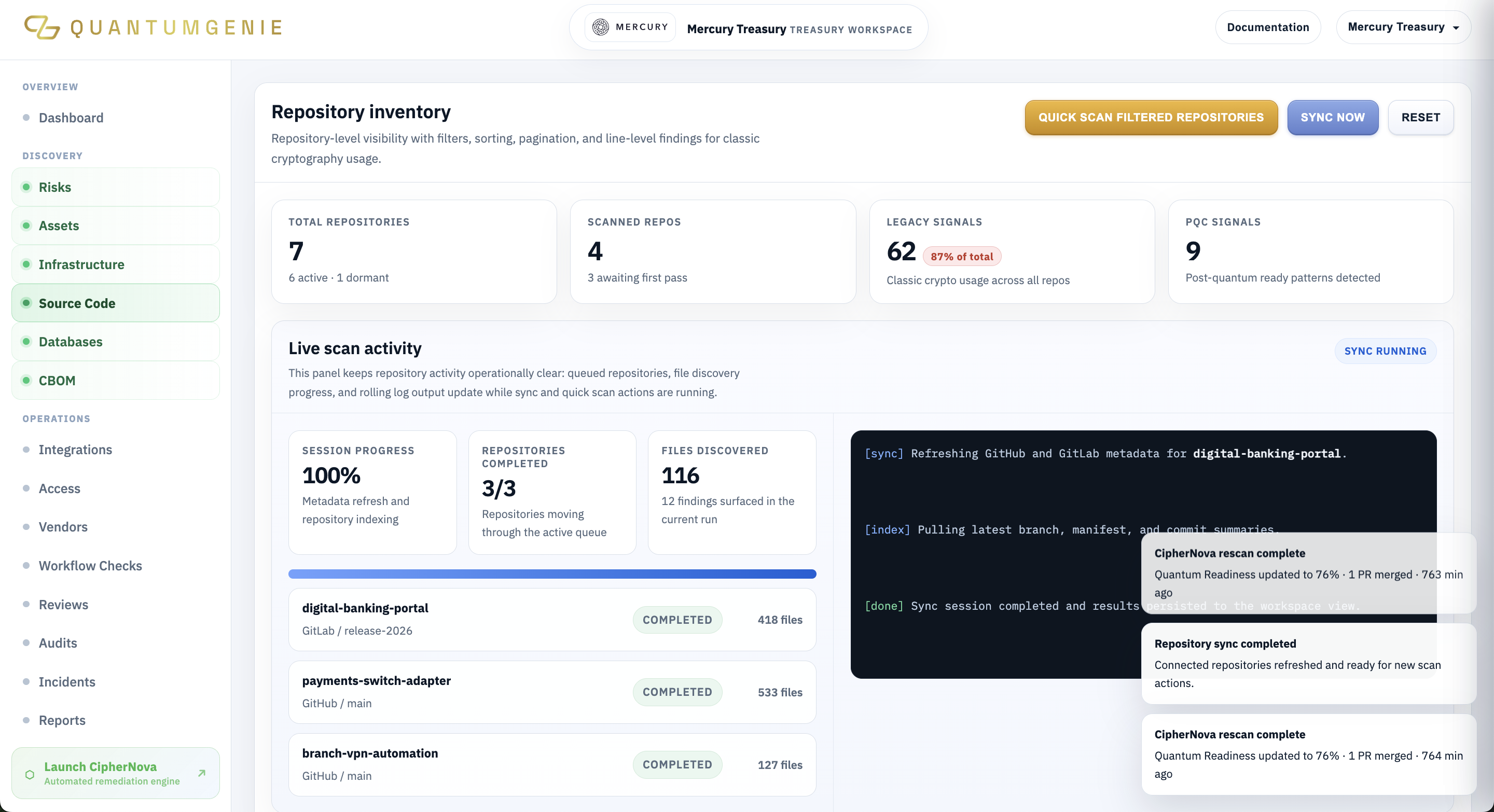
QuantumGenie directly addresses the operational challenges revealed through this survey and emerging migration roadmaps. By providing deep cryptographic discovery across websites, certificates, source code, infrastructure, and applications, it enables enterprises to build an accurate cryptographic inventory and Software Bill of Materials (CBOM).
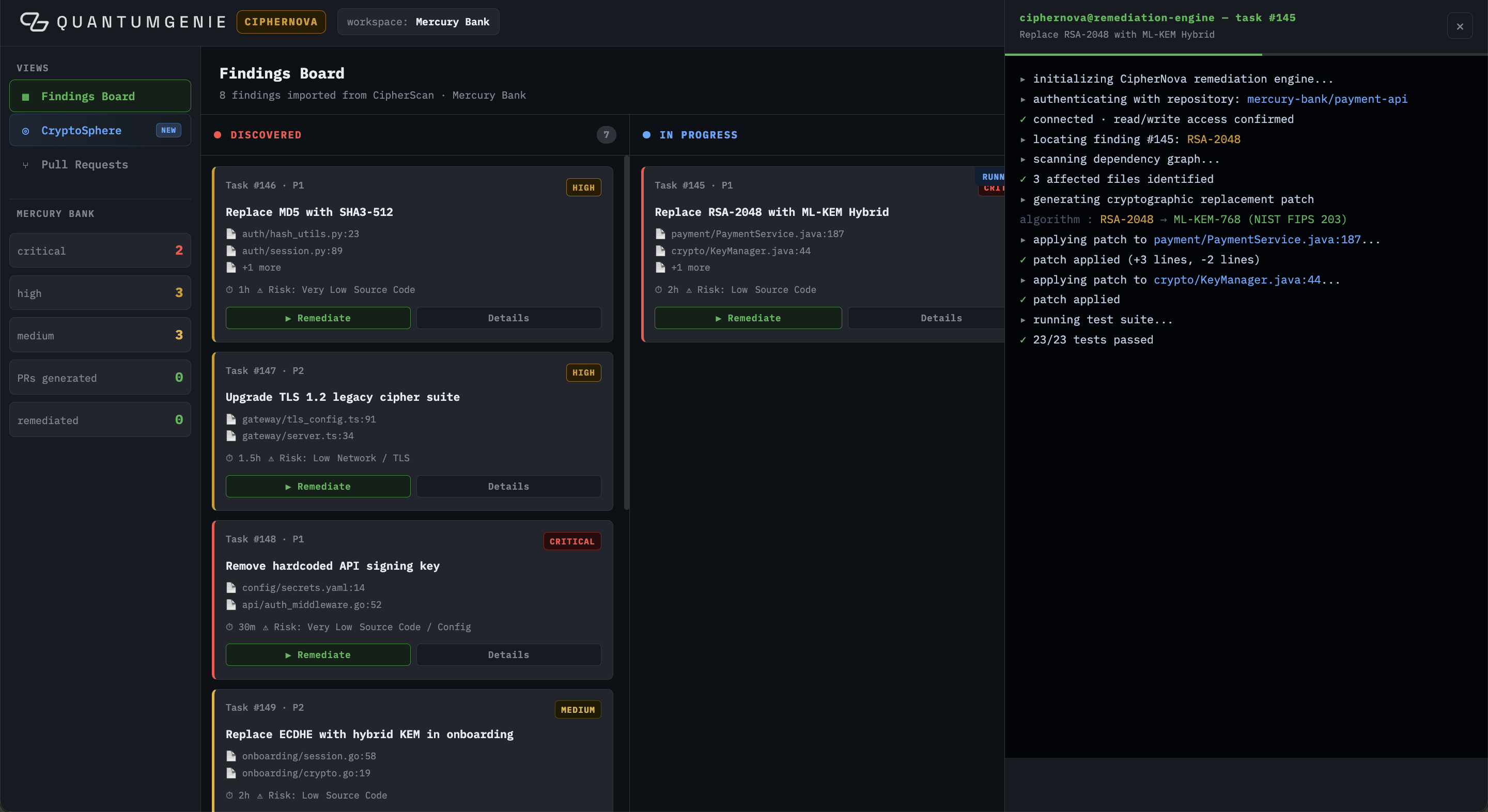
This visibility is fundamental for identifying where vulnerabilities exist and for quantifying migration risk. QuantumGenie’s workflows facilitate plan creation, risk-based prioritization, compliance readiness proof points, and orchestration of remediation efforts with policy enforcement. This integrated approach is vital for enterprises eagerly transforming theoretical PQC readiness into measurable, manageable migration programs ahead of the quantum computing timeline.
Frequently Asked Questions
Why should enterprises prioritize building a cryptographic inventory before migrating?
A cryptographic inventory reveals all instances of vulnerable algorithms across systems, enabling organizations to assess exposure, prioritize high-risk assets, and plan migration with better precision, reducing costly errors and gaps.
How does the 'harvest-now-decrypt-later' threat model impact urgency for migration?
Since adversaries can collect encrypted data now to decrypt later with quantum capabilities, enterprises risk exposure of past sensitive information if they delay migrating, making early action critical for long-term data confidentiality.
Watch The Quantum Threat
Sources And Further Reading
- Post-Quantum Cryptography and Quantum-Safe Security: A Comprehensive Survey arXiv · Oct 12, 2025
- Post-Quantum Cryptography Migration: 2026 Roadmap for Enterprises and Their MSPs LayerLogix · Jun 12, 2026
- Ransomware Groups Exploit 'Post-Quantum' Hype to Intimidate Victims TechSpot · Apr 24, 2026