In This Article
What This Means
- Understanding the Practical Landscape of Post-Quantum Cryptography
- From Theory to Enterprise Migration Strategy
- How QuantumGenie Aligns with Enterprise PQC Needs
Understanding the Practical Landscape of Post-Quantum Cryptography
As the quantum computing horizon approaches, enterprises face pressing demands to transition to quantum-safe security solutions. The comprehensive survey published on arXiv in late 2025 encapsulates the evolution of post-quantum cryptography (PQC) from its mathematical foundations to practical deployment nuances. Enterprises can no longer treat PQC as theoretical; it requires a grounded approach encompassing taxonomy understanding, performance tradeoffs, and compatibility challenges.
Recognizing that PQC algorithms differ in computational overhead and security assurances is pivotal for implementation teams. This research highlights that thoughtful selection, beyond merely opting for NIST-approved algorithms, is essential to balance security with operational feasibility. Deployment hurdles such as key size increase and integration into existing protocols must be addressed early to avoid costly setbacks.
From Theory to Enterprise Migration Strategy
Supporting this foundational understanding, the Cyber Technology Insights report released in mid-2026 details how enterprises are adopting NIST-approved PQC standards and outlines best practices for organizational readiness. These include building comprehensive cryptographic inventories, assessing risk exposure, and establishing migration roadmaps well ahead of mandated timelines.
Moreover, concepts like software-defined cryptography, as introduced in an earlier arXiv publication, emphasize centralized control and policy automation, facilitating cryptographic agility — a must-have for the iterative post-quantum migration process. Enterprises benefit from tools and platforms enabling governance over cryptographic assets and the automation of enforcement, forming a resilient posture against emergent quantum threats.

Comparison of PQC Deployment Considerations
| Aspect | Considerations Highlighted in Survey | Enterprise Implication |
|---|---|---|
| Algorithm Performance | Variations in computational cost and key/ciphertext sizes | Choose PQC algorithms balancing security and operational efficiency |
| Integration Challenges | Compatibility with existing protocols and hardware constraints | Early testing to avoid deployment friction |
| Cryptographic Agility | Necessity for flexible policy-driven cryptography management | Implement centralized governance mechanisms |
| Migration Planning | Incremental migration with risk prioritization | Build comprehensive cryptographic inventories before remediation |
How QuantumGenie Aligns with Enterprise PQC Needs
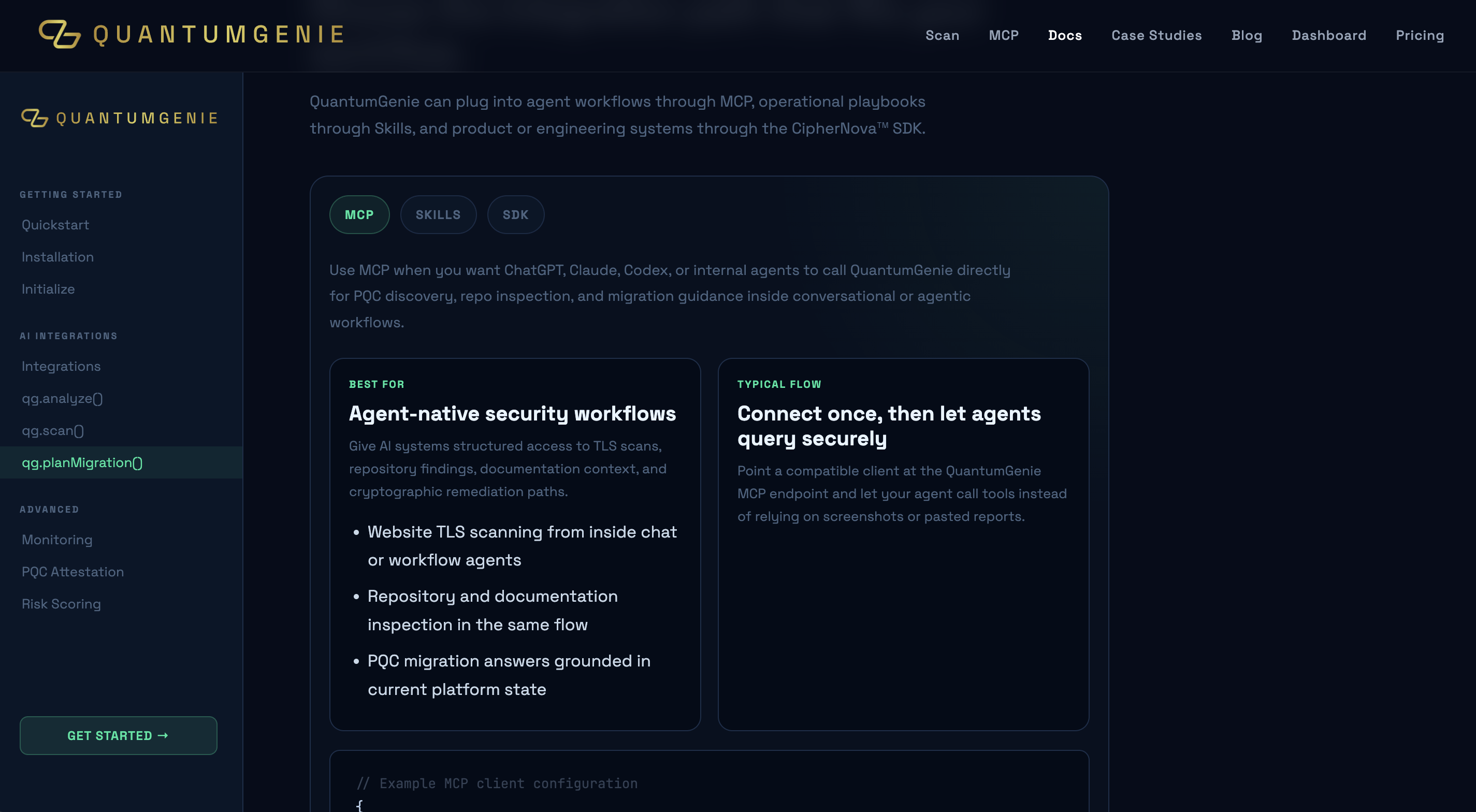
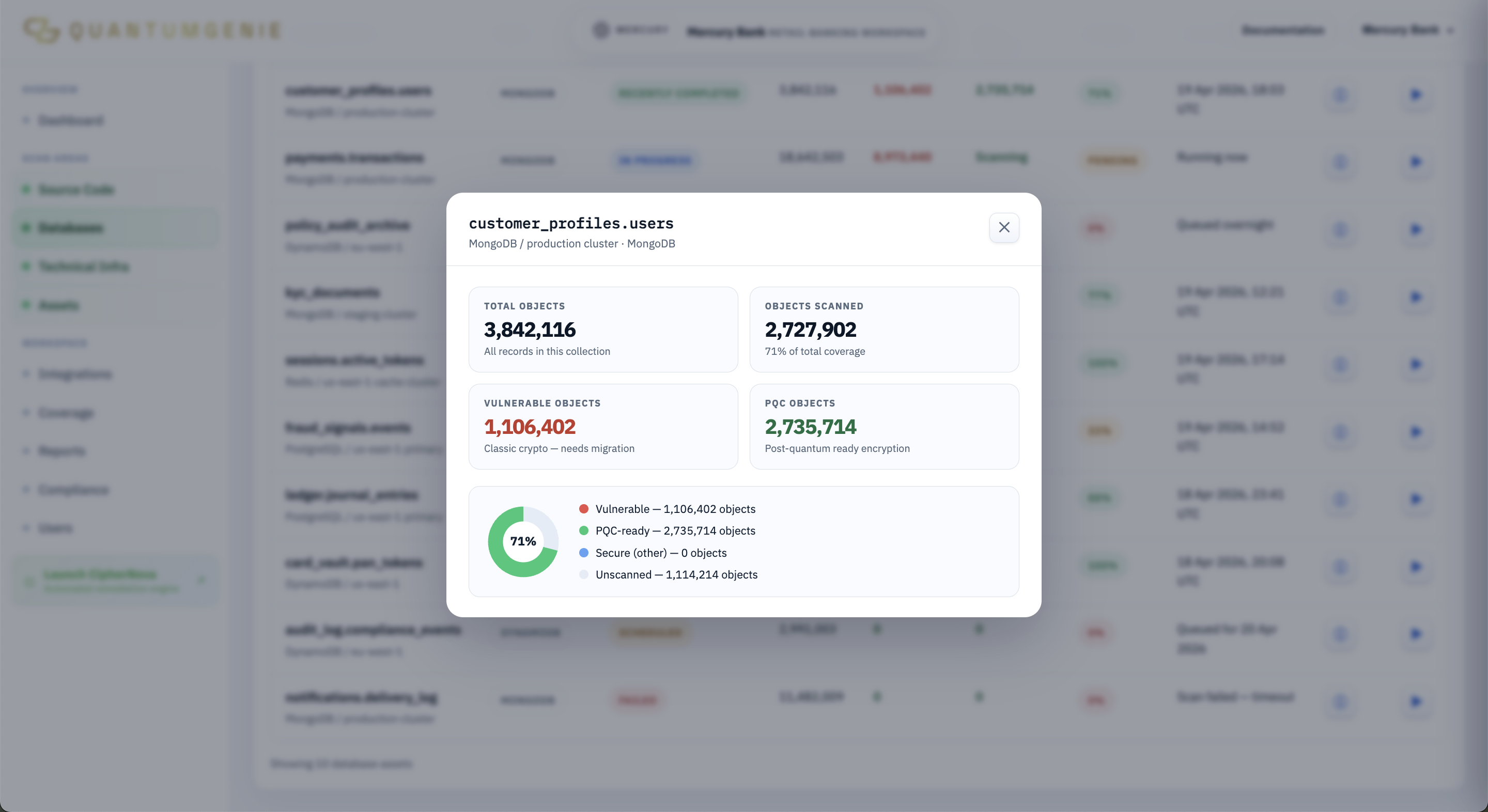
QuantumGenie helps enterprises bridge the gap between PQC theory and practice by automating cryptographic discovery and inventory creation—an imperative first step before initiating any migration or remediation activities. Equipped with CipherScan, organizations gain granular visibility into cryptographic exposures spanning codebases, infrastructure, and integrations, enabling prioritized risk evaluation and migration planning.
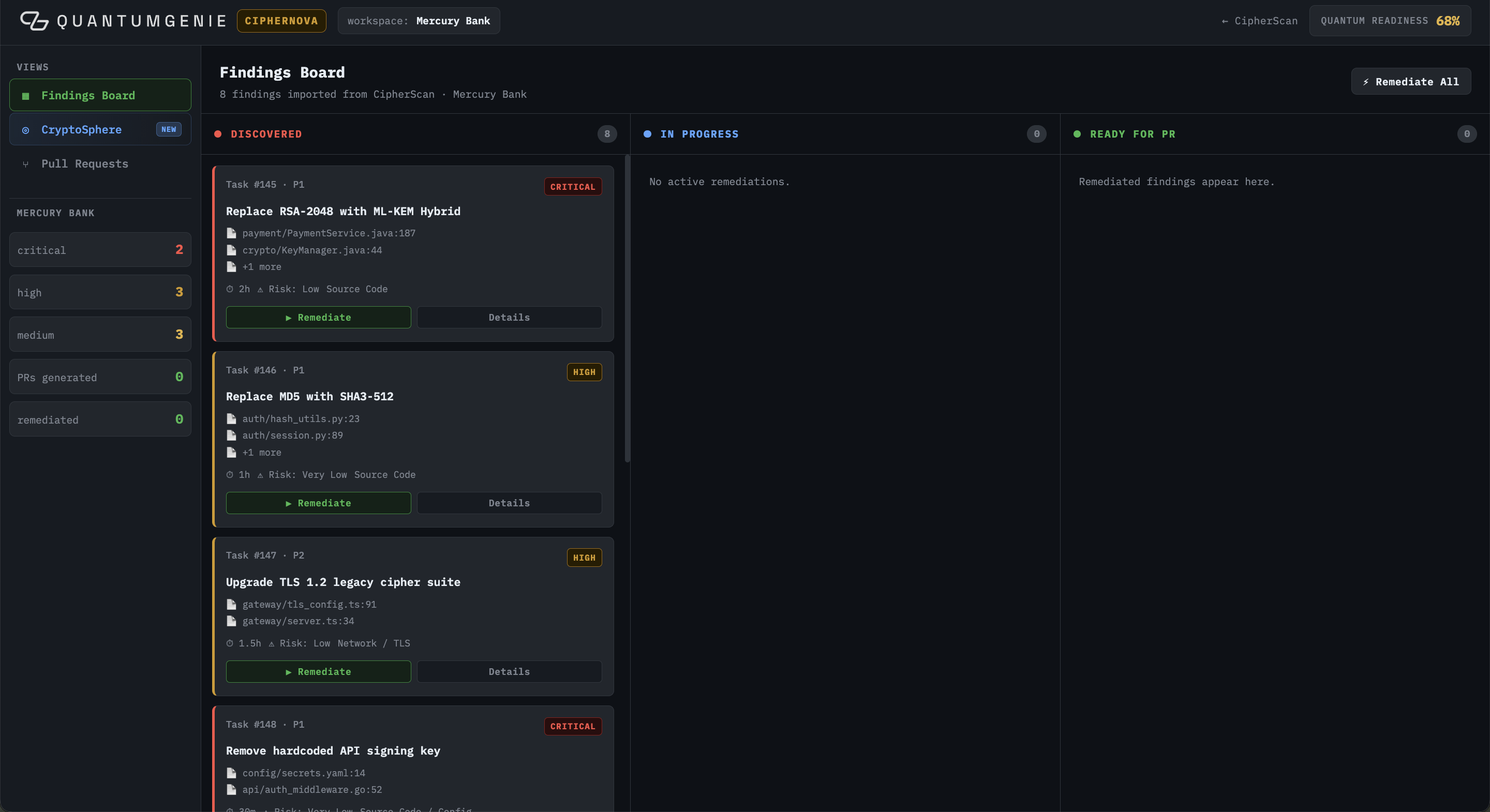
Further, CipherNova supports the operationalization of remediation workflows, from automated pull requests to compliance evidence generation. This combined approach aligns precisely with recommendations from leading PQC research: visibility first, then agile governance and iterative migration. QuantumGenie, therefore, stands as a critical infrastructure layer supporting enterprise quantum-safe security maturation and readiness.
Frequently Asked Questions
Why is cryptographic inventory essential before PQC migration?
A cryptographic inventory identifies all points where cryptography is used, allowing enterprises to assess exposure and prioritize migration risk effectively. Without this visibility, transitioning to PQC can lead to missed assets and security gaps.
How does cryptographic agility aid in post-quantum readiness?
Cryptographic agility enables enterprises to rapidly switch cryptographic algorithms and policies without major disruption, supporting iterative deployment and swift response to emerging quantum threats or future standards updates.
Watch The Quantum Threat
Sources And Further Reading
- Post-Quantum Cryptography and Quantum-Safe Security: A Comprehensive Survey arXiv · Oct 12, 2025
- Post-Quantum Cryptography: Enterprise Guide to Quantum-Safe Security Cyber Technology Insights · May 14, 2026
- Software-Defined Cryptography: A Design Feature of Cryptographic Agility arXiv · Apr 2, 2024