In This Article
What This Means
- The Emerging Reality of Continuous Cryptographic Change
- Implications for Enterprise Cryptography Migration Strategies
- How QuantumGenie Fits the Continuous Change Paradigm
The Emerging Reality of Continuous Cryptographic Change
In a groundbreaking approach to post-quantum security, recent developments showcase a shift from the traditional multi-quarter, bulk migration model to a continuous cryptographic change paradigm. The announcement by PKWARE about a post-quantum key management architecture utilizing agent-based deployment highlights this evolution. Instead of planning discrete, infrequent migration waves, enterprises can now update cryptographic algorithms dynamically, responding in near real-time to emerging vulnerabilities and standards.
This continuous update model addresses a fundamental challenge that many enterprises face: the quantum threat is not a distant single event but a progressing risk requiring adaptable and scalable cryptographic management. Firms can no longer afford static, rigid migration programs that quickly become outdated or insufficient as cryptographic standards and threats evolve.
Implications for Enterprise Cryptography Migration Strategies
Transitioning to continuous cryptographic change calls for a robust framework to inventory cryptographic assets, assess risk, and orchestrate updates seamlessly. The concept of cryptographic agility gains new urgency—enterprises must maintain governance that supports ongoing adaptation, not just one-time migrations.
Supporting research into software-defined cryptography emphasizes the need for centralized policy enforcement and automated controls, enabling enterprises to manage continuous updates without introducing operational chaos or security gaps. Similarly, studies tracking post-quantum adoption rates reveal complex migration pathways, reinforcing the necessity for visibility and structured prioritization to navigate this complexity effectively.
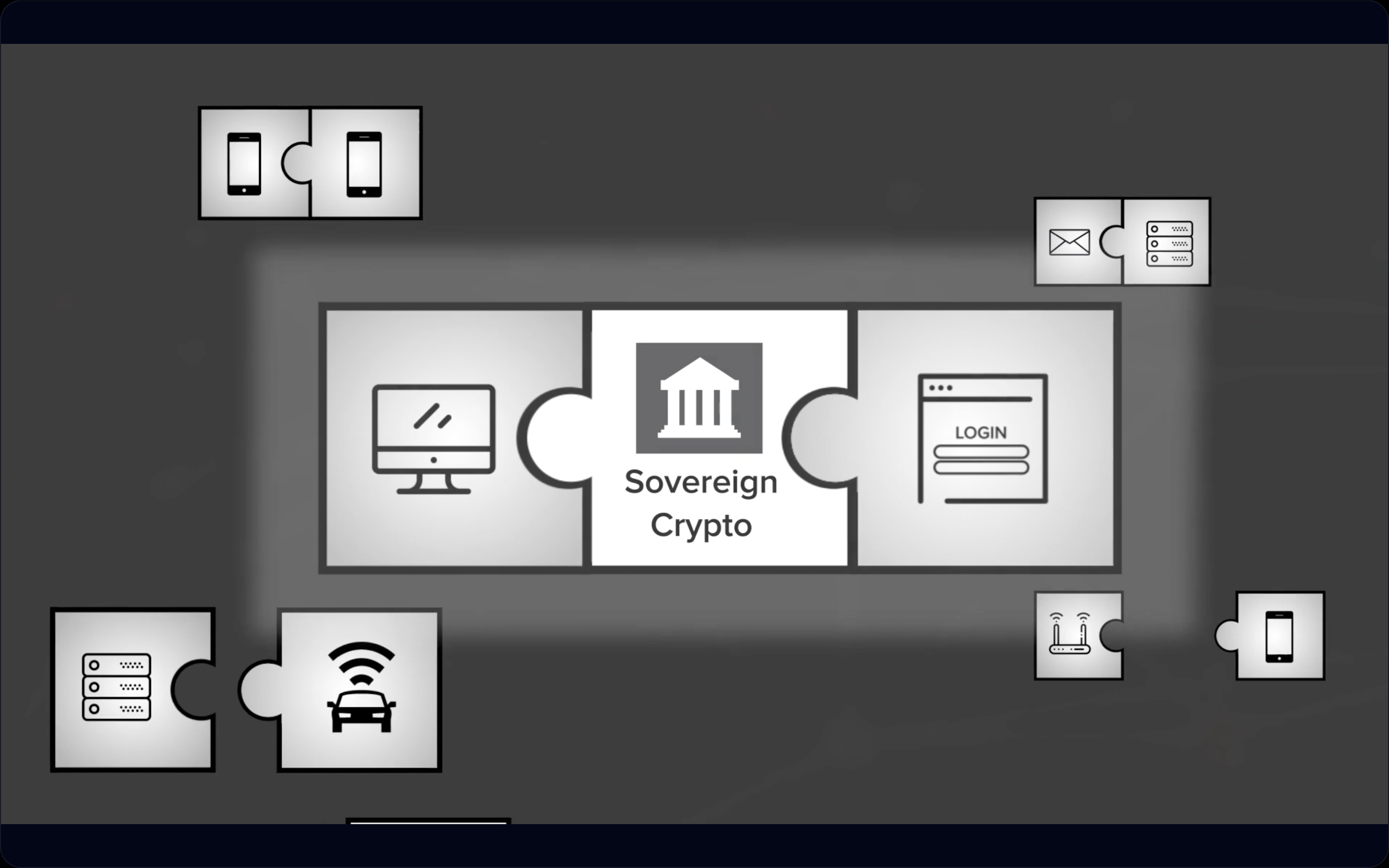
Key Differences Between Traditional and Continuous Post-Quantum Migration Models
| Feature | Traditional Migration Model | Continuous Cryptographic Change Model |
|---|---|---|
| Update Frequency | Infrequent, Multi-Quarter Waves | Dynamic, Ongoing Updates via Agents |
| Migration Planning | Large, Static Projects | Incremental, Agile Workflows |
| Risk Exposure | Higher due to Static Transitions | Reduced via Real-Time Adaptation |
| Operational Complexity | Batch Changes with Potential Downtime | Automated, Policy-Driven Change Management |
How QuantumGenie Fits the Continuous Change Paradigm
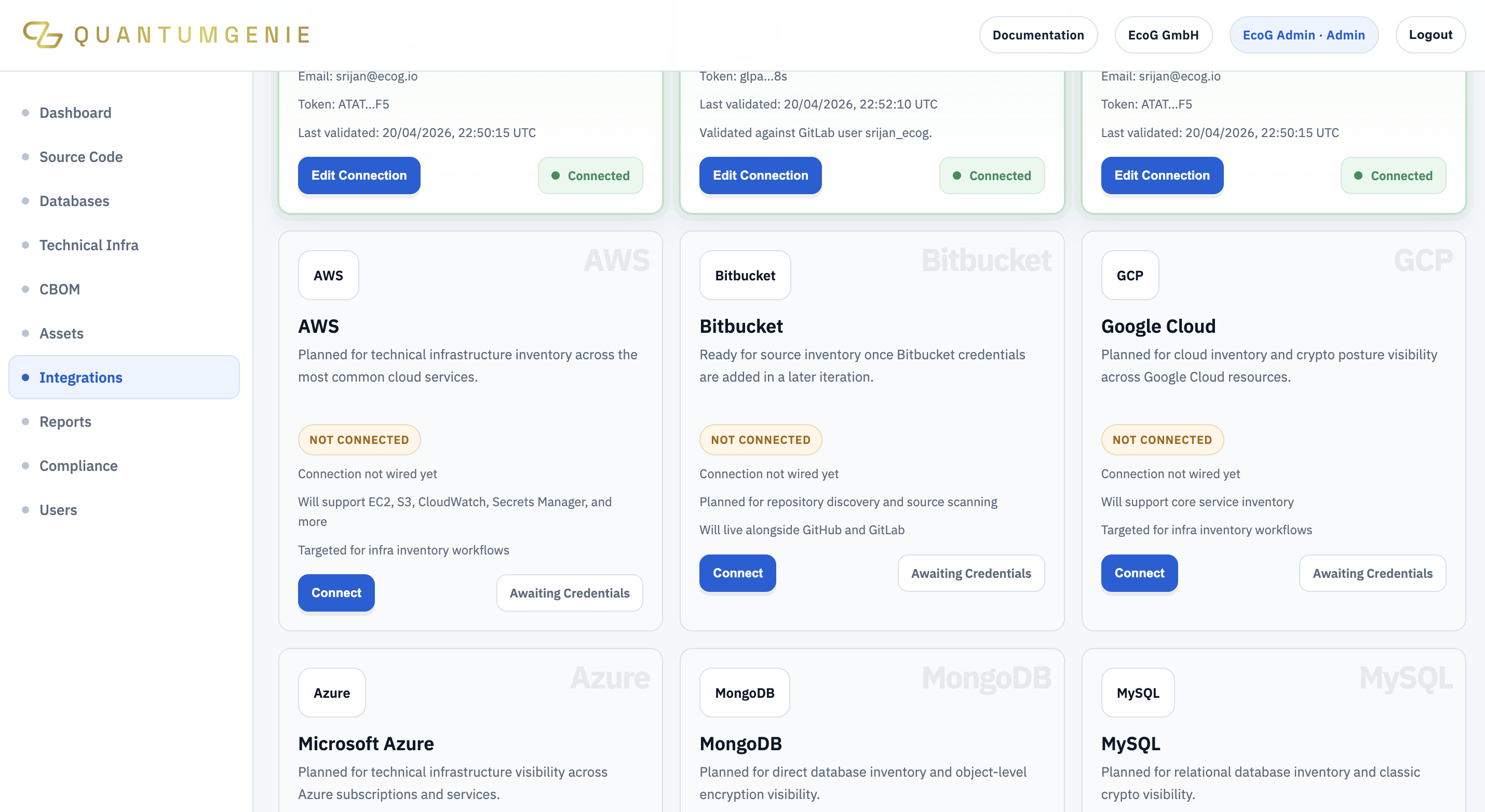
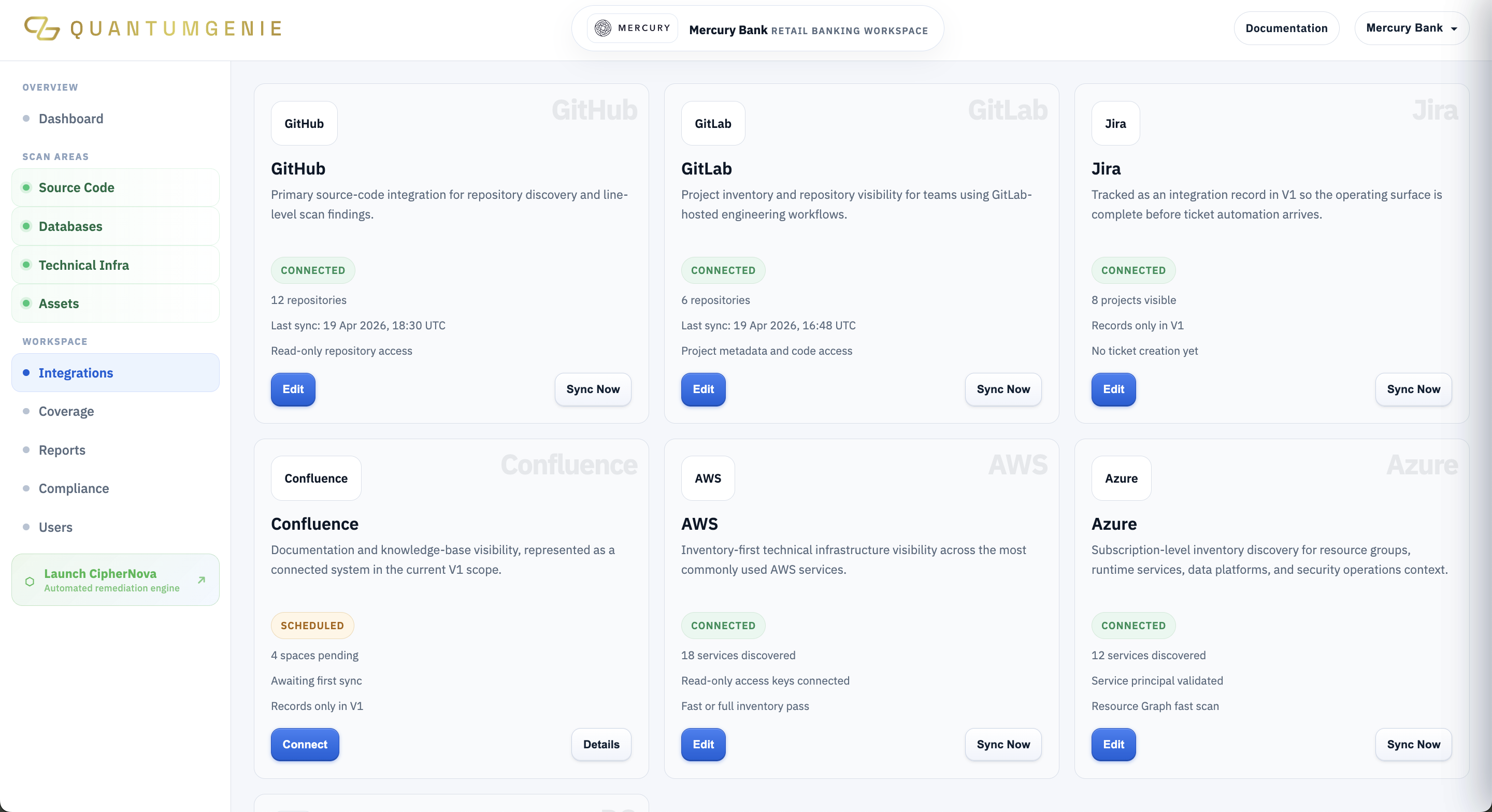
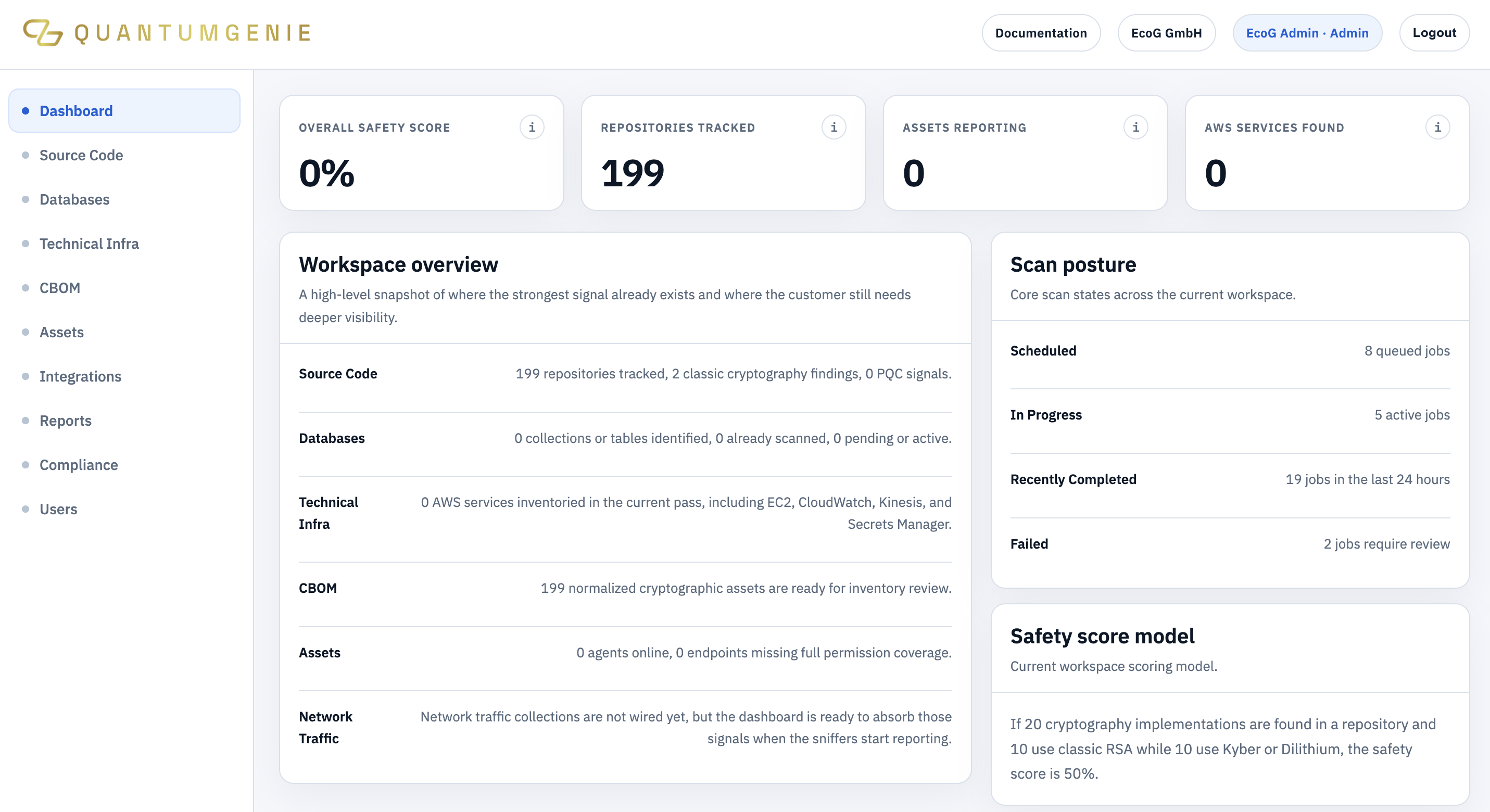
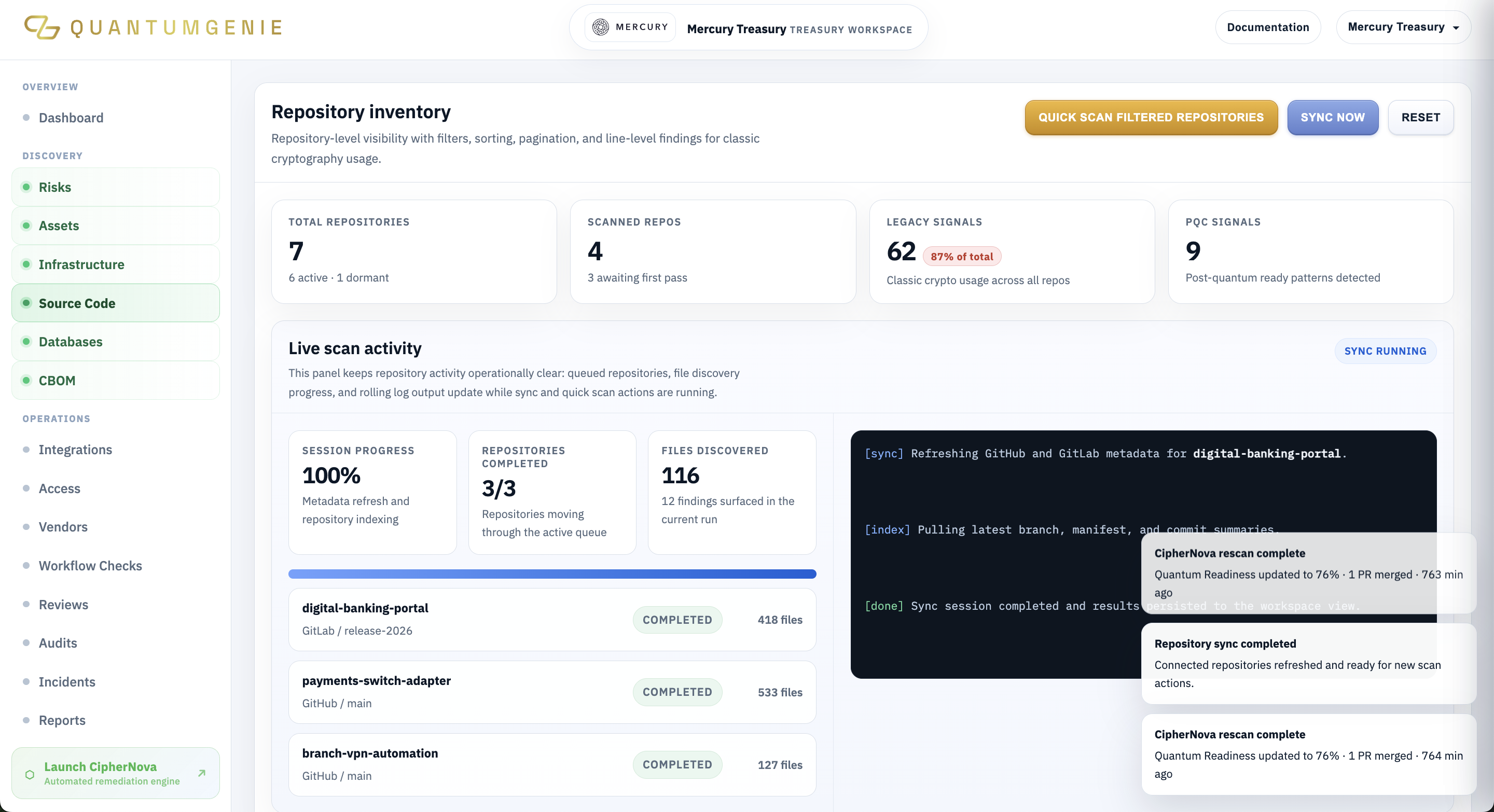
QuantumGenie’s platform aligns perfectly with this emergent model by delivering comprehensive cryptographic discovery and inventory capabilities that uncover all cryptographic dependencies across an enterprise’s digital footprint. Through its CipherScan layer, organizations gain visibility into certificates, keys, code, and infrastructure that require migration.
Beyond discovery, QuantumGenie supports methodical prioritization of cryptographic risks and provides workflow orchestration for remediation tasks via CipherNova. These capabilities empower teams to execute continuous, agent-based cryptographic algorithm updates reliably and securely, mitigating risks inherent to erratic or manual migrations. By integrating continuous oversight, QuantumGenie ensures that enterprises maintain cryptographic resilience as PQC landscapes evolve.
Frequently Asked Questions
Why is continuous cryptographic change important for enterprises?
Continuous cryptographic change enables organizations to respond rapidly to new threats, standards, and vulnerabilities, reducing exposure periods and ensuring that cryptographic protections remain current in a dynamic security landscape.
How does QuantumGenie support a continuous cryptographic update approach?
QuantumGenie provides automated discovery of cryptographic assets, risk prioritization, and workflow orchestration, which collectively facilitate agile, controlled, and efficient continuous updates to cryptographic algorithms across complex enterprise environments.
Watch The Quantum Threat
Sources And Further Reading
- PKWARE Re-Engineers Key Management for Continuous Cryptographic Change PKWARE · Jun 1, 2026
- Software-Defined Cryptography: A Design Feature of Cryptographic Agility arXiv · Apr 2, 2024
- Post-Quantum Cryptography (PQC) Network Instrument: Measuring PQC Adoption Rates and Identifying Migration Pathways arXiv · Jul 31, 2024