In This Article
What This Means
- From Multi-Quarter Upgrades to Continuous Cryptographic Evolution
- Compliance Landscape and Operational Implications
- How QuantumGenie Supports Continuous Cryptographic Change
From Multi-Quarter Upgrades to Continuous Cryptographic Evolution
Historically, enterprises followed a multi-quarter, phased approach to cryptographic migration — often punctuated by planned disruptive upgrades to replace vulnerable algorithms before anticipated quantum threats matured. The recent announcement of agent-based post-quantum key management architectures signals a paradigm shift: cryptography can now be updated continuously and with minimal operational friction. This continuous cryptographic change model addresses key pain points by enabling organizations to rollout cryptographic updates more dynamically and reactively, without the delays and risks associated with batch migrations.
Compliance Landscape and Operational Implications
In parallel, recent updates to NSA’s CNSA 2.0 guidance reinforce the urgency of aligning cryptographic infrastructure with post-quantum standards, framing compliance as a moving target that demands ongoing attention and flexibility. Simultaneously, industry leaders are embedding post-quantum cryptography directly into widely-used communications platforms, exemplifying the imperative for dynamic, scalable cryptographic protections. For enterprises, this convergence means cryptographic agility is no longer a future luxury but a present-day operational requirement dictated by regulatory, security, and technology trends.
Comparing Multi-Quarter Migration and Continuous Cryptographic Change Models
| Aspect | Traditional Multi-Quarter Migration | Continuous Cryptographic Change |
|---|---|---|
| Deployment Frequency | Infrequent, large-scale upgrades | Frequent, incremental updates |
| Operational Disruption | High during migration windows | Minimal, ongoing patchwork |
| Compliance Adaptability | Slow to react to new standards | Rapid adjustment to evolving guidance |
| Security Posture | Lag time creates exposure windows | Reduced risk via timely updates |
How QuantumGenie Supports Continuous Cryptographic Change
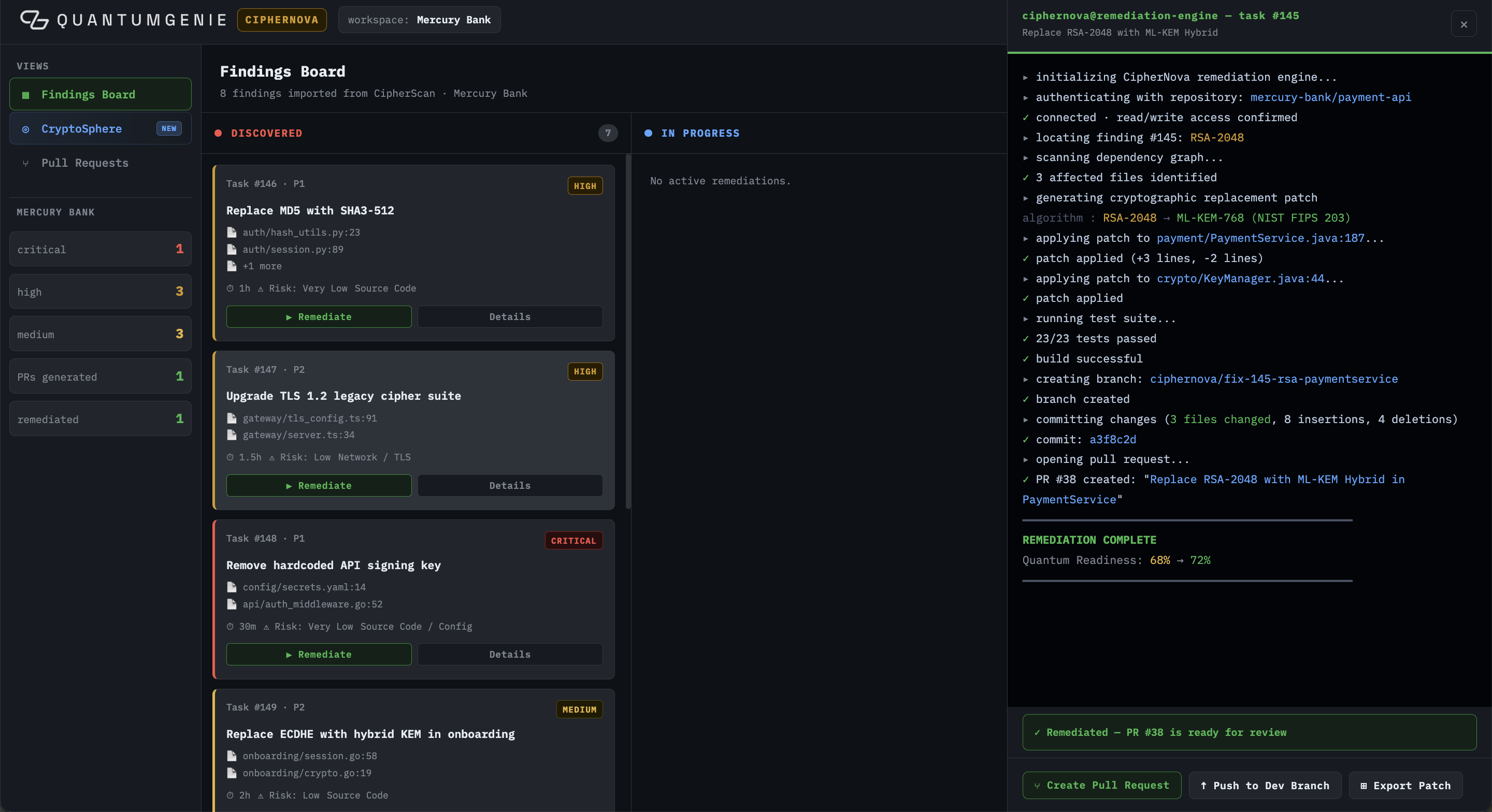
QuantumGenie’s core competence in automated discovery and cryptographic inventory generation provides the foundation for continuous cryptographic change. By continuously detecting cryptographic use across applications, certificates, and infrastructure, QuantumGenie enables enterprises to maintain an up-to-date cryptographic bill of materials (CBOM), a prerequisite for any ongoing migration effort. Its prioritization framework helps organizations assess risk of cryptographic exposure and plan incremental updates aligned with compliance deadlines and emerging standards. Finally, QuantumGenie’s workflow orchestration capabilities operationalize remediation and validation, facilitating frequent cryptographic changes with governance and auditability, reducing operational risk while enhancing security posture.
Frequently Asked Questions
Why is continuous cryptographic change becoming essential for enterprises?
Continuous cryptographic change allows enterprises to rapidly update cryptographic algorithms and key management in response to emerging post-quantum threats and evolving standards, minimizing exposure windows and operational disruptions associated with large, infrequent migrations.
How does QuantumGenie facilitate managing continuous cryptographic updates?
QuantumGenie automates discovery of cryptographic usage across enterprise environments, maintains an up-to-date cryptographic inventory and CBOM, prioritizes risks for phased remediation, and orchestrates workflows for controlled, incremental cryptographic changes, enabling seamless continuous updates.
Watch The Quantum Threat
Sources And Further Reading
- PKWARE Introduces Continuous Cryptographic Change with Post-Quantum Architecture PR Newswire · Jun 1, 2026
- NSA’s CNSA 2.0 Update: A Compliance Milestone for Enterprise Post-Quantum Migration Programs PostQuantum · Jul 5, 2026
- Apple Introduces PQ3 Post-Quantum Encryption for iMessage TechTarget · Feb 21, 2024