In This Article
What This Means
- Microsoft's Quantum Safe Program Acceleration Signals Urgency
- Standards and Library Support Provide Foundations, But Adoption Is Complex
- How QuantumGenie Fits in Accelerated Quantum-Readiness Programs
Microsoft's Quantum Safe Program Acceleration Signals Urgency
Microsoft’s decision to move up its timeline for achieving quantum-safe encryption to 2029 reflects an industry-wide recognition that cryptographically-relevant quantum computers may arrive sooner than expected. This compressed timeline should serve as a wake-up call for enterprises that have not yet comprehensively mapped their cryptographic assets and started an explicit post-quantum readiness strategy. The accelerated threat environment demands pragmatic action to avoid exposure to harvest-now-decrypt-later attacks and future data breaches.
For CISOs and enterprise security teams, the message is clear: post-quantum cryptography (PQC) transition is no longer a distant future concern. It is a pressing operational priority requiring immediate attention to cryptographic inventory, risk prioritization, and planning migration workflows. Delay increases risk and complicates compliance with evolving regulatory expectations around quantum resilience.
Standards and Library Support Provide Foundations, But Adoption Is Complex
With NIST’s publication of initial post-quantum cryptographic standards such as ML-KEM and SLH-DSA, organizations gain trusted reference algorithms for their implementation efforts. Meanwhile, surveys of cryptographic library support reveal significant variations in the maturity and availability of PQC primitives across widely used platforms. This heterogeneity complicates migration planning and highlights the need for careful evaluation of software dependencies and cryptographic supply chains.
For enterprise architects, this patchwork reality means a phased approach with clear visibility into all cryptographic components is essential. Understanding which libraries and modules are PQC-ready guides risk assessments and remediations, ensuring that deployments are strategically sequenced and tested before disruptive migrations occur.
Enterprise Post-Quantum Cryptography Readiness Considerations
| Focus Area | Enterprise Challenge | QuantumGenie Capability |
|---|---|---|
| Cryptographic Asset Discovery | Incomplete visibility into cryptographic use increases quantum vulnerability | CipherScan provides automated, continuous cryptographic inventory across digital assets |
| Migration Planning & Prioritization | Complexity in sequencing PQC migration without disrupting operations | CipherNova supports risk-based prioritization and workflow orchestration |
| Compliance & Audit Evidence | Demonstrating readiness to regulators and auditors | Built-in reporting aligns with compliance frameworks for PQC readiness |
How QuantumGenie Fits in Accelerated Quantum-Readiness Programs
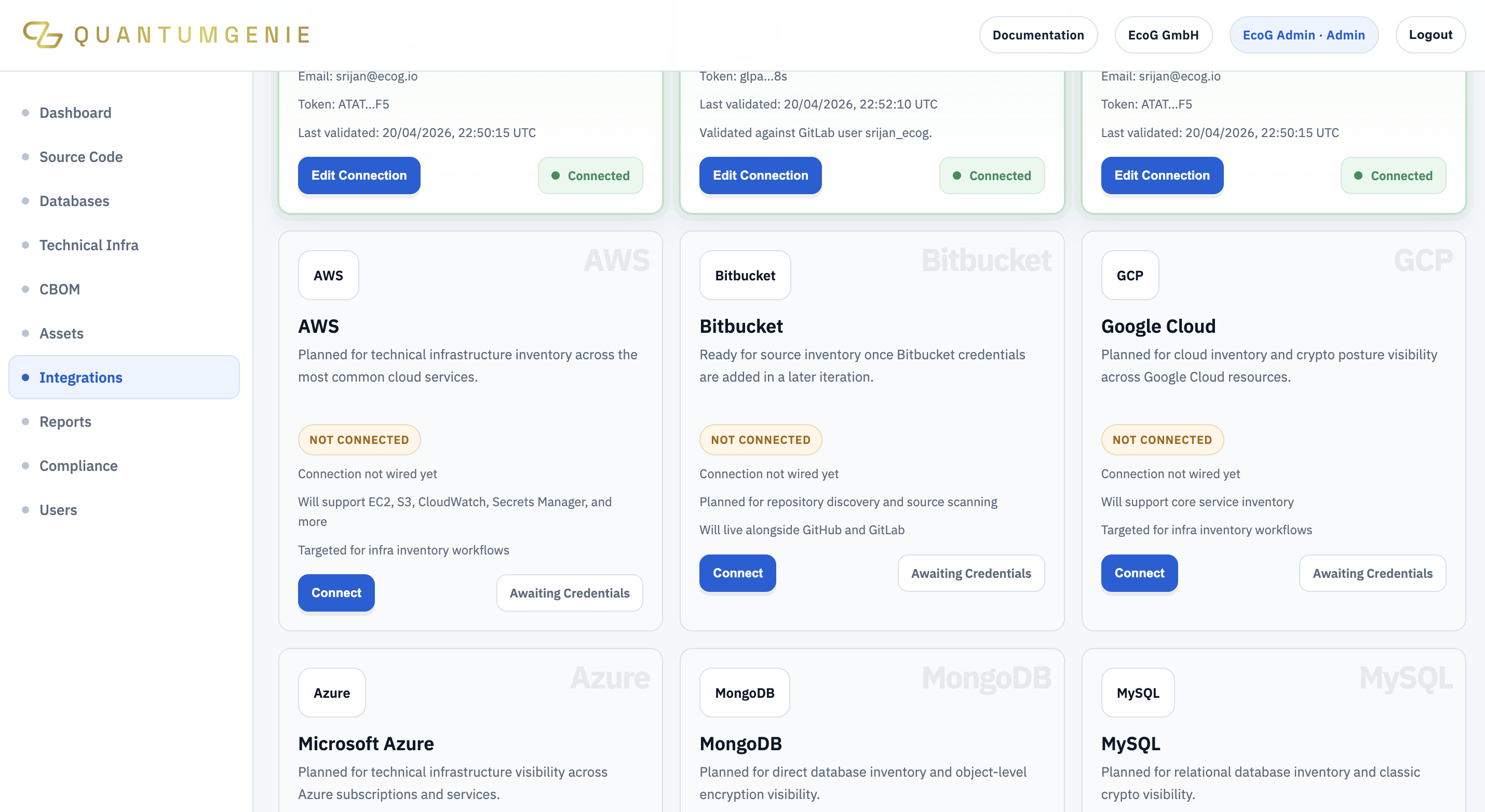
QuantumGenie directly addresses the urgency raised by Microsoft’s accelerated program by providing enterprises with comprehensive cryptographic discovery and inventory capabilities. Its CipherScan layer identifies where cryptography exists across infrastructure, code, certificates, and integrations, building a detailed cryptographic Bill of Materials (CBOM).
Beyond discovery, QuantumGenie’s CipherNova layer orchestrates prioritized remediation plans and workflows, supporting teams in planning and executing PQC migrations with governance and compliance readiness. This integrated platform transforms quantum threat awareness into actionable enterprise programs, reducing exposure to quantum-enabled attacks and regulatory risk amid closing timelines.
Frequently Asked Questions
Why has Microsoft accelerated its Quantum Safe Program timeline?
Microsoft has accelerated its timeline to 2029 due to advances in quantum computing that could soon render current cryptographic algorithms insecure, increasing the urgency for organizations to prepare for these emerging threats.
What practical steps should enterprises take in response to these accelerated timelines?
Enterprises should begin with building a comprehensive cryptographic inventory to understand exposure, then prioritize migration paths based on risk and dependency, adopt PQC standards, and establish governance processes for continuous readiness and compliance.
Watch The Quantum Threat
Sources And Further Reading
- Microsoft Accelerates Quantum Safe Program to 2029 Amidst Imminent Quantum Threats PC Gamer · Jul 6, 2026
- The First Post-Quantum Cryptography Standards Are Here TechCrunch · Aug 13, 2024
- A Survey of Post-Quantum Cryptography Support in Cryptographic Libraries arXiv · Aug 22, 2025