In This Article
What This Means
- Post-Quantum Crypto Hits Cybercrime: What Enterprise Security Needs to Know
- Assessing Enterprise Crypto Readiness Amid Rapid PQC Adoption
- How QuantumGenie Fits: Practical Defense to Post-Quantum Crypto Threats
Post-Quantum Crypto Hits Cybercrime: What Enterprise Security Needs to Know
In a landmark development, the Kyber ransomware group has begun using post-quantum cryptographic algorithms to shield their payloads and communications. This is the first documented use of such advanced cryptography in the wild by cybercriminals. For enterprises, this moves post-quantum crypto from a theoretical, cautiously anticipated risk to an immediate operational concern.
This evolution signals that threat actors are investing in future-proofing their attacks, making traditional cryptographic defenses and legacy monitoring approaches increasingly ineffective. Enterprises must view this not just as a threat escalation but as a call to overhaul cryptographic governance and management frameworks. Existing cryptographic inventories may be incomplete, and remediation efforts must be agile enough to adapt to this accelerated risk landscape.
Assessing Enterprise Crypto Readiness Amid Rapid PQC Adoption
Supporting this urgency is academic insight revealing that many widely used cryptographic libraries vary dramatically in their support for post-quantum algorithms. This inconsistent readiness challenges enterprises that rely on these libraries as part of their infrastructure and applications.
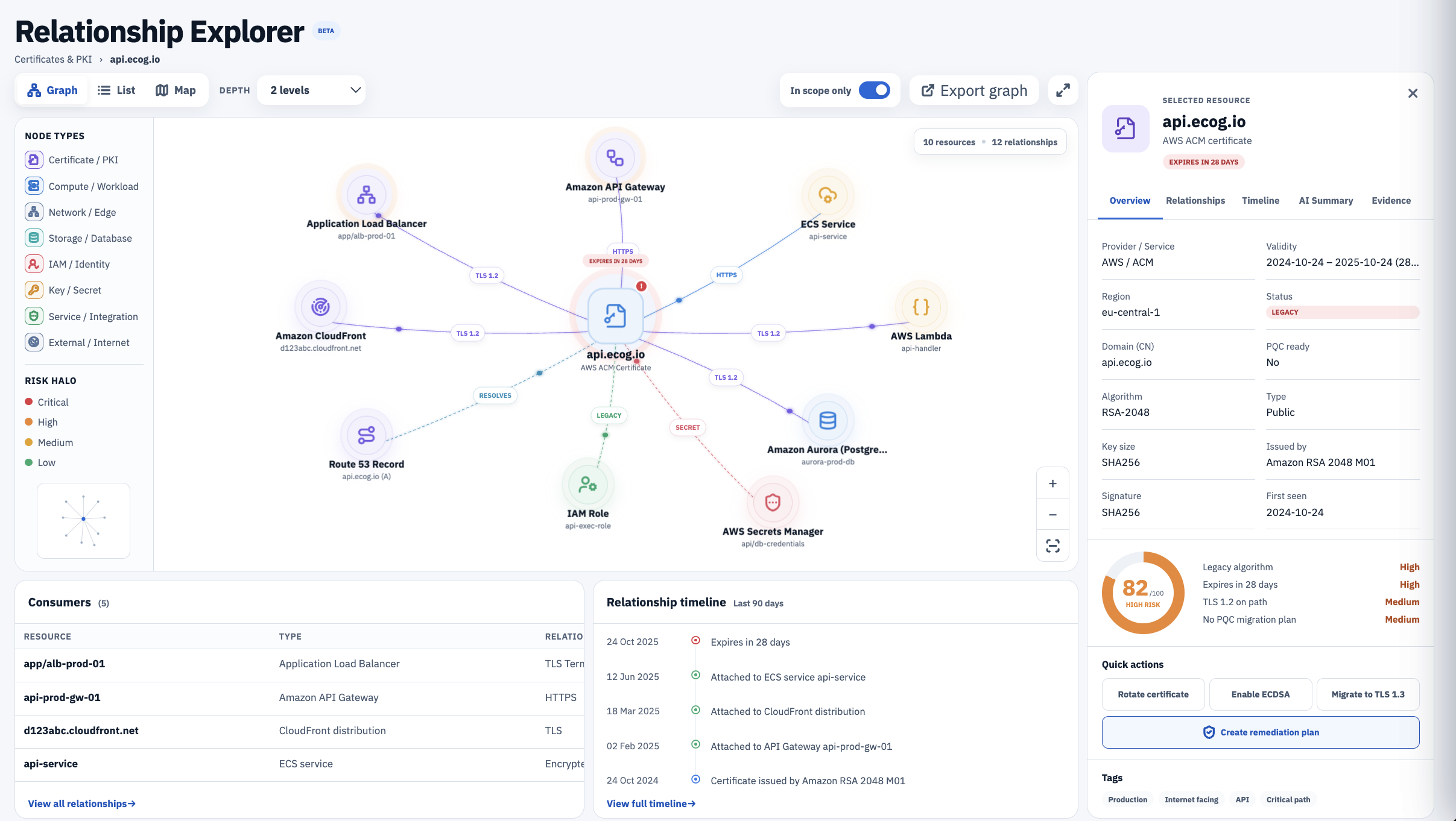
For security teams, this reinforces the necessity of detailed cryptographic inventories that cover all layers: from open source libraries and APIs to internal codebases and infrastructure components. Without this granularity, enterprises risk blind spots that threat actors like Kyber ransomware groups can exploit. Moreover, robust crypto-agility plans and prioritized migration workflows become essential to keep pace with ongoing developments.
Key Enterprise Considerations in Response to Kyber’s Post-Quantum Ransomware Use
| Consideration | Implication | QuantumGenie Capability |
|---|---|---|
| Comprehensive Crypto Inventory | Needed to detect all PQC exposures across diverse assets | Discovery across websites, source code, certificates, and infrastructure |
| Prioritization of Cryptographic Risk | Focus remediation on highest business impact and compliance gaps | Risk scoring and CBOM-based prioritization |
| Crypto Agility and Migration Readiness | Essential to respond to evolving threat landscape and new PQC use cases | Workflow-driven migration orchestration and change verification |
| Operational Visibility and Governance | Continuous monitoring to prevent harvest-now-decrypt-later risks | Dashboarding and compliance readiness features |
How QuantumGenie Fits: Practical Defense to Post-Quantum Crypto Threats
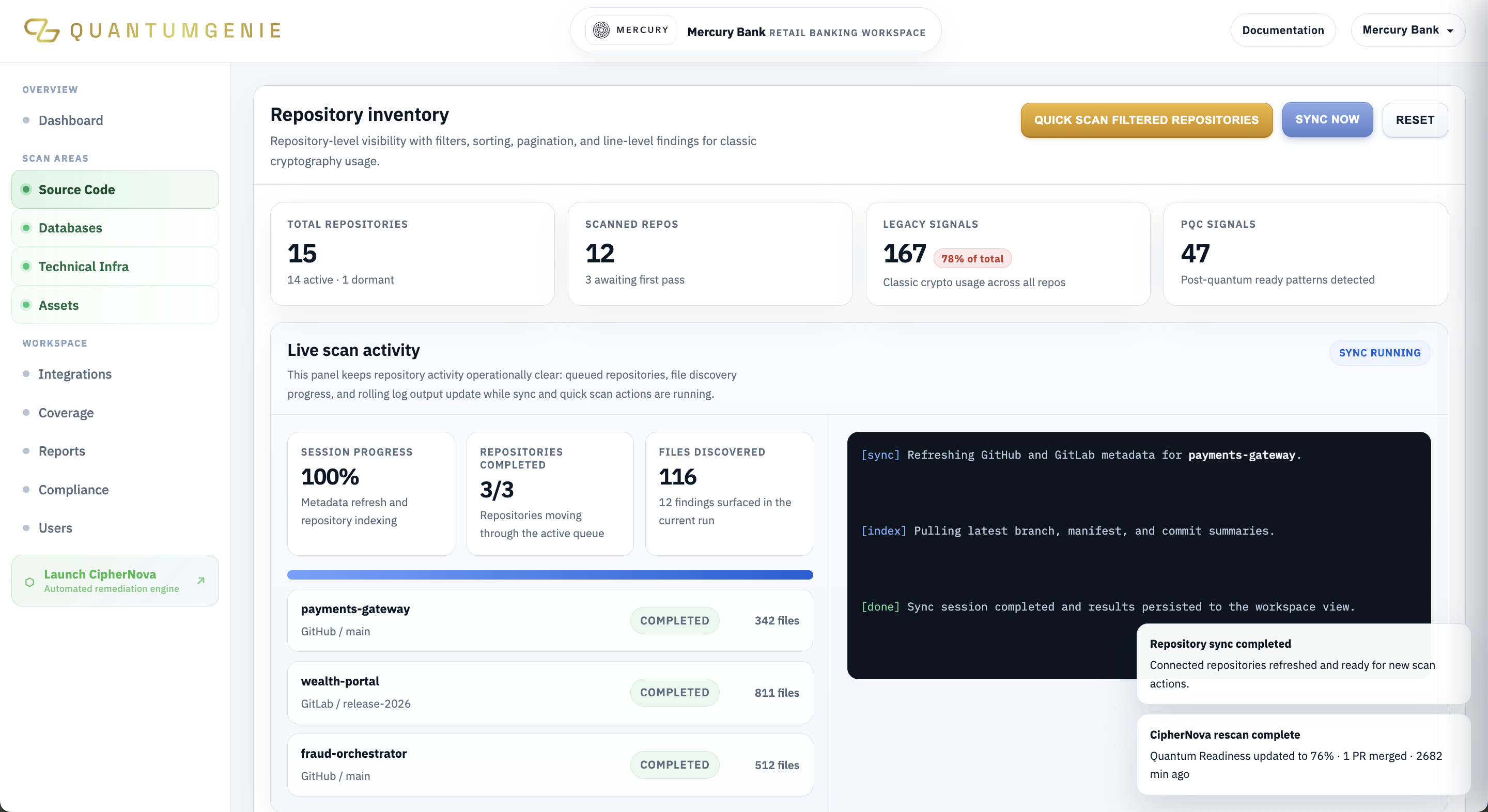
QuantumGenie’s platform directly addresses these evolving needs by providing comprehensive cryptographic discovery across websites, certificates, source code, applications, and infrastructure. This means enterprises can build a detailed cryptographic bill of materials (CBOM) and identify exposures that might otherwise remain hidden.
With QuantumGenie’s tools, security and dev teams gain actionable intelligence to prioritize migration risks based on business context and cryptographic risk, plan crypto-agile strategies, and execute remediation via integrated workflows. This operational visibility and control make the daunting task of post-quantum readiness manageable and responsive, especially as adversaries begin weaponizing new cryptographic technologies.
Frequently Asked Questions
Why does the Kyber ransomware's use of post-quantum cryptography matter for enterprises?
It demonstrates that threat actors are adopting advanced cryptography to evade detection and harden attacks, increasing the urgency for enterprises to improve cryptographic governance, inventory, and agility before their defenses become obsolete.
How can enterprises effectively prepare for the rise of post-quantum cryptographic threats?
Enterprises should implement thorough cryptographic inventories to understand their exposure, prioritize migration risks based on business impact, build crypto-agility into their security programs, and adopt platforms that enable continuous discovery and remediation workflows.
Watch The Quantum Threat
Sources And Further Reading
- Kyber Ransomware's Use of Post-Quantum Crypto: A Wake-Up Call for Enterprise Cryptographic Governance QuantumGenie Blog · Jun 28, 2026
- A Survey of Post-Quantum Cryptography Support in Cryptographic Libraries arXiv · Aug 22, 2025