In This Article
What This Means
- Ransomware’s Quantum Leap
- Crypto-Agility: A Strategic Imperative
- How QuantumGenie Fits in the Emerging Quantum Threat Landscape
Ransomware’s Quantum Leap
Recent analysis published by Ars Technica reveals that the Kyber ransomware strain has begun employing ML-KEM, a post-quantum cryptographic algorithm, to encrypt victims' data. This is the first known instance of malicious actors leveraging quantum-safe cryptography to protect their ransomware payloads against decryption attempts. This alarming evolution not only strengthens the ransomware’s resilience but also complicates incident response and recovery efforts for enterprises.
For security teams, this breakthrough means that legacy cryptographic defenses and detection heuristics will not be enough. As ransomware adopts quantum-safe encryption, organizations must urgently elevate their cryptographic visibility and agility capabilities to preempt these sophisticated threats. Understanding where and how cryptography is used enterprise-wide becomes a critical first step.
Crypto-Agility: A Strategic Imperative
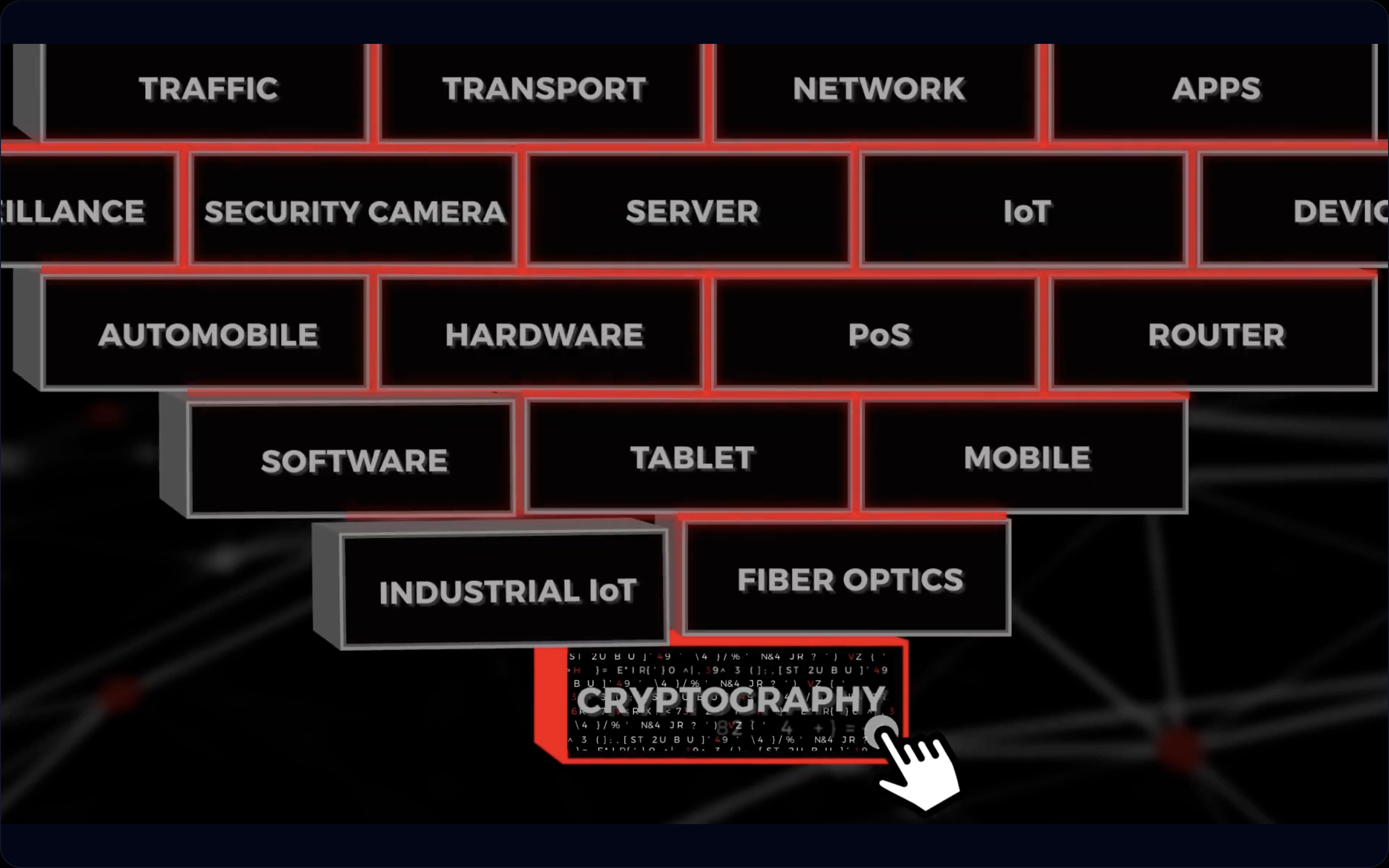
The broader context, highlighted by reports like TechRadar’s discussion on post-quantum cyber resilience, is clear: crypto-agility is no longer optional but essential. Enterprises must adapt cryptographic systems swiftly to mitigate risks posed by quantum-enabled attacks and actors adopting post-quantum algorithms.
This requires a holistic approach—from cryptographic inventory, risk prioritization, to orchestrated remediation workflows. Without such agility, enterprises risk delayed detection, complicated response, and ultimately, higher exposure to quantum-safe ransomware and future quantum cyber threats.
Post-Quantum Cryptography Adoption: Enterprise Implications vs. Ransomware Trends
| Aspect | Emerging Ransomware Use | Enterprise Response Implications |
|---|---|---|
| Encryption algorithms | ML-KEM (quantum-safe) | Need to inventory and monitor post-quantum algorithms in use |
| Threat actor sophistication | Increased, leveraging PQC to resist decryption | Requires heightened cryptographic risk prioritization |
| Incident response complexity | Higher due to stronger encryption | Demand for crypto-agility and seamless remediation workflows |
| Compliance focus | Need for post-quantum standards adherence | Supports crypto-agility for ongoing regulatory readiness |
How QuantumGenie Fits in the Emerging Quantum Threat Landscape
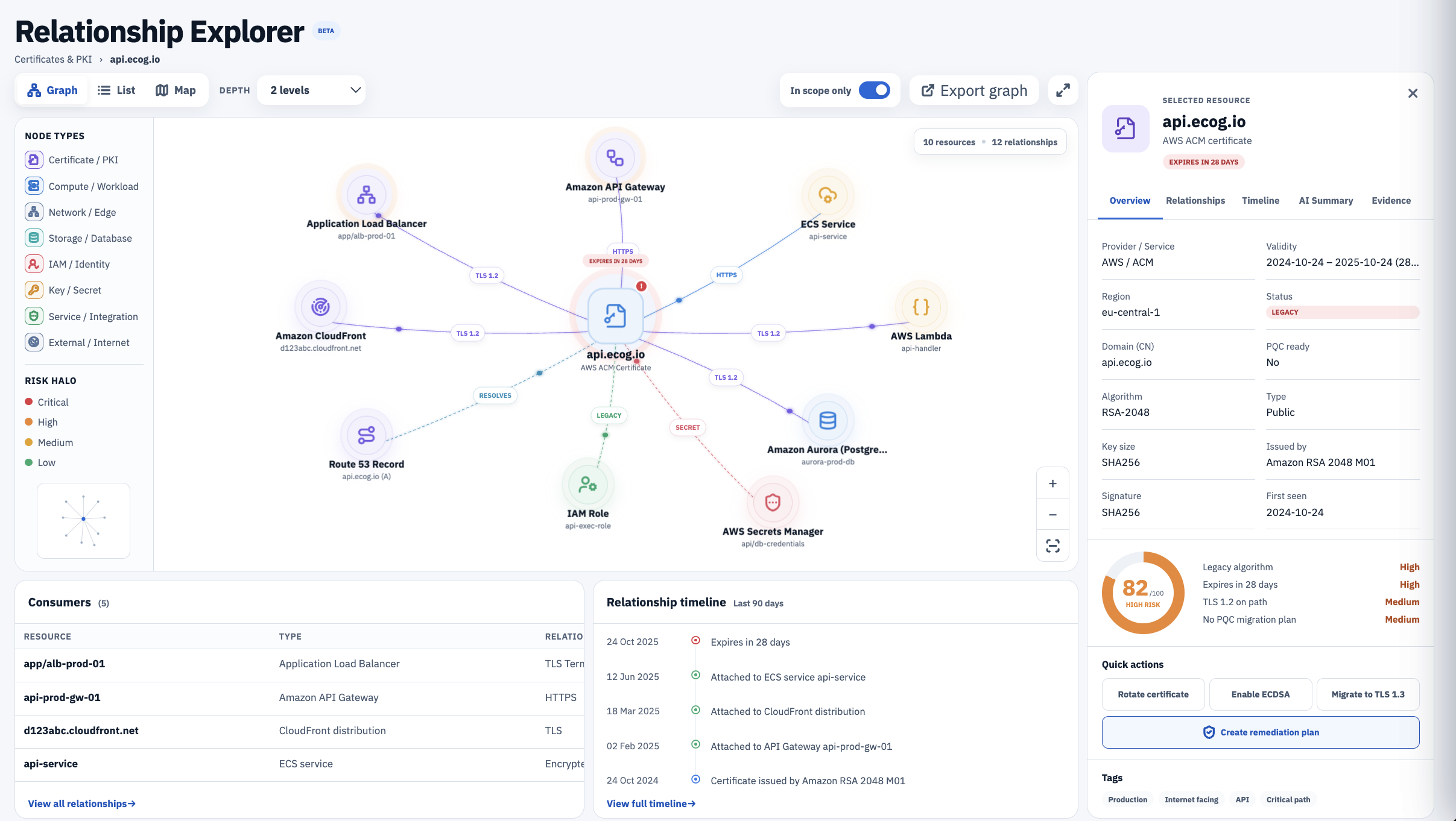
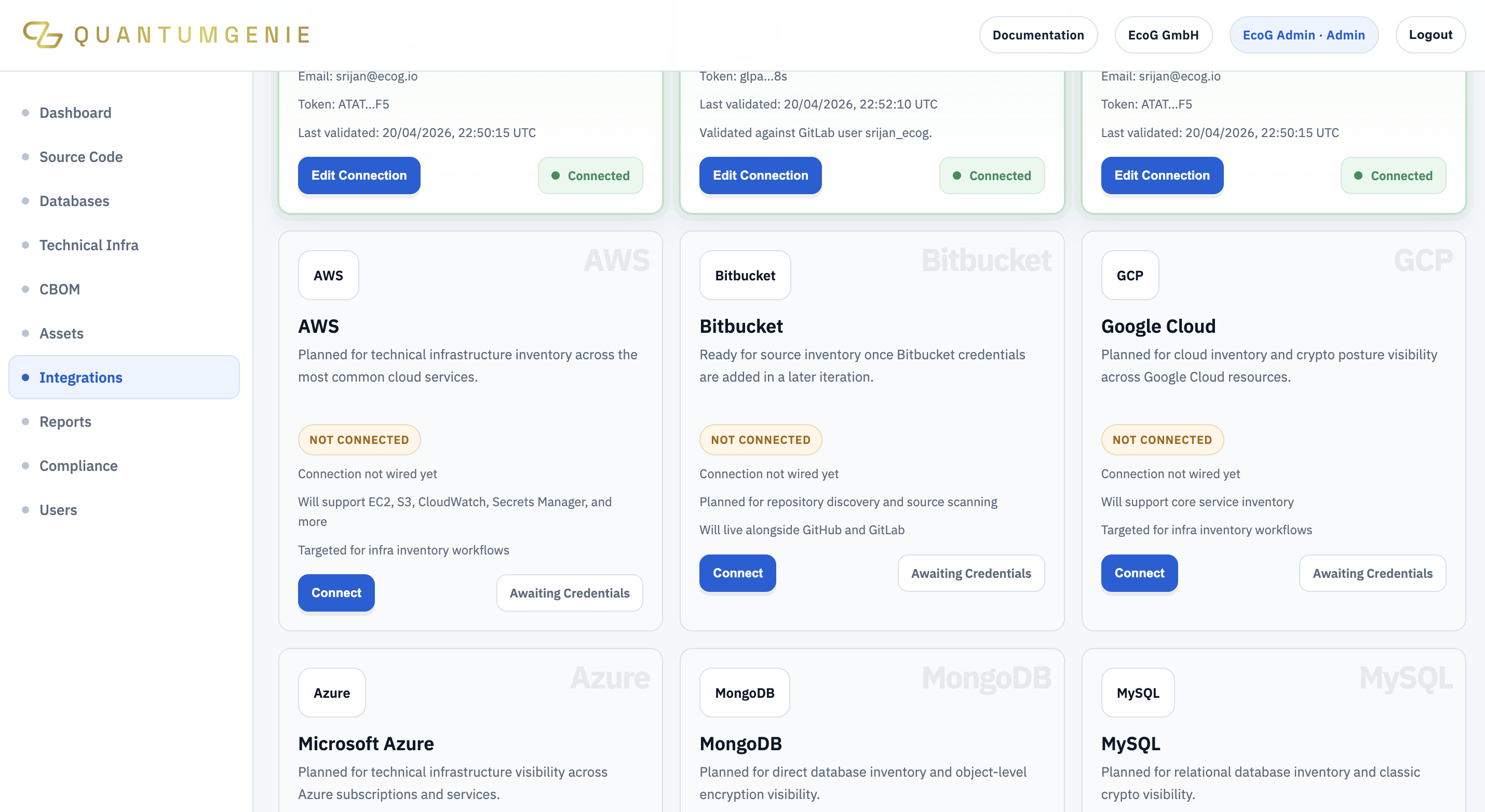
QuantumGenie addresses this urgent need by providing a comprehensive platform for cryptographic discovery and migration orchestration. Its CipherScan component enables enterprises to build a detailed cryptographic inventory (CBOM) across certificates, source code, infrastructure, applications, and integrations—vital for spotting exposures exploited by quantum-safe ransomware like Kyber.
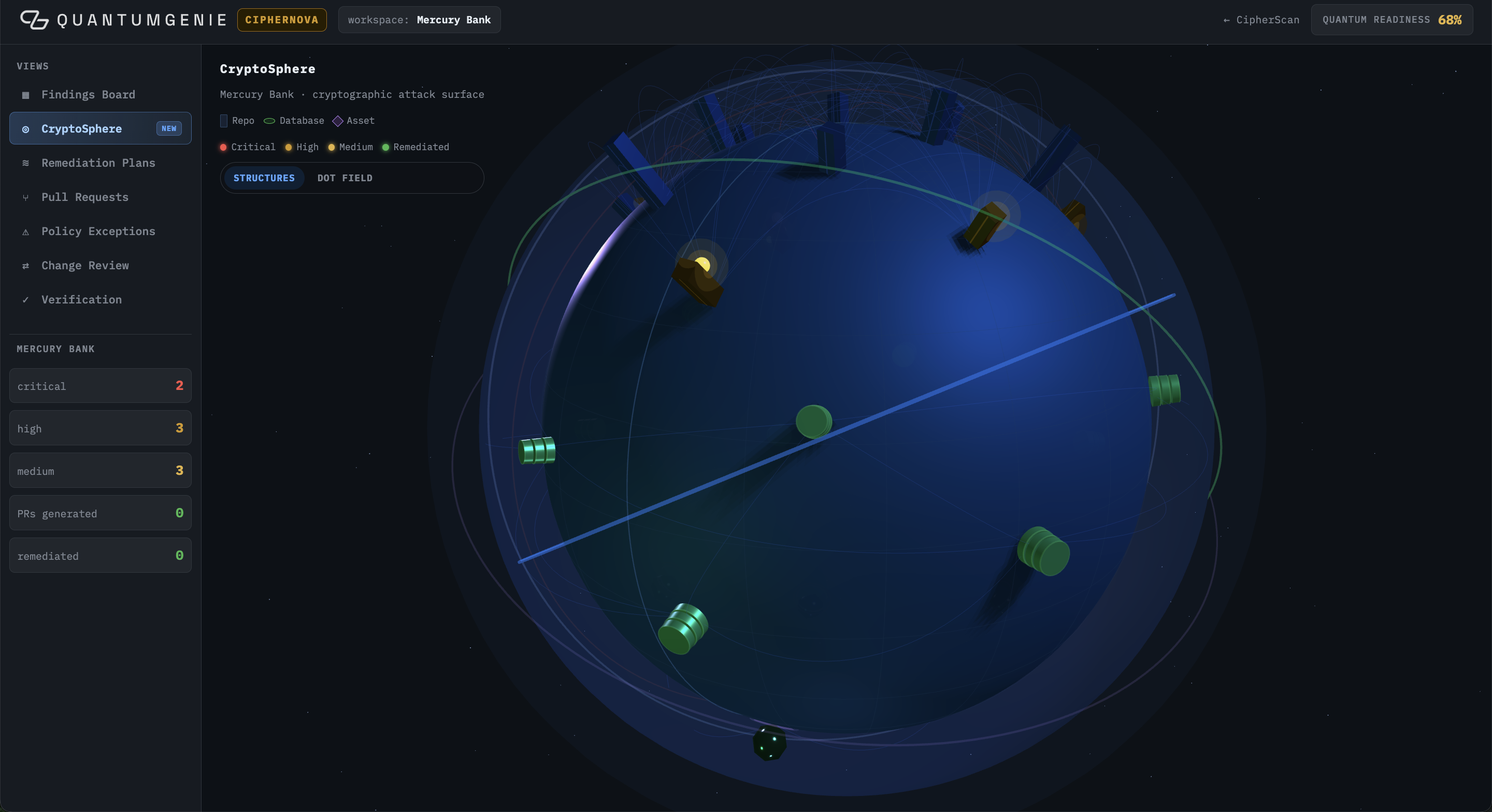
Furthermore, the platform’s remediation orchestration simplifies prioritizing vulnerabilities and executing migrations or mitigations via workflow checks, policy exceptions, and pull requests. This operational visibility and agility empower security teams to respond effectively to evolving quantum-safe threats, meeting compliance mandates and minimizing risk exposure in an increasingly complex threat environment.
Frequently Asked Questions
Why does ransomware use post-quantum cryptography?
Ransomware groups use post-quantum cryptography to strengthen their encryption against potential decryption attempts, including those by defenders using quantum-enabled tools, making recovery without paying ransom far more difficult.
How can enterprises prepare for quantum-safe ransomware threats?
Enterprises should establish comprehensive cryptographic inventories, prioritize crypto risks, and implement cryptographic agility platforms to detect, respond, and remediate emerging quantum-safe threats effectively.
Watch The Quantum Threat
Sources And Further Reading
- Kyber Ransomware Family Implements Quantum-Safe Encryption Techniques Ars Technica · Apr 23, 2026
- Cyber Resilience in the Post-Quantum Era: Embracing Crypto-Agility TechRadar · Aug 25, 2025