
In This Article
What This Means
- Imagine legacy cryptography as a sturdy but aging dam holding back a rising flood—post-quantum encryption represents the new infrastructure needed to secure enterprise assets against tomorrow’s threats. The June 2026 report from Security Journal Americas highlights how this transformation is no longer theoretical but a pressing reality for CISOs and security leaders.
- Enterprises must recognize that post-quantum readiness is not a distant initiative but a strategic imperative. The potential for quantum computers to render current encryption obsolete puts sensitive data and systems at unprecedented risk.
- Transitioning to post-quantum cryptographic standards introduces migration risks that can affect business continuity and data confidentiality. An abrupt shift without clear roadmaps could lead to implementation gaps or interoperability challenges across complex IT environments.
Why Post-Quantum Encryption Demands Attention Now
Imagine legacy cryptography as a sturdy but aging dam holding back a rising flood—post-quantum encryption represents the new infrastructure needed to secure enterprise assets against tomorrow’s threats. The June 2026 report from Security Journal Americas highlights how this transformation is no longer theoretical but a pressing reality for CISOs and security leaders.
Enterprises must recognize that post-quantum readiness is not a distant initiative but a strategic imperative. The potential for quantum computers to render current encryption obsolete puts sensitive data and systems at unprecedented risk.
Decoding Migration Risk and Its Enterprise Implications
Transitioning to post-quantum cryptographic standards introduces migration risks that can affect business continuity and data confidentiality. An abrupt shift without clear roadmaps could lead to implementation gaps or interoperability challenges across complex IT environments.
Enterprise architects and technical buyers must weigh these risks against the growing threat landscape, leveraging coalition-driven PQC migration roadmaps that outline phased, manageable adoption steps.
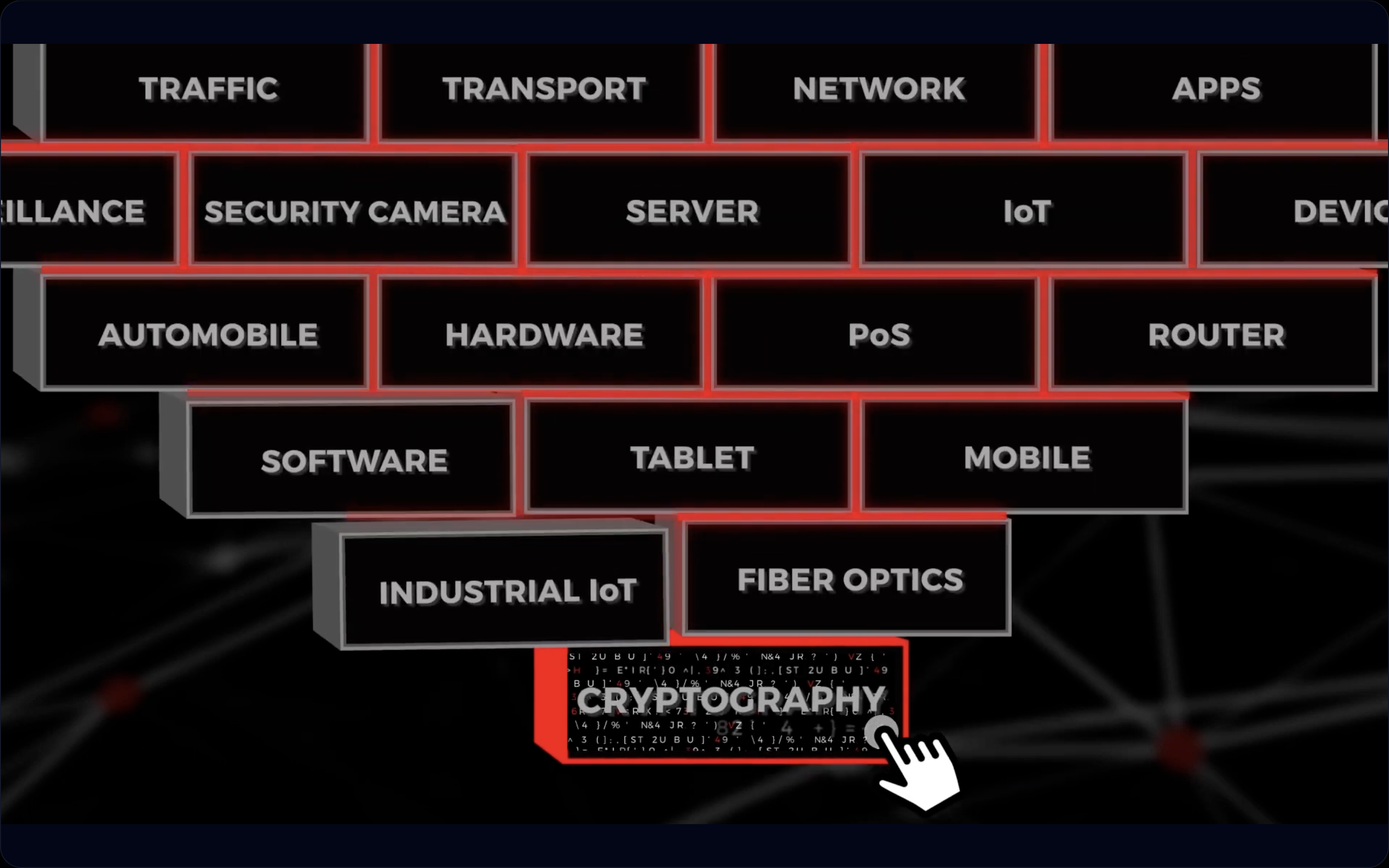
Key Considerations for Post-Quantum Encryption Migration
| Focus Area | Risk Factor | Actionable Strategy |
|---|---|---|
| Cryptographic Assets | Legacy algorithm exposure | Conduct thorough asset audit |
| Migration Planning | Implementation complexity | Adopt phased migration roadmap |
| Standards Compliance | Algorithm uncertainty | Align with NIST PQC standards |
| Vendor Partnerships | Technology maturity | Engage vetted post-quantum providers |
Practical Steps for Post-Quantum Readiness
A pragmatic approach begins by auditing existing cryptographic assets, prioritizing those protecting critical data flows for post-quantum migration. Integration of new algorithms compliant with NIST standards should be aligned with ongoing security frameworks, minimizing disruption.
Additionally, continuous training and collaboration with trusted post-quantum technology partners can accelerate organizational agility, ensuring readiness before adversaries exploit vulnerabilities.
Industry Leaders and Standards Shaping the PQC Landscape
The ecosystem around post-quantum cryptography is maturing quickly, driven by leading innovators spotlighted in Quantum Zeitgeist’s comprehensive guide. Inclusion of vetted algorithms in the NIST PQC standards signals a cohesive direction for enterprise adoption.
Collaborations, such as those documented by The Quantum Insider and MITRE, exemplify how cross-sector partnerships aim to streamline migration and reduce uncertainty for enterprise implementations.
Strategic Takeaways for Security Leadership
Attention to post-quantum encryption is no longer optional; the cost of complacency could be catastrophic data breaches and loss of trust. By embracing a phased yet ambitious migration plan, security leaders can position their organizations ahead of the quantum curve.
The insights from Security Journal Americas serve as a timely call to action—prioritize post-quantum readiness to safeguard your enterprise’s competitive edge in a post-quantum era.
Frequently Asked Questions
What is the biggest challenge in migrating to post-quantum encryption?
The primary challenge is managing migration risk without disrupting existing operations. Enterprises need phased, well-planned approaches that ensure interoperability and data integrity throughout the transition.
How can enterprise security teams prepare practically for post-quantum threats?
Start by auditing current encryption use, focus on protecting critical assets first, stay informed on NIST standards, and collaborate with experienced post-quantum technology providers to build gradual adoption plans.
Why is post-quantum encryption urgent for enterprise CIOs and CISOs now?
Quantum computing capabilities are advancing rapidly, threatening to break legacy encryption. Delaying readiness increases risk exposure. Acting now mitigates potential data breaches and aligns security strategy with future threats.
Watch The Quantum Threat
Sources And Further Reading
- How Post Quantum Encryption Is Transforming Enterprise Data Security Security Journal Americas · Jun 2, 2026
- Top Post-Quantum Cryptography Companies and NIST PQC Standards Guide Quantum Zeitgeist · May 8, 2026
- Post-Quantum Cryptography Coalition Unveils PQC Migration Roadmap The Quantum Insider · May 29, 2025
- Post-Quantum Cryptography Coalition Unveils PQC Migration Roadmap The MITRE Corporation · May 28, 2025