In This Article
What This Means
- Why Crypto-Agility and CBOM Are the Cornerstones of PQC Migration
- Enterprise Cryptographic Posture Management: Continuous Discovery is a Must
- How QuantumGenie Fits into the PQC Migration Journey
Why Crypto-Agility and CBOM Are the Cornerstones of PQC Migration
Enterprises face a challenging and complex path toward post-quantum cryptographic (PQC) readiness. The emerging framework from PQC Today identifies seven distinct phases, structuring the migration as a methodical progression rather than an ad hoc scramble. Central to this progression is the concept of crypto-agility—the ability to swiftly adapt cryptographic algorithms and protocols in response to evolving threats—and the Cryptographic Bill of Materials (CBOM), an exhaustive inventory of all cryptographic dependencies across systems.
Crypto-agility ensures that organizations do not become locked into outdated or vulnerable cryptographic solutions. Equally, the CBOM provides essential visibility and governance, laying the foundation for risk assessment, compliance management, and prioritized remediation efforts. Without these pillars, enterprises risk uncoordinated migrations that could expose blind spots or operational disruptions.
Enterprise Cryptographic Posture Management: Continuous Discovery is a Must
Supporting the framework's phased approach is the imperative for continuous discovery and classification of cryptographic assets. As detailed in complementary insights from Qinsight, an enterprise must maintain up-to-date visibility into where and how cryptographic elements are embedded—across websites, certificates, codebases, infrastructure, databases, and integrations. This ongoing posture management is crucial to unwinding cryptographic debt accrued over years and to deploying PQC efficiently and securely.
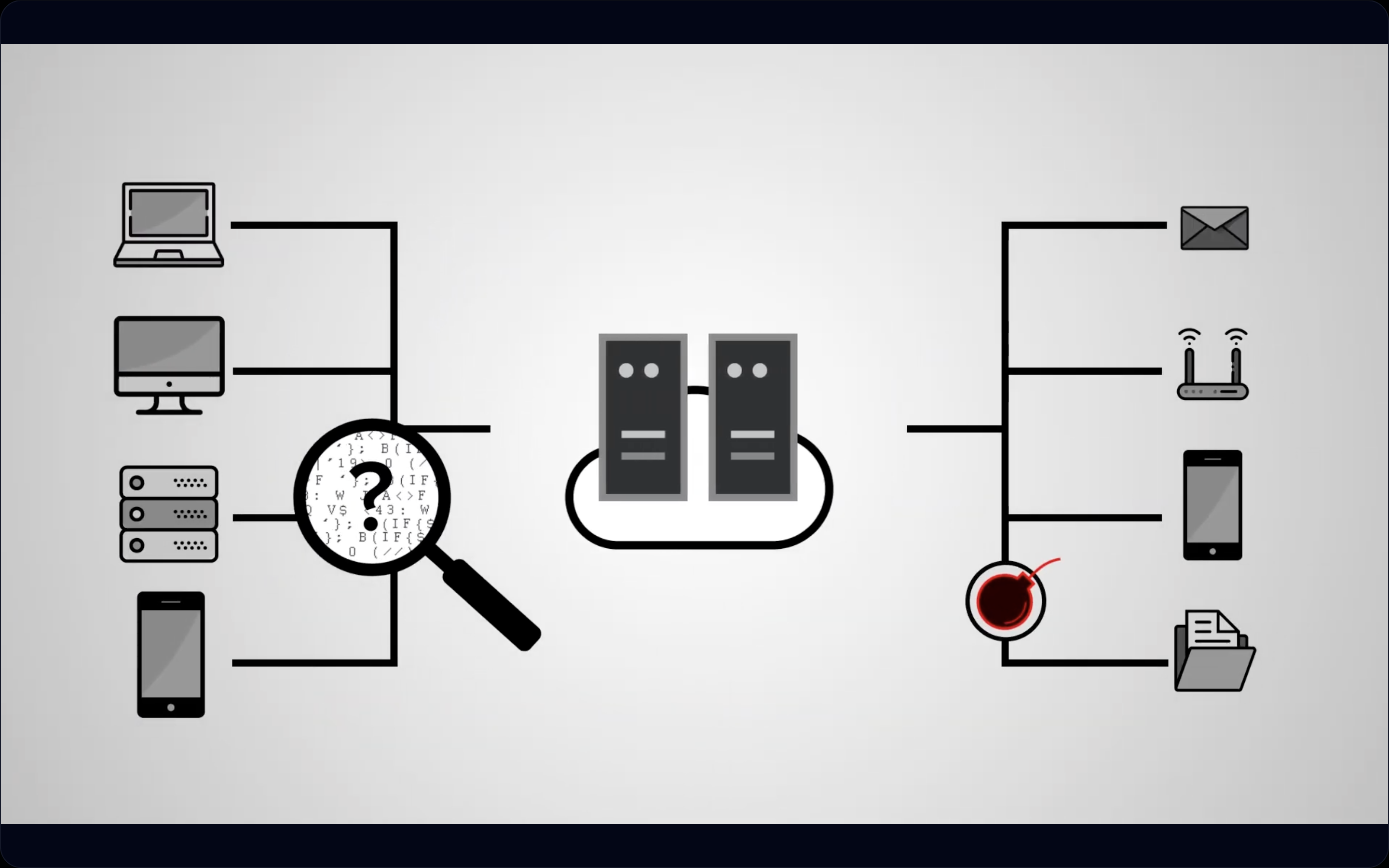
Additionally, understanding threats like the harvest-now-decrypt-later scenario highlighted by Secra Solutions reinforces the urgency to migrate sooner rather than later. This stresses the need for proactive, agile cryptography that can evolve as post-quantum algorithm standards become finalized and operationalized.
7-Phase PQC Migration Framework Overview
| Phase | Key Activity | Enterprise Benefit |
|---|---|---|
| 1. Discovery & Inventory | Build Cryptographic Bill of Materials (CBOM) | Complete visibility into crypto assets and dependencies |
| 2. Risk Assessment & Prioritization | Evaluate cryptographic risks and exposure | Focused mitigation on highest impact areas |
| 3. Policy & Standards Alignment | Establish crypto-agility policies | Resilient cryptographic posture adaptable to new algorithms |
| 4. Migration Planning | Strategy and timeline for transitioning algorithms | Controlled, phased adoption minimizing operational impact |
How QuantumGenie Fits into the PQC Migration Journey
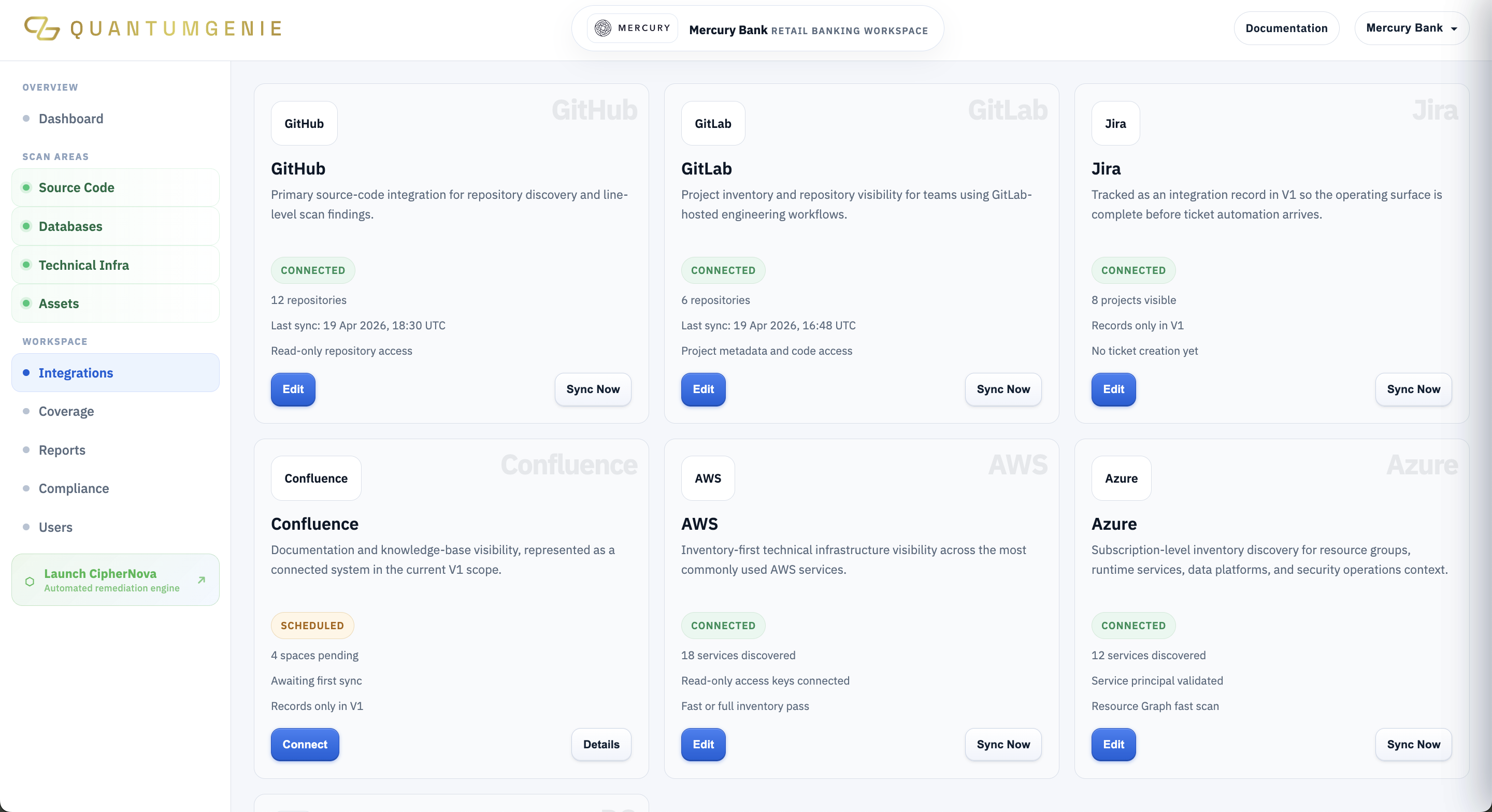
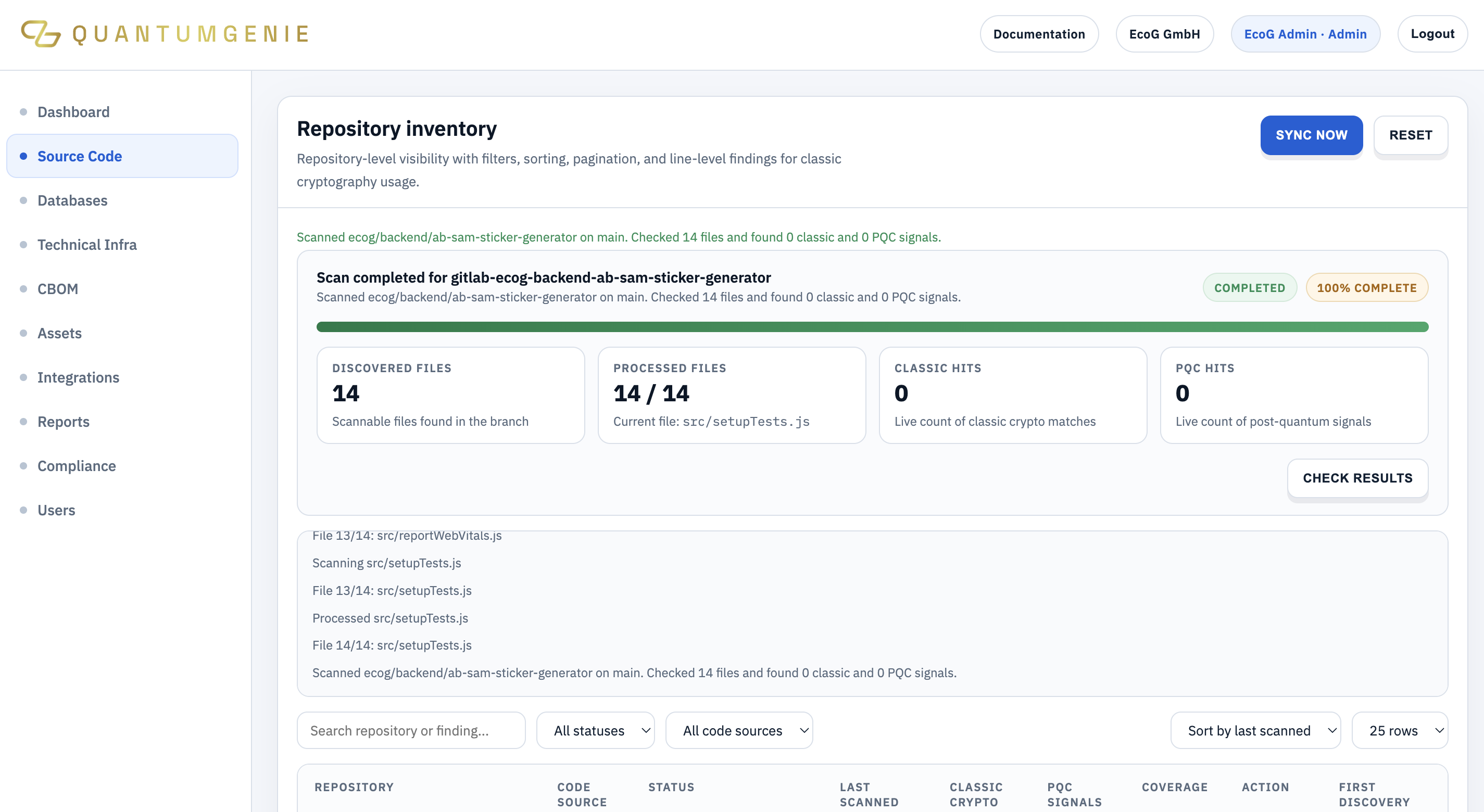
QuantumGenie directly addresses the critical challenge of cryptographic discovery and CBOM generation underscored in the 7-phase framework. Its CipherScan platform automates the identification of cryptographic materials enterprise-wide, enabling security teams to build a comprehensive cryptographic inventory that supports governance, risk stratification, and compliance documentation.
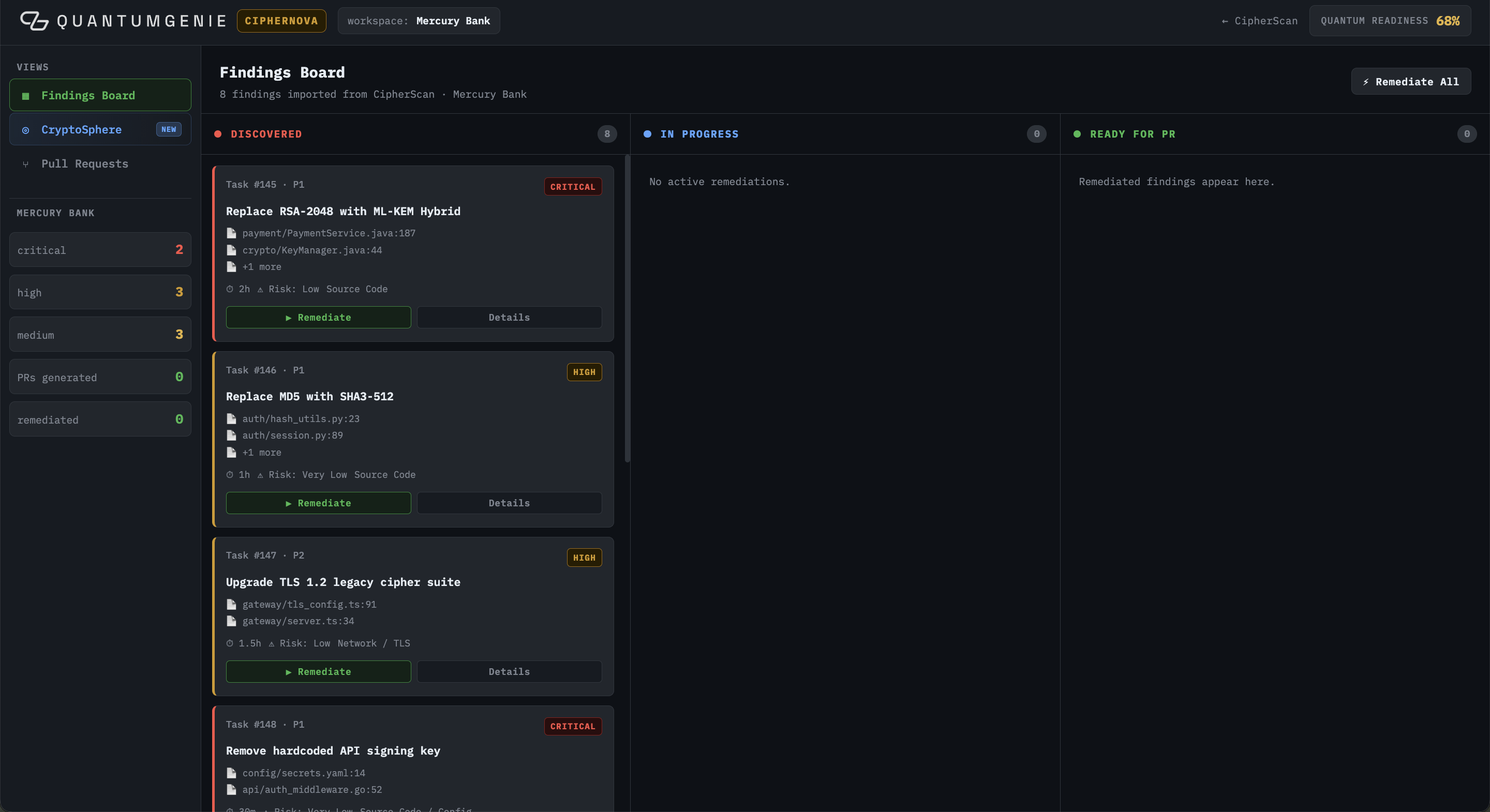
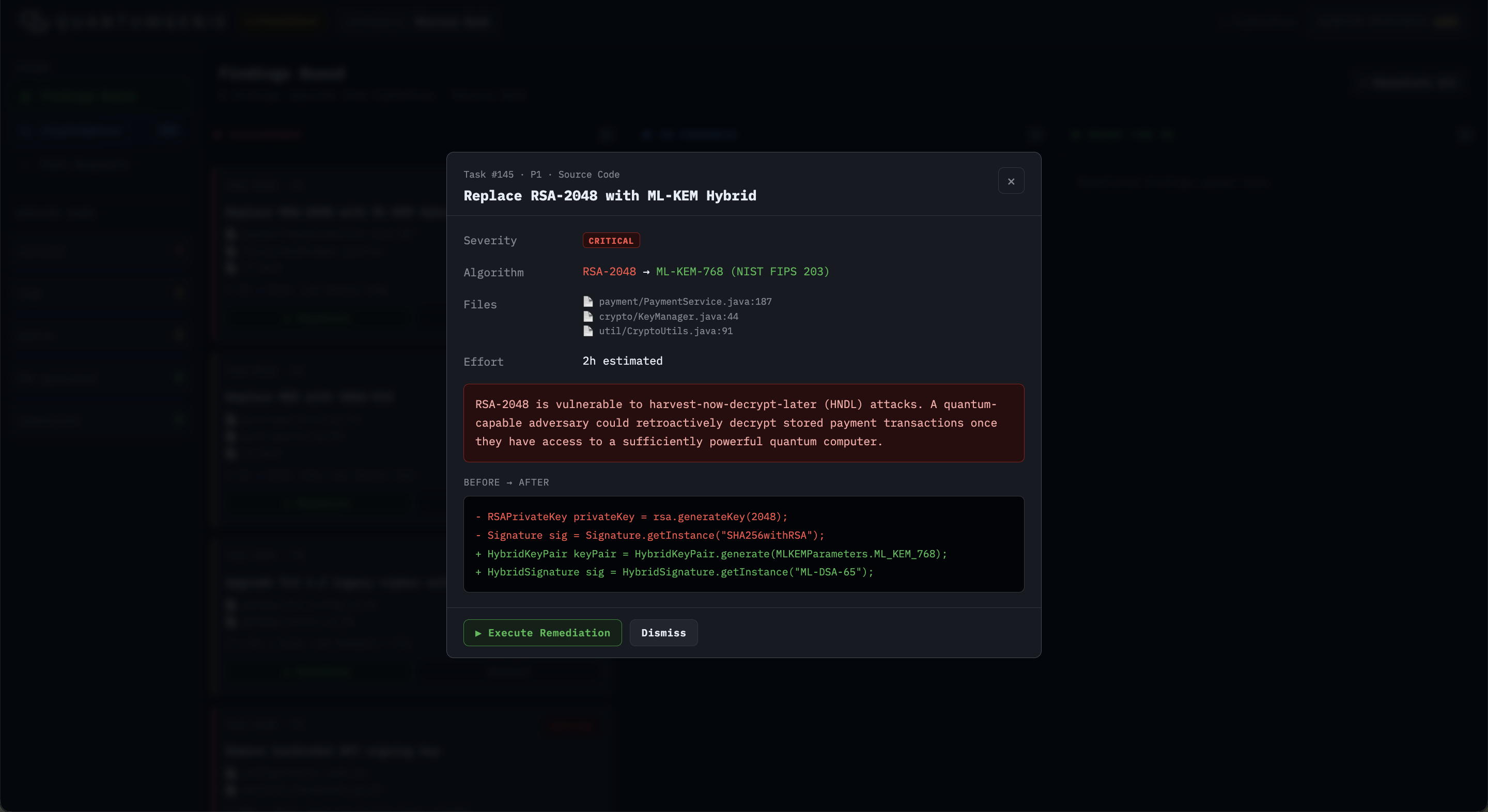
By operationalizing this inventory into a dynamic CBOM, QuantumGenie equips enterprises with the clarity and control needed to prioritize remediation actions and execute migration workflows effectively. This aligns perfectly with the defined best practice of crypto-agility, as QuantumGenie facilitates iterative updates and change review processes required during a multi-phase PQC transition. In essence, QuantumGenie turns strategic frameworks into actionable enterprise programs with traceable outcomes.
Frequently Asked Questions
Why is creating a Cryptographic Bill of Materials (CBOM) critical for PQC migration?
A CBOM provides an exhaustive inventory of all cryptographic components in an enterprise environment, enabling organizations to identify, prioritize, and manage migration risks effectively. Without this visibility, blind spots can lead to incomplete or ineffective PQC adoption.
How does crypto-agility enhance enterprise security in a post-quantum world?
Crypto-agility allows enterprises to quickly switch cryptographic algorithms and protocols in response to new vulnerabilities or standards, ensuring that security infrastructure remains robust and adaptable as quantum computing threats evolve.
Watch The Quantum Threat
Sources And Further Reading
- Crypto Agility — 7-Phase PQC Migration Framework & CBOM PQC Today · Jun 29, 2026
- Enterprise Cryptographic Posture Management Platform Qinsight · Jul 22, 2026
- Post-Quantum Cryptography: What It Is and Migration Secra Solutions · Jul 6, 2026