In This Article
What This Means
- Why a Structured Framework and CBOM Are Critical for PQC Migration
- Enterprise Implications of Crypto Agility and the Framework
- How QuantumGenie Fits into the Seven-Phase PQC Migration Framework
Why a Structured Framework and CBOM Are Critical for PQC Migration
The imperative to adopt post-quantum cryptography (PQC) grows stronger as quantum computing threatens classical cryptographic protections. Many enterprises struggle with the complexity of identifying all cryptographic dependencies — across certificates, keys, codebases, and infrastructure components. The newly outlined seven-phase PQC migration framework presented by PQC Today offers a comprehensive approach that guides organizations from initial discovery through to full migration and ongoing agility.
Central to this framework is the concept of the Cryptographic Bill of Materials (CBOM), a detailed inventory that maps every cryptographic asset and its usage context. Without a CBOM, blind spots undermine migration planning and increase risk. The framework emphasizes how CBOMs enable measurable progress and rational prioritization in risk-based remediation, which are essential for managing migration scope and complexity effectively.
Enterprise Implications of Crypto Agility and the Framework
For CISOs and enterprise security architects, this seven-phase migration framework is more than theory — it represents a practical roadmap to operational crypto agility. Enterprises must move from reactive cryptographic management to proactive, continuous discovery and update cycles. This means evolving cryptographic posture management, integrating risk scoring, and automating migration workflows.
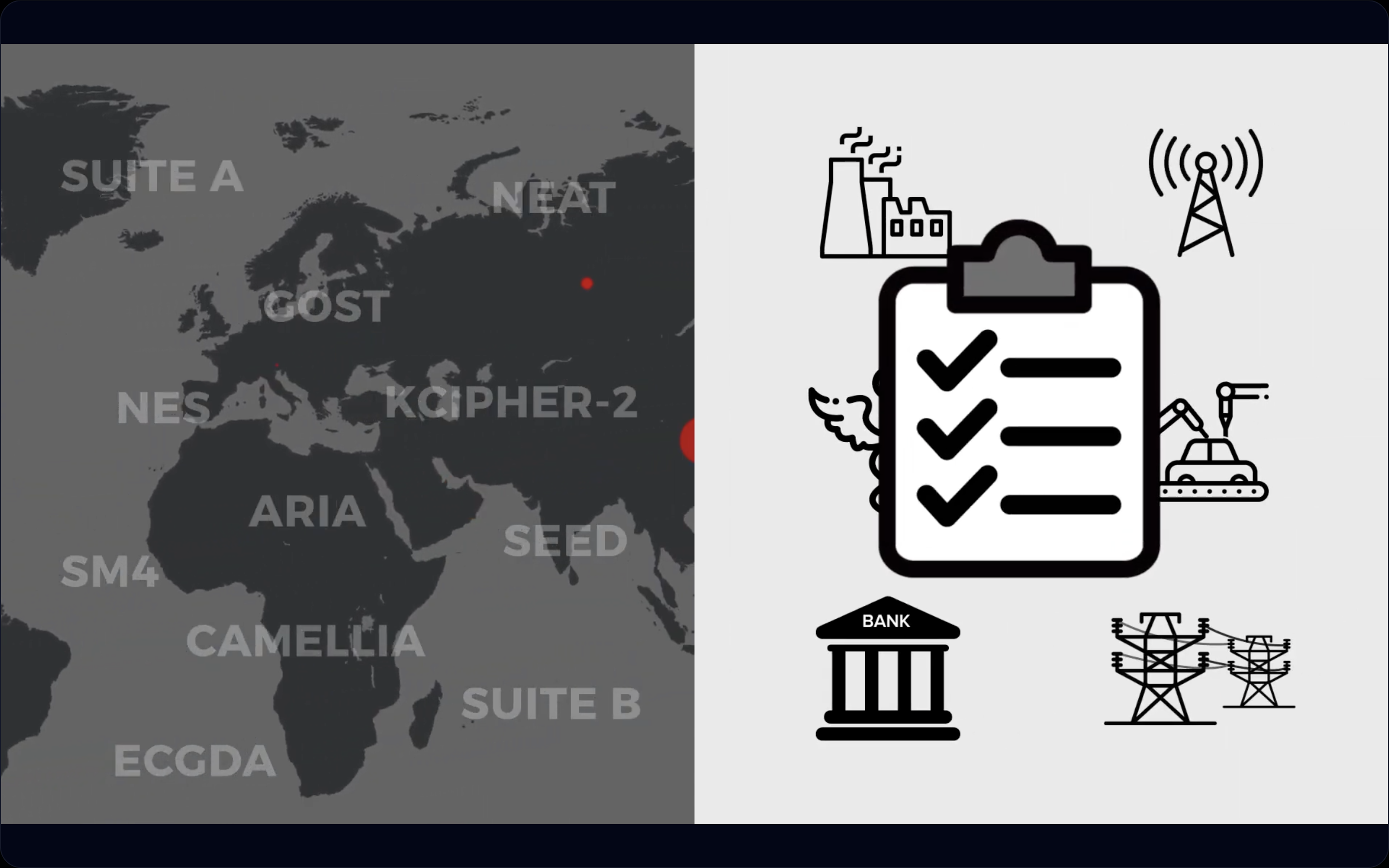
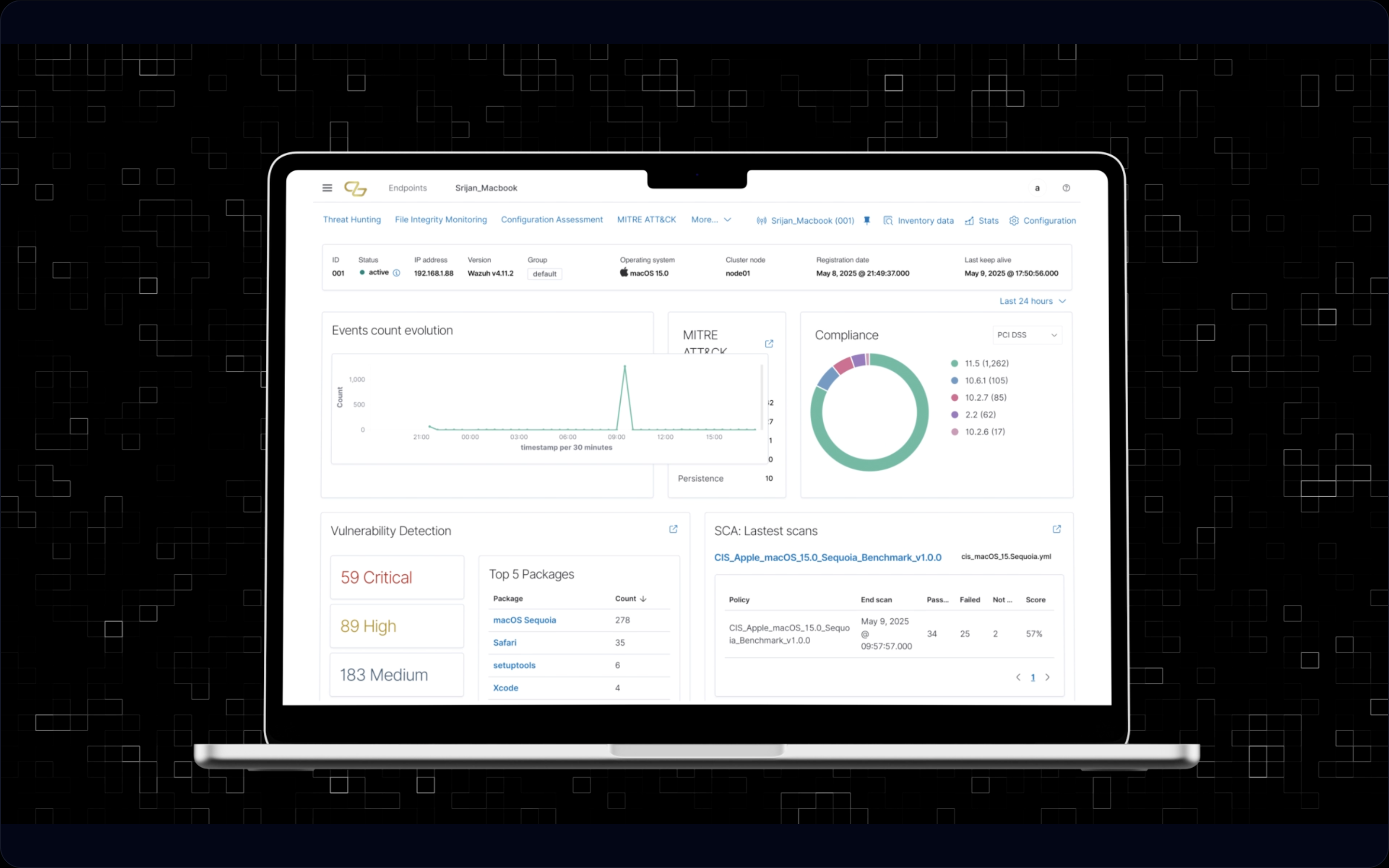
Supporting platforms underscored by the framework enable discovery and risk assessment at scale. This layered approach integrates regulatory compliance considerations and provides governance evidence by documenting the entire migration lifecycle. Enterprises unable to demonstrate structured, phase-aligned progress risk falling behind not only in security but also in compliance landscapes evolving towards quantum readiness.
PQC Readiness Snapshot
| Area | Signal Today | Next Step |
|---|---|---|
| Discovery | More signals are becoming visible in public and vendor channels | Inventory exposed crypto across sites, code, and certificates |
| Prioritization | Not every asset carries the same migration urgency | Rank by business criticality and quantum exposure |
| Execution | Roadmaps only matter when teams own them | Assign timelines, owners, and a recurring review loop |
How QuantumGenie Fits into the Seven-Phase PQC Migration Framework
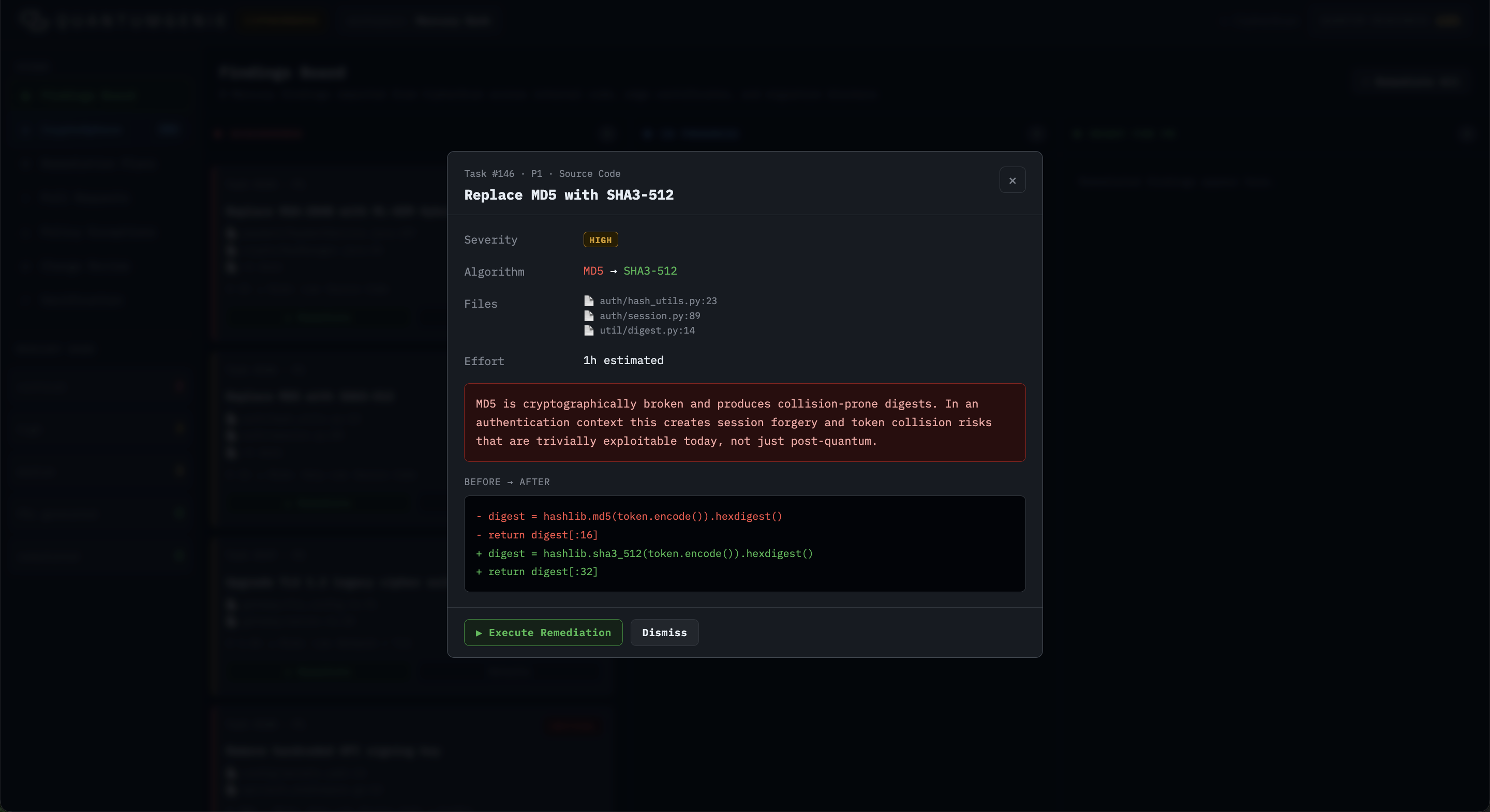
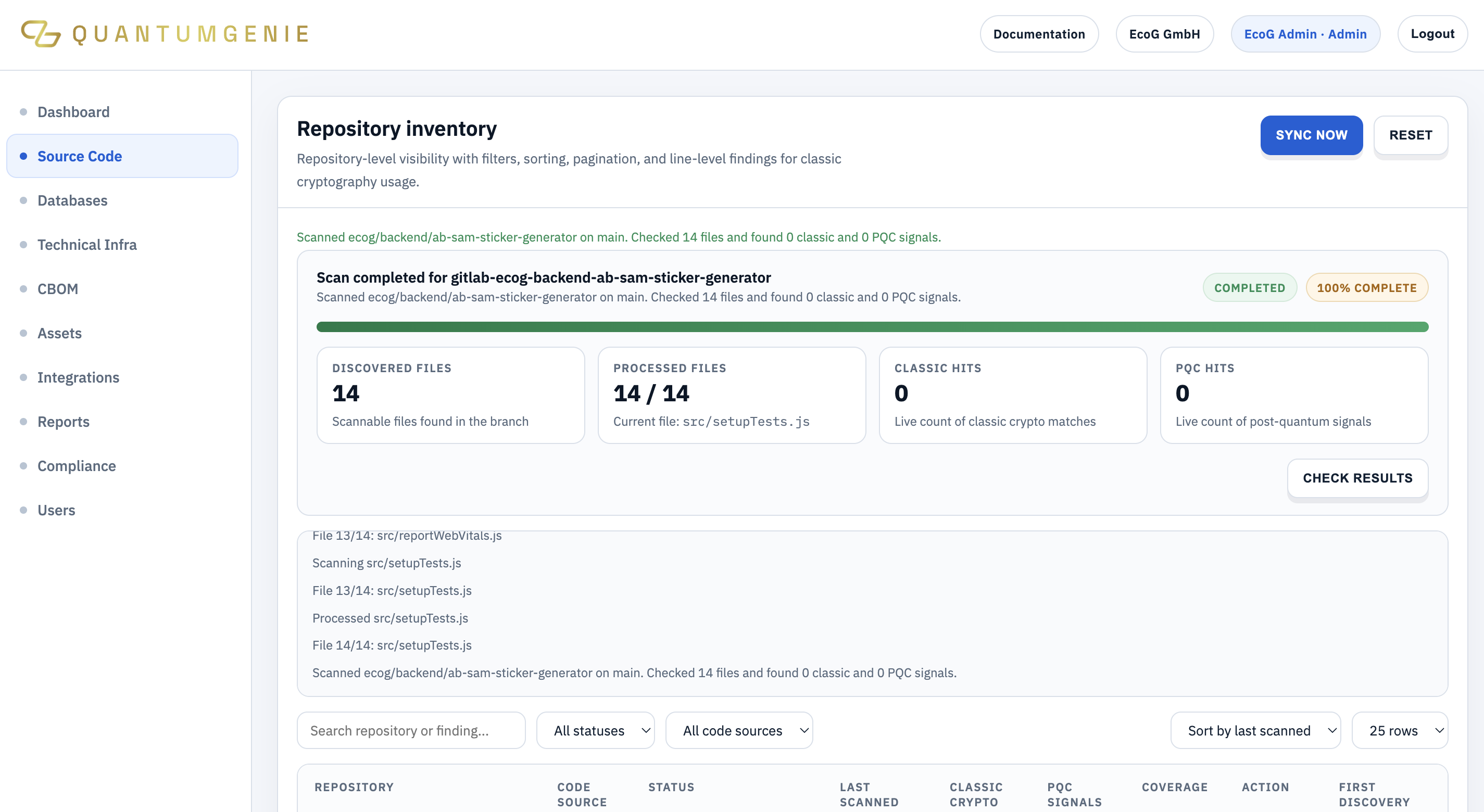
QuantumGenie’s CipherScan product directly addresses the foundational challenge emphasized by the seven-phase framework: cryptographic asset discovery and CBOM generation. By automating comprehensive visibility across websites, certificates, source code, databases, and infrastructure, QuantumGenie helps enterprises accurately build their CBOMs as a living document.
Beyond discovery, QuantumGenie’s platform prioritizes remediation risk and supports migration planning by operationalizing key workflow elements—pull requests, policy exception management, and verification checks—critical to manage crypto agility within complex environments. This positions QuantumGenie as an indispensable infrastructure layer ensuring enterprises can execute each phase of the PQC migration framework with confidence, transparency, and measurable results.
Frequently Asked Questions
What is a Cryptographic Bill of Materials (CBOM) and why is it important?
A CBOM is a detailed inventory that documents all cryptographic components, algorithms, keys, and their interdependencies within an organization. It is crucial because it provides the visibility necessary to understand the full cryptographic footprint and to plan effective, risk-based migration to post-quantum algorithms.
How does crypto agility improve enterprise security in the post-quantum era?
Crypto agility enables enterprises to swiftly and safely replace or update cryptographic algorithms and keys in response to emerging quantum threats or vulnerabilities. This flexibility reduces downtime, limits exposure to attacks, and ensures ongoing compliance with security standards and regulations.
Watch The Quantum Threat
Sources And Further Reading
- Crypto Agility — 7-Phase PQC Migration Framework & CBOM PQC Today · Jul 20, 2026
- CyberSeQ PostQ | Post-Quantum Cryptography Migration Platform CyberSeQ · Jul 21, 2026
- Enterprise Cryptographic Posture Management Platform Qinsight · Jul 19, 2026