In This Article
What This Means
- Why Crypto-Agility Is an Enterprise Imperative
- Context from NIST Standards and Cryptographic Posture Management
- How QuantumGenie Enables Crypto-Agility in Enterprise Migration
Why Crypto-Agility Is an Enterprise Imperative
As quantum computing inches closer to practical threat levels, enterprises must transition to quantum-resistant cryptography with urgency and precision. Yet, the inevitable cryptographic migration is far from trivial: disparate cryptographic assets spread across infrastructure, applications, certificates, and codebases complicate the process. Rushing blindly into post-quantum algorithms risks significant operational disruption and security gaps.
The seven-phase crypto-agility migration framework introduced by PQC Today outlines a realistic, phased approach — from comprehensive asset discovery and cryptographic inventory building, through risk prioritization and planning, all the way to remediation and continuous cryptographic lifecycle management. This approach facilitates rapid algorithm upgrades without heavyweight code rewrites, improving adaptability as standards evolve post-NIST finalization.
Context from NIST Standards and Cryptographic Posture Management
The National Institute of Standards and Technology (NIST) recently released finalized standards for three core post-quantum cryptographic algorithms, enabling enterprise adoption to begin immediately.
However, standardized algorithms are only one piece of the puzzle. Enterprises must first understand their cryptographic landscape. Cryptographic posture management platforms emphasize continuous discovery and risk analysis across all cryptographic dependencies, supporting elimination of legacy algorithms and guiding migration priorities effectively.
Seven-Phase PQC Crypto-Agility Migration Framework
| Phase | Key Activities | Enterprise Benefits |
|---|---|---|
| 1. Discovery & Inventory | Map all cryptographic assets and dependencies | Establish complete visibility enabling informed planning |
| 2. Risk Assessment & Prioritization | Evaluate cryptographic risks by asset criticality and vulnerability | Focus remediation where impact is greatest |
| 3. Planning & Design | Develop migration strategies and select PQC algorithms | Align security goals with operational constraints |
| 4. Implementation & Testing | Deploy PQC algorithms, validate performance and compatibility | Minimize disruptions and enhance reliability |
How QuantumGenie Enables Crypto-Agility in Enterprise Migration
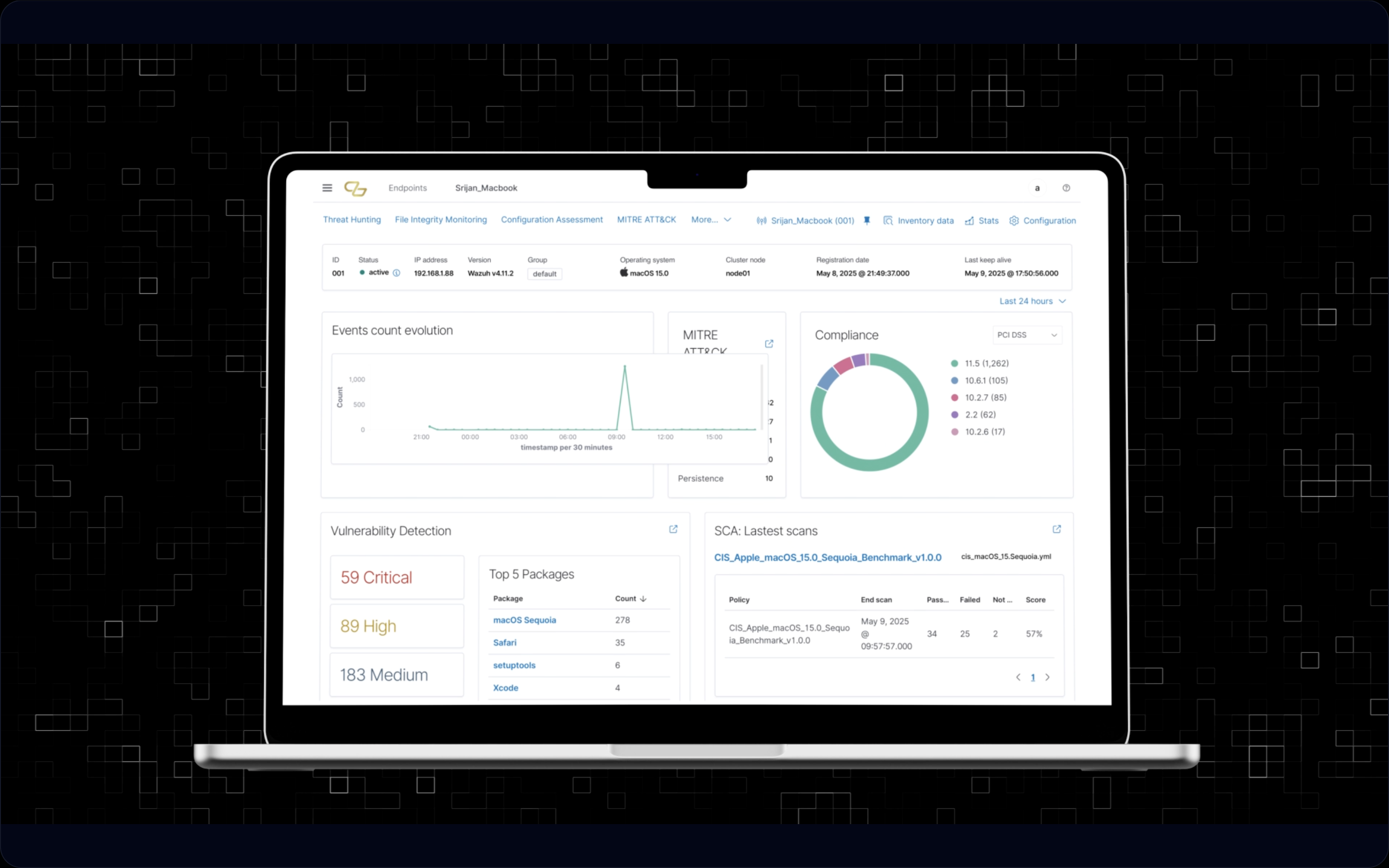
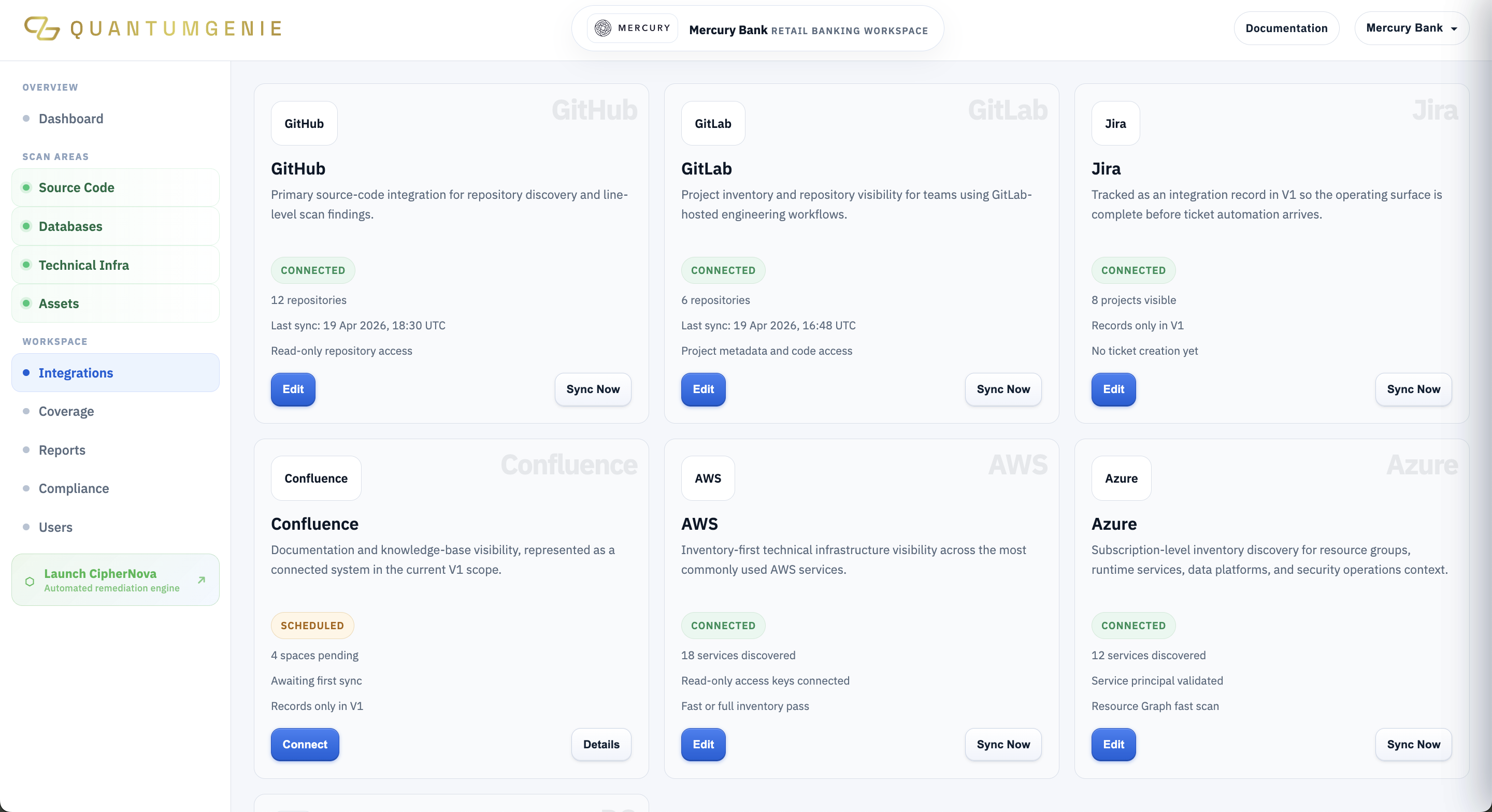
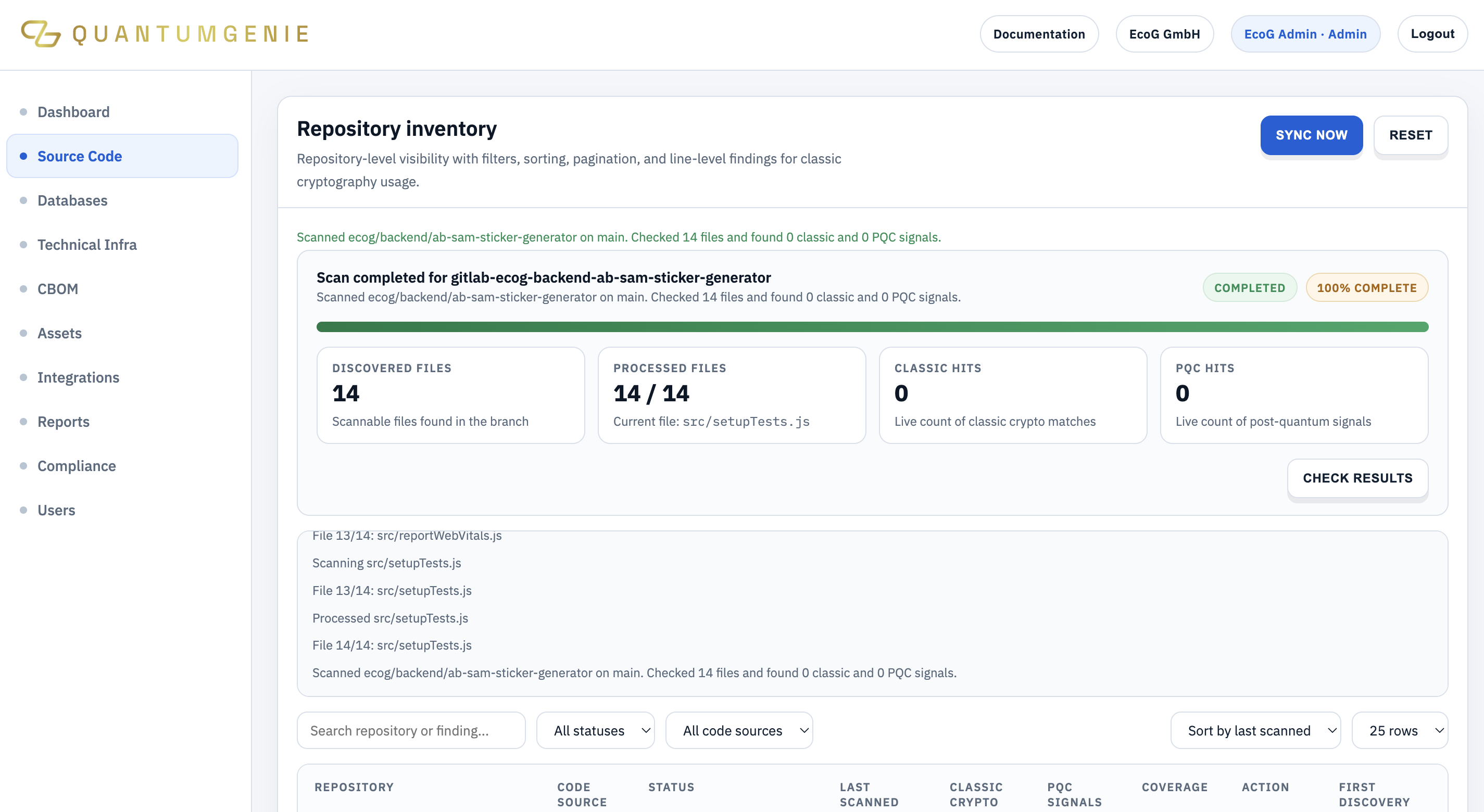
QuantumGenie aligns directly with the migration framework's early and continuous phases by providing robust tools for cryptographic asset discovery — across websites, certificates, code, infrastructure, and more — forming a comprehensive cryptographic inventory and software bill of materials (CBOM).
With prioritized risk assessment and migration planning capabilities, QuantumGenie empowers security teams to focus remediation efforts where they matter most and orchestrate complex PQC cryptographic upgrades through workflow-managed pull requests, policy exception handling, and verification checks.
Frequently Asked Questions
Why is crypto-agility critical for enterprises migrating to post-quantum cryptography?
Crypto-agility enables enterprises to switch cryptographic algorithms and protocols swiftly in response to emerging threats or standards without extensive code rewrites or infrastructure changes, reducing operational risks during migration to post-quantum cryptography.
How does building a cryptographic inventory help in a PQC migration?
A cryptographic inventory provides visibility into all cryptographic assets and dependencies within an enterprise, allowing security teams to accurately assess risk, prioritize remediation, plan migration effectively, and demonstrate compliance throughout the transition.
Watch The Quantum Threat
Sources And Further Reading
- Crypto Agility: 7-Phase PQC Migration Framework & CBOM PQC Today · Jul 7, 2026
- NIST Releases Post-Quantum Cryptography Standards for Immediate Implementation National Institute of Standards and Technology (NIST) · Jul 7, 2026
- Enterprise Cryptographic Posture Management Platform Qinsight · Jul 7, 2026