In This Article
What This Means
- The Quantum Threat and Enterprise Data Protection
- From Vendor Announcement to Enterprise Action: Lessons for Security Leaders
- How QuantumGenie Fits in Navigating Post-Quantum Cryptography Challenges
The Quantum Threat and Enterprise Data Protection
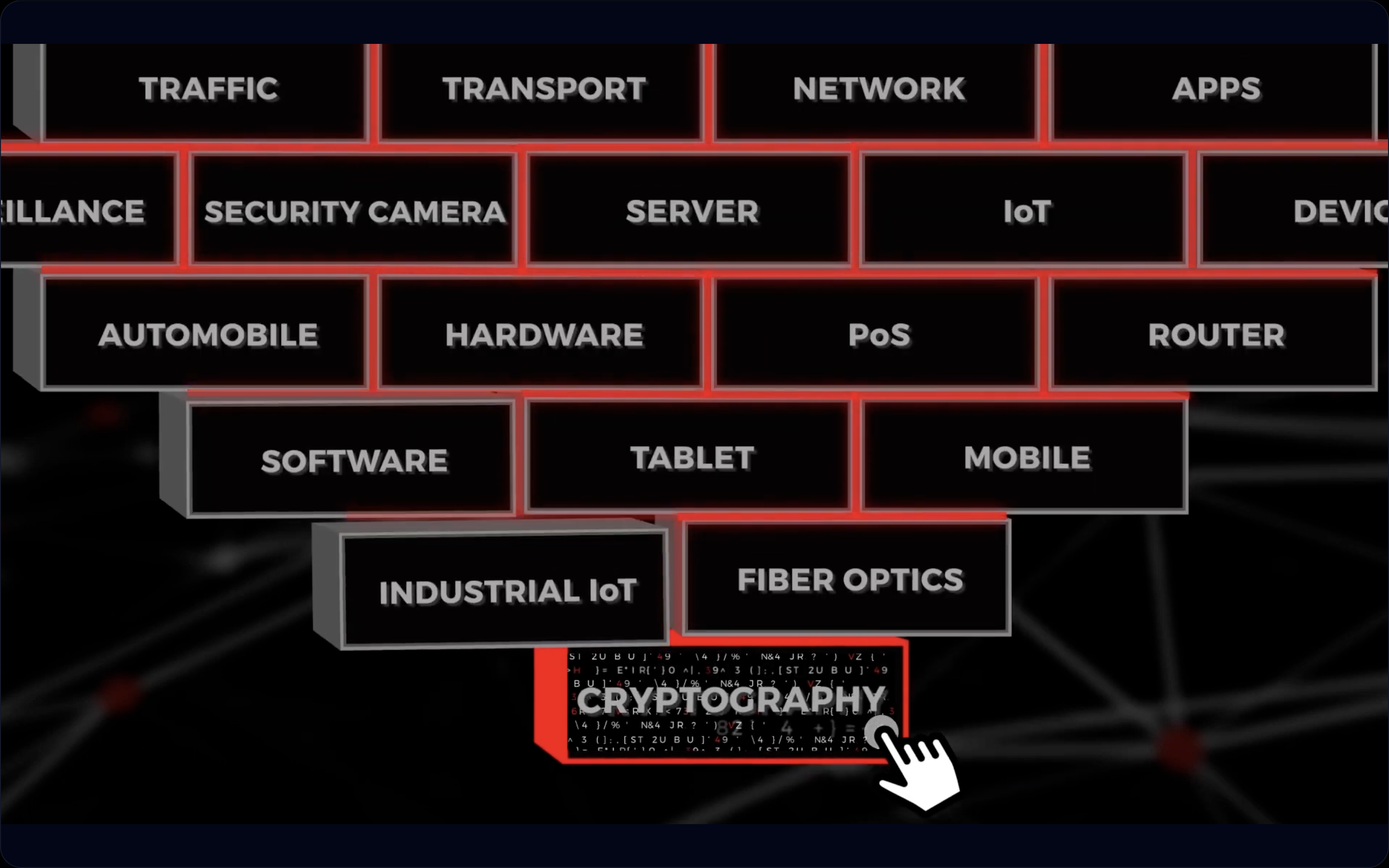
The announcement by Commvault introducing enhanced post-quantum cryptography capabilities highlights a critical inflection point for enterprises protecting sensitive data. As quantum computing capabilities advance, the specter of adversaries leveraging quantum or post-quantum techniques to breach traditional cryptographic safeguards becomes a real and pressing concern. Enterprises can no longer view quantum threats as distant or theoretical; proactive steps toward quantum-resistant data encryption are essential to forestall both future and harvest-now-decrypt-later attacks that jeopardize long-term data confidentiality.
Effective protection in this evolving environment demands not just new cryptographic algorithms but strategic preparedness—comprehensive awareness of cryptographic assets, their associated risks, and an orchestrated migration to quantum-safe methods that align with business priorities and compliance obligations. This shift directly impacts enterprise data governance, cybersecurity policies, and vendor security strategies.
From Vendor Announcement to Enterprise Action: Lessons for Security Leaders
While vendor announcements like Commvault’s provide useful signals of technological progress, the enterprise challenge lies in orchestrating complex cryptographic migrations without disruption. Security and IT leaders must build a detailed cryptographic inventory across data repositories, applications, certificates, and infrastructure before effective remediation can begin. Without this foundational visibility, prioritizing migration risks and integrating quantum-safe replacements is guesswork prone to introducing operational blind spots.
Moreover, the move to post-quantum cryptography often requires hybrid transitional approaches to maintain interoperability and performance during migration phases. Security teams must deploy repeatable workflows that ensure quality control and governance throughout this process. Without a unified platform managing discovery, risk assessment, and controlled remediation, post-quantum readiness programs risk delay or failure—leaving critical assets vulnerable as threat landscapes evolve.
Key Considerations for Enterprise Post-Quantum Cryptography Migration
| Consideration | Description | Enterprise Impact |
|---|---|---|
| Comprehensive Cryptographic Inventory | Identifying all cryptographic assets across systems and applications | Enables accurate risk assessments and targeted remediation |
| Risk-Based Prioritization | Focusing migration efforts on highest risk assets first | Optimizes resource allocation and reduces attack surface |
| Hybrid Cryptography Support | Maintaining interoperability during migration phases | Ensures business continuity and gradual transition |
| Governance and Workflow Automation | Embedding controls in remediation workflows | Increases operational transparency and audit readiness |
How QuantumGenie Fits in Navigating Post-Quantum Cryptography Challenges
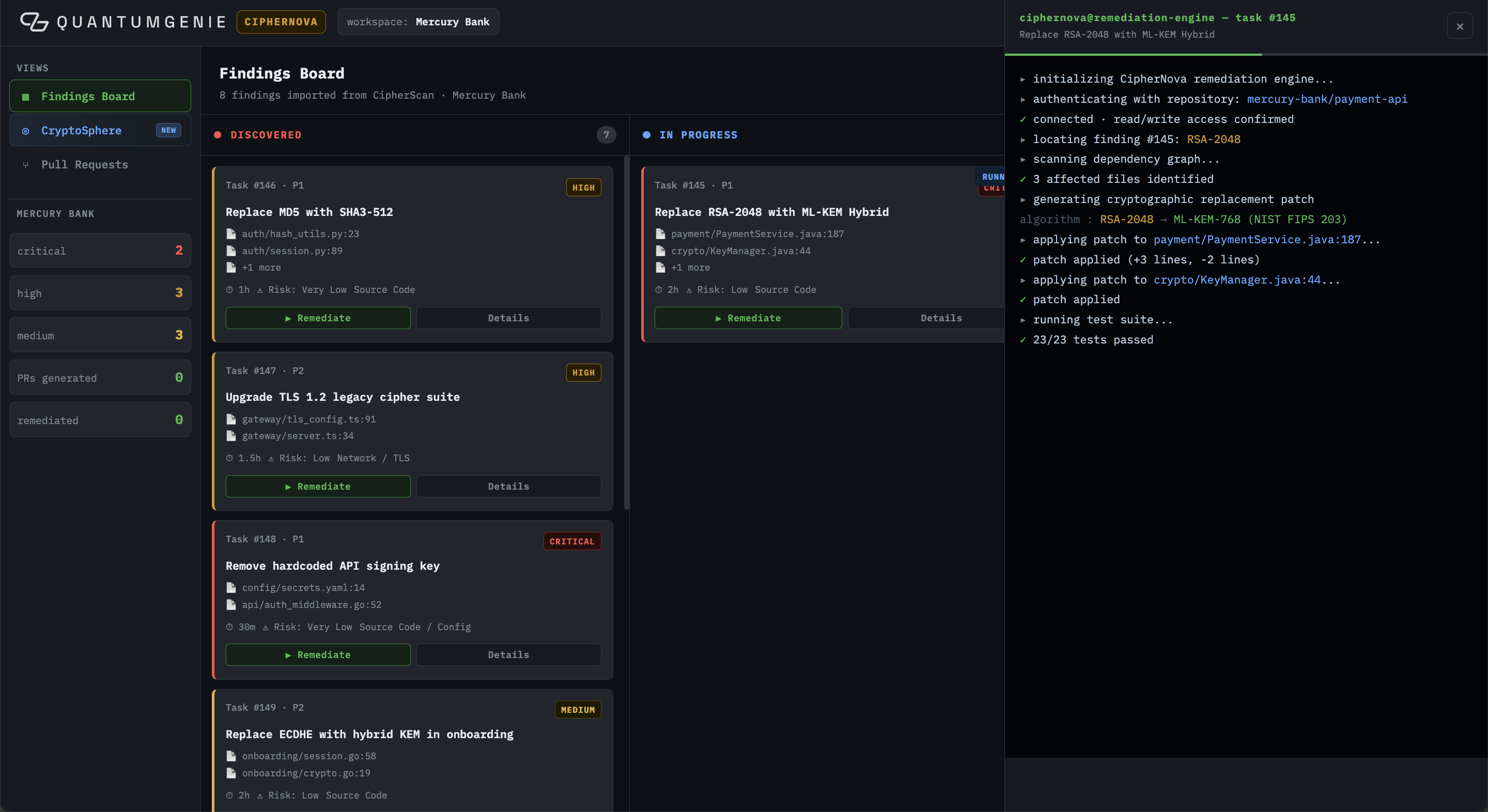
QuantumGenie addresses these enterprise challenges by providing an integrated platform to discover cryptographic use across the organization—spanning websites, certificates, source code, infrastructure, databases, and applications. Its cryptographic inventory and component bill of materials (CBOM) capabilities enable prioritized risk assessments to focus remediation efforts where they matter most. By orchestrating workflow checks, policy enforcement, and pull requests, QuantumGenie empowers teams to operationalize their cryptographic migration comprehensively and transparently.
Enterprises adopting post-quantum cryptographic protections must move beyond isolated tooling toward platforms that embed discovery and remediation as business processes. QuantumGenie’s role is to accelerate migration strategies through actionable insights and governance controls, helping organizations meet compliance readiness requirements while reducing the risk and complexity inherent in transitioning to quantum-safe security postures. This makes it an indispensable asset in the evolving fight against quantum-enabled cyber threats.
Frequently Asked Questions
Why is post-quantum cryptography important for protecting enterprise data today?
Post-quantum cryptography is crucial because emerging quantum computers have the potential to break conventional cryptographic algorithms, threatening the confidentiality and integrity of sensitive enterprise data both now and in the future. Early adoption mitigates risks from 'harvest now, decrypt later' attacks, ensuring long-term data security.
How does discovery of cryptographic assets influence a successful quantum-safe migration?
Discovery provides visibility into where and how cryptography is used across an organization's IT environment. Without it, enterprises cannot assess risk accurately or plan effective migrations. Detailed inventory enables prioritization, informed decision-making, and ensures comprehensive coverage during the transition to quantum-safe algorithms.
Watch The Quantum Threat
Sources And Further Reading
- Commvault Unveils New Post-Quantum Cryptography Capabilities to Help Customers Protect Data from a New Generation of Security Threats PR Newswire · Jun 9, 2025
- Apple Unveils PQ3 Post-Quantum Encryption for iMessage TechTarget · Feb 21, 2024